Peninsula Papagayo Runs on a Different Concession Clock Than the Rest of the Gulf
September 24, 2026
September 24, 2026
A buyer comparing a concession-property listing on Peninsula Papagayo to a similarly priced concession lot in Playas del Coco or Playa Hermosa is often comparing two different legal instruments that happen to share the same English word. The price per square foot might look close. The thing being purchased is not.
Peninsula Papagayo's entire resort community, not just the sand-adjacent parcels, moves through a single 1993 agreement between the Costa Rican government and the peninsula's master developer. That agreement runs on its own clock, its own renewal math, and its own resale costs, none of which apply the way they do a few miles down the coast. If you're weighing Papagayo against Coco, Hermosa, or Ocotal, the sticker price is the least useful number in the comparison until you understand what sits underneath it.
On January 15, 1993, the Costa Rican government, through the Instituto Costarricense de Turismo (ICT), signed a Master Concession Agreement with Ecodesarrollo Papagayo, Ltda., granting the developer the right and obligation to build out the peninsula under a regional master plan covering the Gulf of Papagayo Tourism Project and a project-specific plan for Peninsula Papagayo itself. That single agreement is the origin point for every residential parcel on the peninsula. The term is 49 years, which puts the first period's expiration in January 2042. Under the agreement, a renewal fee gets prepaid by Ecodesarrollo for a second 49-year term that begins automatically at that point, subject to the extension terms written into the contract.
Ecodesarrollo has put more than $100 million into infrastructure across the resort community since then, funded and maintained through a Master Association that every property owner belongs to. That association, not a municipal government, is the entity that actually administers day-to-day governance across the peninsula.
The legal basis for this structure is a specific statute, Costa Rica's Law No. 6758, enacted in 1982 to regulate execution of the Papagayo Tourism Project. That's a different law than the one governing beachfront concessions everywhere else on the Guanacaste coast, and the difference in law is the reason the difference in mechanics exists.
Outside Papagayo's boundary, coastal concession property in Guanacaste runs on Law 6043, the national Maritime Zone Law. That law defines a 200-meter strip from the high-tide line: the first 50 meters is public and can't be owned or built on by anyone, and the remaining 150 meters can be granted as a concession by the local municipality, typically for a 20-year term. Foreign buyers can hold these concessions, but with a real constraint. A foreign national who hasn't held Costa Rican residency for at least five years generally can't hold more than 49 percent of a standard maritime zone concession without a Costa Rican partner or corporate structure built around that cap.
That's the framework a buyer researching Playas del Coco, Playa Hermosa, or Playa Ocotal runs into: a mix of titled inland parcels and municipally-administered beachfront concessions, sorted by distance from the tide line, each concession renewing on a 20-year cycle.
Peninsula Papagayo doesn't follow that pattern. The Master Concession Agreement covers the whole resort community, not a coastal strip measured from the water, and it's administered directly by ICT rather than a municipality. Industry guides describing the Gulf of Papagayo Tourism Project note that its concessions run longer, typically 49 to 50 years instead of the standard 20, and generally aren't subject to the same foreign-ownership percentage cap that applies under the municipal ZMT process elsewhere. That's a meaningful legal distinction, and it's worth confirming with a Costa Rican attorney on any specific transaction rather than assumed from a listing description, because the developer's own governing documents are explicit that every conveyance inside the resort community, including acreage well back from the beach that a buyer might expect to be titled the way a similar lot would be in Coco, transfers as a concession interest rather than fee simple title.
Here's the comparison at a glance:
| Coco, Hermosa, Ocotal (standard coast) | Peninsula Papagayo | |
|---|---|---|
| Governing law | Law 6043, Maritime Zone Law | Law 6758, Papagayo Tourism Project |
| Administered by | Local municipality | ICT directly |
| Typical concession term | 20 years | 49 years, second term begins 2042 |
| Foreign ownership limit | 49% without 5+ years residency | Generally not subject to that cap |
| Applies to | Land within 200 meters of high tide | Entire resort community |
Every transfer of a concession interest inside Peninsula Papagayo triggers a Real Estate Transfer Assessment, known as RETA, calculated as a percentage of the sale price and paid by the buyer at closing. The percentage is currently set at 1 percent, though the Master Association's board can raise it, subject to owner approval, up to a ceiling of 5 percent. It can never drop below 1 percent. The fee funds the association's infrastructure and common-area obligations.
That's a resale cost a fee-simple buyer in Playa Hermosa or Playas del Coco doesn't encounter at closing on a comparable titled property. It's not large at the current rate, but it's a cost that exists structurally inside Papagayo and doesn't exist structurally outside it, and it scales with sale price rather than staying flat.
For 2026, golf membership dues at The Club at Peninsula Papagayo run $35,000 annually, and membership is capped at 300 total. Because membership is tied to property ownership, transferability becomes part of the resale conversation. A seller's membership can move to the buyer with Club approval, but the transfer has to complete within 90 days of the real estate closing or the buyer faces an additional eligibility fee. If the transfer doesn't happen, the seller's membership goes onto a resigned membership waiting list for reissuance, and the refundable deposit comes back at 100 percent of what was paid, minus a 20 percent transfer fee.
That's a negotiation point that doesn't exist in a neighborhood sale without a shared club structure. Whether a specific listing includes transferable Club access is a question with real dollar value attached, and it's a question that only makes sense to ask inside Papagayo's gates.
None of this makes Papagayo a riskier place to buy than the rest of the Guanacaste coast. Branded projects like Four Seasons Private Residences Prieta Bay, Andaz Residences, and Nekajui, a Ritz-Carlton Reserve Residence, all sit on this same Master Concession, and none of that has stopped those collections from selling out. Concessions here can also be pledged as collateral, which gives owners a financing path that doesn't depend on holding fee-simple title.
What it does mean is that the comparison a buyer runs in their head, this many square feet in Papagayo against this many square feet in Coco, at this price per square foot, is missing at least three variables that don't show up in a listing sheet: how many years remain on the underlying 49-year term, what RETA percentage the Master Association currently has in effect, and whether Club access transfers with the specific property in question. A concession bought early in the current term is a different hold than one bought close to 2042, even if the two properties look identical on paper.
If you're weighing a purchase here against something in Hermosa or Ocotal, those are the three questions worth asking before the price becomes the deciding factor. We've written more on how the buying process breaks down property type by property type on the peninsula, from branded residences to custom homesites, if you want the fuller picture before you start comparing numbers across neighborhoods.
Buyers who want a closer look at what's currently available inside Papagayo's gates, including opportunities that haven't hit public listing feeds, can reach out to 2 Costa Rica Papagayo to receive exclusive off-market listings.
Does the concession just end in 2042? No. The agreement provides for an automatic second 49-year term beginning January 15, 2042, with the renewal fee prepaid by the master developer under the terms of the original contract.
Can a foreign buyer purchase here without a Costa Rican majority partner? Papagayo's framework, run through a national law and a direct agreement with ICT rather than the municipal concession process used elsewhere on the coast, is generally described in industry guides as not carrying the same ownership-percentage cap that applies to standard maritime zone concessions. Confirm the specifics for any given parcel with a Costa Rican attorney before treating that as settled for your transaction.
Explore our exclusive listings.
For Sale
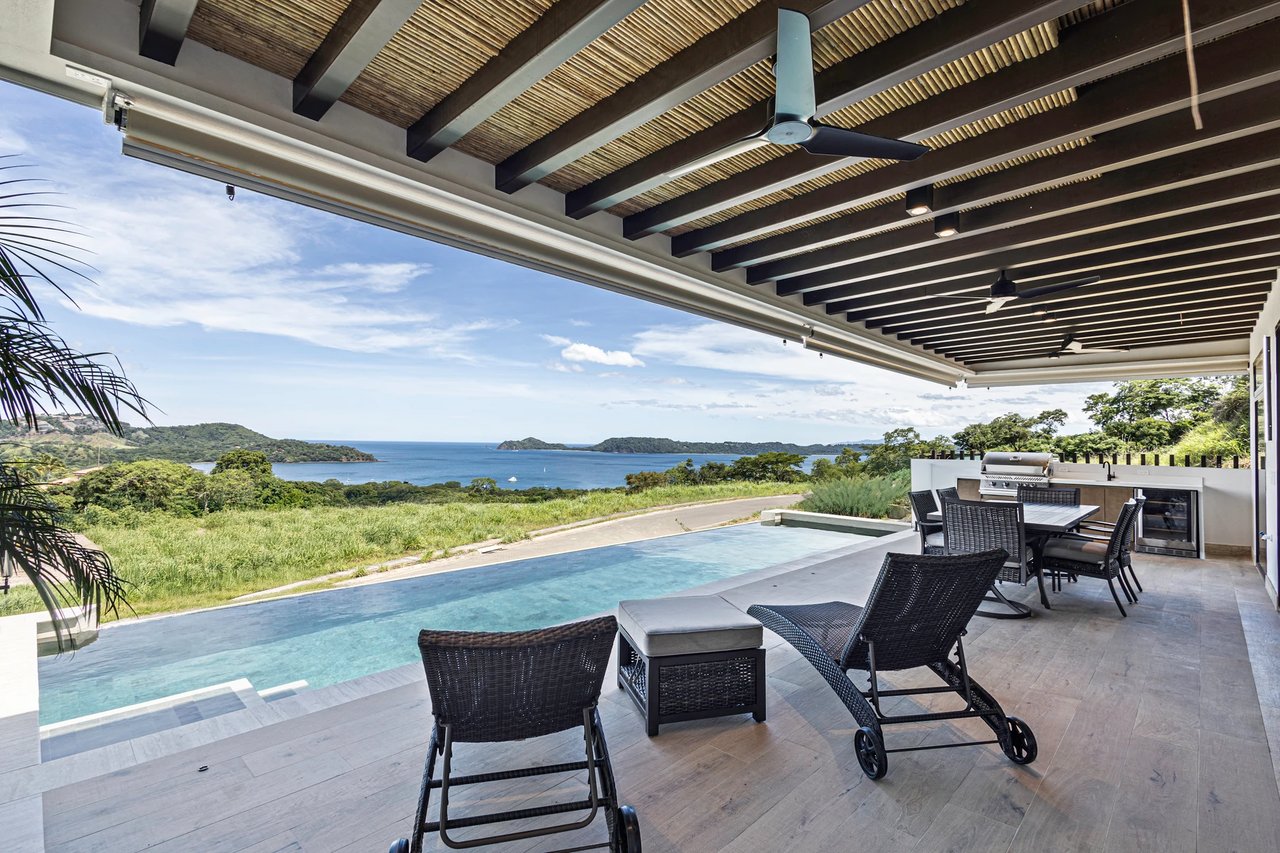
Casa Del Ray, Lot 12B, Hacienda Del Mar, Playa Panama, GU 50503, Costa Rica
For Sale
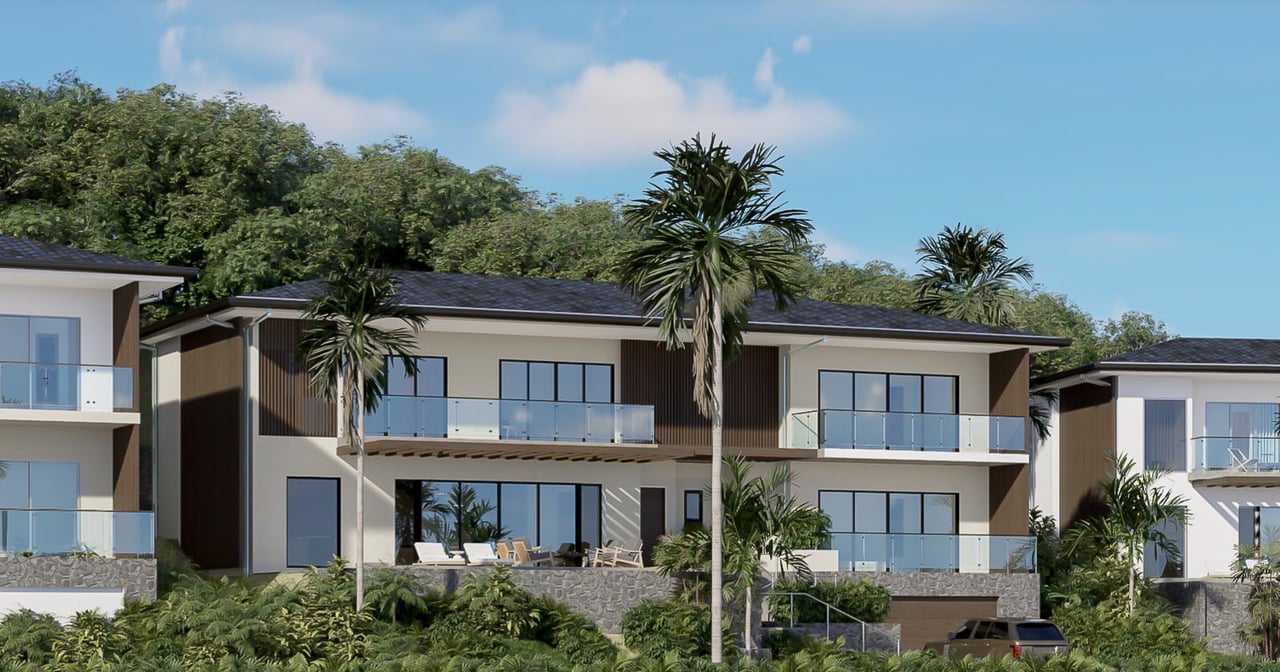
Lot 12B, Hacienda Del Mar, Playa Panama, GU 50503, Costa Rica
For Sale
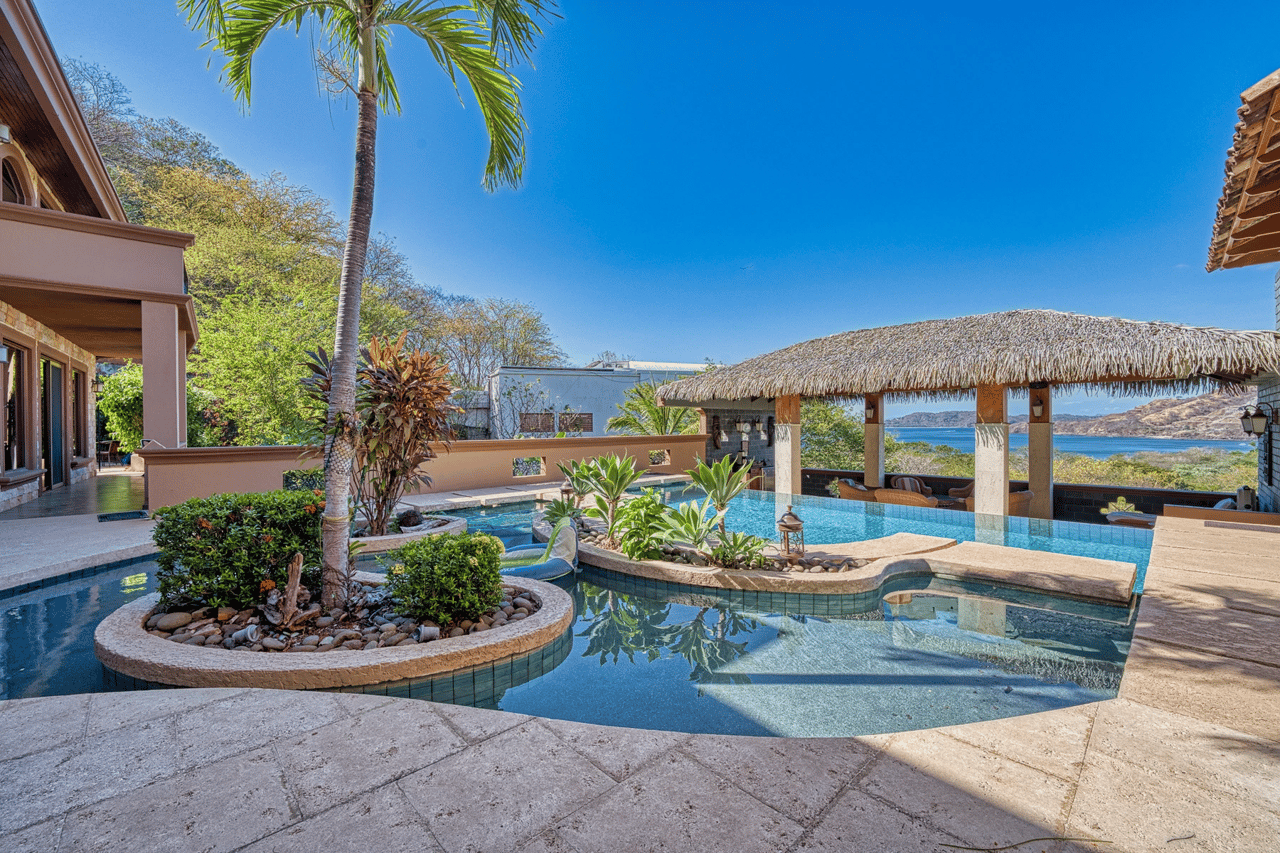
Ocean View Hermosa Montaña, Playa Hermosa, GU 50503, Costa Rica
For Sale
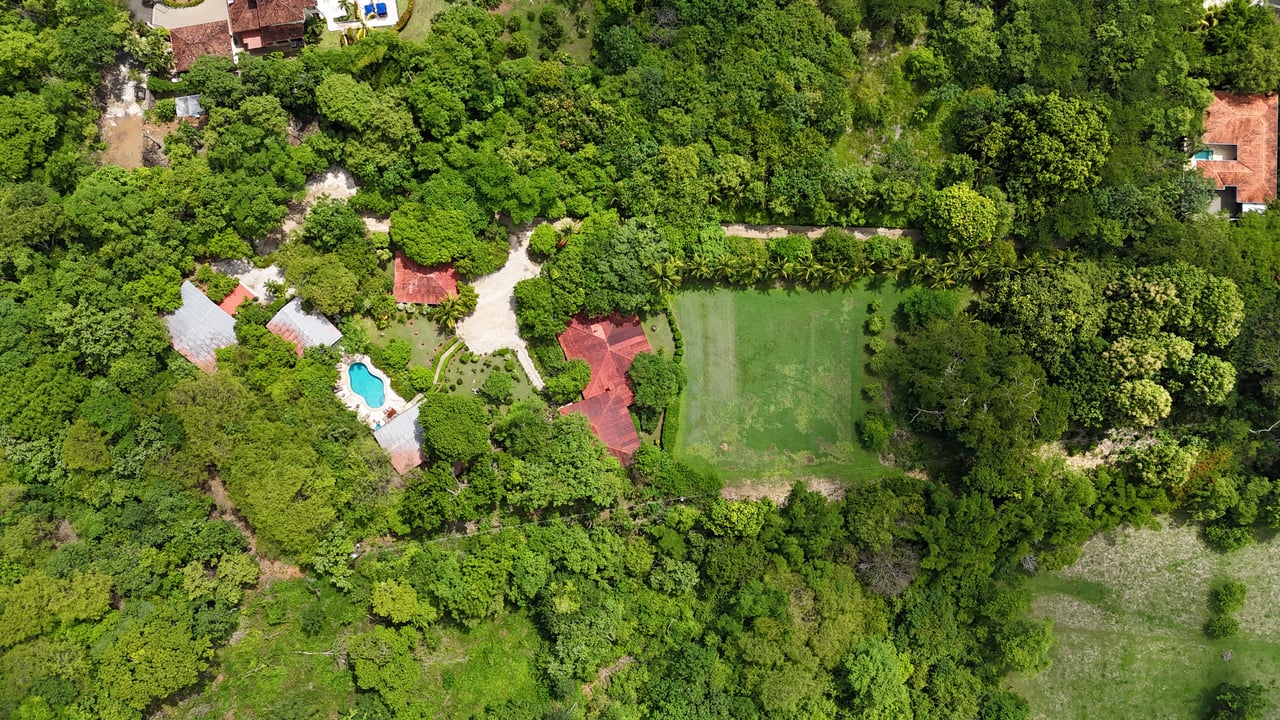
Rancho Armadillo, Monte Seco, Ocean Views, Playas del Coco, GU 50503, Costa Rica
For Sale
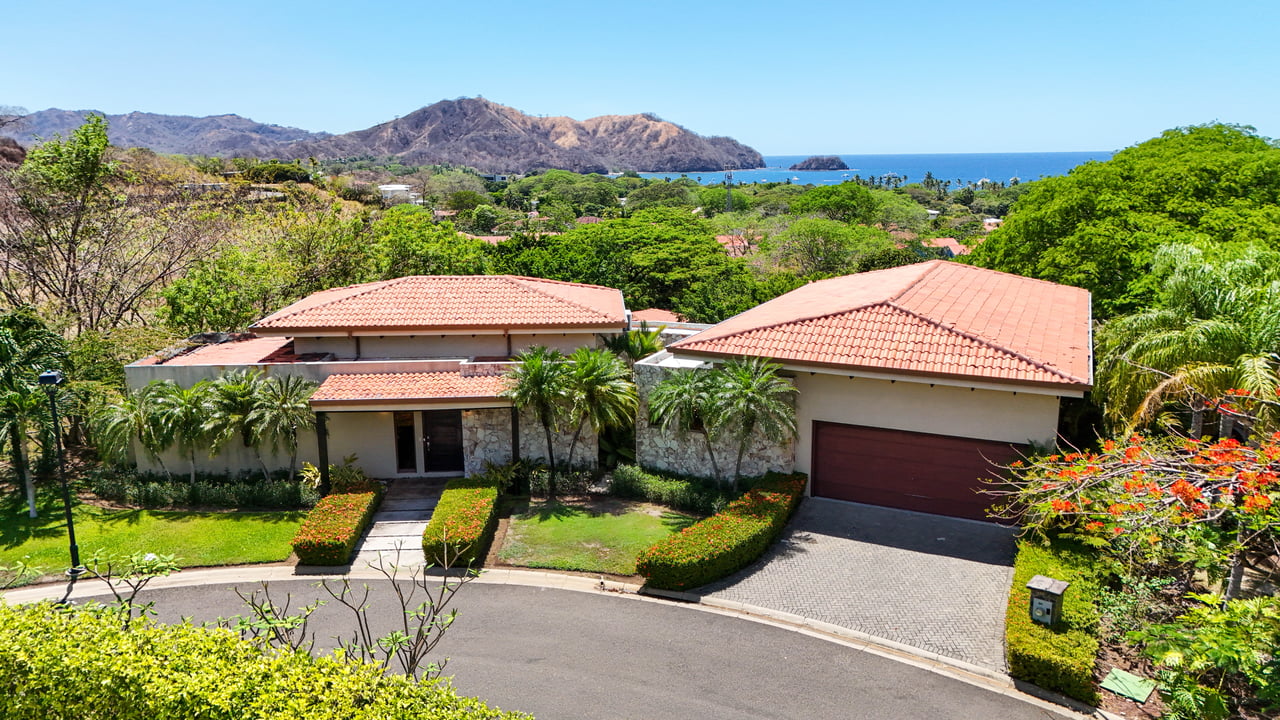
Ocean View Villa 80, Pacifico, Playas del Coco, GU 50503, Costa Rica
For Sale
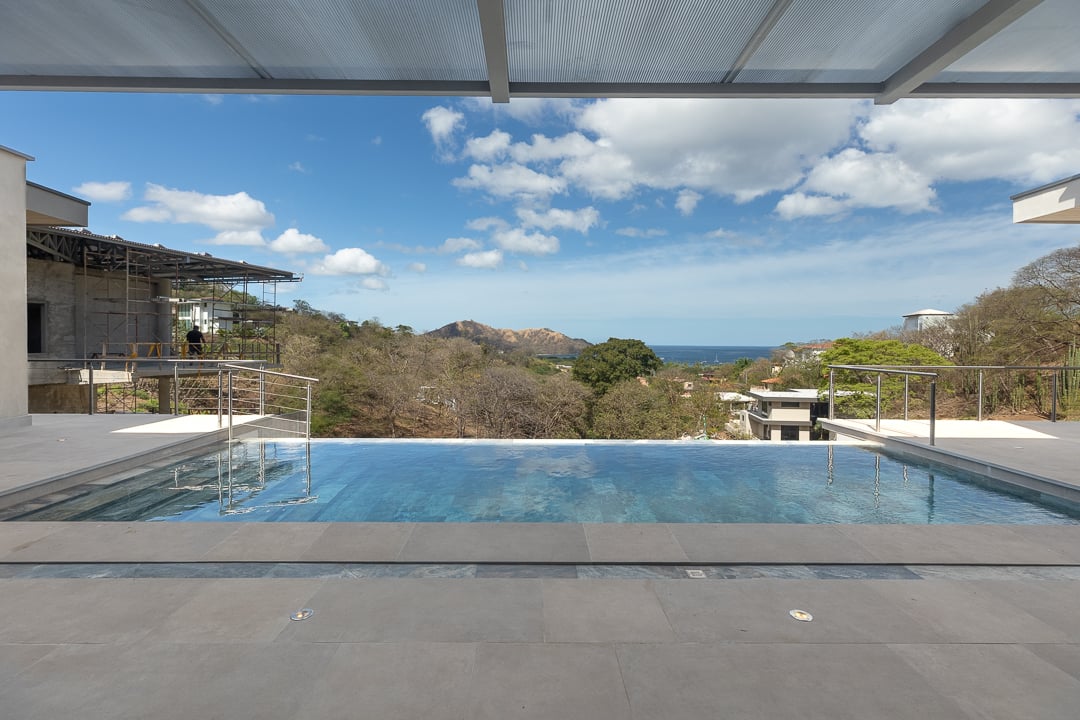
Oceanview Home, Lot 42, Pacifico, Playas del Coco, GU 50503, Costa Rica
For Sale
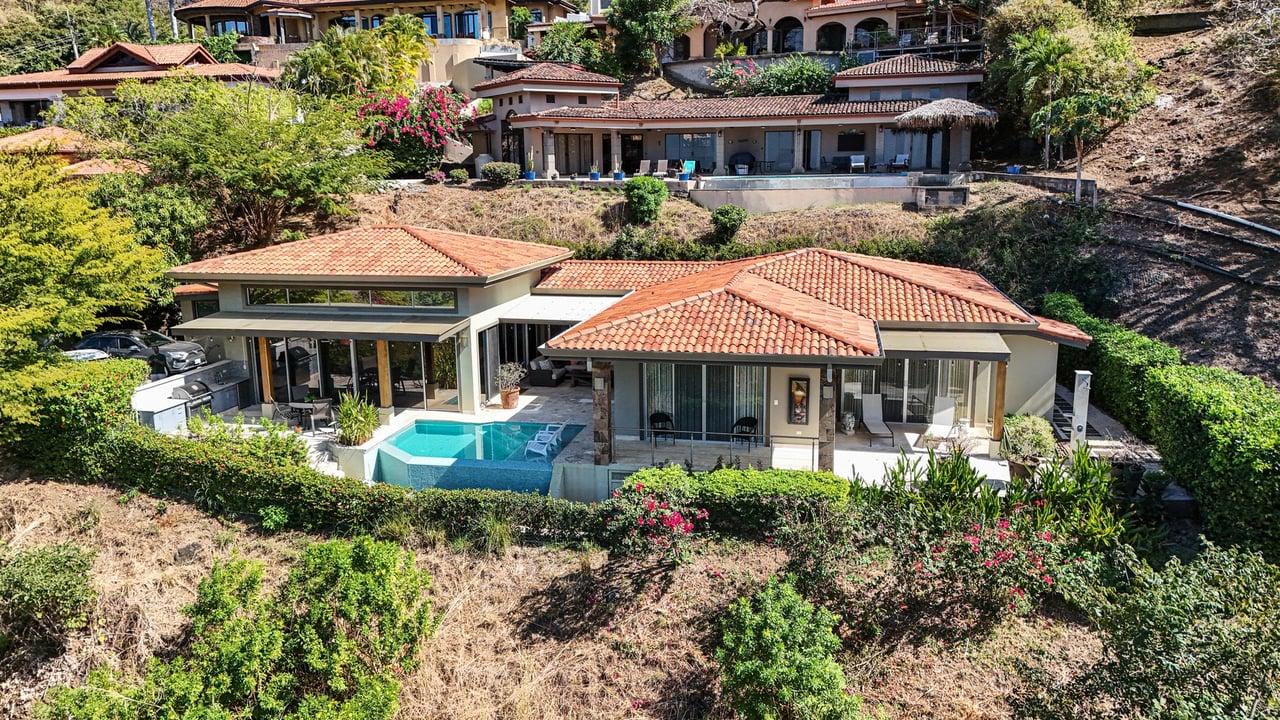
Ocean View Casa De Encanto, Hermosa Heights, Playa Hermosa, GU 50503, Costa Rica
For Sale
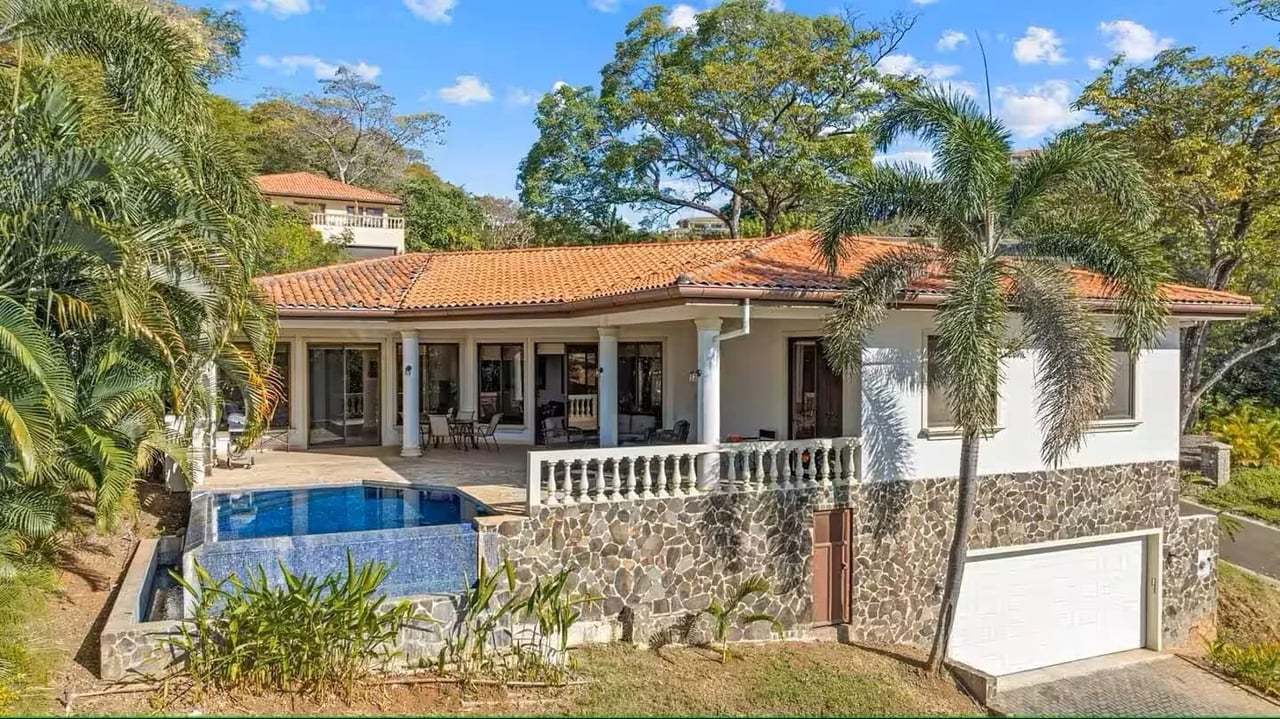
Casa Serena, Lot 89, Pacifico, Playas del Coco, GU 50503, Costa Rica
For Sale
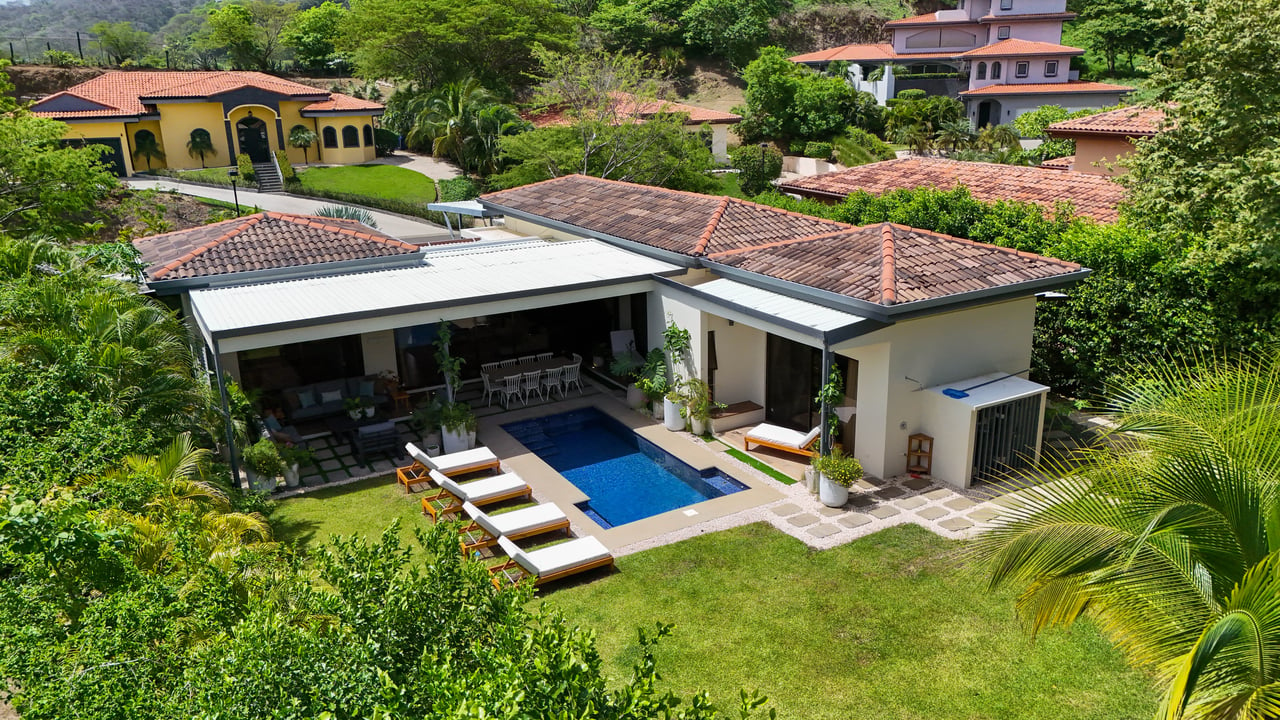
Casa Sanctuary, Pacifico, Playas del Coco, GU 50503, Costa Rica
For Sale
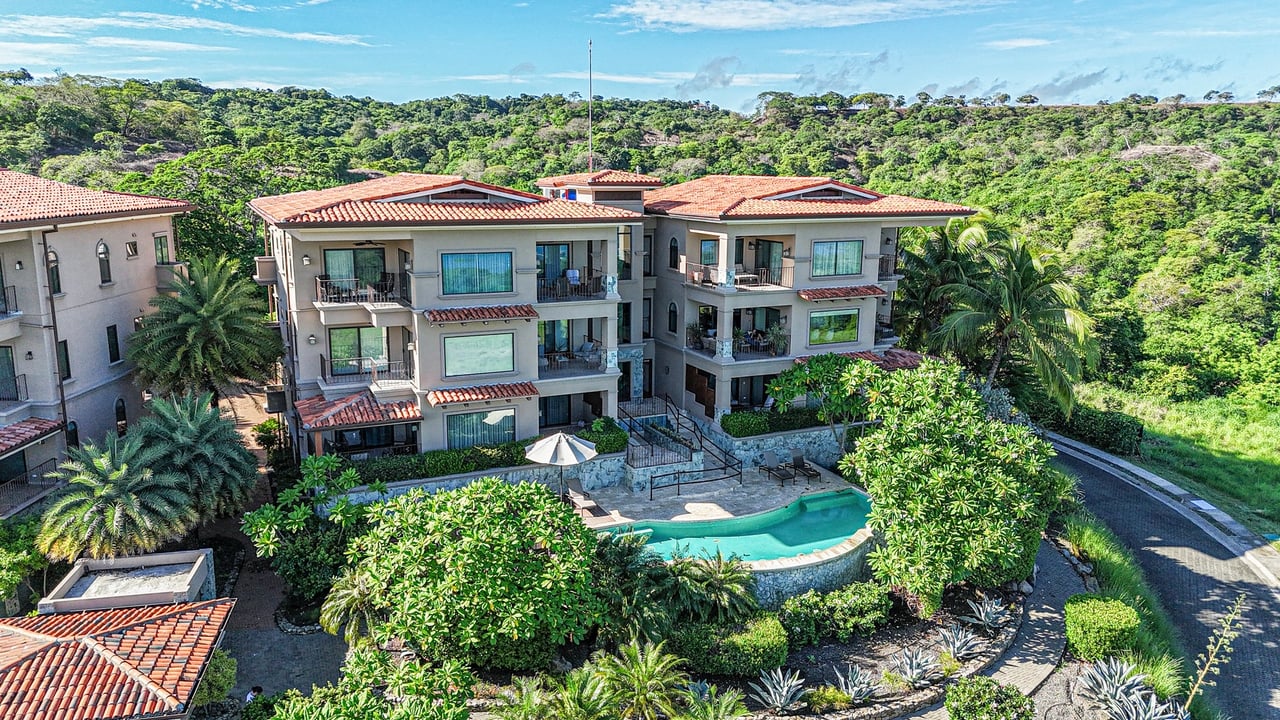
Ocean View Jaguar Village A1, Playa Panama, GU 50508, Costa Rica
For Sale
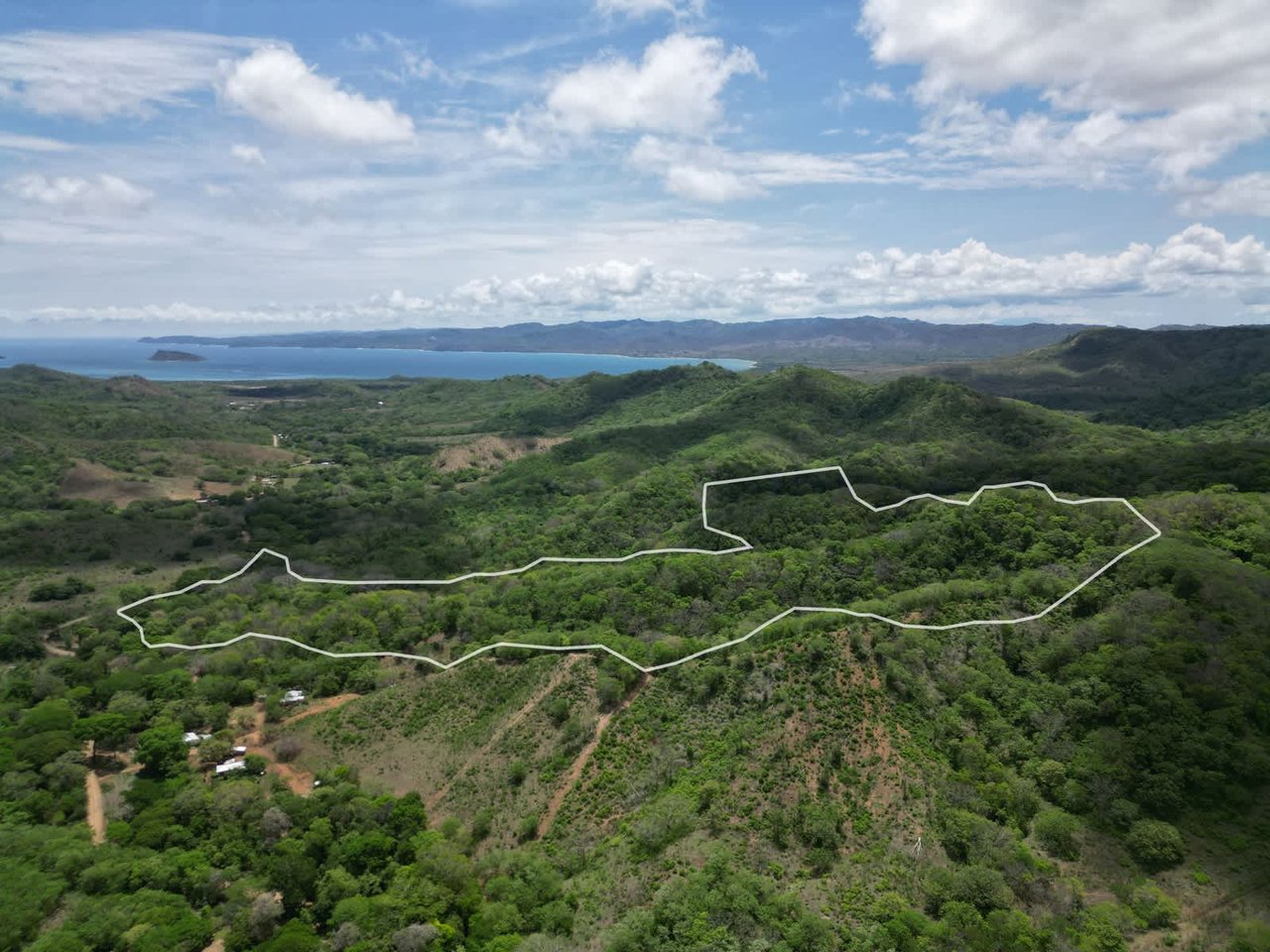
Finca Los Tamarindos, La Cruz, GU 50503, Costa Rica
For Sale
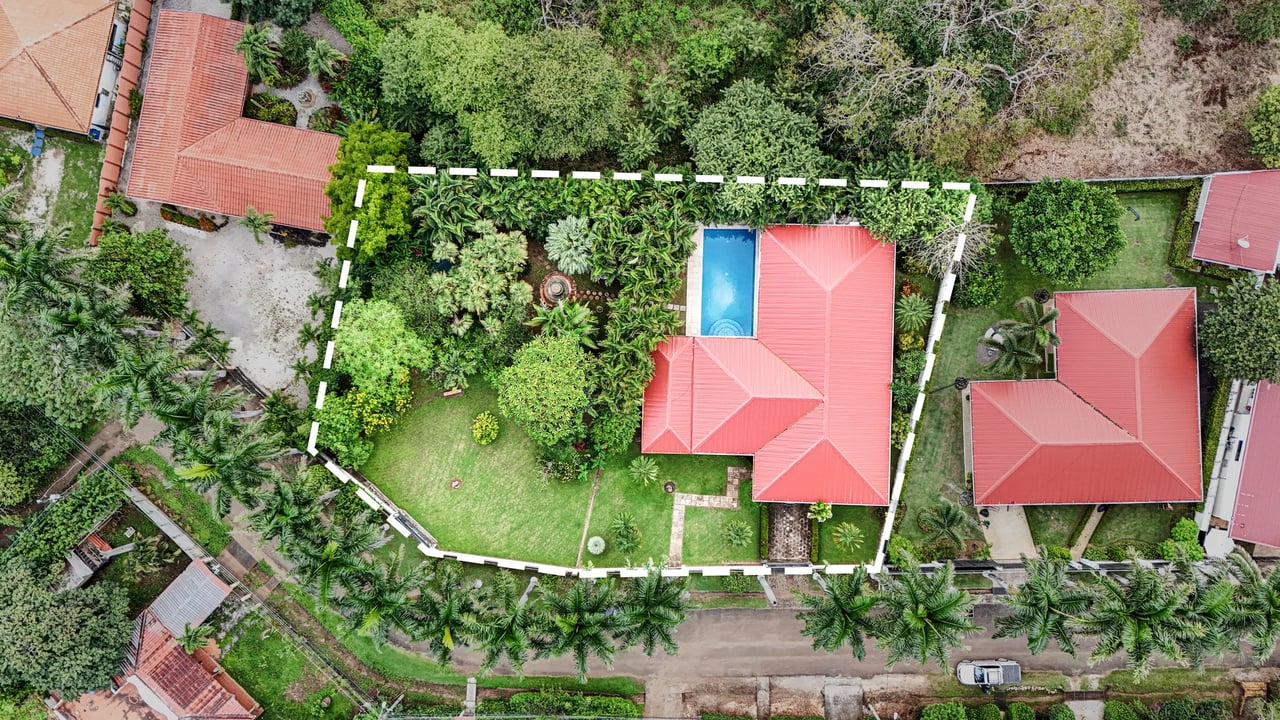
Casa Idea Verde, Playas del Coco, GU 50503, Costa Rica
For Sale
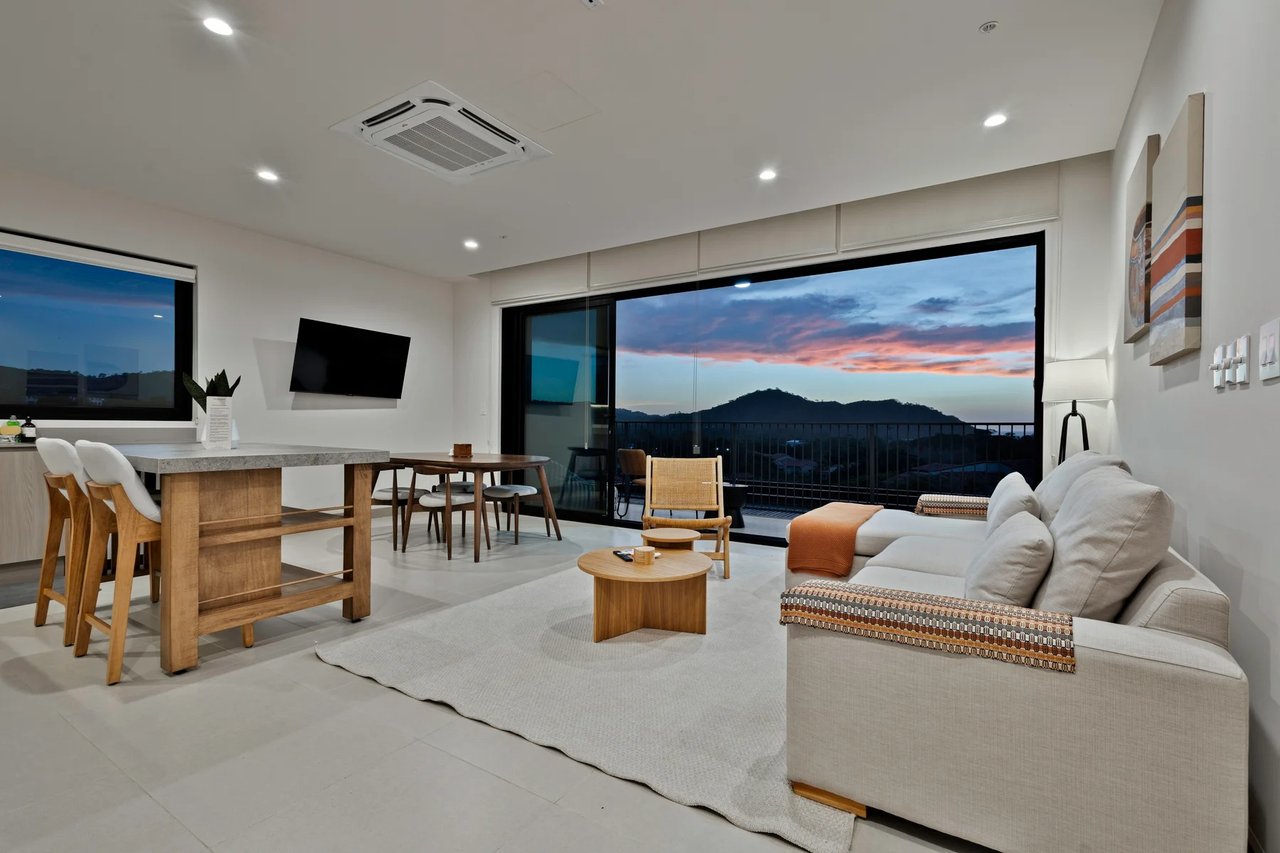
Luxury Ocean View Condo, Unit 522, Pacifico, Playas del Coco, GU 50503, Costa Rica
For Sale
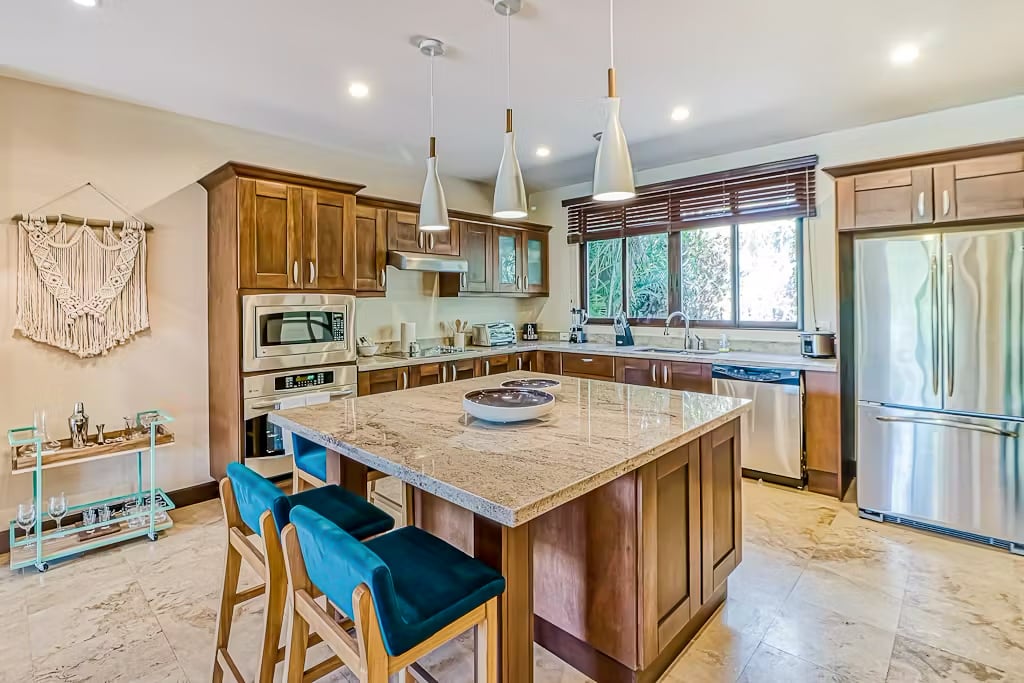
Azul Paraiso 11B, Playa Ocotal, GU 50503, Costa Rica
For Sale
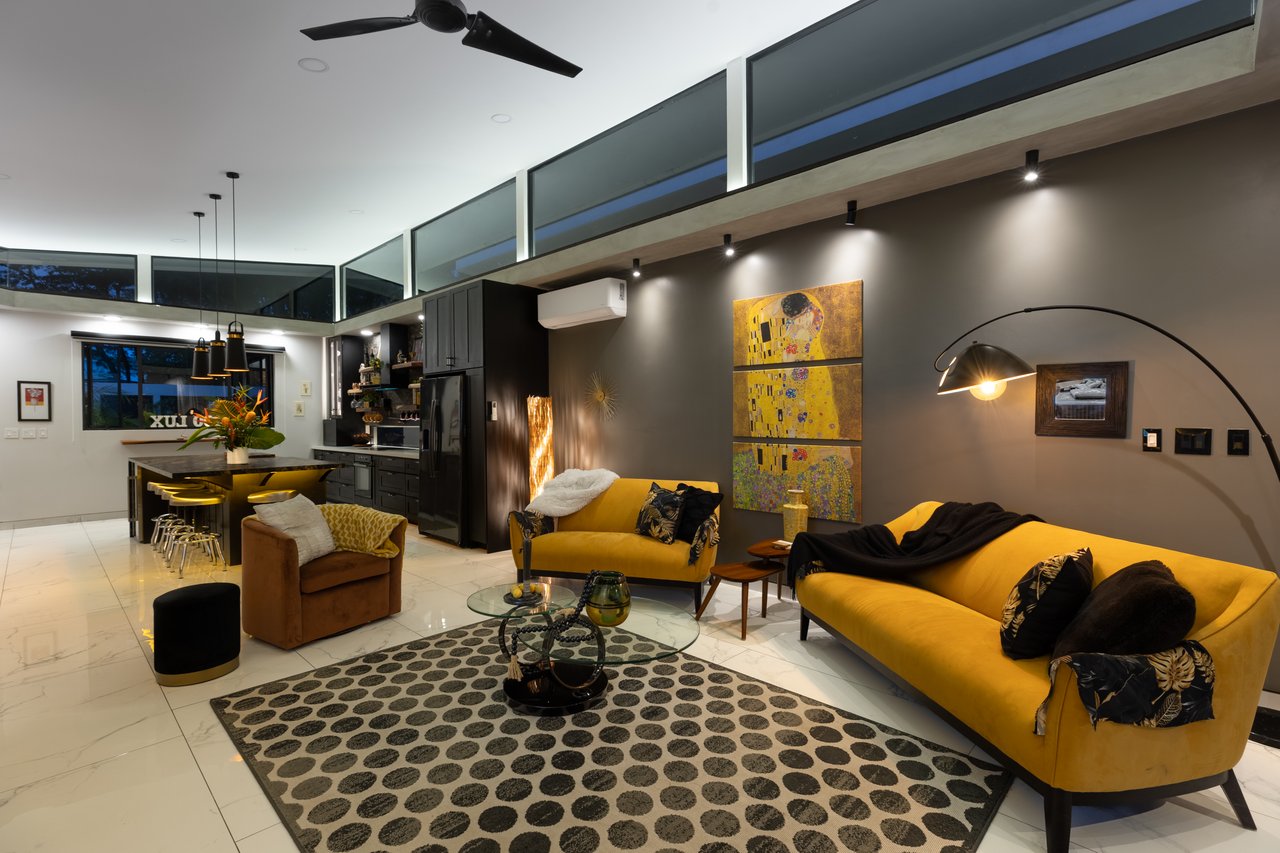
Villa LUX 400, Playas del Coco, GU 50503, Costa Rica
For Sale

Luxury Modern Tropical Home in the Heart of Playas del Coco | Villa LUX 500, Playas del Coco, GU 50503, Costa Rica
Under Contract
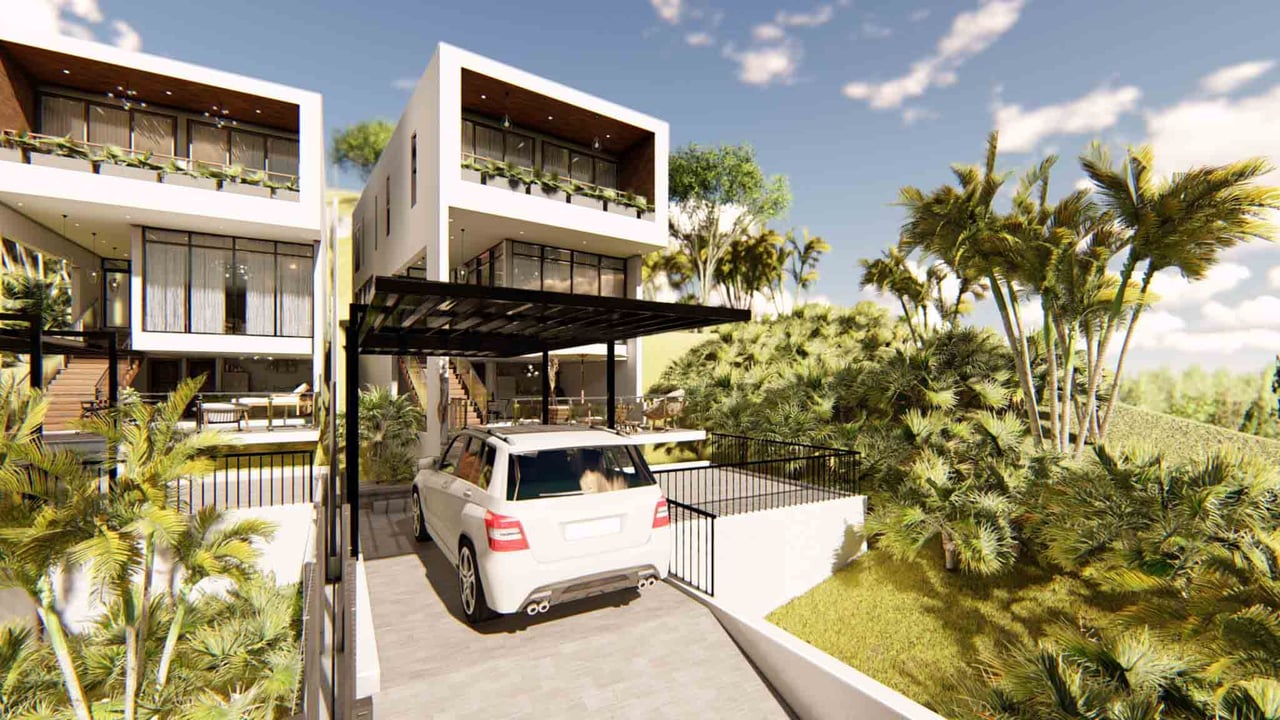
Ocean View TH in Playas del Coco, Playas del Coco, GU 50503, Costa Rica
For Sale

Brand New West Facing Top-Floor Retreat #B408, Azul Paraiso, Playa Ocotal, GU 50503, Costa Rica
For Sale
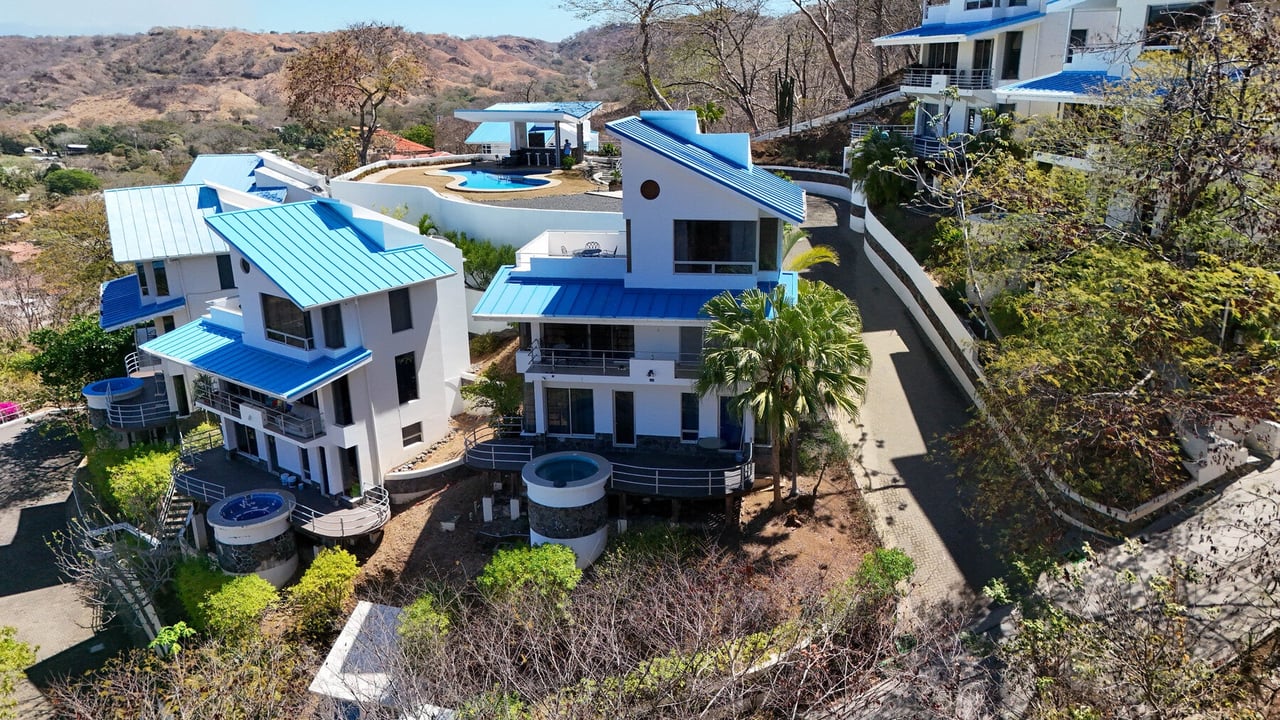
House Of Winds 1, Playas del Coco, GU 50503, Costa Rica
For Sale
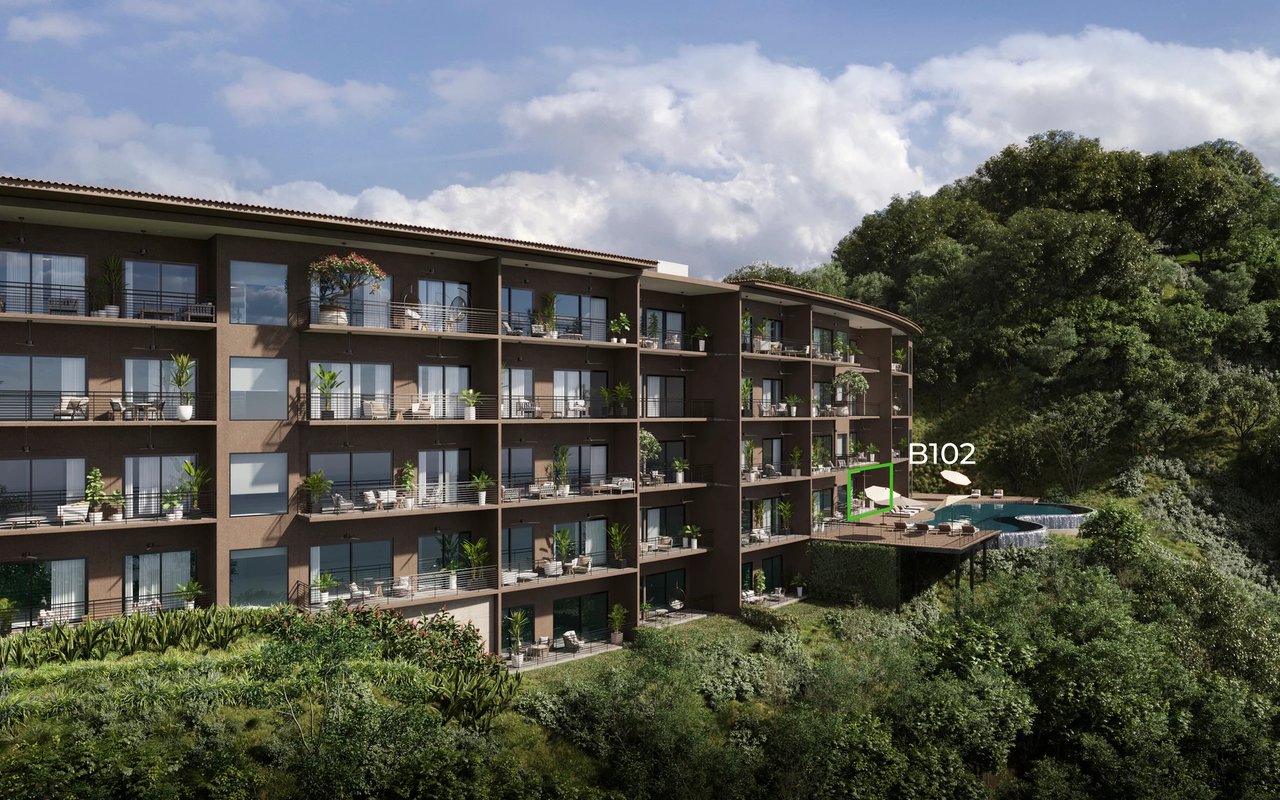
Brand New Pool-Level Oceanfront Condo B102, Azul Paraiso, Playa Ocotal, GU 50503, Costa Rica
For Sale
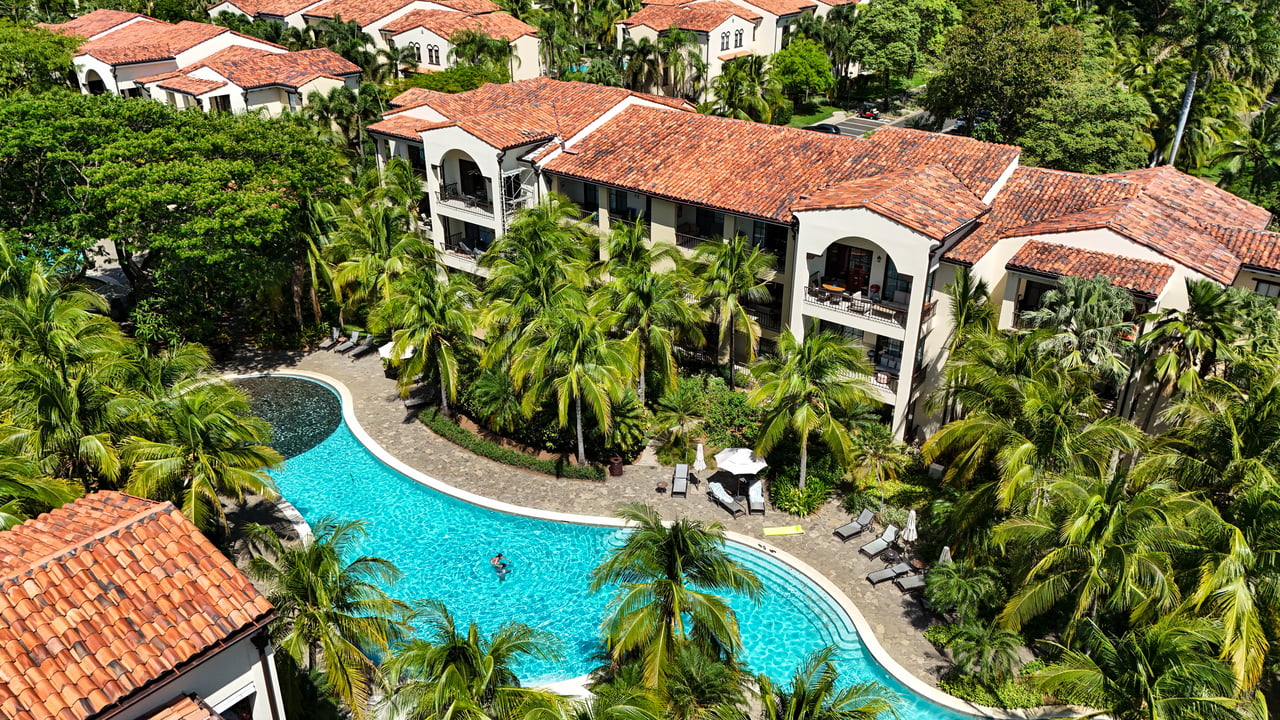
Pacifico L508, Playas del Coco, GU 50503, Costa Rica
For Sale
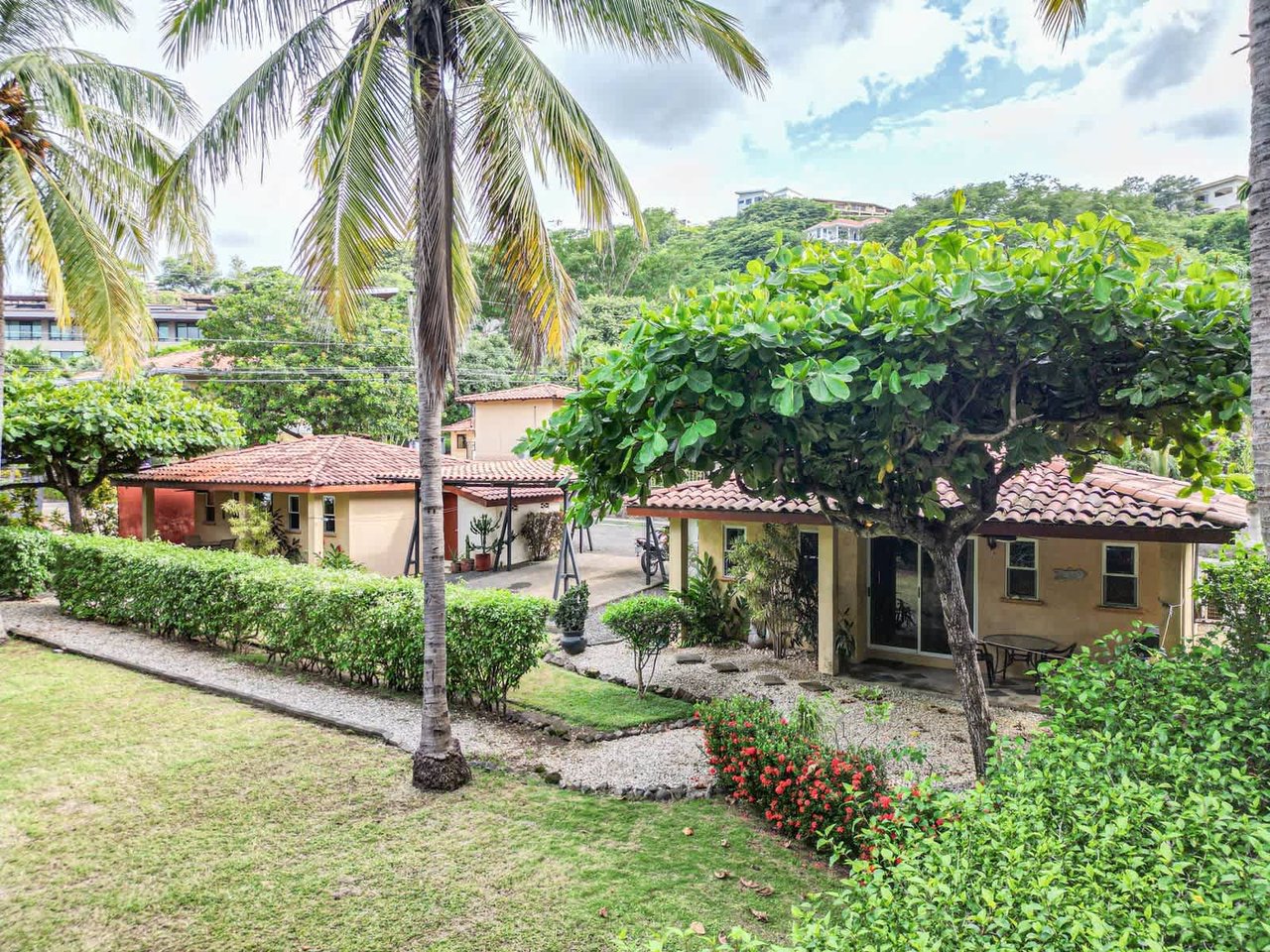
Playa Hermosa Beachside Cozy Cottages, Playa Hermosa, GU 50503, Costa Rica
For Sale
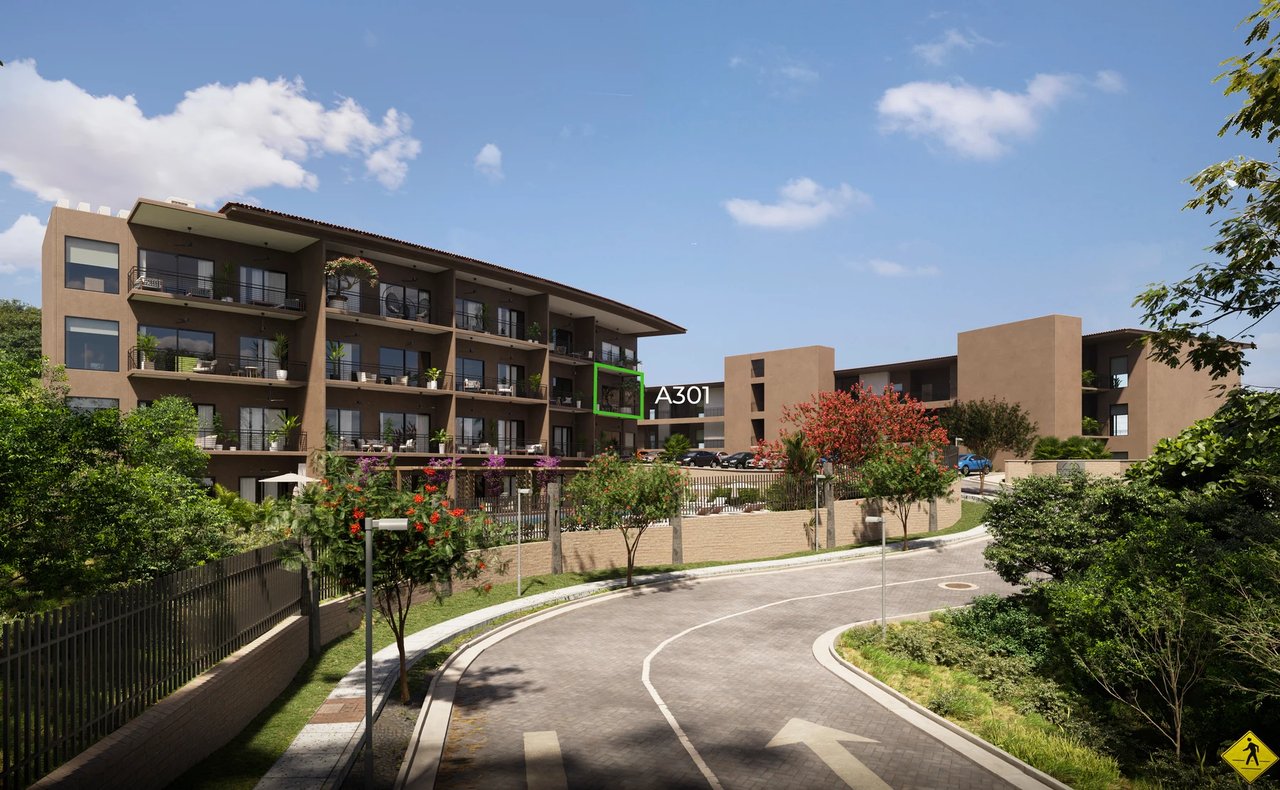
Unit A301 - Type B1, Azul Paraiso, Playa Ocotal, GU 50503, Costa Rica
For Sale
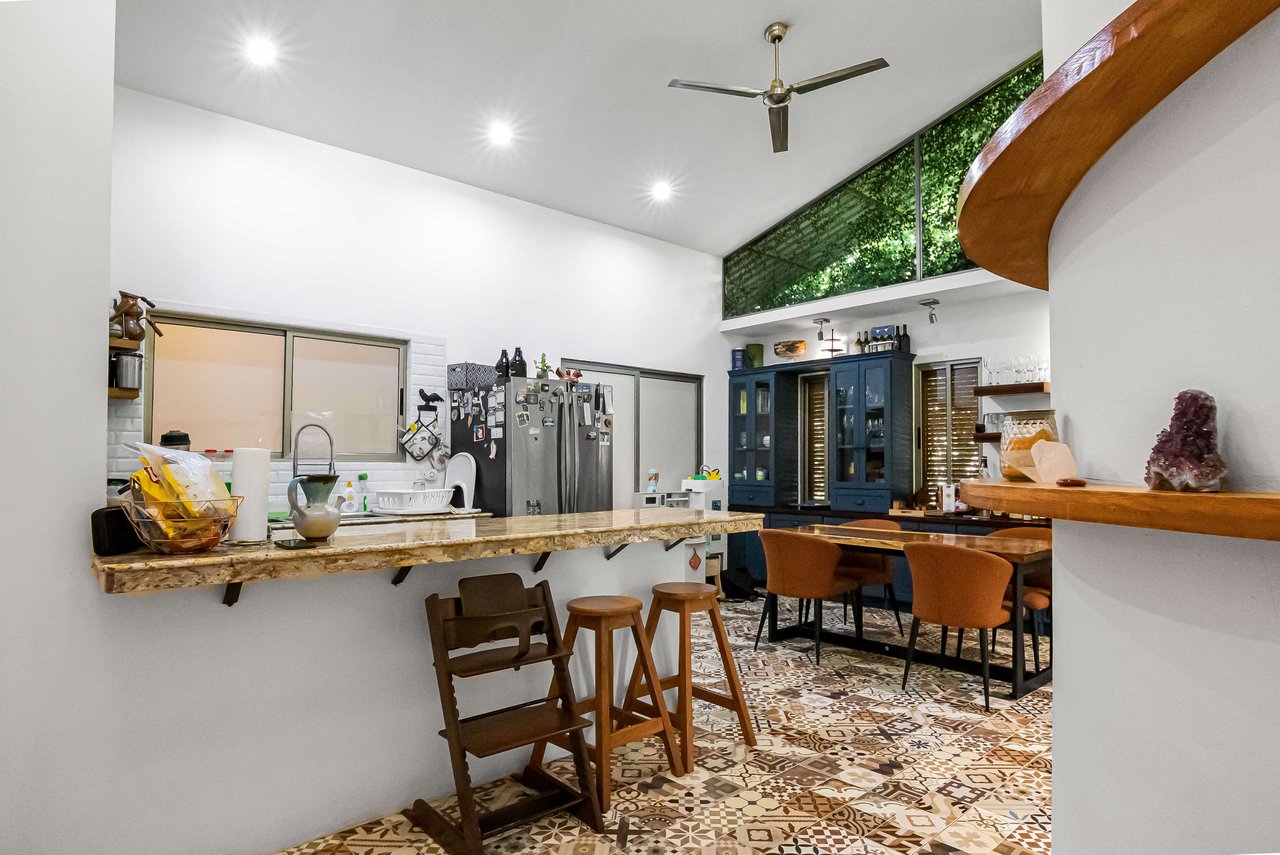
Casa Congos, Casa Congos, Playas del Coco, GU 50503, Costa Rica
For Sale
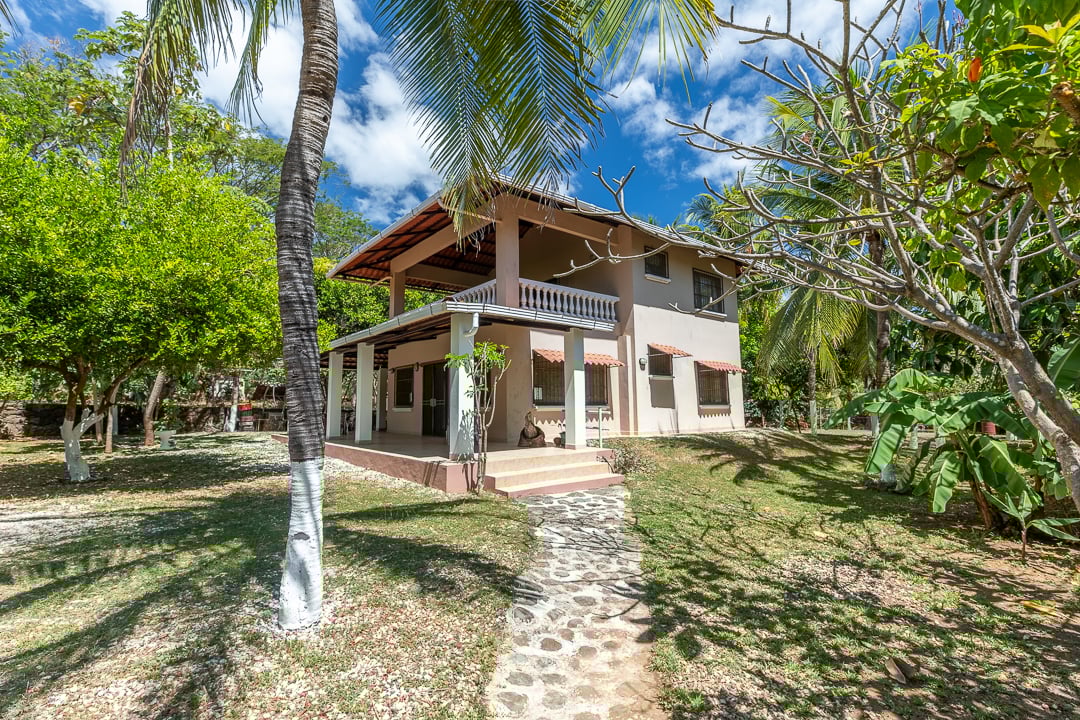
Casa Marlin, Playa Ocotal, GU 50503, Costa Rica
For Sale
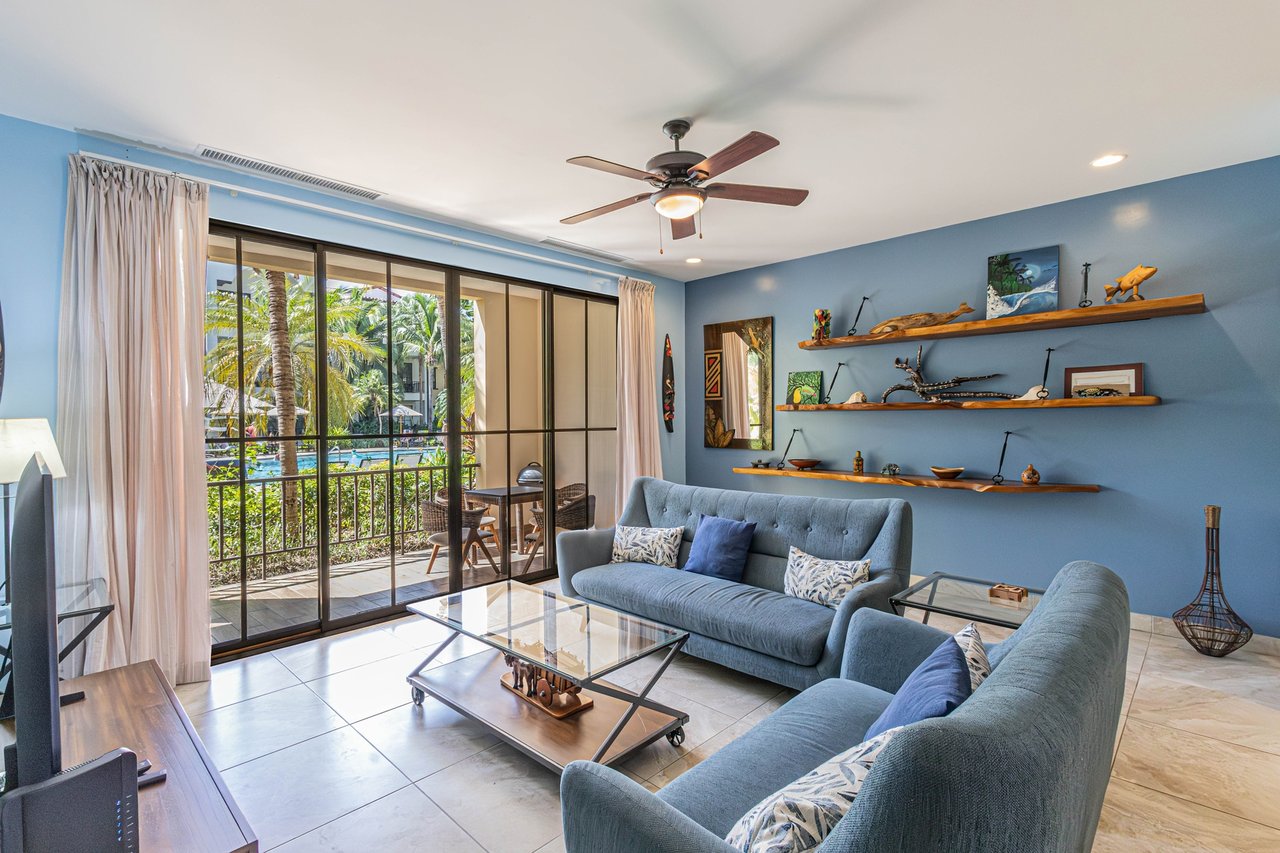
Pacifico L204, Playas del Coco, GU 50503, Costa Rica
For Sale
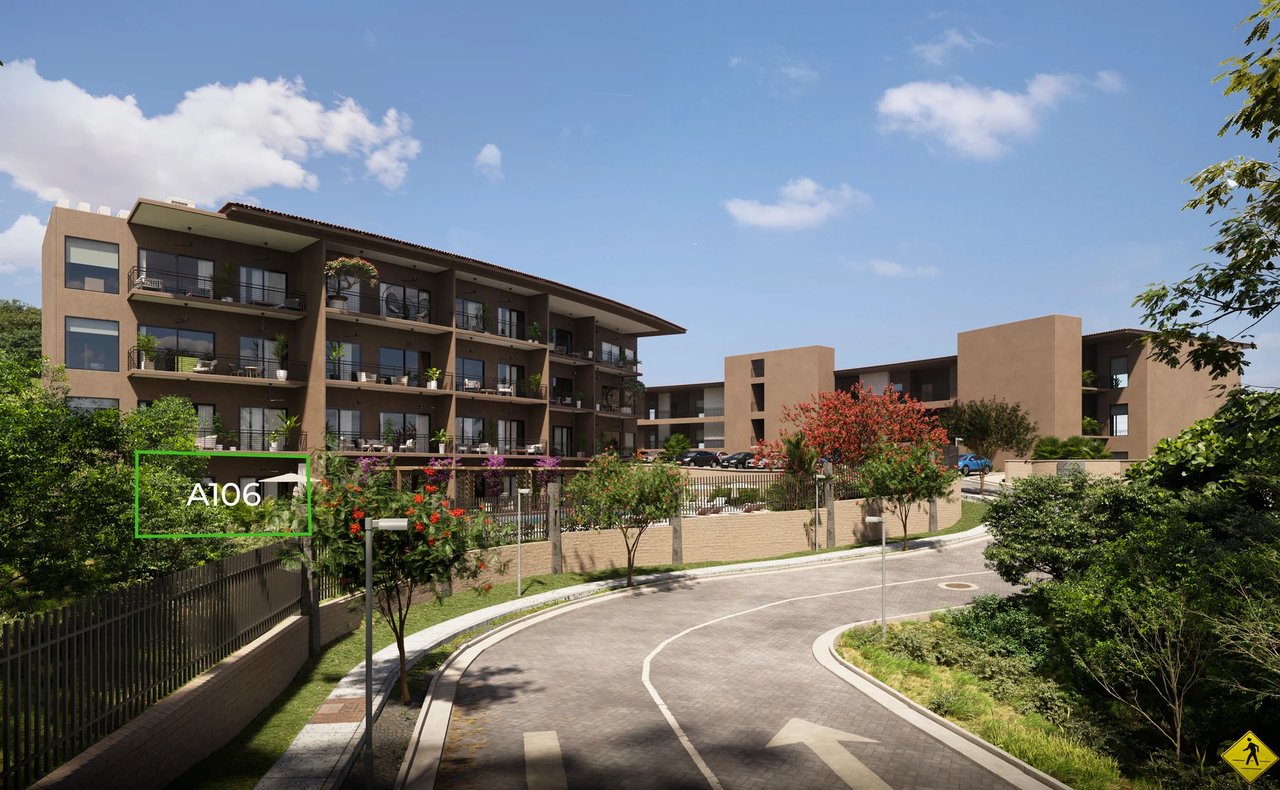
Unit A106 - Type B1, Azul Paraiso, Playa Ocotal, GU 50503, Costa Rica
For Sale
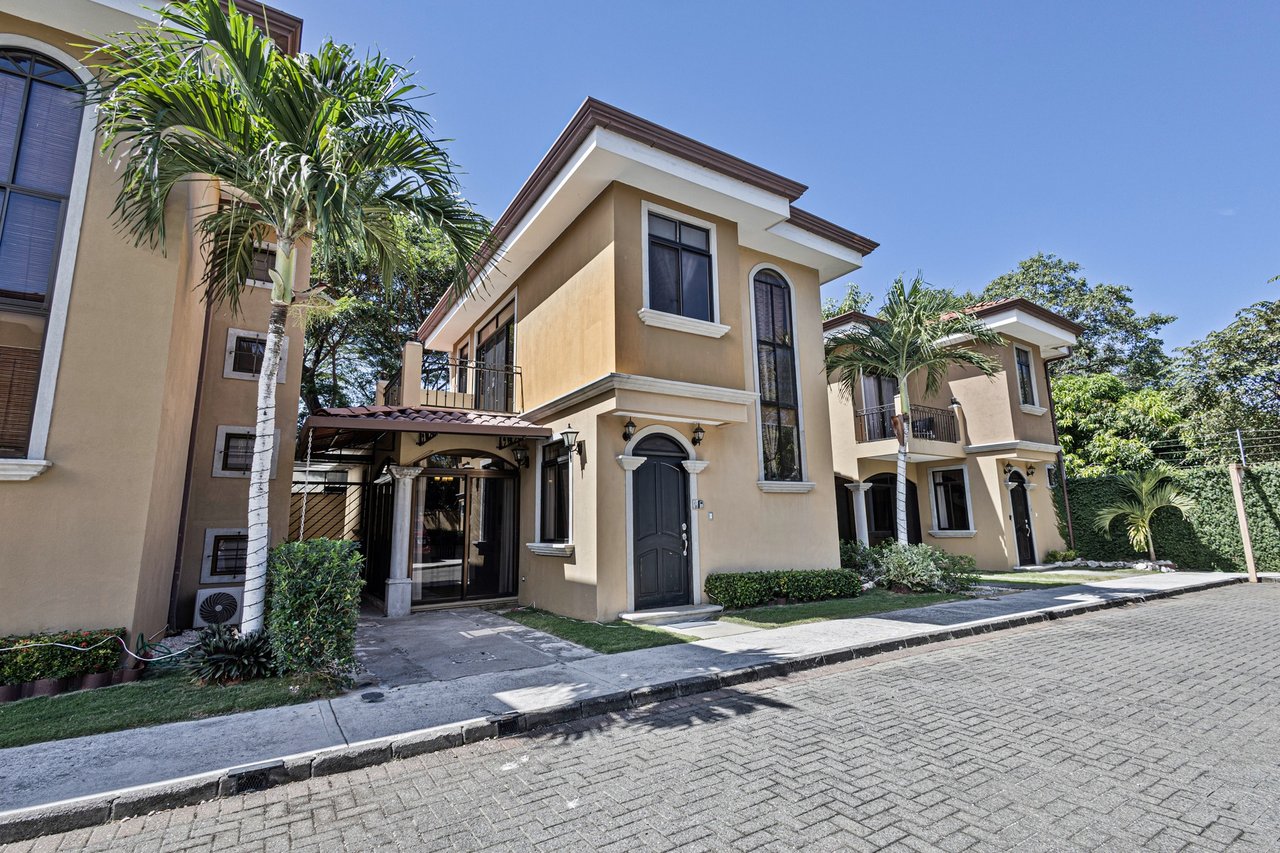
Arrecifes #11, Playas del Coco, GU 50503, Costa Rica
For Sale
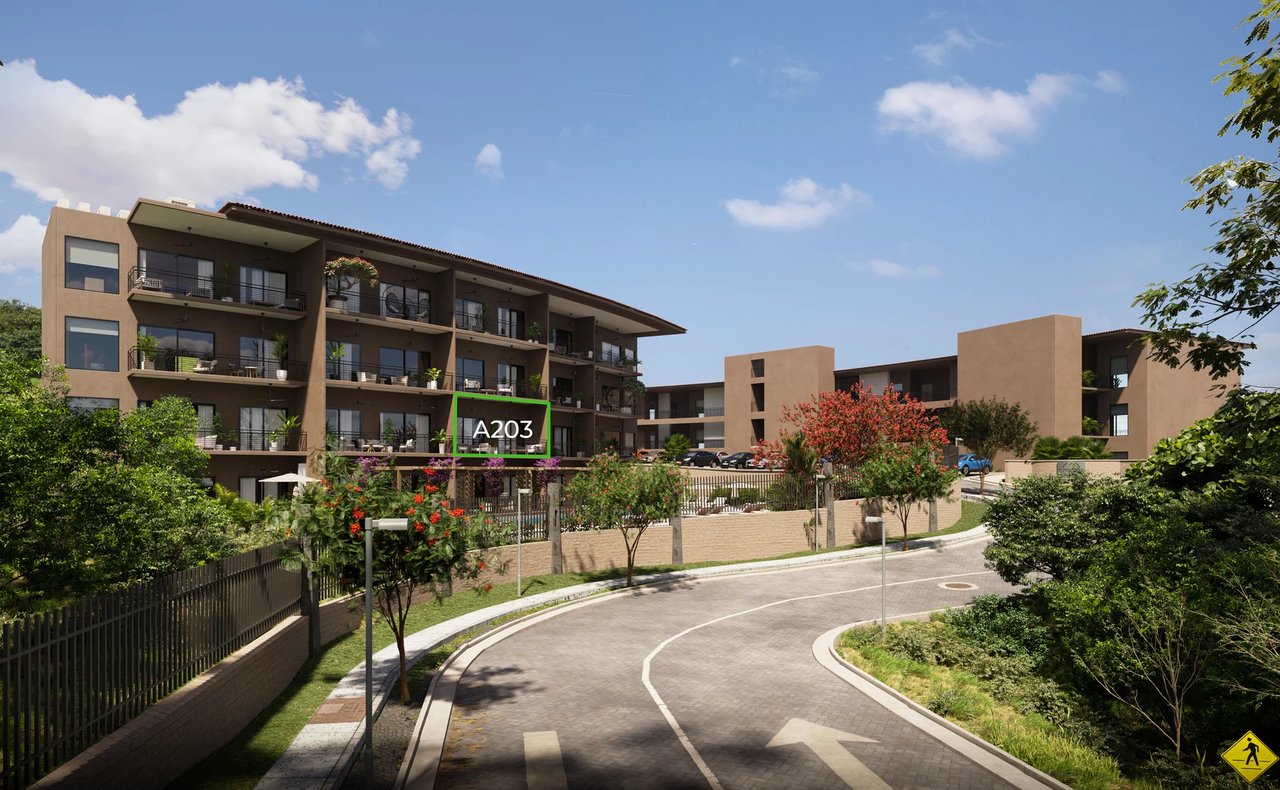
Unit A203 - Type A, Azul Paraiso, Playa Ocotal, GU 50503, Costa Rica
For Sale
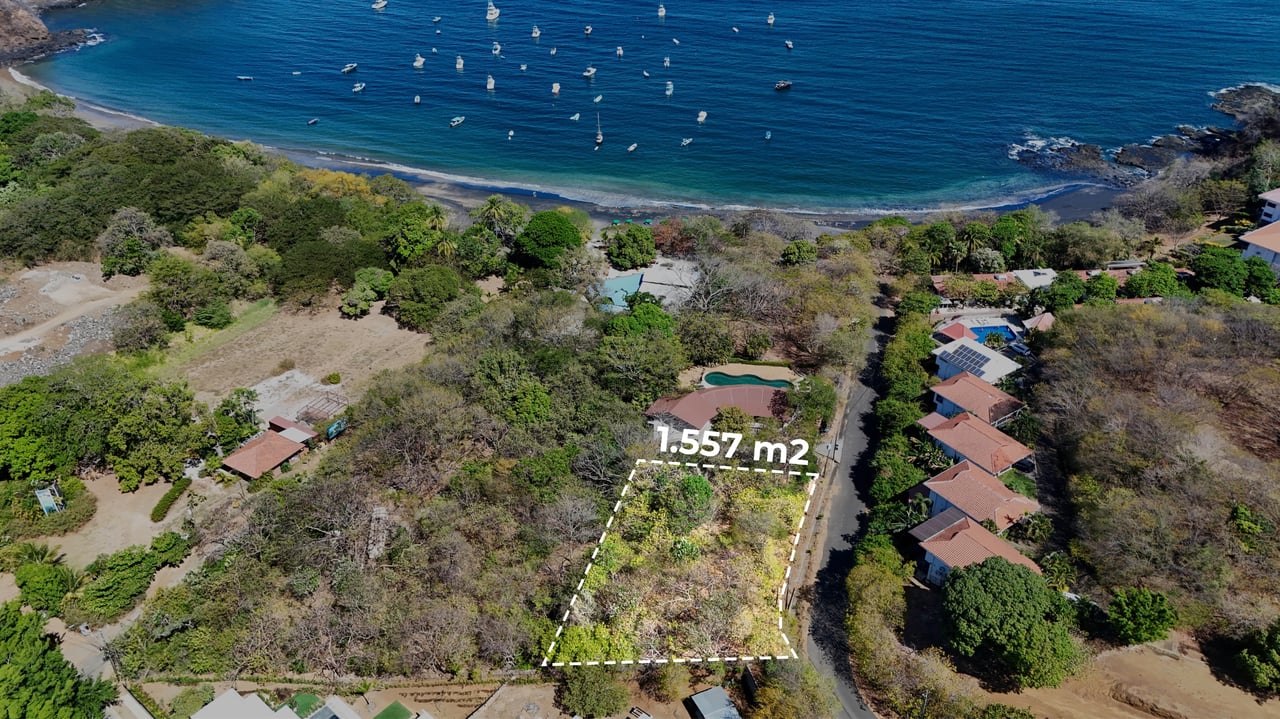
Playa Ocotal Lot, Playa Ocotal, GU 50503, Costa Rica
For Sale
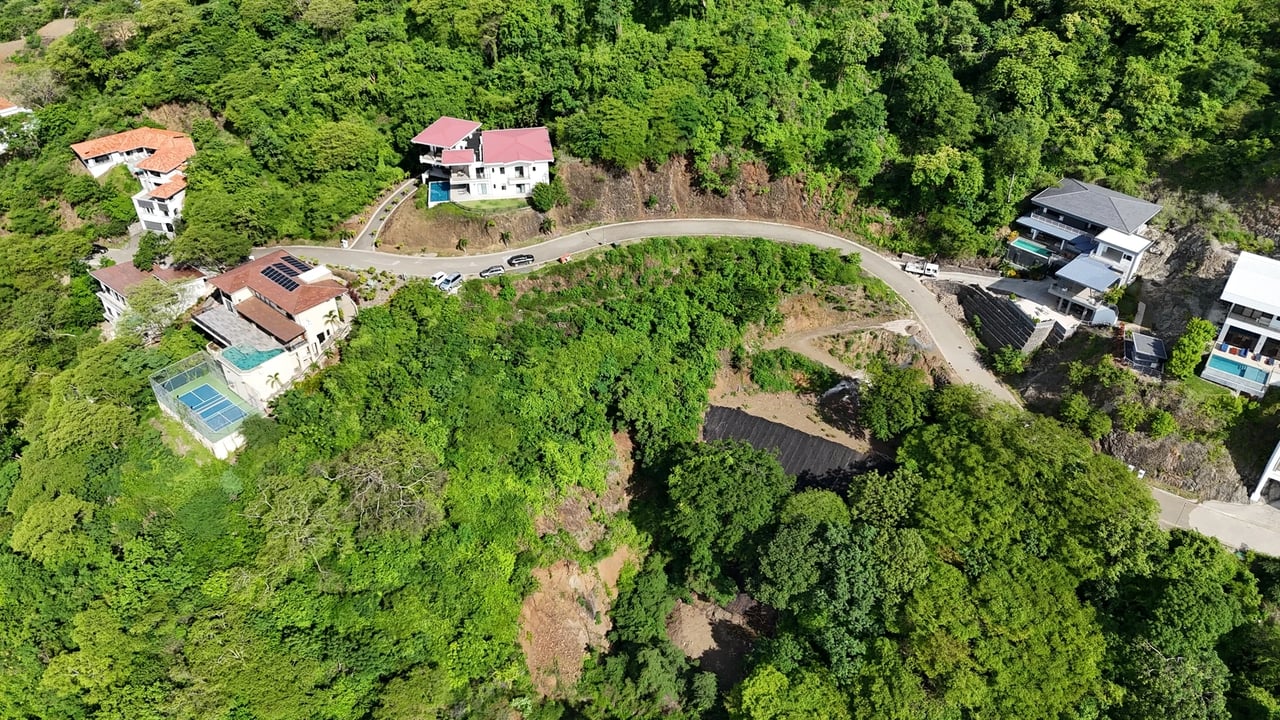
Ocean View Lot #30, Coco Bay, Ocotal, GU 50503, Costa Rica
Stay up to date on the latest trends in real estate.
September 24, 2026
September 17, 2026
September 10, 2026
September 3, 2026
August 27, 2026
August 20, 2026
August 13, 2026
August 6, 2026
August 6, 2026