Daily Life in Playa Ocotal: What Really Fills the Bay
August 20, 2026
August 20, 2026
Playa Ocotal runs about 800 meters end to end, and if you search for a place to eat on the beach itself, you'll find exactly one that matters: Father Rooster. It ranks first of three restaurants Tripadvisor lists for the area, and on most evenings it's doing the work of a dozen places at once, serving a pound-plus rooster burger to residents and tourists sitting side by side on the same deck, no loud music competing with the sunset. For a beach with hillside villas stacked above it and a harbor full of boats below it, that thin a restaurant count looks like a gap. It isn't. Ocotal's calendar was never built around tables. It's built around the water, and once you see what actually fills the bay, the missing restaurant row stops looking like an oversight.
Father Rooster earns its reputation the direct way. Entrees run $25 and up, which is real money for a beach bar, but the setting does the rest of the selling: seating on the sand or the deck, the beach's black volcanic sand and clear water right in front of you, and the kind of quiet where you can hear the waves instead of a speaker. It's the one place on Ocotal proper where locals and visitors mix without anyone performing for the other.
Beyond Father Rooster, the beach itself doesn't offer much. That's not a complaint from residents. It's a ten-minute drive into Playas del Coco for anyone who wants a wider menu, and Coco has been adding to that menu at a pace Ocotal has no interest in matching. In March 2026, KFC opened its 69th Costa Rica location directly in Playas del Coco, a $1.3 million build that created 25 direct jobs and was explicitly framed by the company as a bet on the town's growth as a commercial hub. Ocotal, three kilometers south, watched that kind of investment land next door and stayed exactly the same size. The two beaches sit close enough to share a zip code's worth of dinner options, and far enough apart in character that nobody who lives on Ocotal mistakes it for Coco.
If restaurant count is the wrong way to read how alive a beach is, boat count is the right one. A sheltered bay draws moorings, and moorings tell you who's actually using the water on a given week. Ocotal is a protected departure point for both sport fishing and scuba diving, and that traffic is the beach's real economy.
The dive shops back this up with specifics rather than atmosphere. Scuba Dive Costa Rica, based out of the Los Almendros Condominium complex right on the beach, runs a shore dive site a short swim from their own dock, with a maximum depth of 9 meters and an average around 5, shallow enough that an hour-plus dive is normal even for someone who burns through air fast. Divers on that site regularly spot round rays, southern stingrays, octopus, lobster, pufferfish, crabs, wrasse, and angelfish without ever boating out. For a deeper trip, boats head to Catalina Island or the Bat Islands, both visible from the black sand if you know where to look, where the sightings shift toward bull sharks, manta rays, and eagle rays.
On the fishing side, the names are just as specific. Tuna Fish Sportfishing operates under Captain Nelson Mendez, who grew up fishing this exact stretch of the Gulf of Papagayo. Sea Star CR is run by a local fishing family under Captain Moses, working the same protected water. Between the two operations and a handful of smaller outfits, Ocotal's harbor stays busier than its restaurant scene ever needed to be.
Ask a longtime Ocotal resident when the year's high season is and you'll get an answer that has nothing to do with holidays or hotel rates. It has to do with which fish is running.
Roosterfish are the constant. Trophies in the 40 to 60 pound range get caught just minutes from shore essentially year round, which is part of why Ocotal has a reputation among anglers well beyond Guanacaste. Layered on top of that baseline are two distinct windows that reorganize the harbor's rhythm:
Yellowfin tuna, wahoo, and mahi-mahi fill in year round regardless of which billfish is peaking. The practical effect is that Ocotal has two fishing high seasons a year instead of one tourist high season, and residents plan boat time around that split calendar the same way someone elsewhere might plan around holiday weekends.
Stand at the rocky south end of Ocotal at low tide and you can see another beach to the north: Playa Gringo, softer sand, clearer water, and almost nobody on it. Getting there is the catch. The access road runs off the Coco-Ocotal road near the CalaSol entrance, past what looks like an abandoned condo project, and it has deteriorated badly enough that a dirt bike handles it better than a car or a road motorcycle. The five-minute drive it should be turns into a hike for most people, which is exactly why the beach stays empty.
That kind of detail, the specific turn near CalaSol, the Super Compro supermarket as the reliable landmark for finding the main Ocotal turnoff, the condo developments like Coco Bay Estates and Serena Suites that mark the route out of Coco, is the sort of thing you only know if you've actually driven it more than once. It's also why Ocotal's low restaurant count reads differently once you've made that drive. This isn't a beach that's missing amenities. It's a beach that's arranged itself around water access, boat traffic, and one very good bar, with a second beach held in reserve for anyone willing to work for it.
A three-restaurant beach with a harbor full of moored boats, two annual fish runs instead of one tourist season, and a hidden second beach around the point isn't underbuilt. It's running exactly the way a sheltered, Blue Flag-rated bay is supposed to run: quietly, on the water's schedule rather than a kitchen's.
For anyone who already calls this stretch of coast home and wants to know first when a rare property here, hillside or beachfront, comes up before it reaches a wider market, 2 Costa Rica Papagayo keeps a short list of Ocotal-specific alerts. Receive exclusive off-market listings the moment they're available.
Explore our exclusive listings.
For Sale
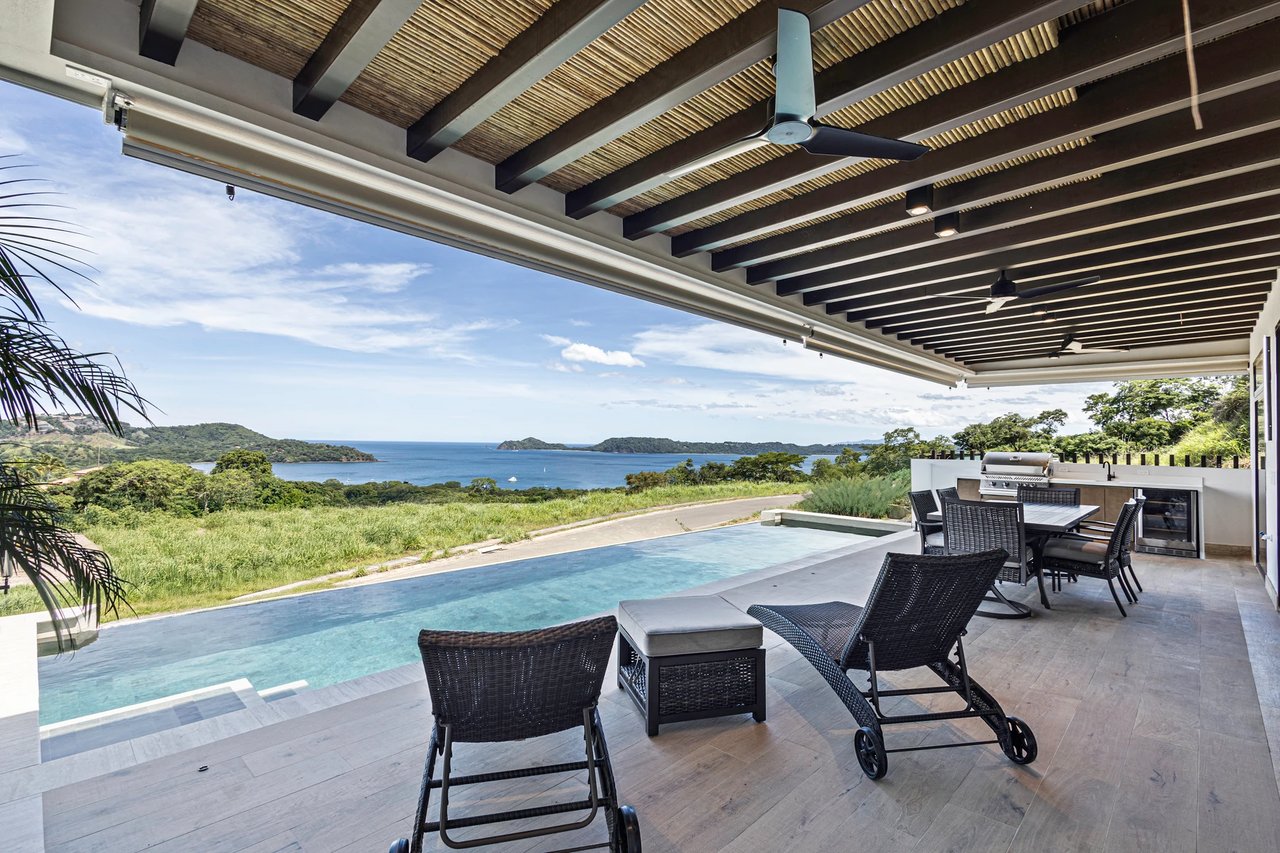
Casa Del Ray, Lot 12B, Hacienda Del Mar, Playa Panama, GU 50503, Costa Rica
For Sale
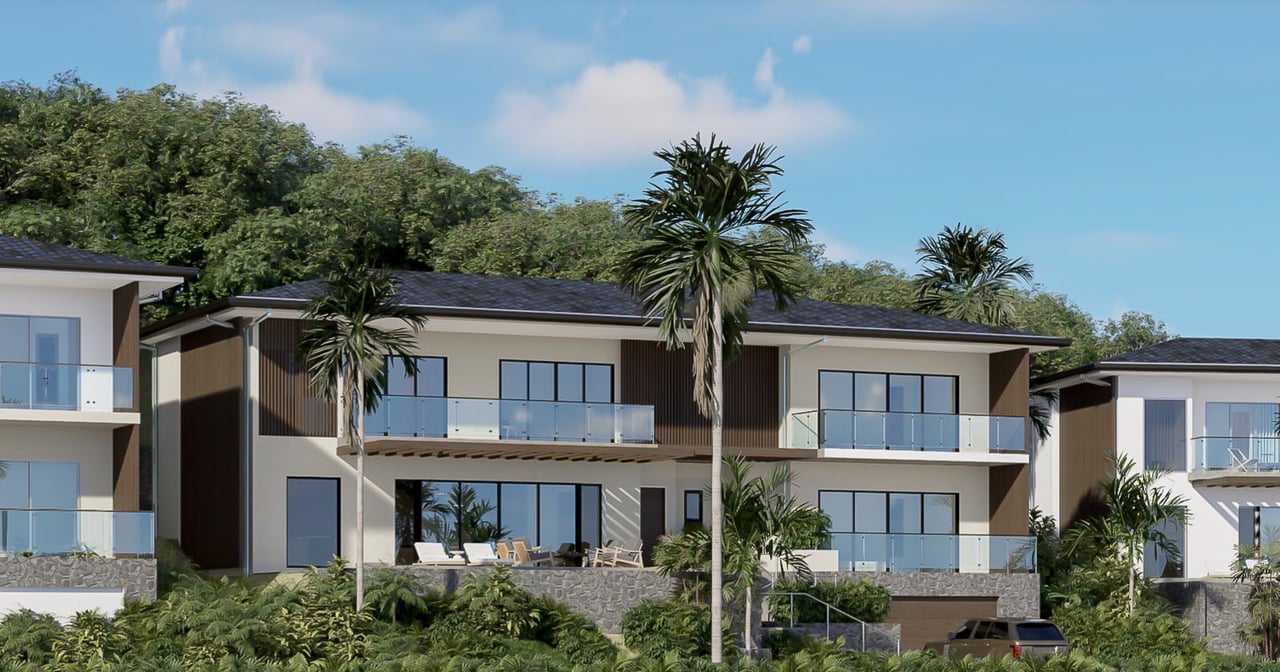
Lot 12B, Hacienda Del Mar, Playa Panama, GU 50503, Costa Rica
For Sale
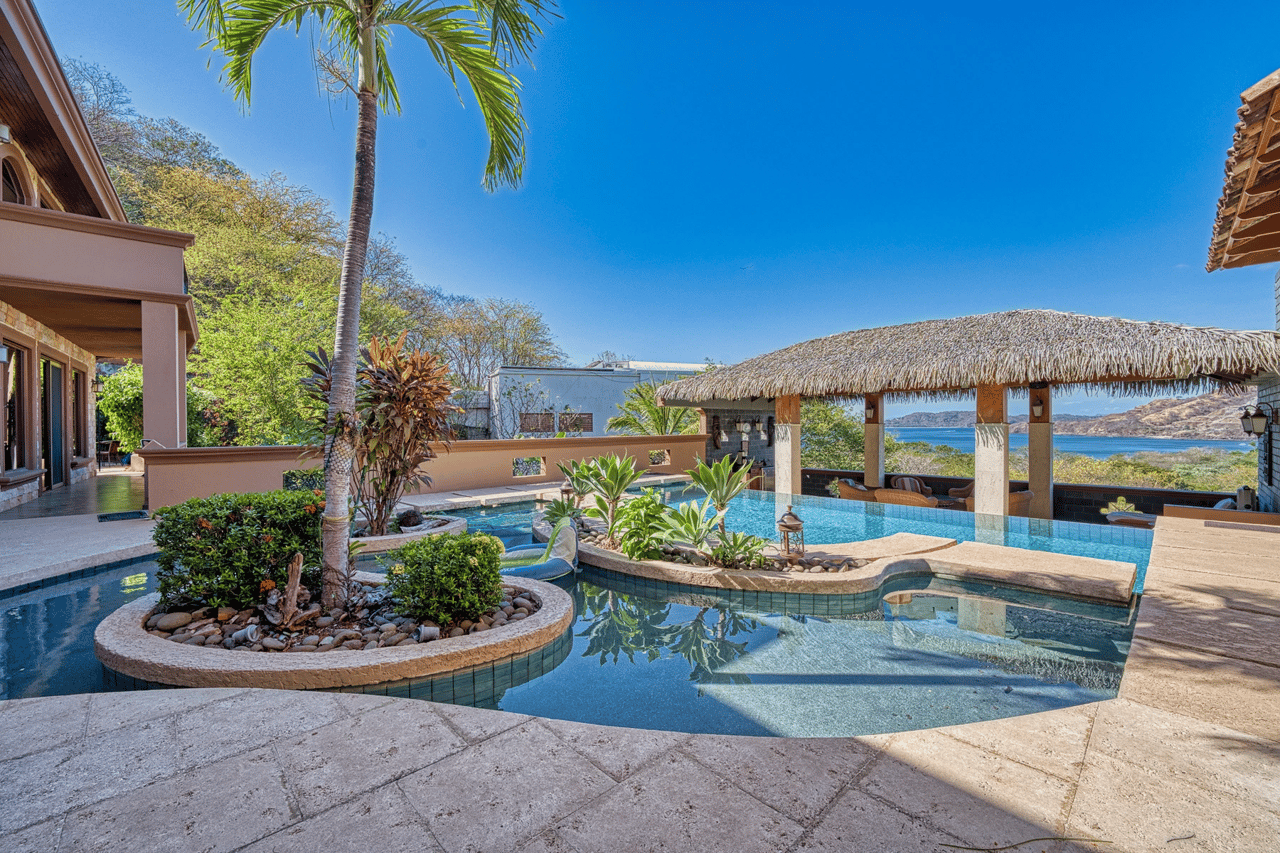
Ocean View Hermosa Montaña, Playa Hermosa, GU 50503, Costa Rica
For Sale
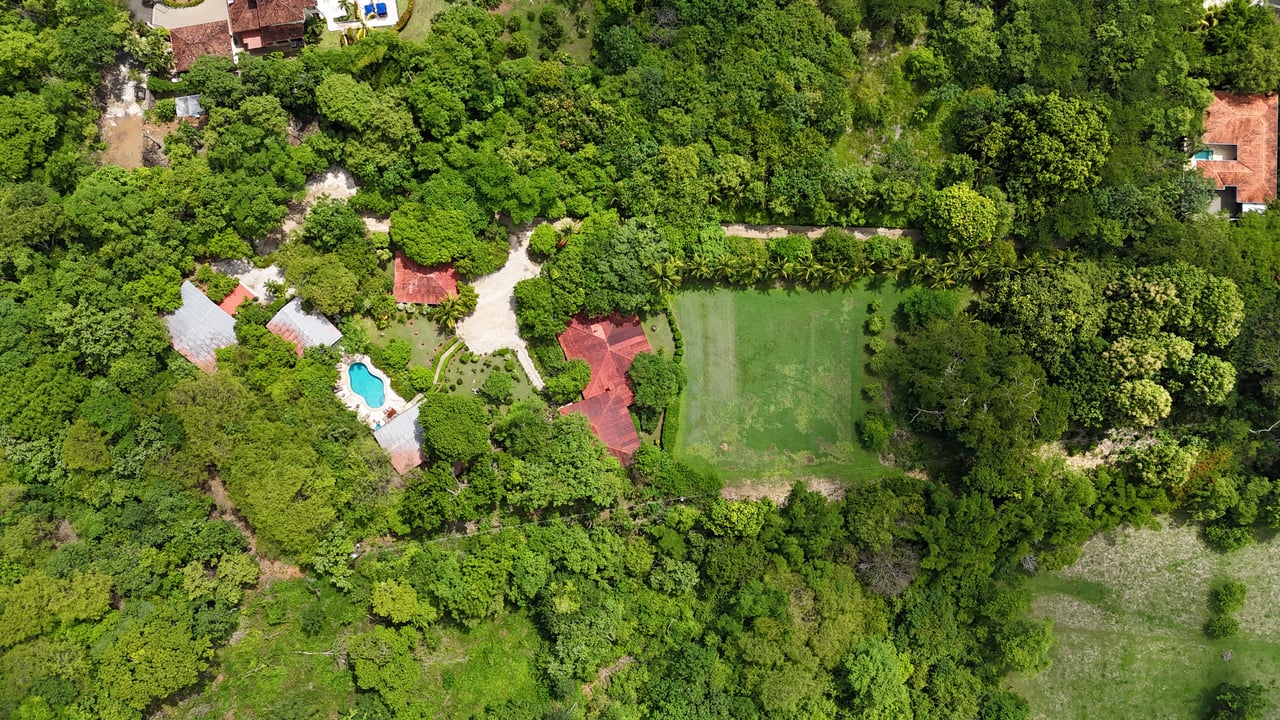
Rancho Armadillo, Monte Seco, Ocean Views, Playas del Coco, GU 50503, Costa Rica
For Sale
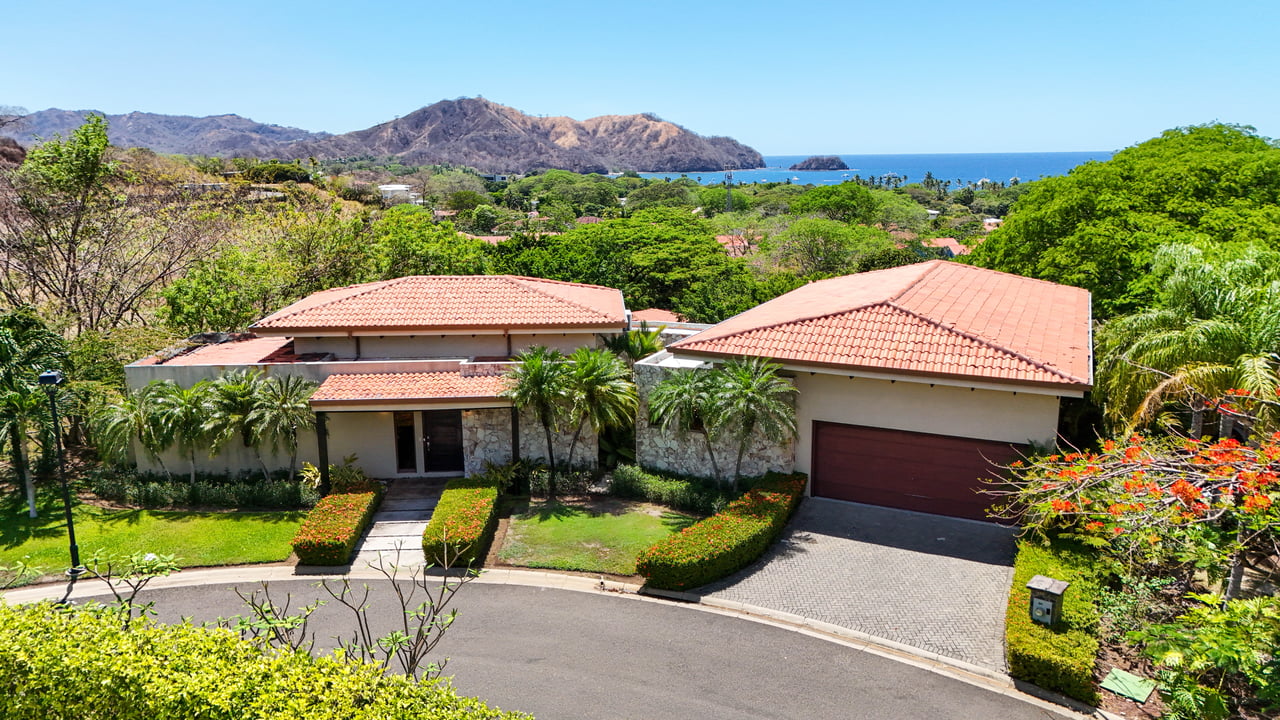
Ocean View Villa 80, Pacifico, Playas del Coco, GU 50503, Costa Rica
For Sale
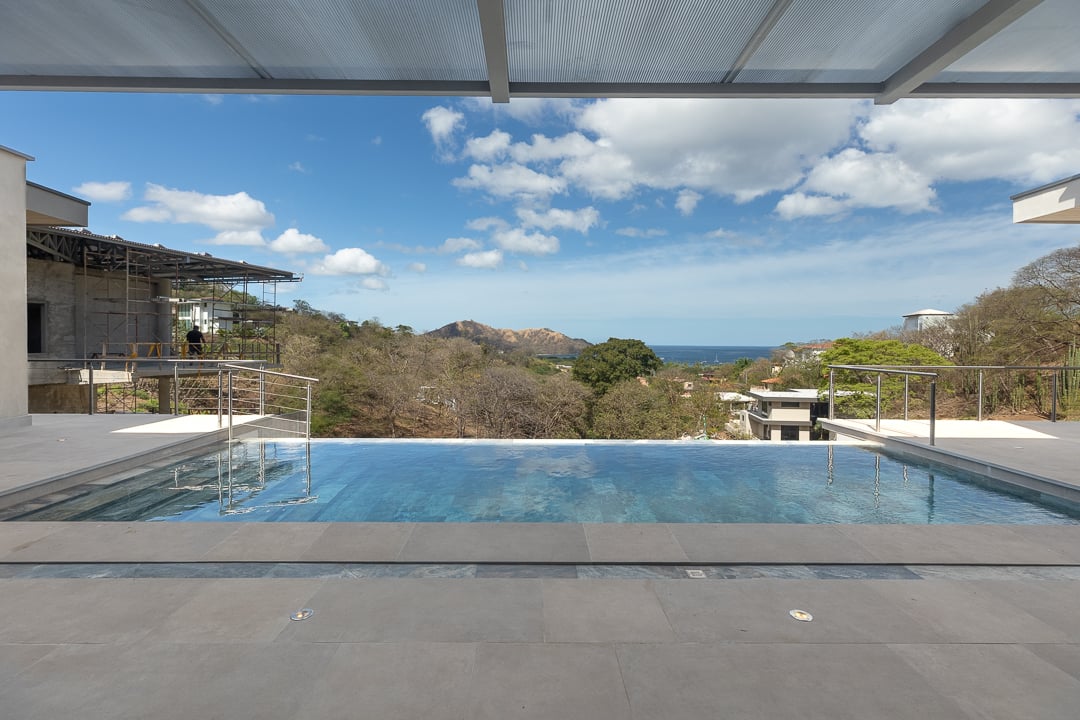
Oceanview Home, Lot 42, Pacifico, Playas del Coco, GU 50503, Costa Rica
For Sale
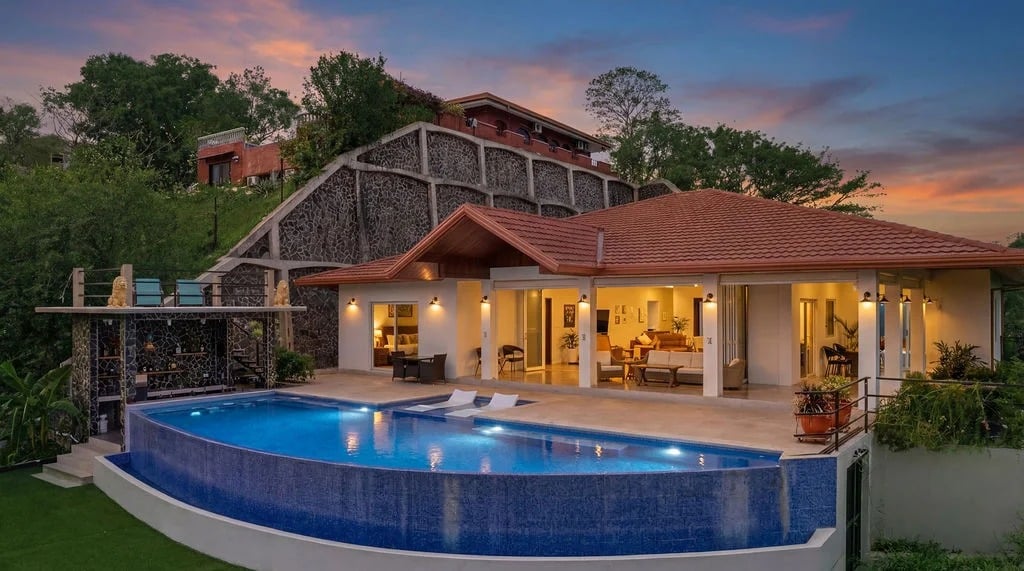
Ocean View Villa Isabella, Clara Hermosa 4, Playas del Coco, GU 50503, Costa Rica
For Sale
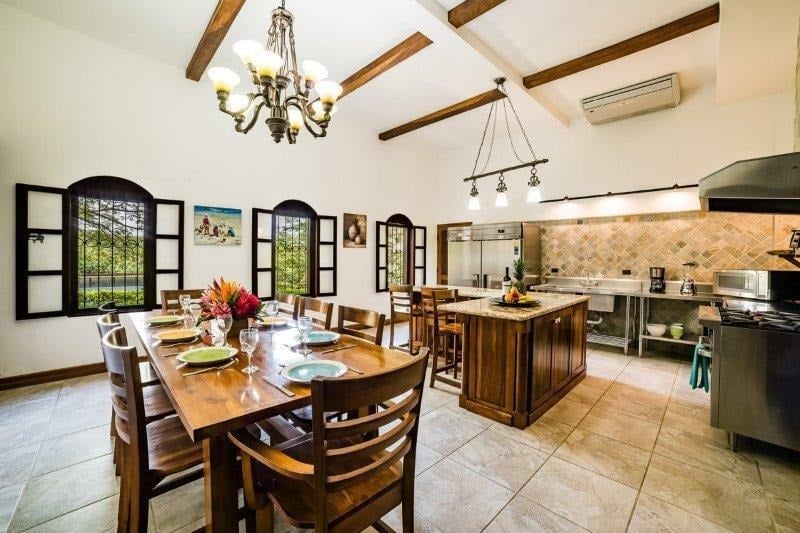
Casa Toscana, Lot 134, Pacifico, Playas del Coco, GU 50503, Costa Rica
For Sale
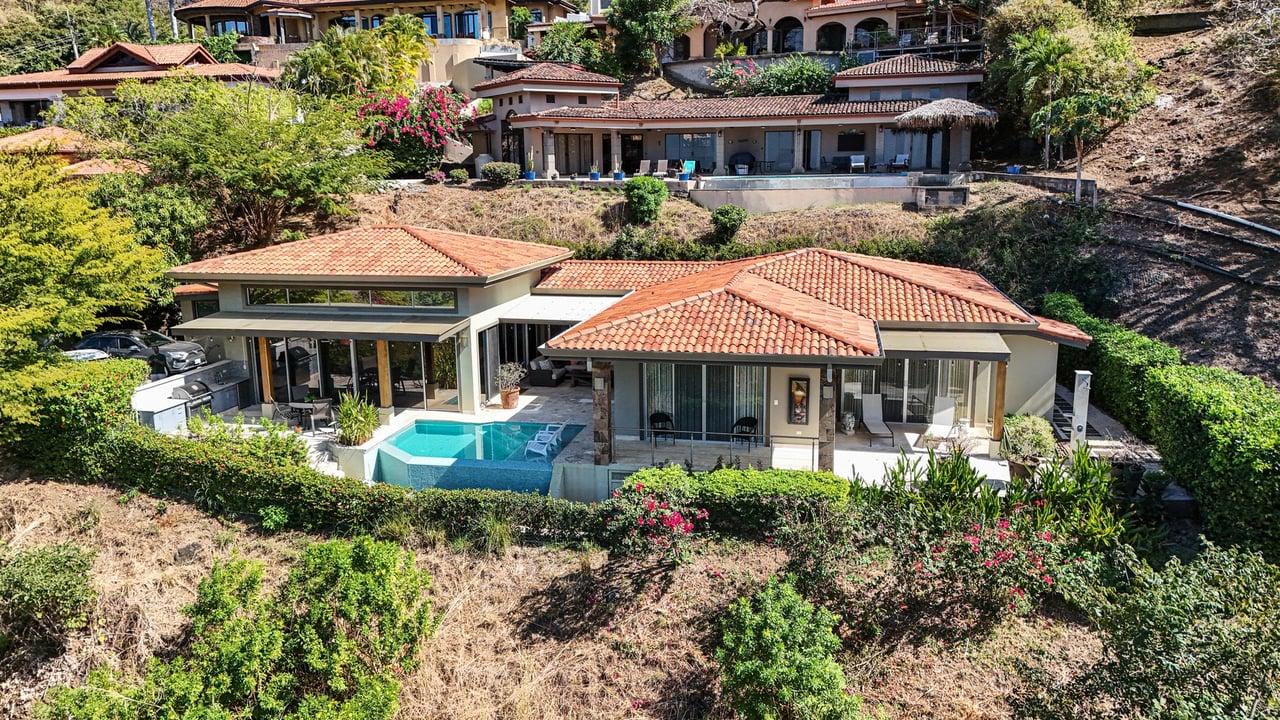
Ocean View Casa De Encanto, Hermosa Heights, Playa Hermosa, GU 50503, Costa Rica
For Sale
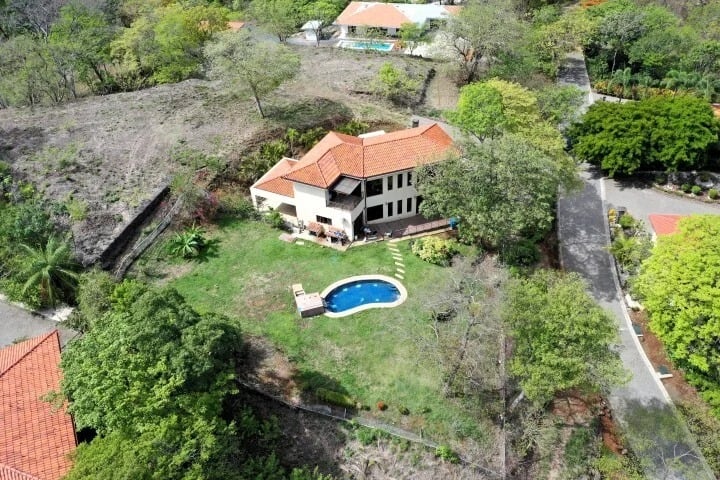
Ocean View Villa #25, Monte Vista, Ladera del Mar, Playas del Coco, GU 50503, Costa Rica
For Sale
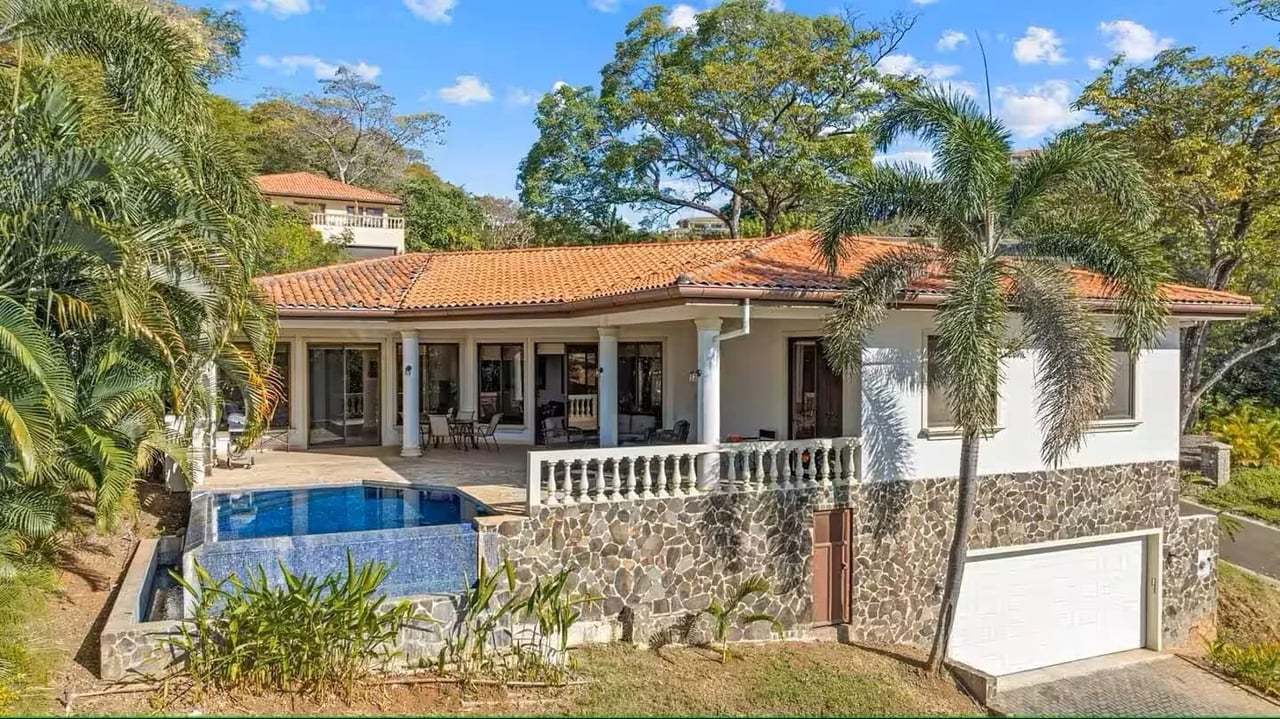
Casa Serena, Lot 89, Pacifico, Playas del Coco, GU 50503, Costa Rica
For Sale
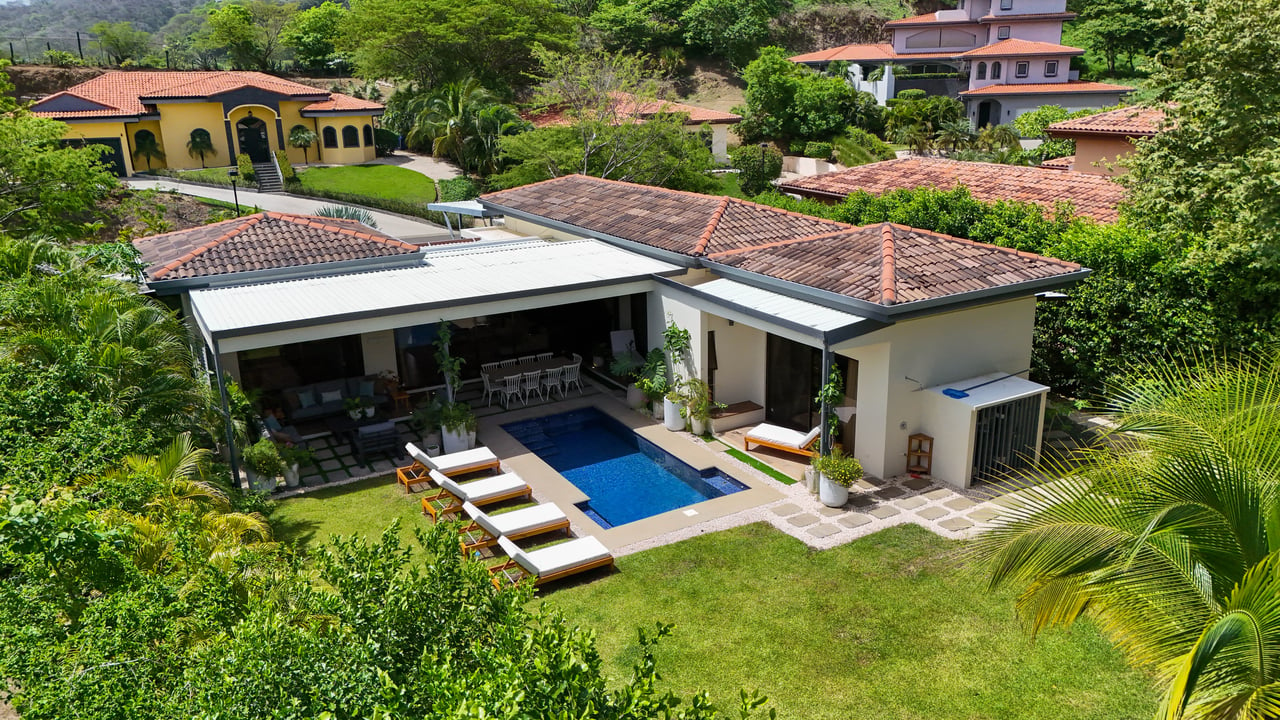
Casa Sanctuary, Pacifico, Playas del Coco, GU 50503, Costa Rica
For Sale
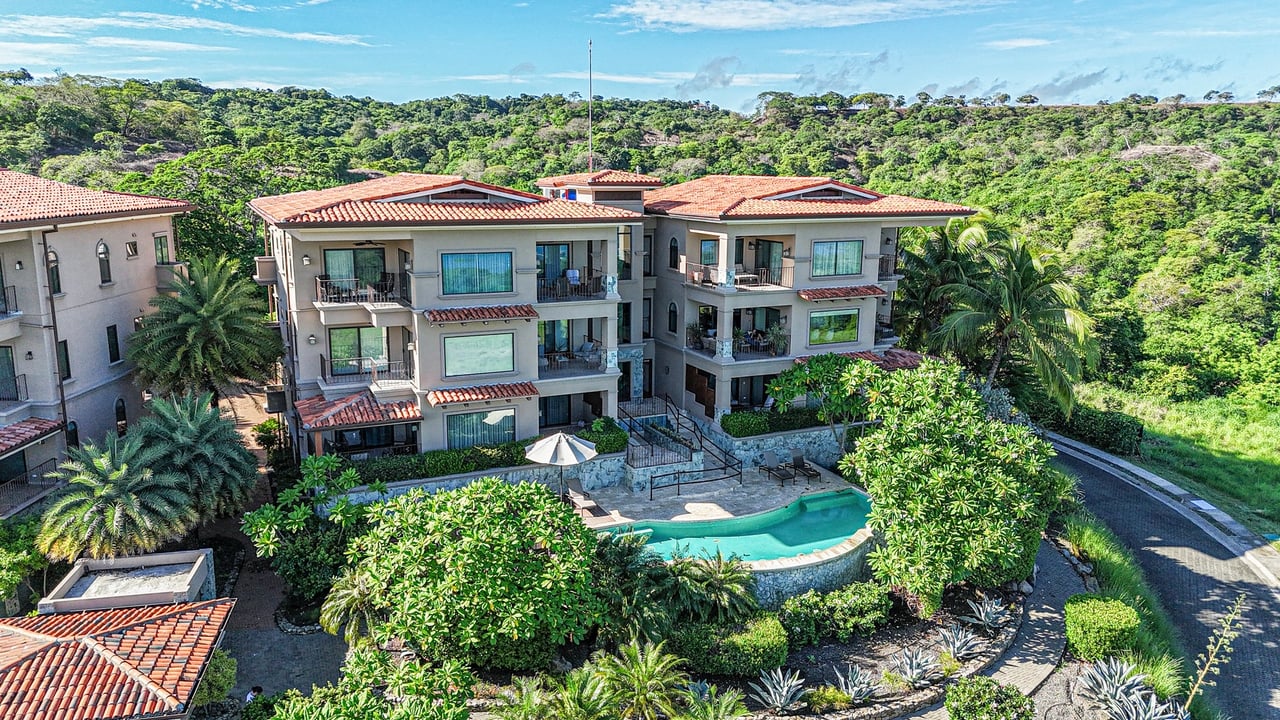
Ocean View Jaguar Village A1, Playa Panama, GU 50508, Costa Rica
For Sale
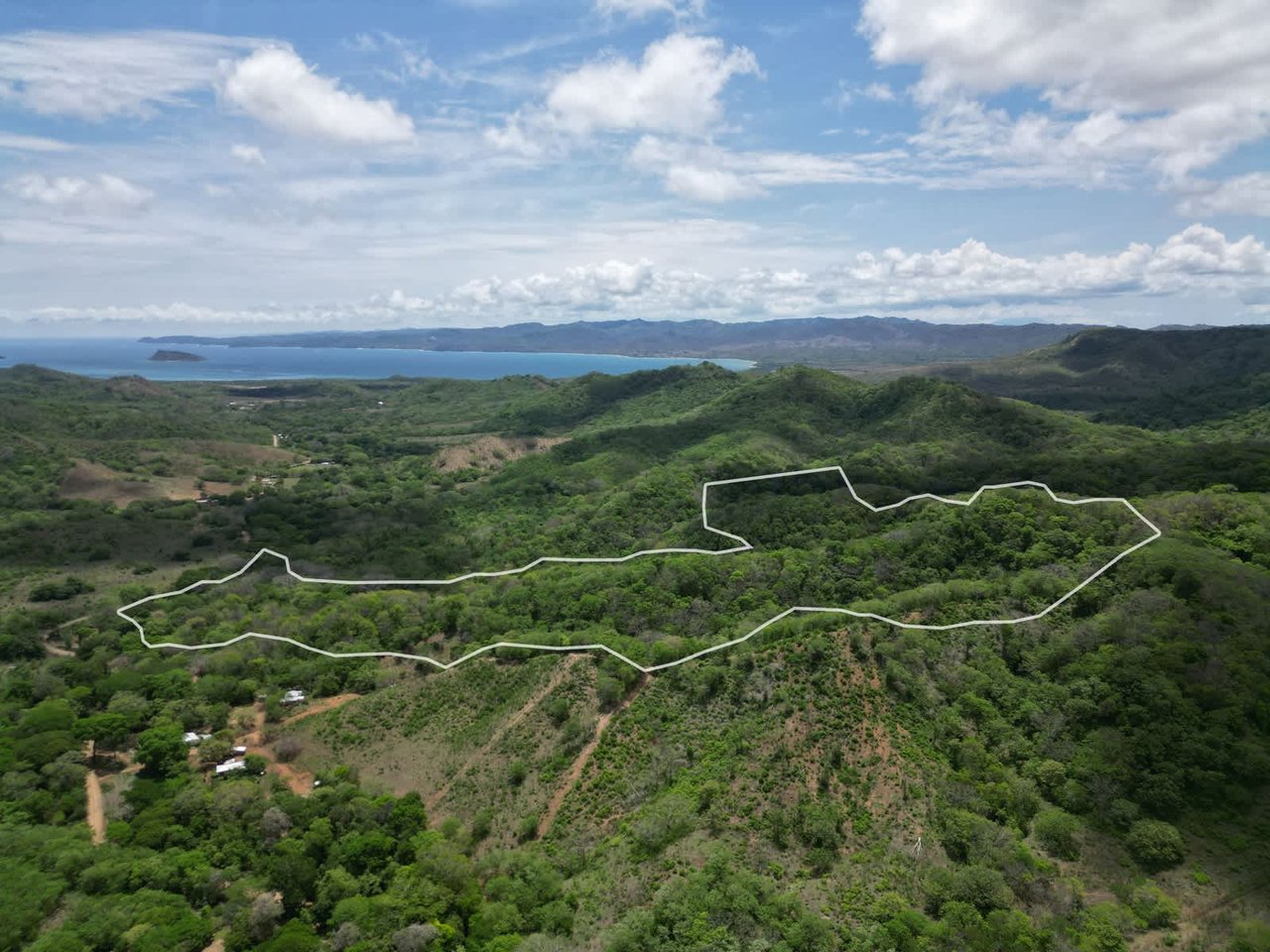
Finca Los Tamarindos, La Cruz, GU 50503, Costa Rica
For Sale
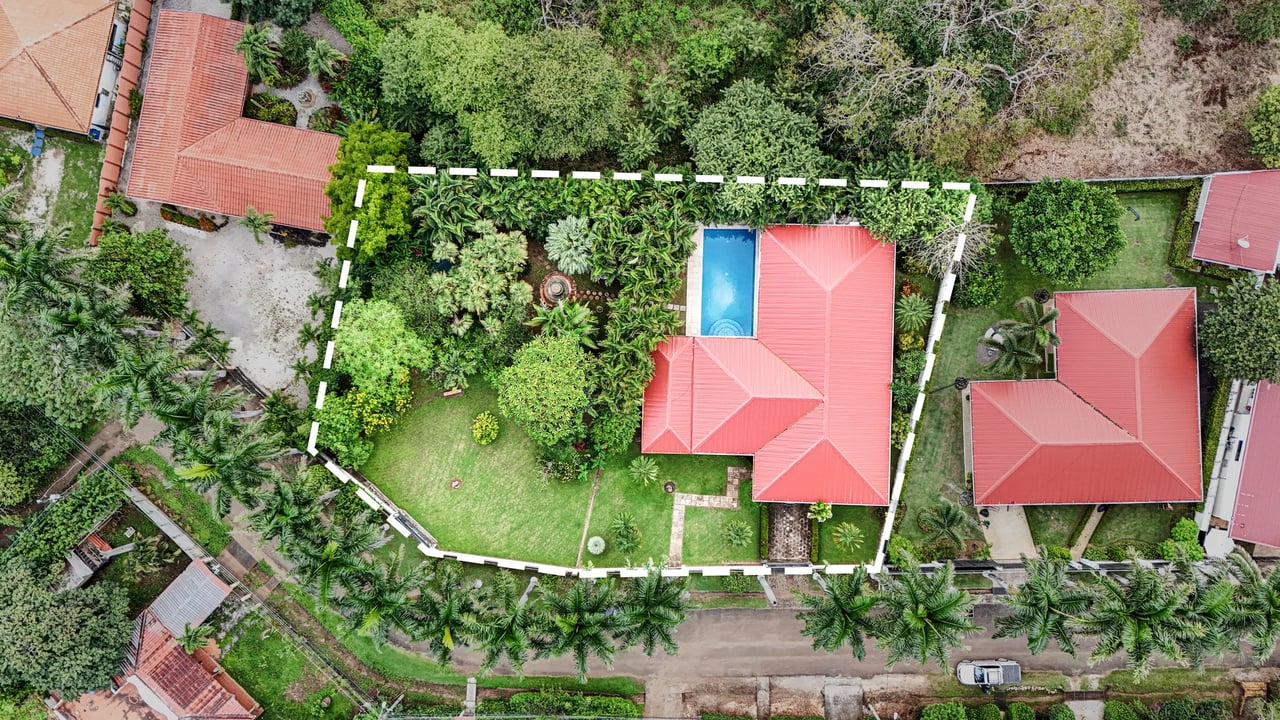
Casa Idea Verde, Playas del Coco, GU 50503, Costa Rica
For Sale
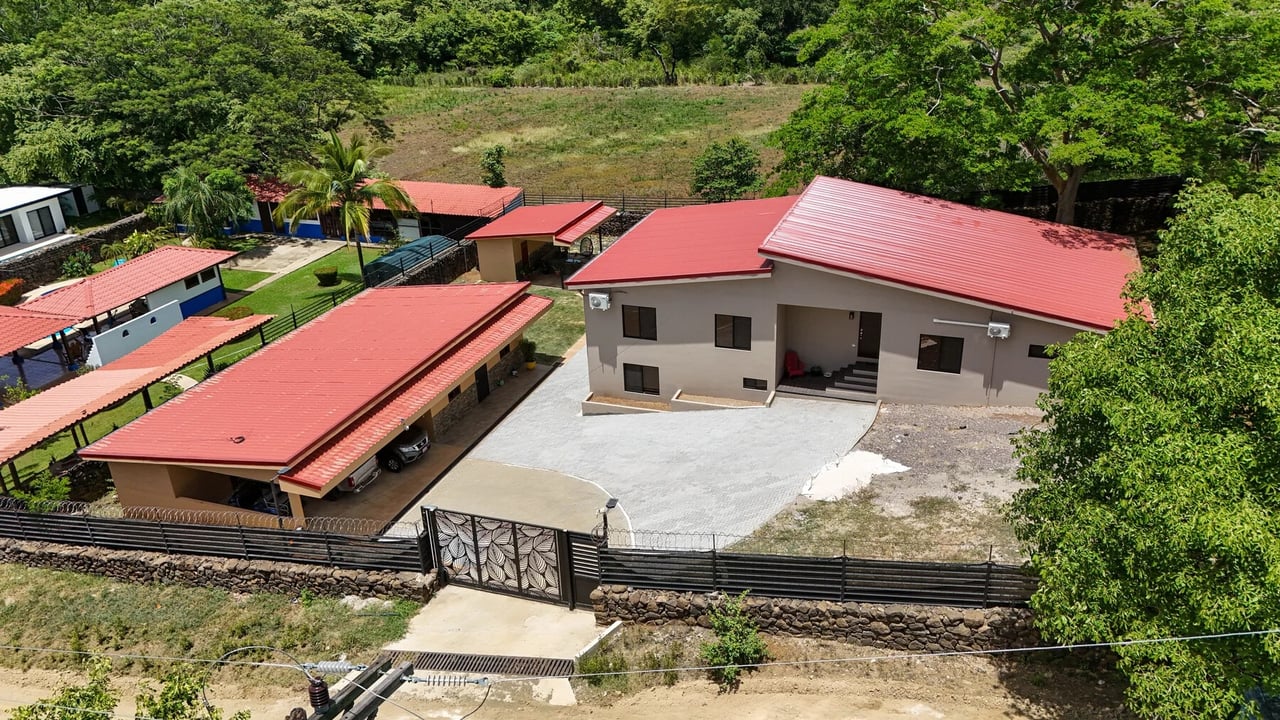
Costa Rican Retreat, Barrio Los Canales, Playas del Coco, GU 50503, Costa Rica
For Sale
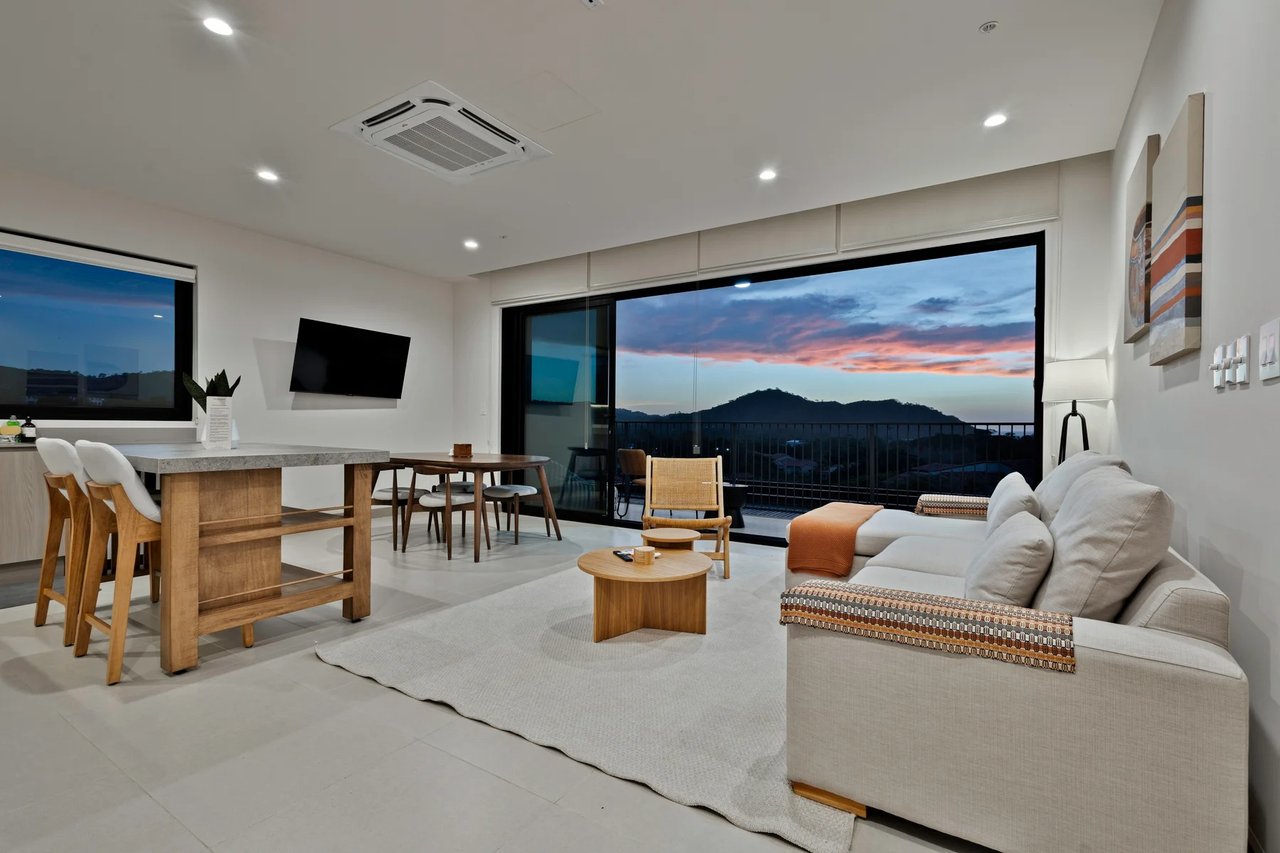
Luxury Ocean View Condo, Unit 522, Pacifico, Playas del Coco, GU 50503, Costa Rica
For Sale
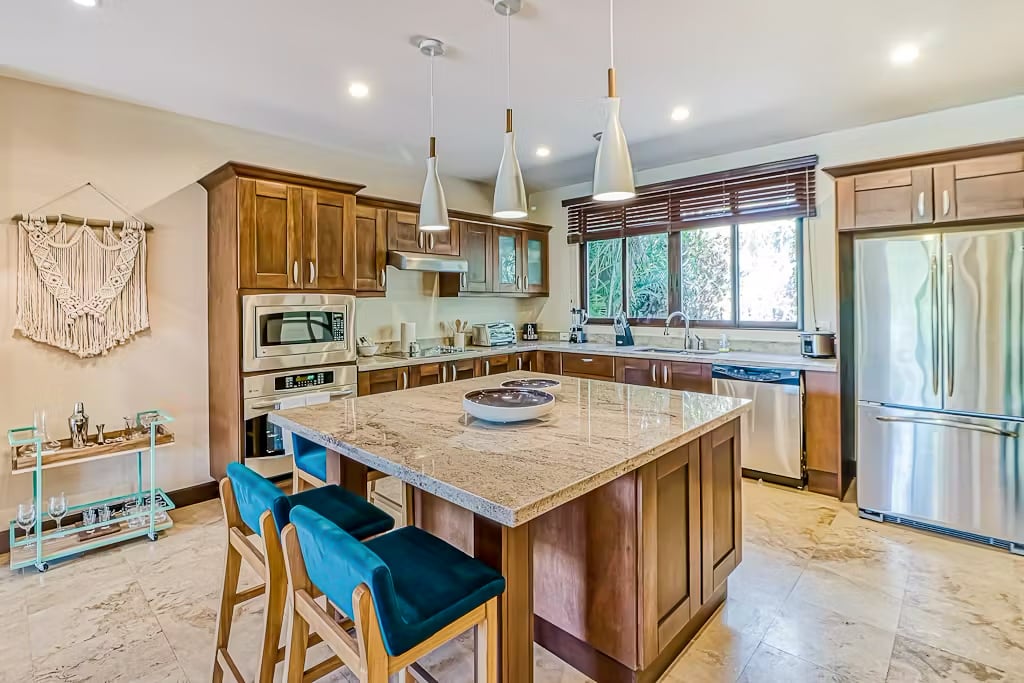
Azul Paraiso 11B, Playa Ocotal, GU 50503, Costa Rica
For Sale
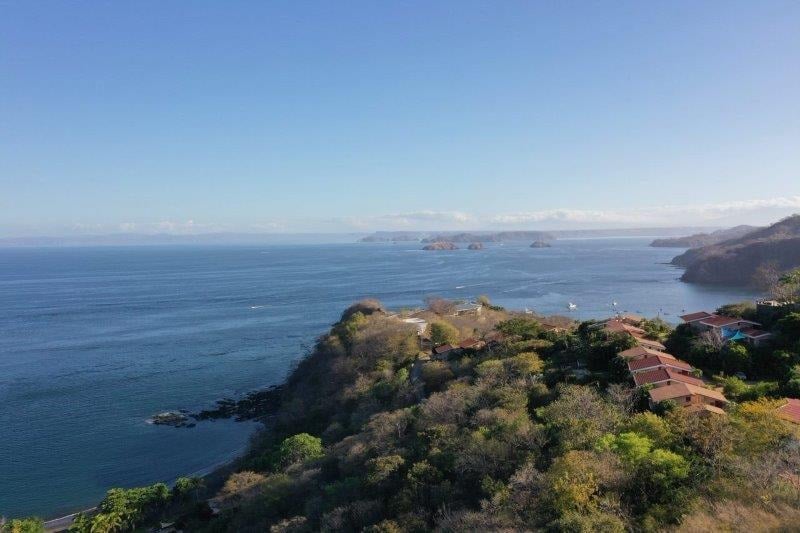
Full Ocean View Lot Ocotal, #61, Playa Ocotal, GU 50503, Costa Rica
For Sale
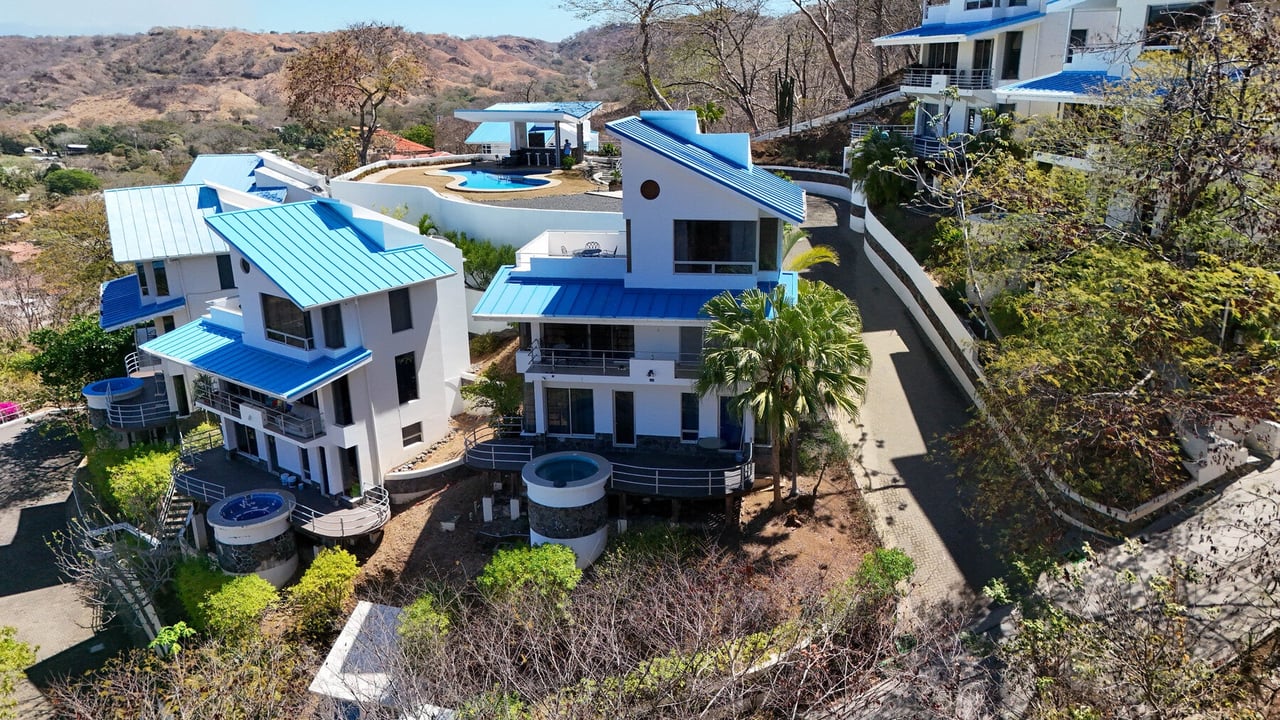
House Of Winds 1, Playas del Coco, GU 50503, Costa Rica
For Sale
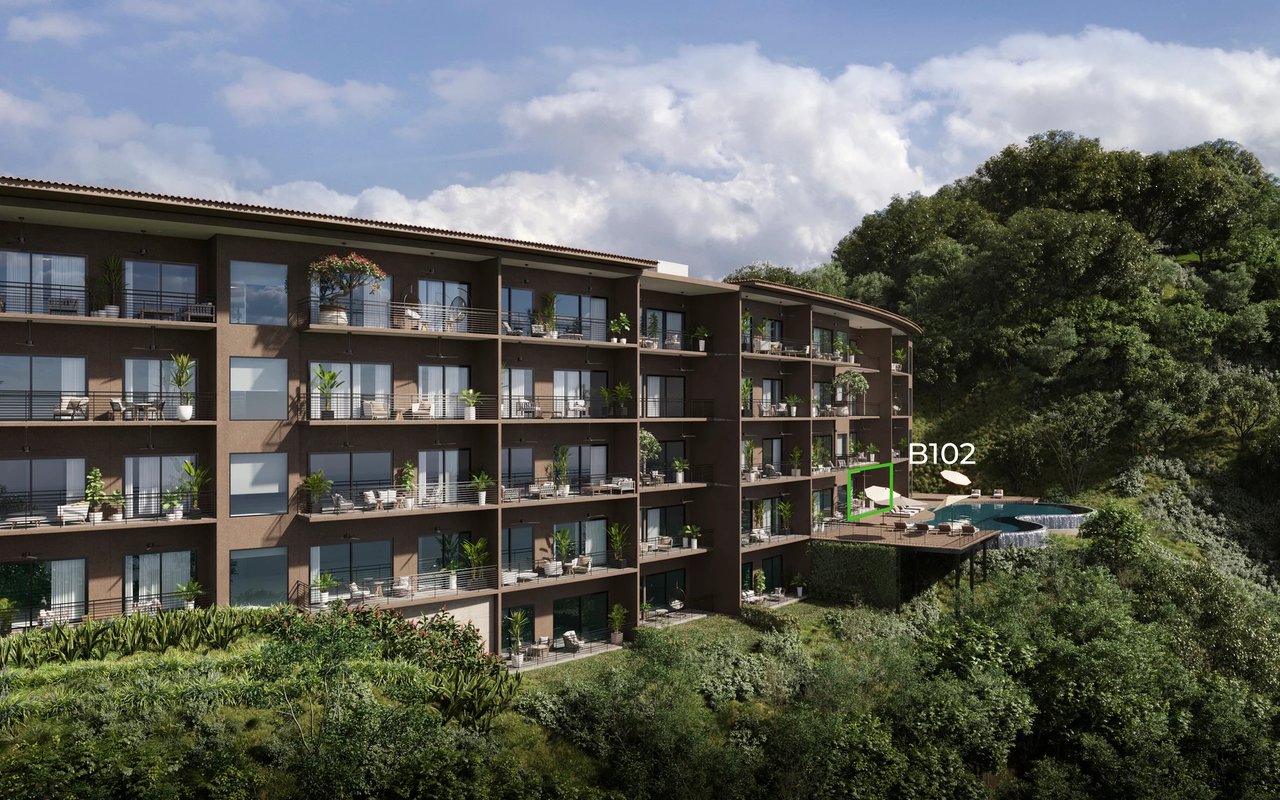
Brand New Pool-Level Oceanfront Condo B102, Azul Paraiso, Playa Ocotal, GU 50503, Costa Rica
For Sale
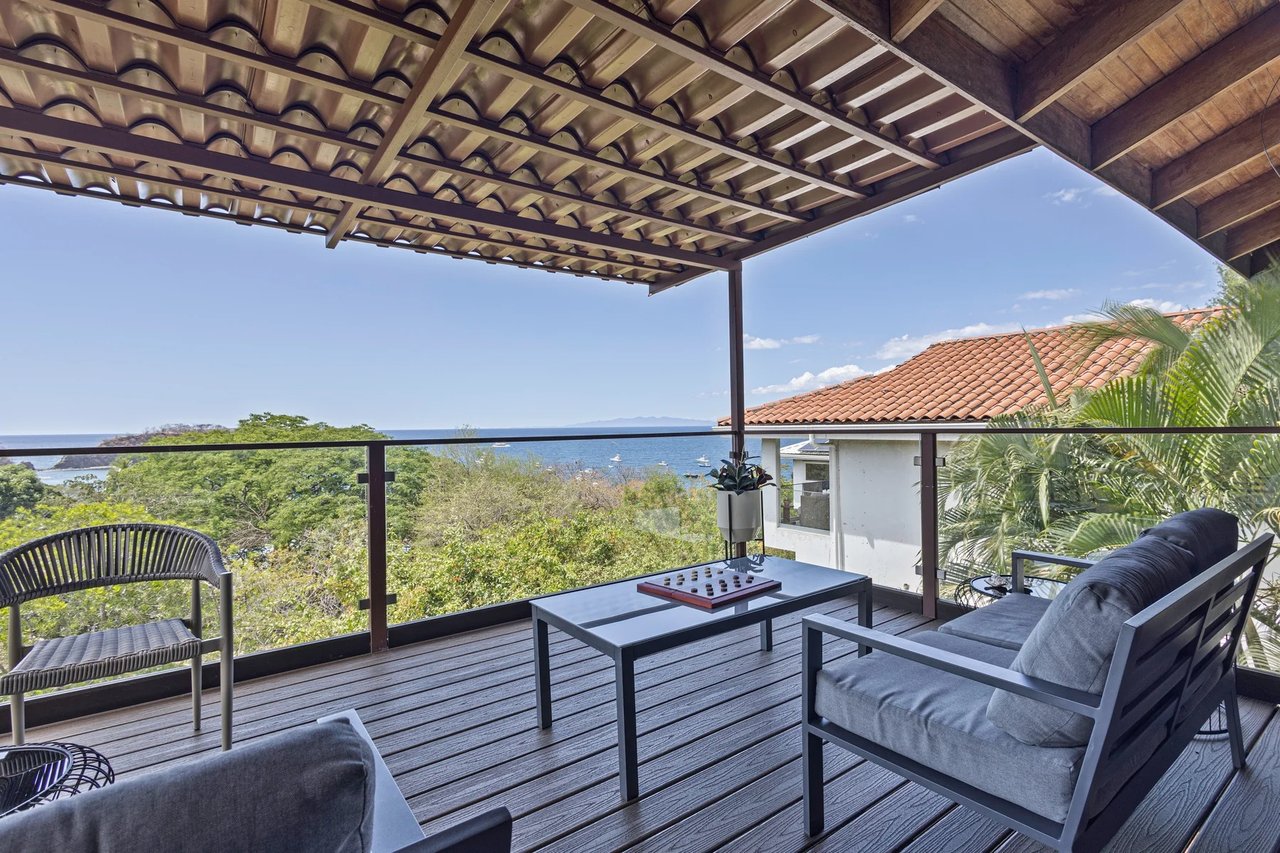
Beachfront Villa unit 17, Los Almendros, Playa Ocotal, GU 50503, Costa Rica
For Sale
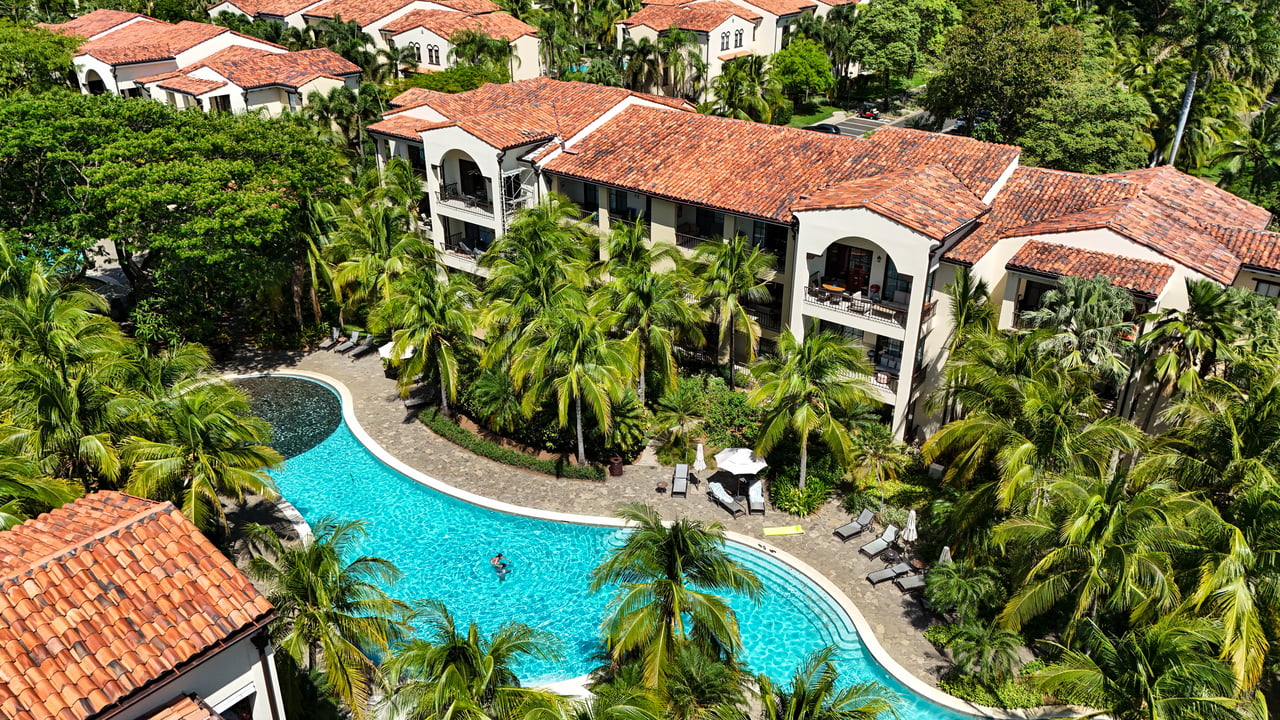
Pacifico L508, Playas del Coco, GU 50503, Costa Rica
For Sale
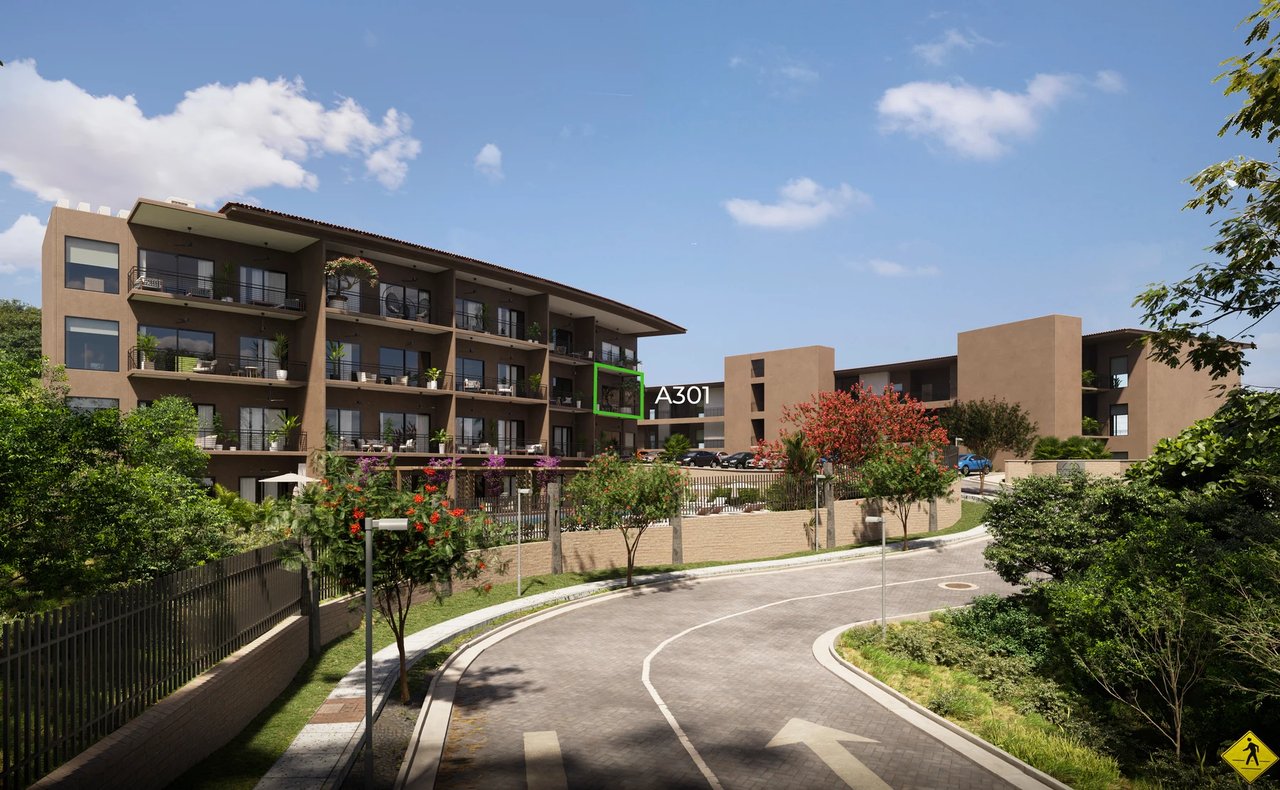
Unit A301 - Type B1, Azul Paraiso, Playa Ocotal, GU 50503, Costa Rica
For Sale
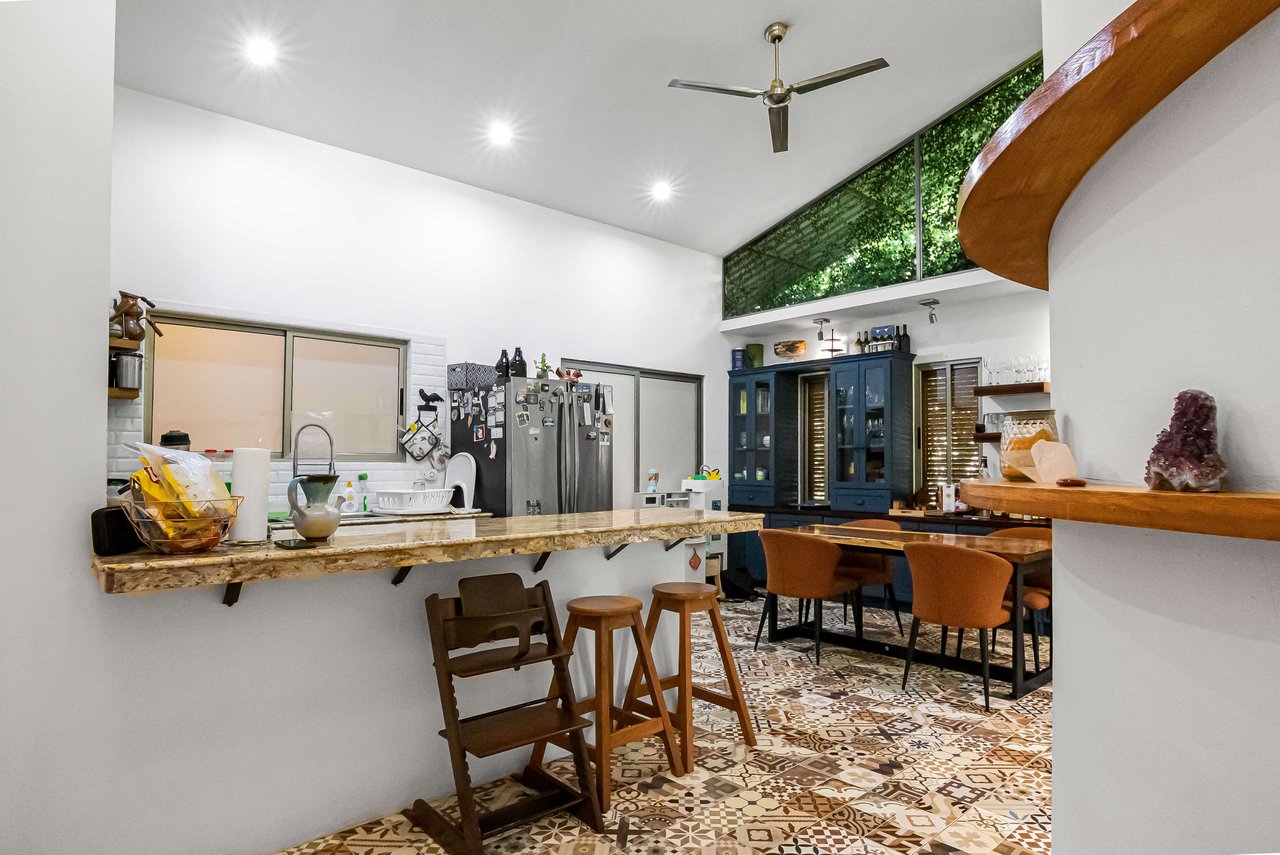
Casa Congos, Casa Congos, Playas del Coco, GU 50503, Costa Rica
For Sale
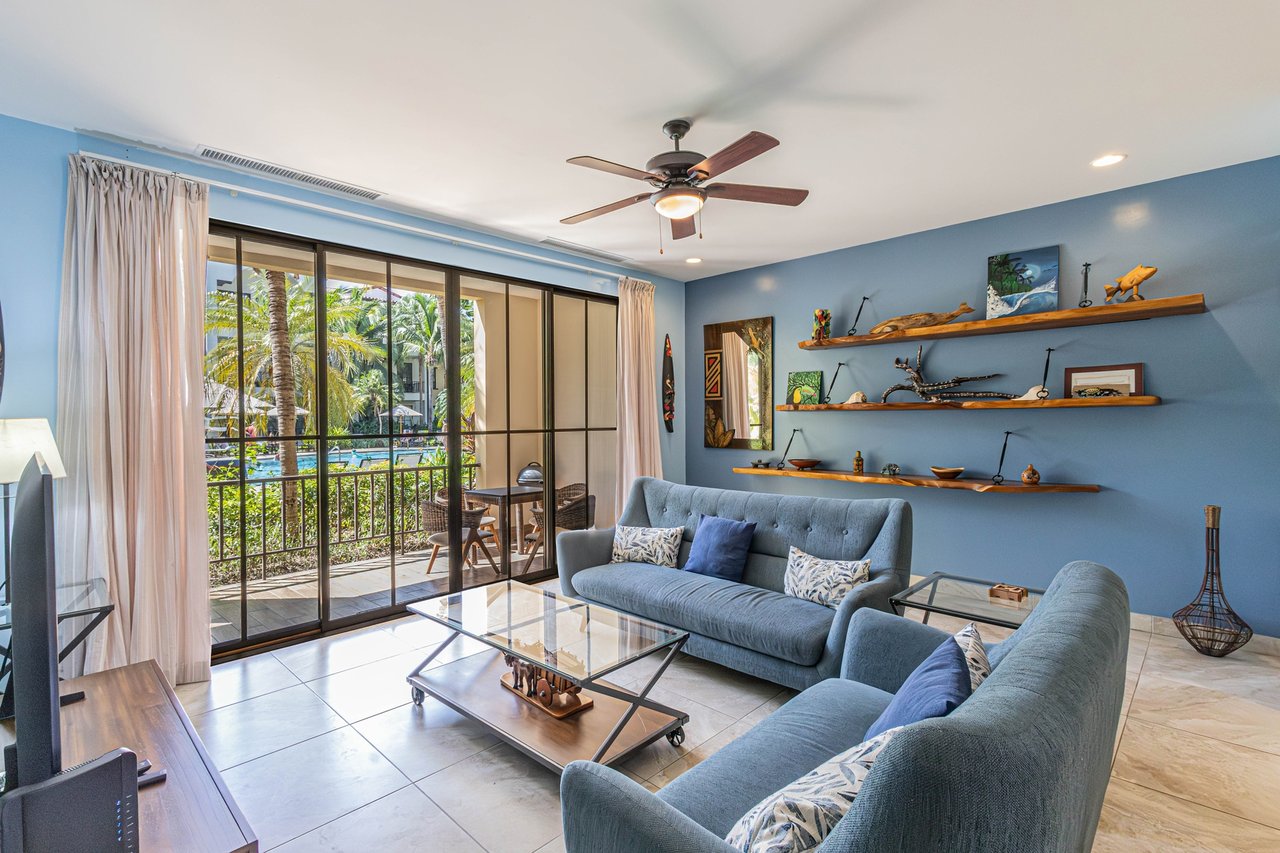
Pacifico L204, Playas del Coco, GU 50503, Costa Rica
For Sale
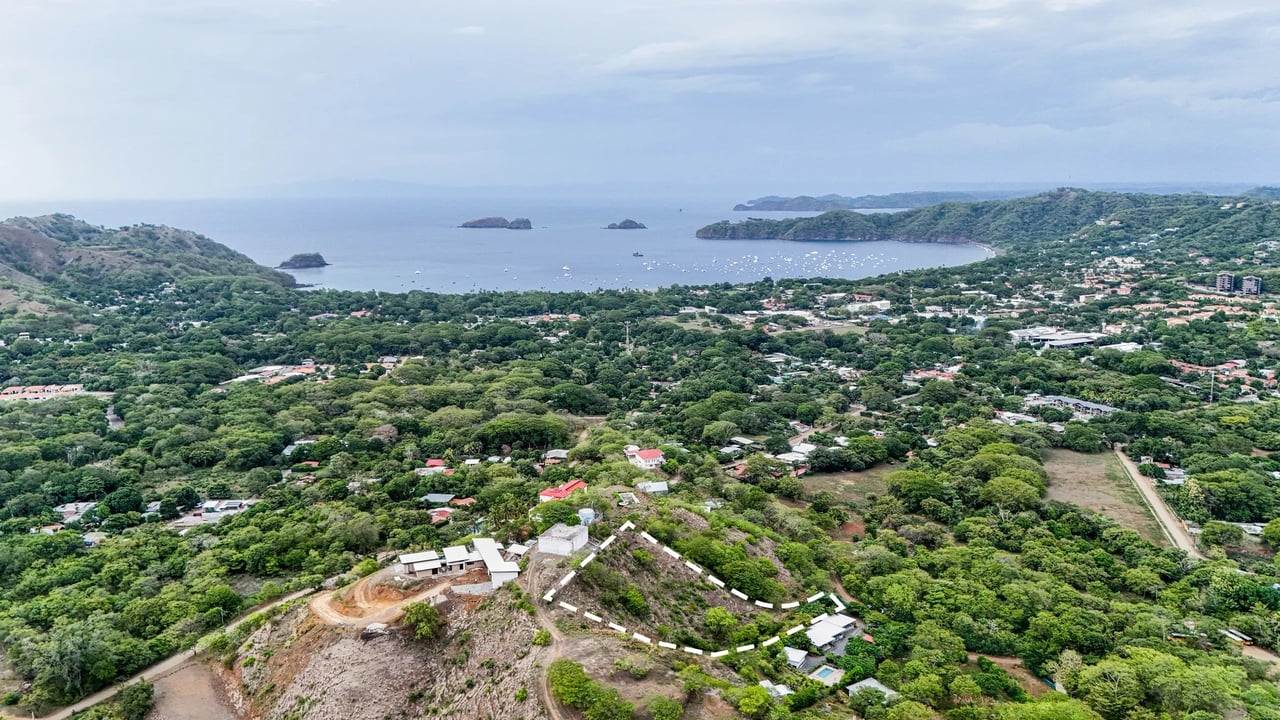
Ocean View Investment Land, Playas del Coco, GU 50503, Costa Rica
For Sale
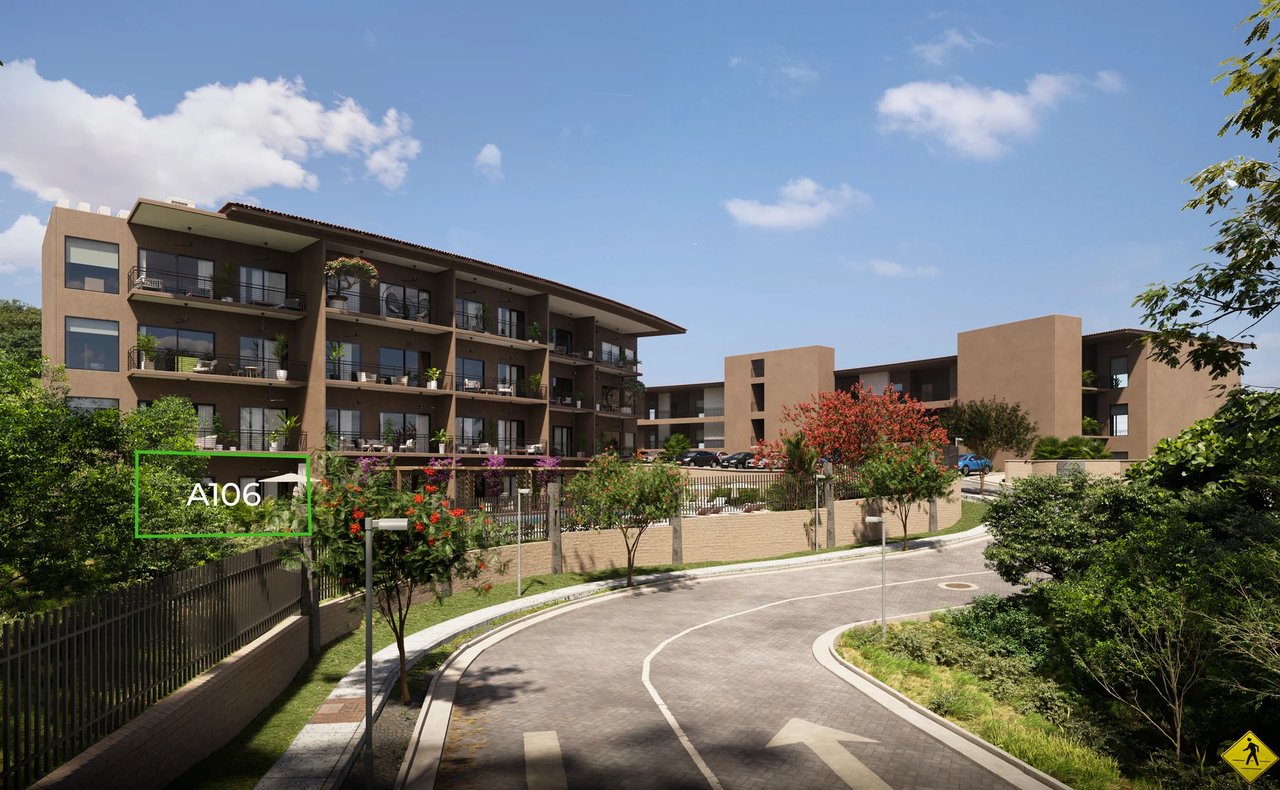
Unit A106 - Type B1, Azul Paraiso, Playa Ocotal, GU 50503, Costa Rica
For Sale
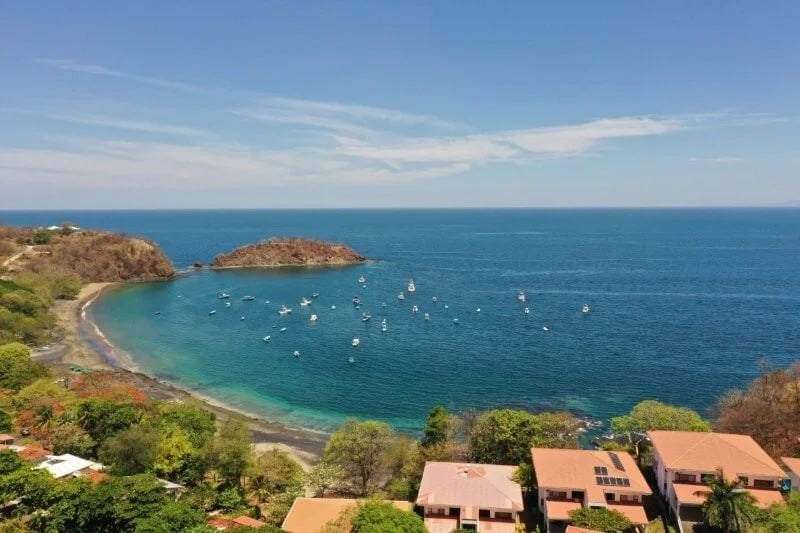
Renovated Ocean View Condo #39, Los Almendos, Playa Ocotal, GU 50503, Costa Rica
For Sale
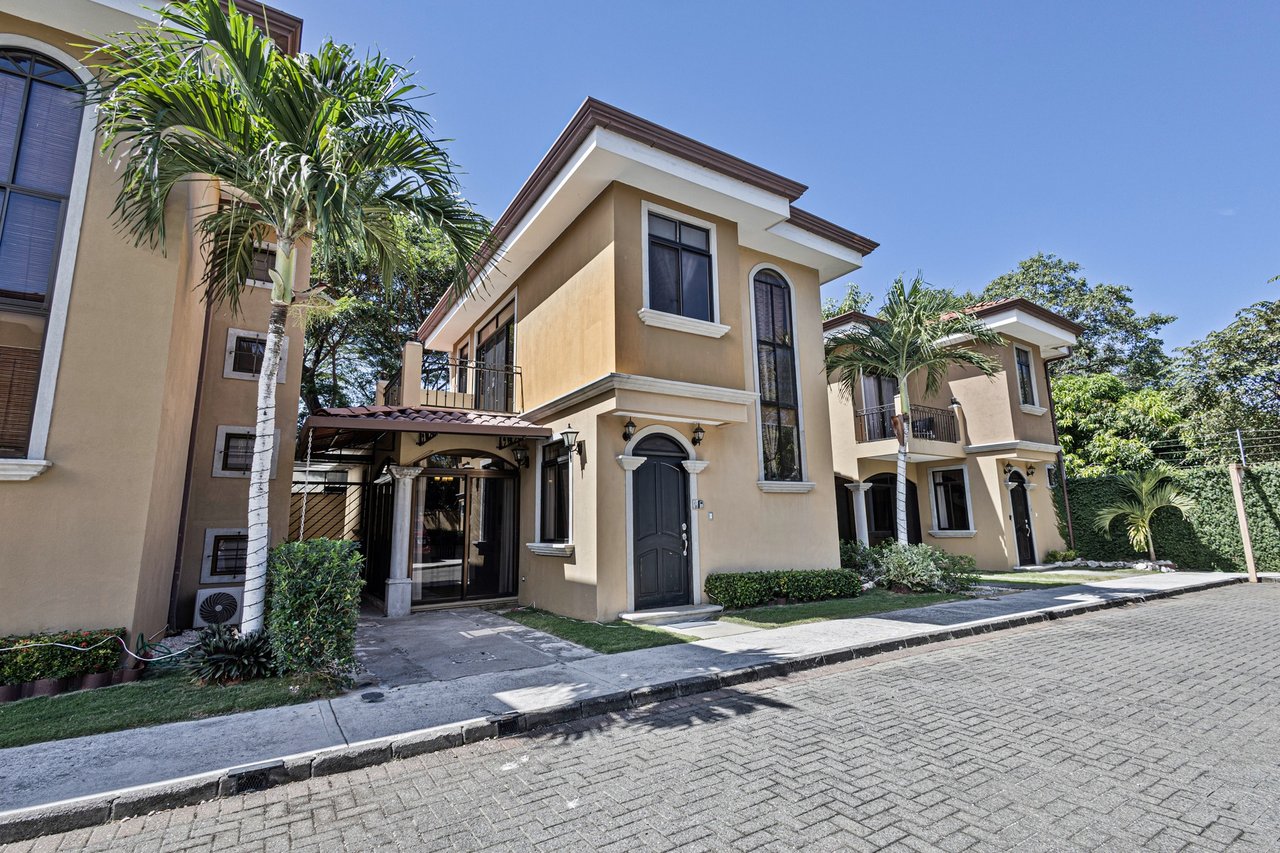
Arrecifes #11, Playas del Coco, GU 50503, Costa Rica
For Sale
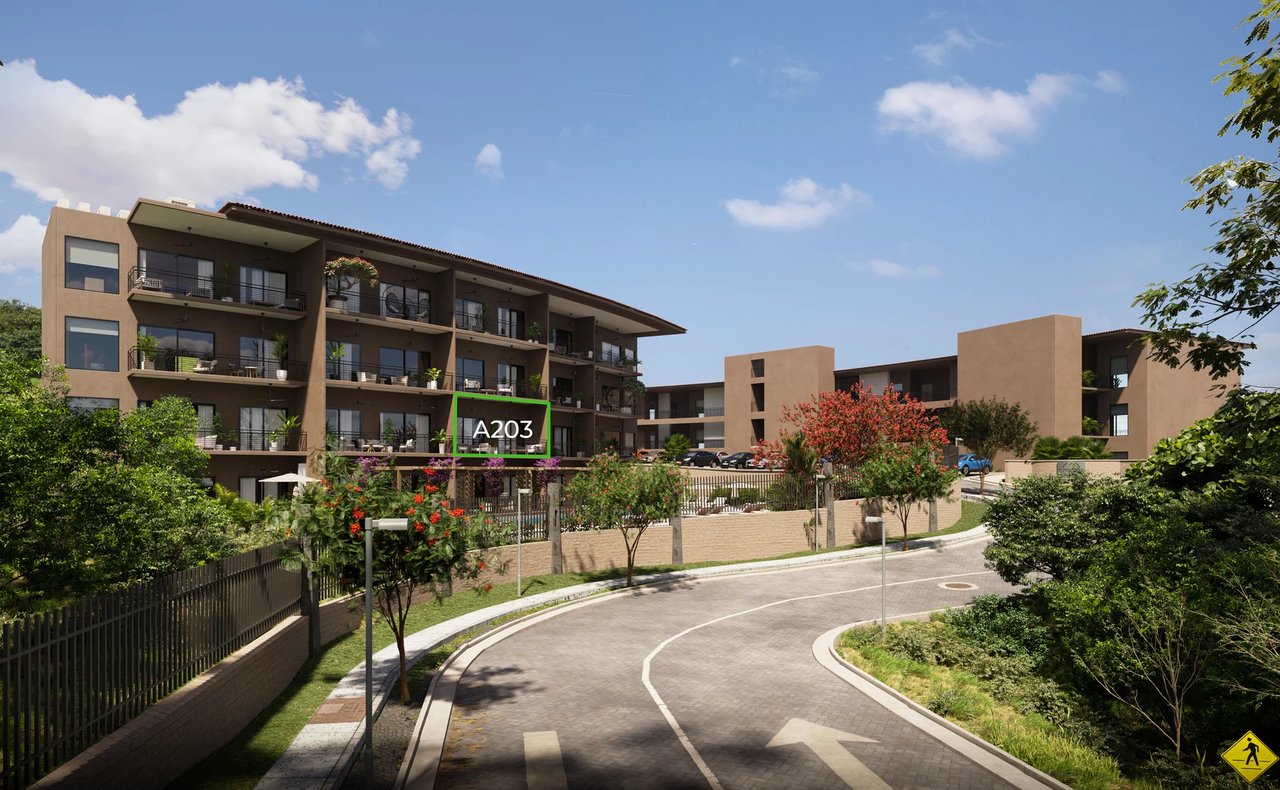
Unit A203 - Type A, Azul Paraiso, Playa Ocotal, GU 50503, Costa Rica
For Sale
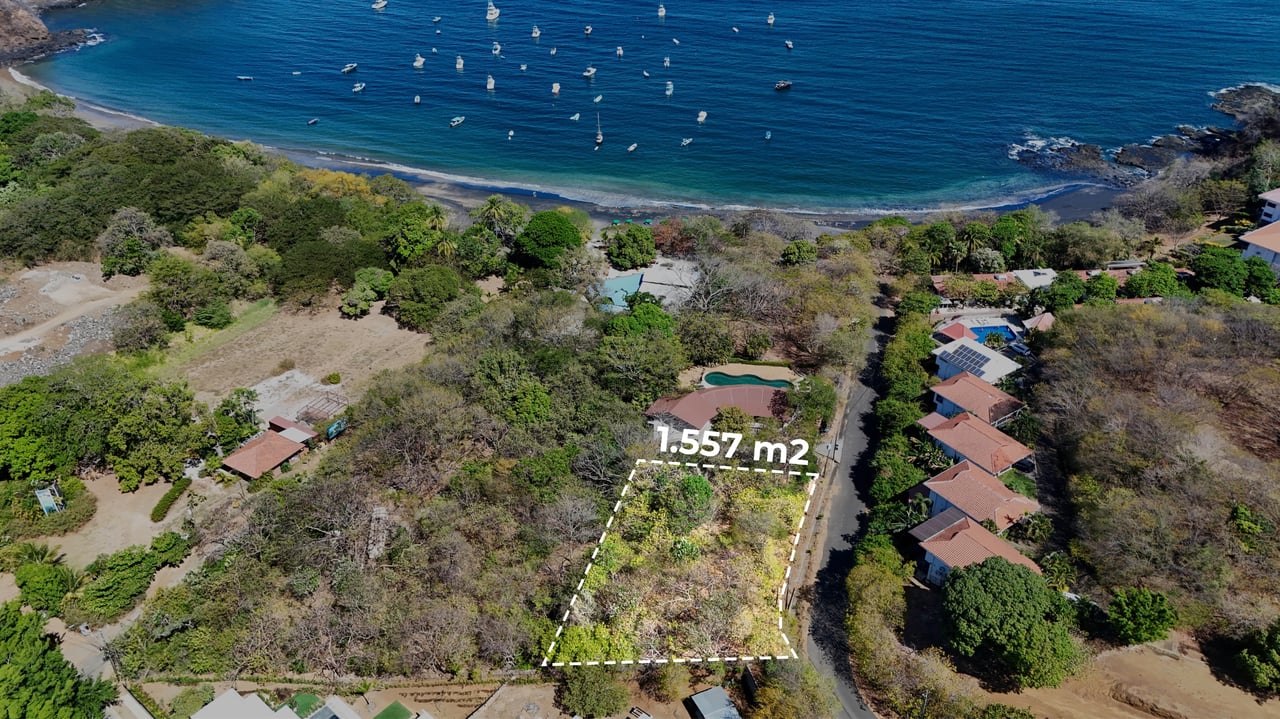
Playa Ocotal Lot, Playa Ocotal, GU 50503, Costa Rica
For Sale
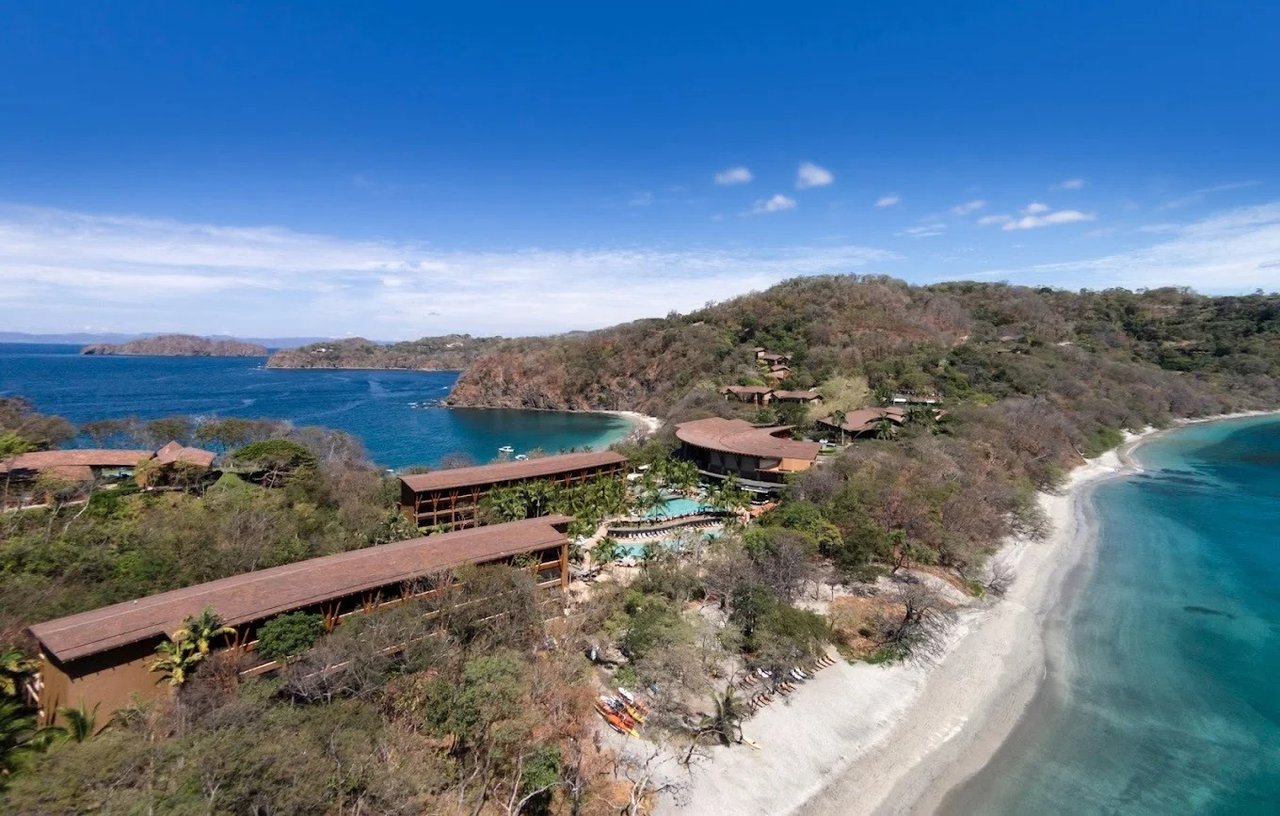
Four Seasons Fractional Condo, Four Seasons, Papagayo, GU 50104, Costa Rica
For Sale
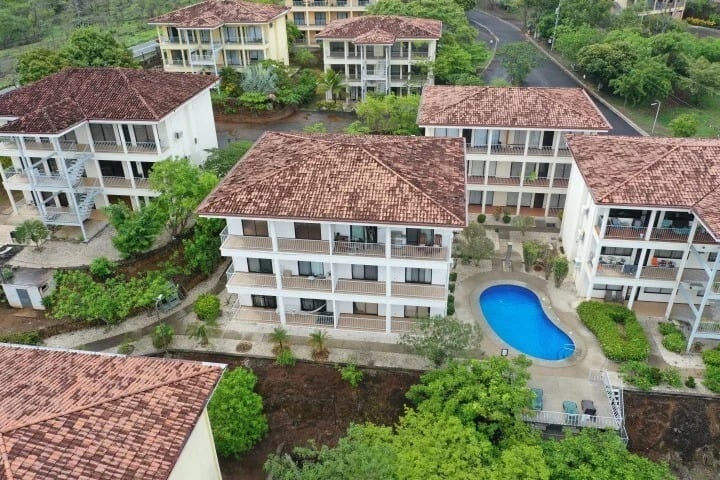
Ocean View Condo, #E-6, Vista Hermosa, Playas del Coco, GU 50503, Costa Rica
For Sale
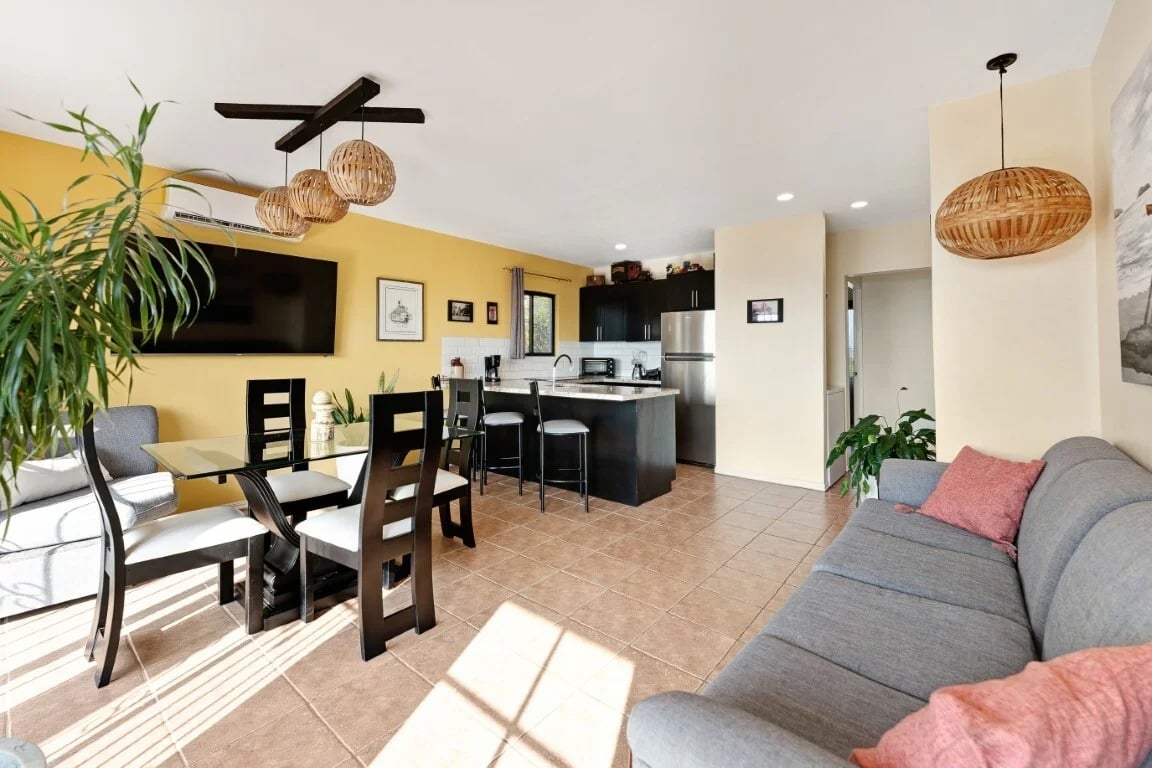
Ocean View Condo #O-3, Vista Hermosa, Playas del Coco, GU 50503, Costa Rica
For Sale
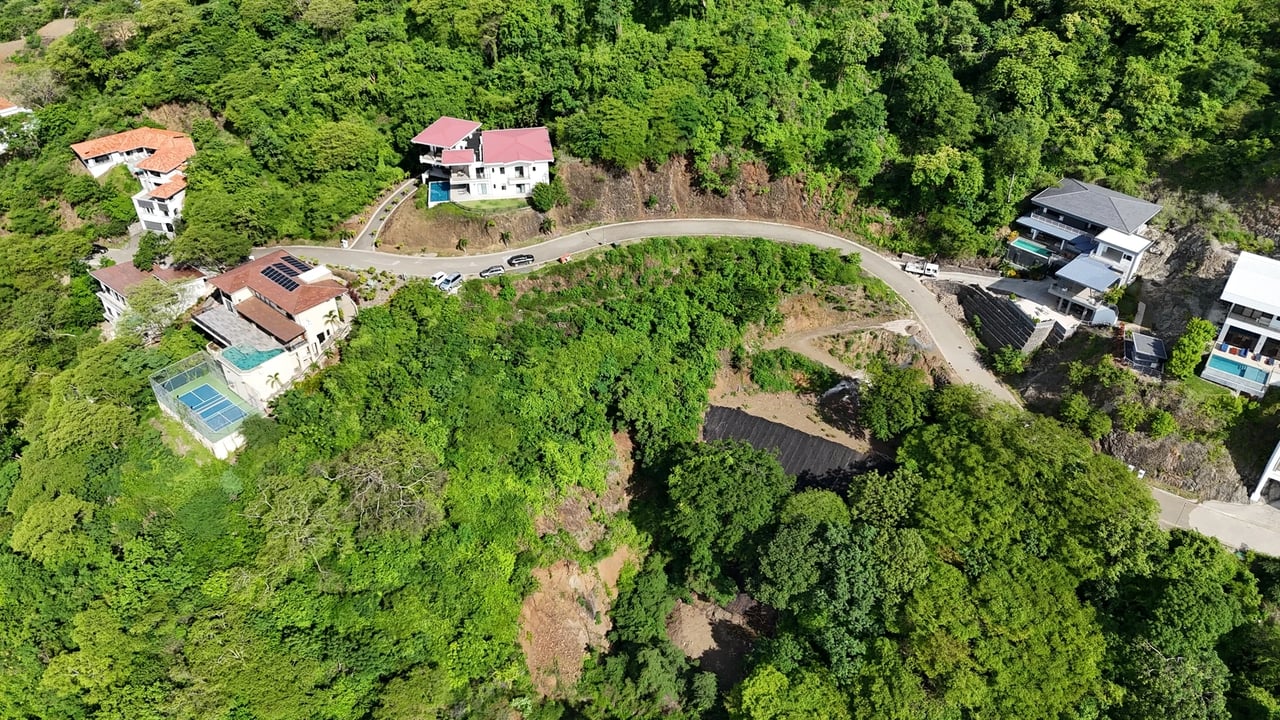
Ocean View Lot #30, Coco Bay, Ocotal, GU 50503, Costa Rica
For Sale
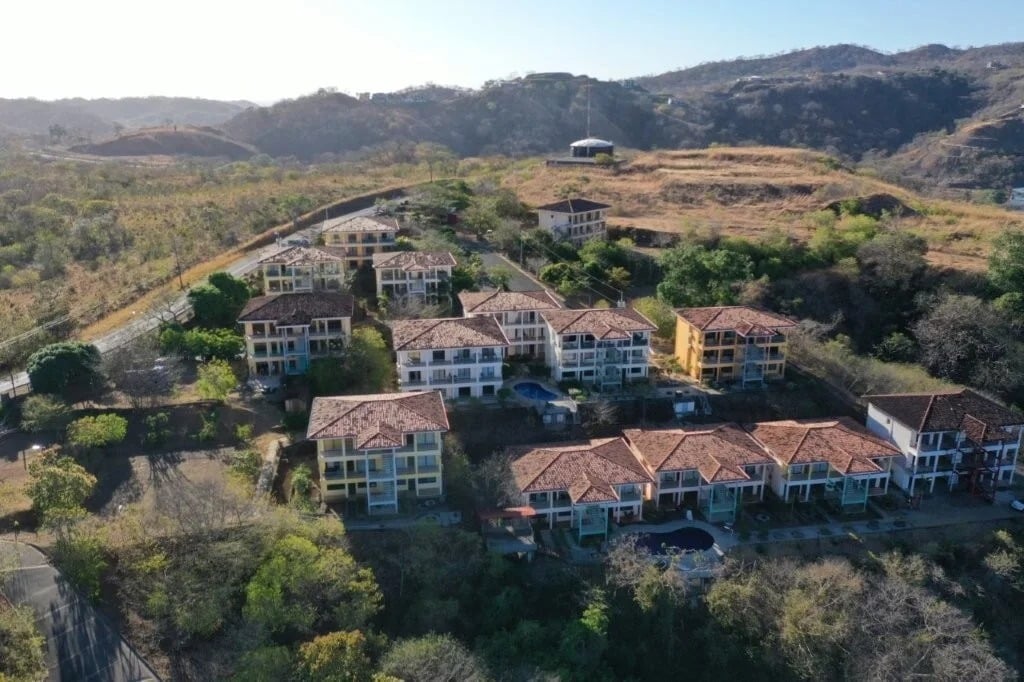
Ocean View Condo, #I-6, Vista Hermosa, GU 50503, Costa Rica
Stay up to date on the latest trends in real estate.
October 15, 2026
October 8, 2026
October 1, 2026
September 24, 2026
September 17, 2026
September 10, 2026
September 3, 2026
August 27, 2026
August 20, 2026