A Court Case Over 748 Trees Is Shaping What Gets Built Around Playa Panama
October 15, 2026
October 15, 2026
On Sunday, August 23, 2026, residents of Playa Panamá walked from the roundabout near El Mangroove hotel to Plaza Playa Panamá under the slogan "Walking Together for Sustainable Development." The Tico Times reported that the Playa Panamá Integral Development Association organized the march. Marchers asked for stalled tourism projects in the Gulf of Papagayo to move forward, saying the delay was costing the community jobs and business.
For anyone weighing a home or condo on Bahía Culebra, the march points to what matters most in a Playa Panama purchase, and it isn't a recent sale price. One factor is which side of the Polo Turístico Golfo de Papagayo boundary the property sits on, which sets how the unit is held and transferred. The other is how the Sala Constitucional rules on Papagayo's development rules, along with the separate challenges to a permit to cut 748 trees at Playa Panamá. Those rulings will set how much gets built around it.
The Polo operates as a special system of state concessions run by the Costa Rican Tourism Institute, or ICT, under legislation that dates from the early 1980s. The ICT's current regulation, updated in 2026, sets the terms. A buyer of a condo or villa inside a Polo project does not receive fee-simple ownership of the ground under it. They receive a concession right over state-owned public-domain land. That right can cover use, building, security interests and transfer, but never ownership of the land itself.
These mechanics come up during a transaction, often later than buyers expect:
Those are the rules for how a unit is held. The court case is about the rules for how much can be built.
According to CRHoy, every concession in the Golfo de Papagayo project has two main building limits. Buildings can cover at most 30% of the conceded land, and density can't exceed 20 rooms per hectare.
The Chaves Robles administration added a mechanism called "compensación de densidad y cobertura." It let one concessionaire move unused building capacity from one of its parcels to another, even when the parcels didn't touch. If one property was built below its room allowance, the leftover could go to a second property, which could then exceed its own limits.
For a homeowner looking across the bay, that changed what a cap meant. A parcel's limit could be raised by capacity from somewhere else. In June 2026 the executive branch issued a decree removing the mechanism, so capacity can no longer move between parcels. Each concession's 30% coverage and 20-rooms-per-hectare limits now stand on their own. The Tico Times noted that the repeal did not automatically settle permits or approvals issued while the old rule was in force.
The project at the center of the case is Bahía Papagayo. The developer's own materials describe it as a joint venture between Enjoy Group and Grupo Laguna, on 321 acres in Playa Panamá overlooking Culebra Bay. The plan covers 19 phases over seven years and about 650 residences, with a first phase of 72 condominiums and 32 villas. La Nación reported the first hotel phase at 94 rooms, with an investment of $25 million to $30 million. It also reported that the approved clearing covered one of five concession parcels.
Here is how the case has unfolded:
That August report is the latest confirmed status in our research. Any buyer reading this in October 2026 should have the current docket checked before relying on it.
The two readings of the moratorium matter on the ground. Under the court's clarification, not every Papagayo project has stopped. The ICT's own reading still covers any hotel project that needs to clear trees. A residence near a planned hotel parcel sits next to land whose future depends on that difference.
The Polo boundary and the 200-meter maritime-terrestrial zone are separate lines. A Polo concession can include land in the 50-meter public strip, the 150-meter restricted strip, and inland beyond both. Outside the Polo, coastal land falls under the Maritime-Terrestrial Zone Law, Ley 6043. The law exempts legitimately registered private property from its ordinary regime.
| Inside the Polo | Outside the Polo, titled land | Outside the Polo, restricted ZMT | |
|---|---|---|---|
| What is held | ICT concession right over state land | Registered private property | Municipal use concession |
| Typical term | Up to 50 years, extendable | No term | Normally 5 to 20 years |
| Transfer approval | ICT Board | Ordinary registration | Municipality and ICT, in tourist areas |
| Holder rules | Individuals of any nationality; companies domiciled in Costa Rica | Ordinary registered property, outside the Ley 6043 regime | Five-year residence condition for foreign individuals; limits on foreign ownership of holding companies |
Ley 6043 sets aside the 50-meter public zone, measured from ordinary high tide, and generally keeps it off-limits to private occupation. On the ICT's regional map, "PANAMA" is labeled apart from the mapped Polo area. That suggests the village itself sits outside the Polo, but a regional map isn't proof for any particular lot. Two homes a short walk apart can fall under different rules, so the regime has to be confirmed parcel by parcel.
Hotel developers told the Tico Times that about $700 million in construction and expansion across the Papagayo zone is on hold. That figure comes from industry representatives and hasn't been independently audited. The same representatives say the zone supports between 4,000 and 5,000 direct jobs, depending on the season. Arnoldo Beeche, president of the Costa Rican Chamber of Hotels, has warned that investors may decide permits granted under one reading of the law can later become unusable. Rodrigo Castro, of the Papagayo concessionaires' association, argues that companies invested based on rules the government set.
In the village, the effect is more immediate. Rigoberto Contreras, spokesperson for the Playa Panamá ADI, described it to the Tico Times:
"There were up to 300 people when they were working on the project. Imagine how many people benefited."
Contreras said residents had expected to rent homes, rooms and cabins to workers, and that the suspension disappointed them. Environmental opponents argue the site resembles a remnant of Guanacaste's tropical dry forest, and that clearing can't easily be undone once it starts.
Hotel representatives say projects that stay unbuilt won't create the construction work, hotel jobs and local purchasing they expected over the next three or four years.
Has the court ruled? As of the August 26, 2026 reporting, it had not, and the temporary restrictions were still in force. The status after that date was not confirmed in our research.
Did the June decree end the dispute? It removed the density-transfer rule but did not settle existing approvals. The separate cases over the SINAC permit are still open.
Can foreign buyers hold a Polo concession? The ICT regulation allows foreign individuals to hold one. A company holder must be set up and domiciled in Costa Rica.
2 Costa Rica Papagayo follows the Papagayo docket and the Polo boundary as closely as we follow listings. If you're looking at property on Bahía Culebra, ask us for a parcel-level briefing alongside our exclusive off-market listings.
This article is general information, not legal, tax or financial advice. Consult a qualified professional about your situation.
Explore our exclusive listings.
For Sale
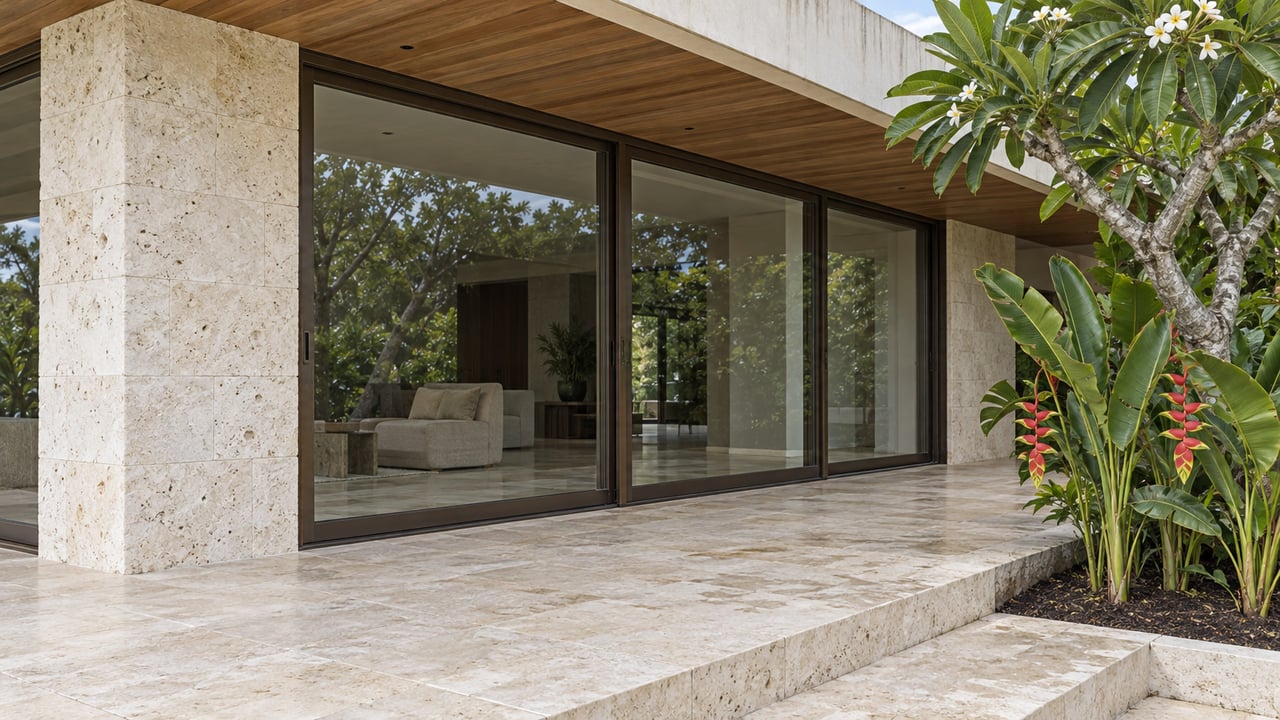
Casa Del Ray, Lot 12B, Hacienda Del Mar, Playa Panama, GU 50503, Costa Rica
For Sale
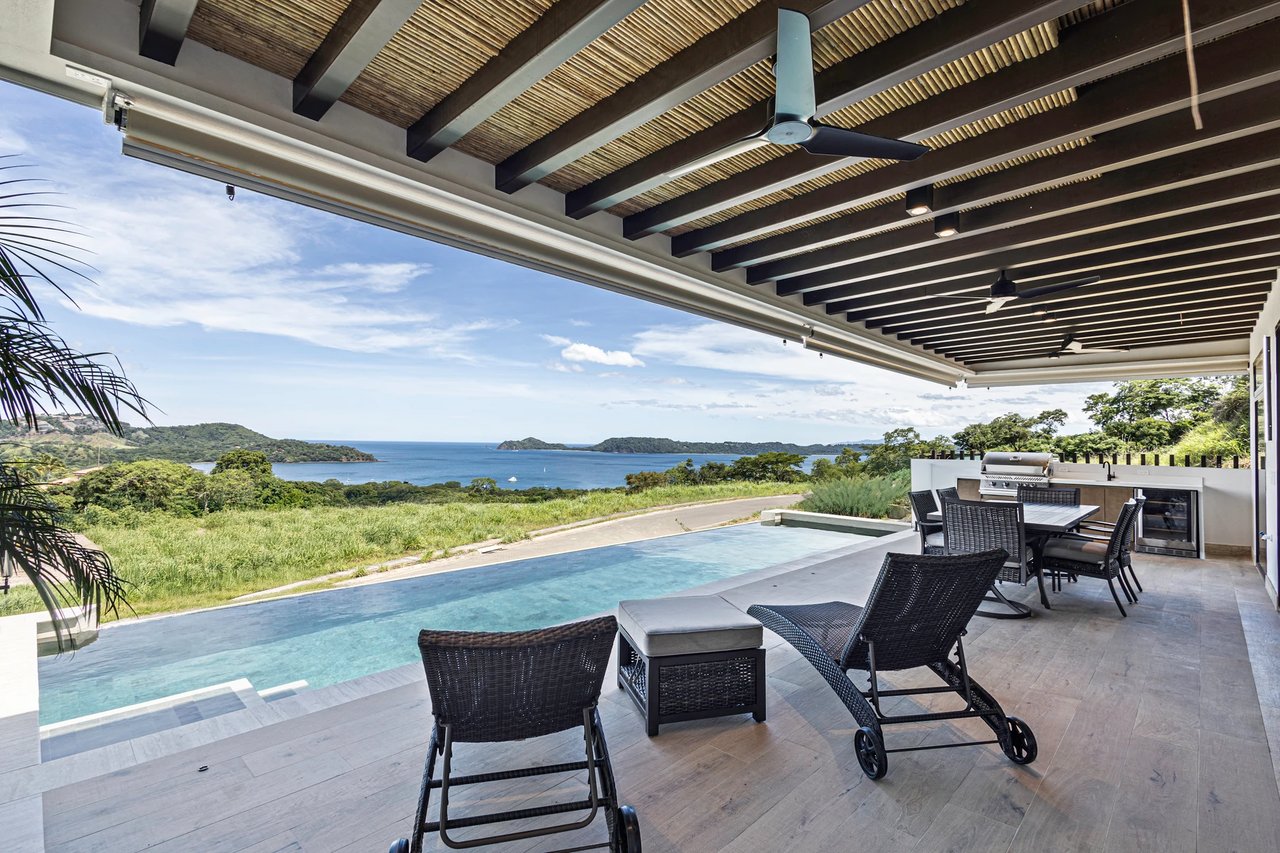
Lot 12B, Hacienda Del Mar, Playa Panama, GU 50503, Costa Rica
For Sale
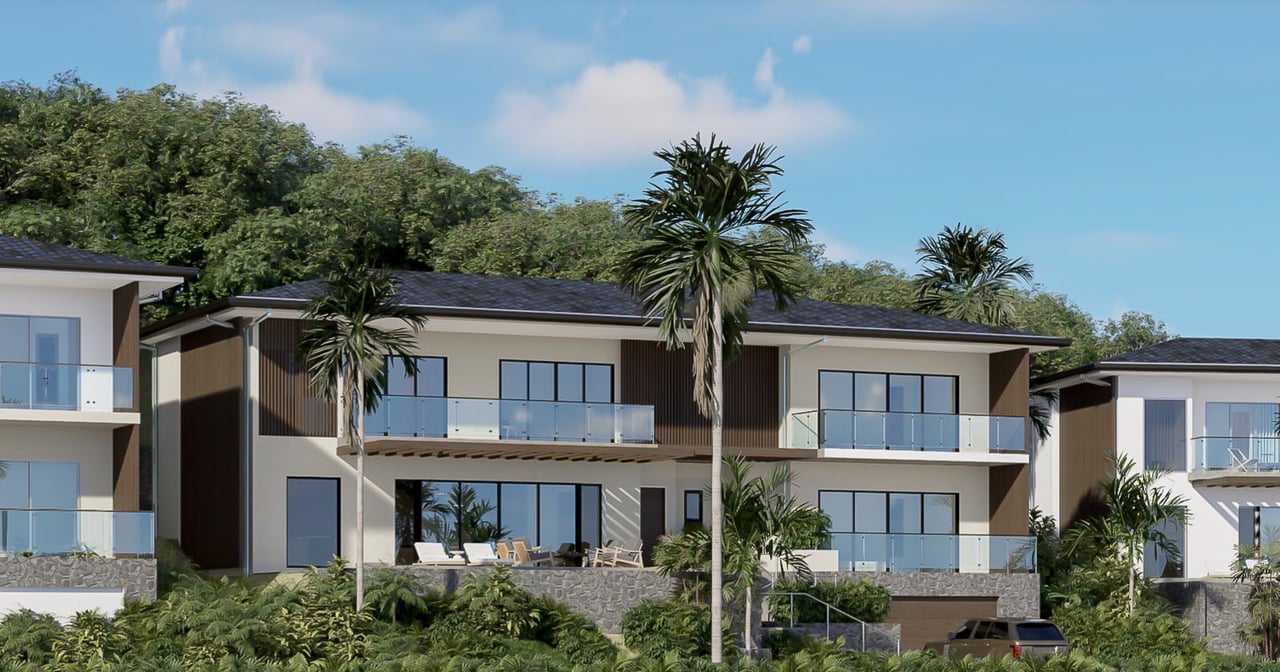
Ocean View Hermosa Montaña, Playa Hermosa, GU 50503, Costa Rica
For Sale
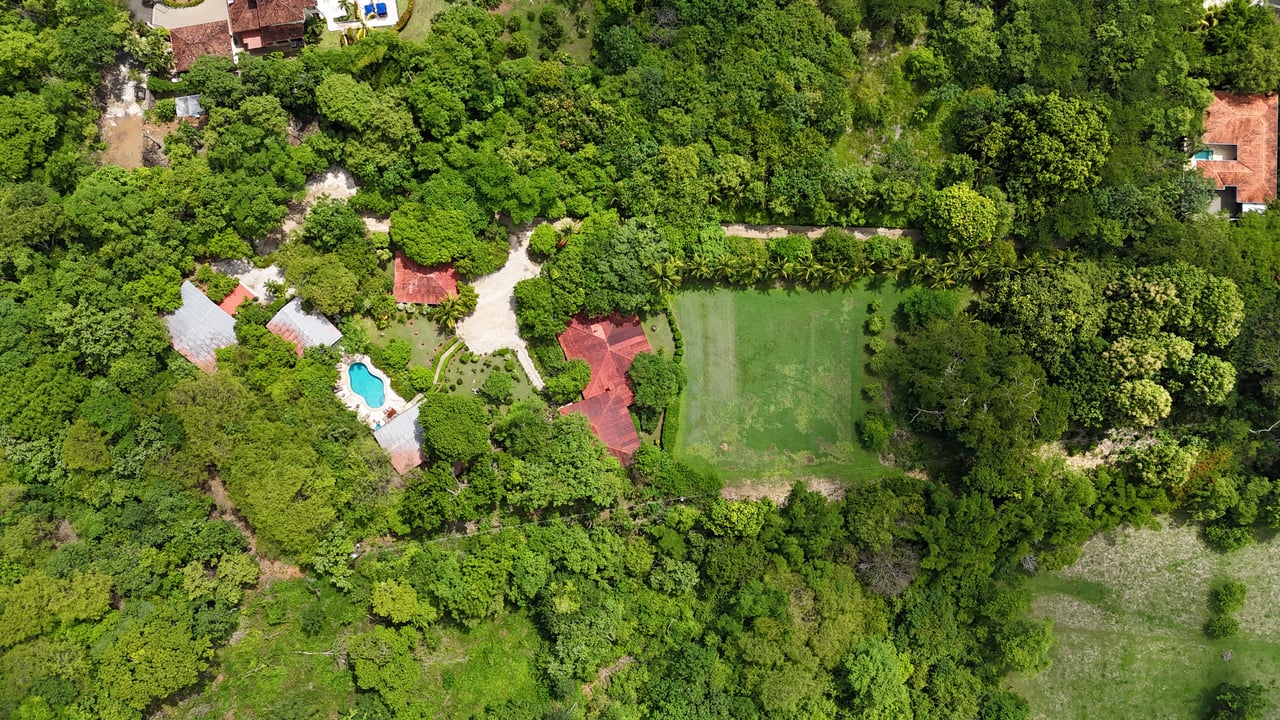
Rancho Armadillo, Monte Seco, Ocean Views, Playas del Coco, GU 50503, Costa Rica
For Sale
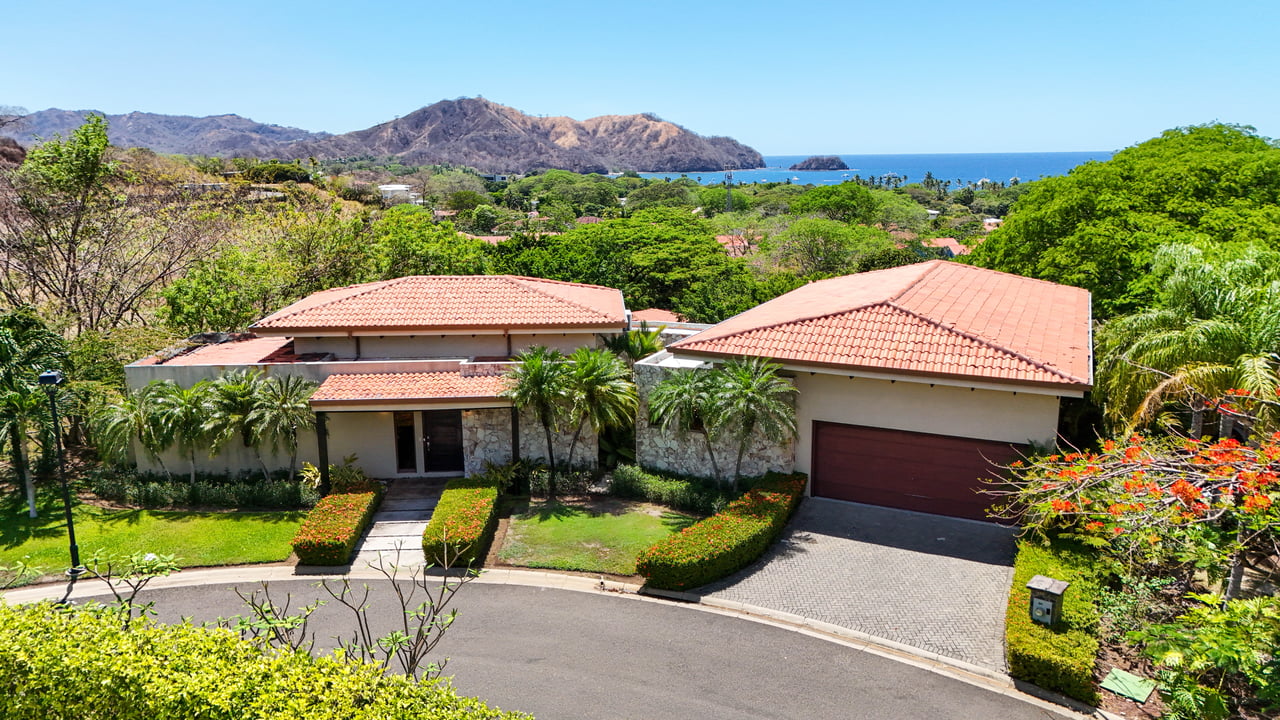
Ocean View Villa 80, Pacifico, Playas del Coco, GU 50503, Costa Rica
For Sale
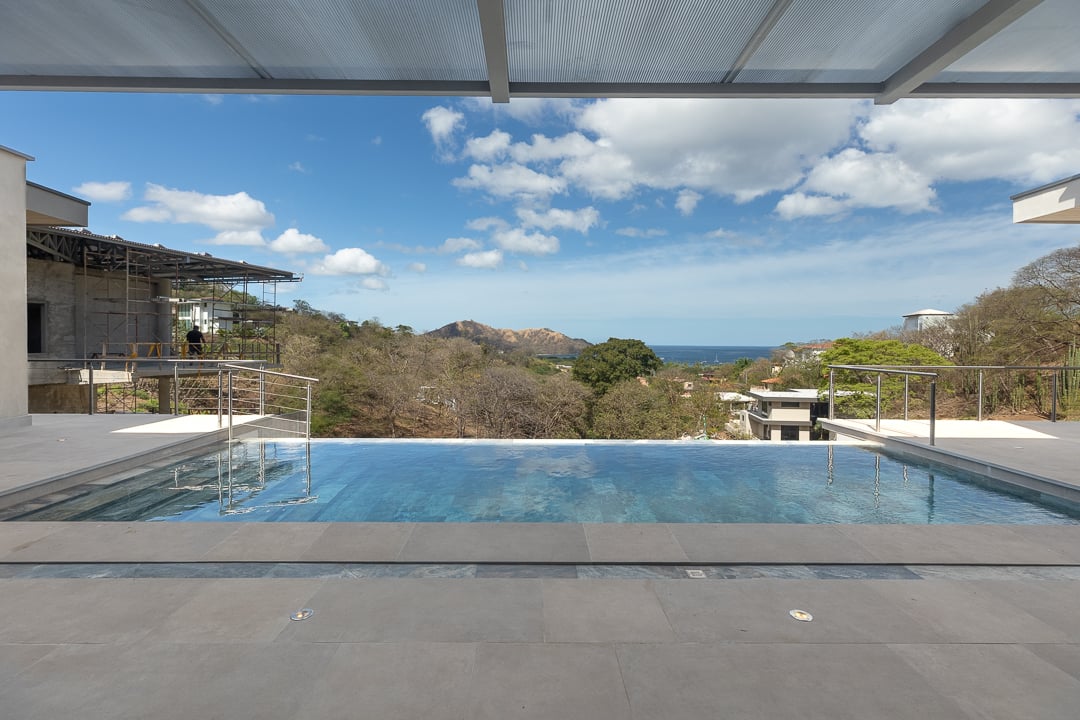
Oceanview Home, Lot 42, Pacifico, Playas del Coco, GU 50503, Costa Rica
For Sale
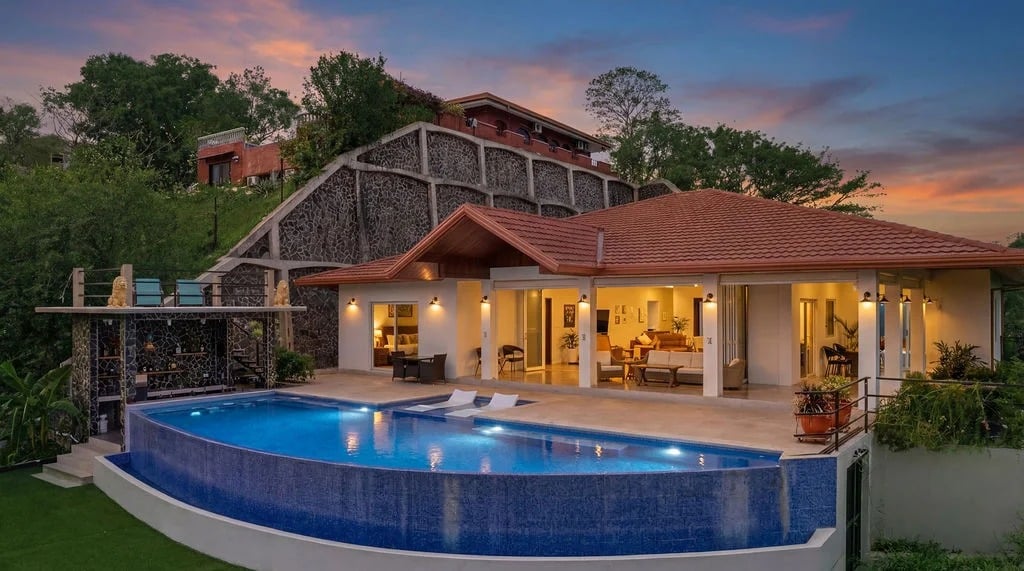
Ocean View Villa Isabella, Clara Hermosa 4, Playas del Coco, GU 50503, Costa Rica
For Sale
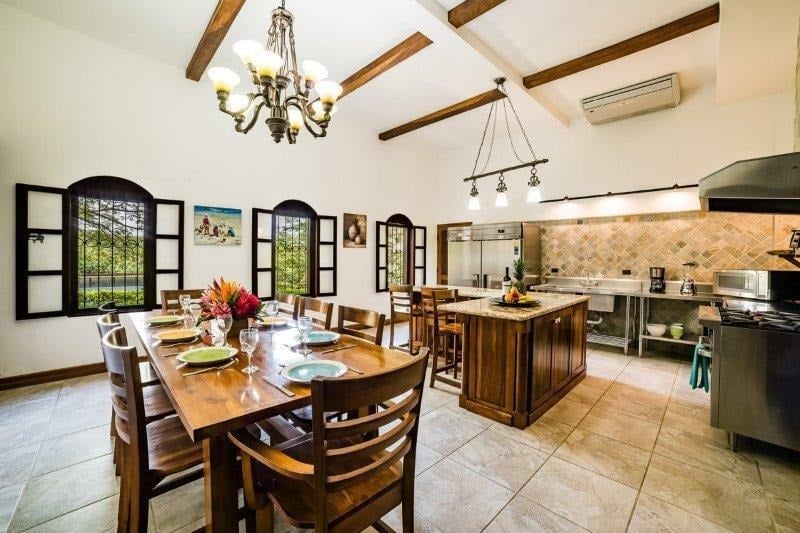
Casa Toscana, Lot 134, Pacifico, Playas del Coco, GU 50503, Costa Rica
For Sale
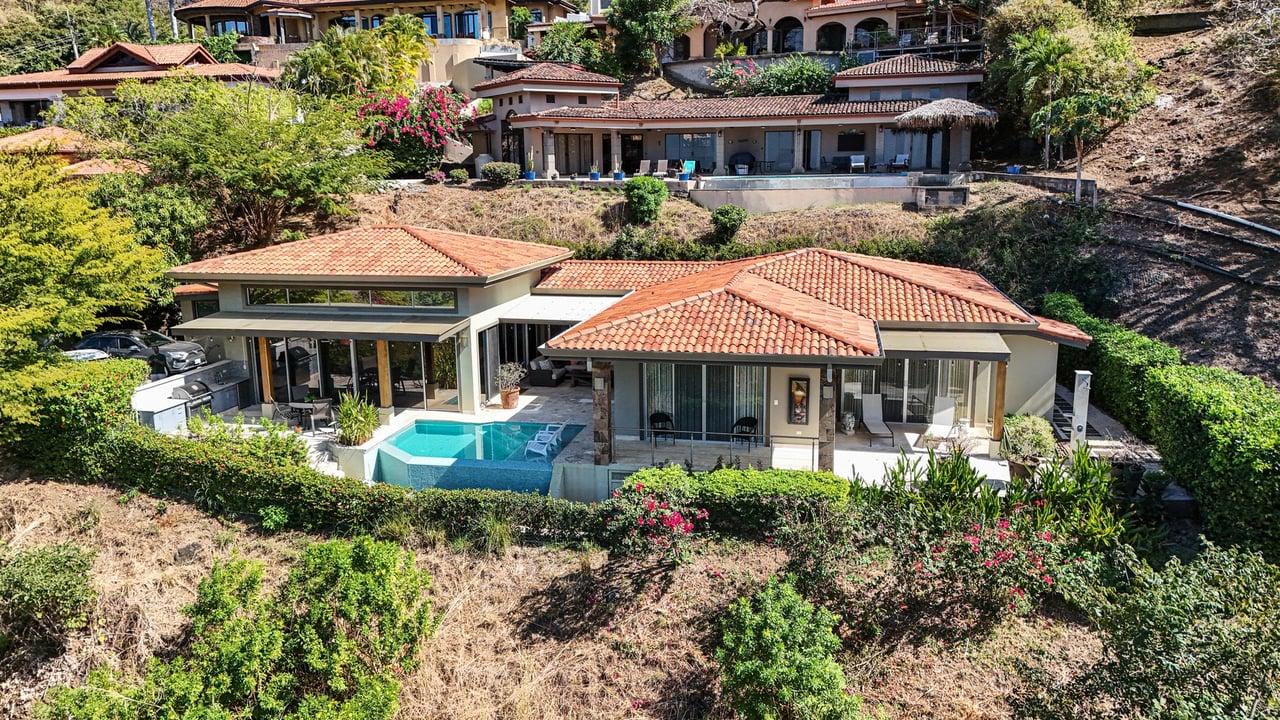
Ocean View Casa De Encanto, Hermosa Heights, Playa Hermosa, GU 50503, Costa Rica
For Sale
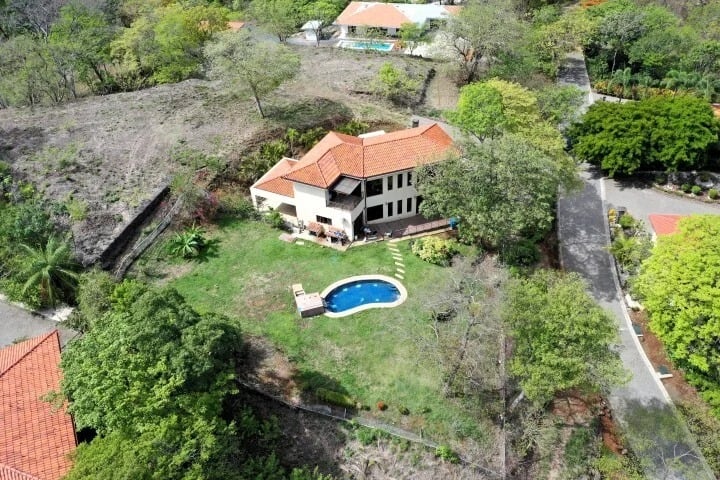
Ocean View Villa #25, Monte Vista, Ladera del Mar, Playas del Coco, GU 50503, Costa Rica
For Sale
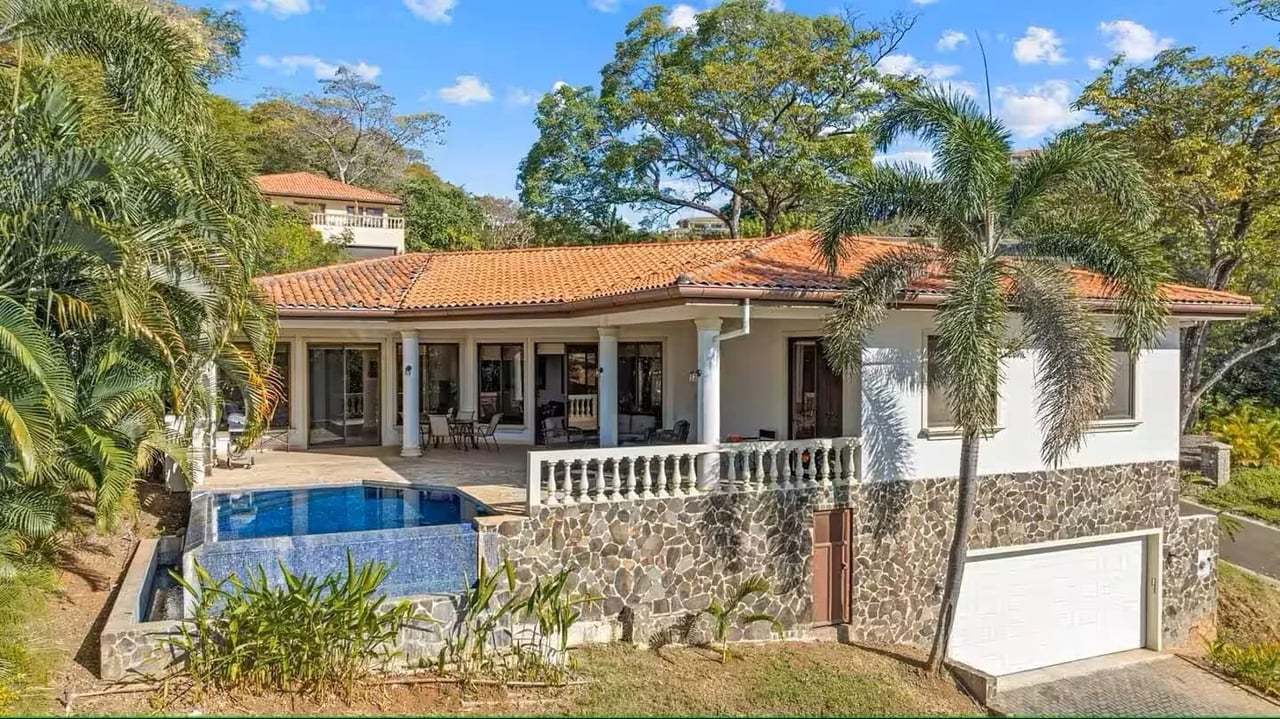
Casa Serena, Lot 89, Pacifico, Playas del Coco, GU 50503, Costa Rica
For Sale
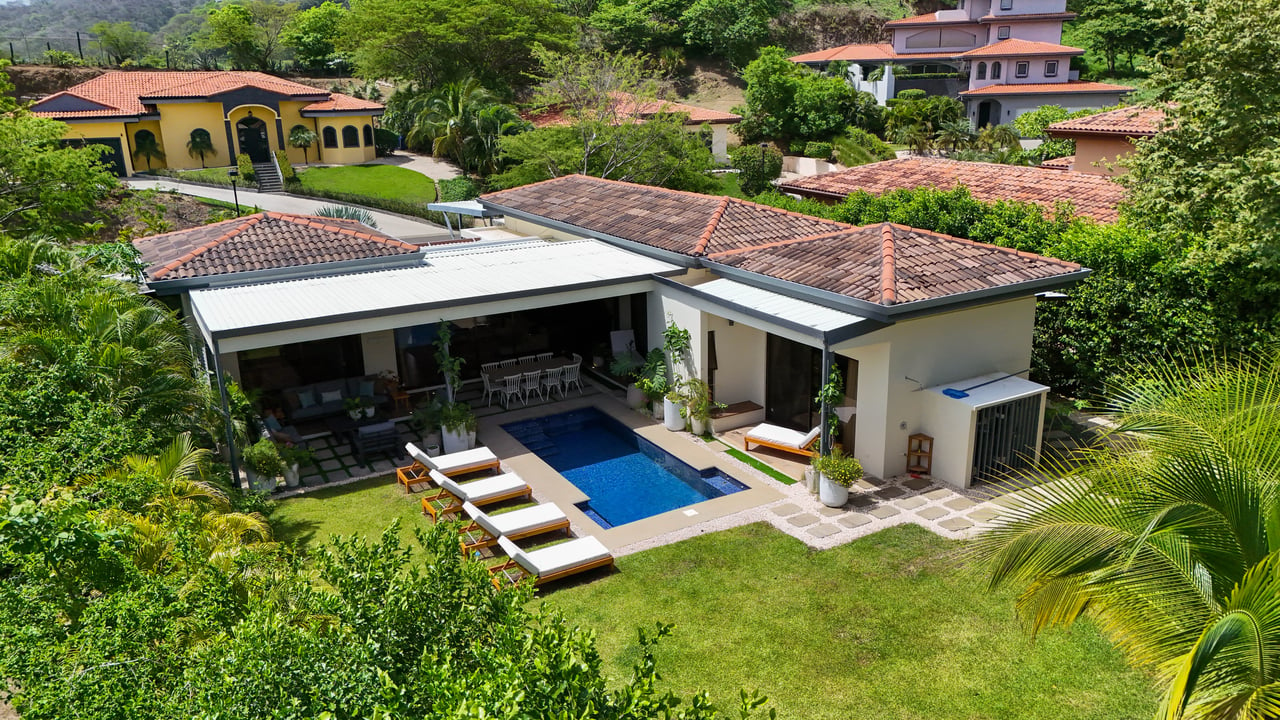
Casa Sanctuary, Pacifico, Playas del Coco, GU 50503, Costa Rica
For Sale
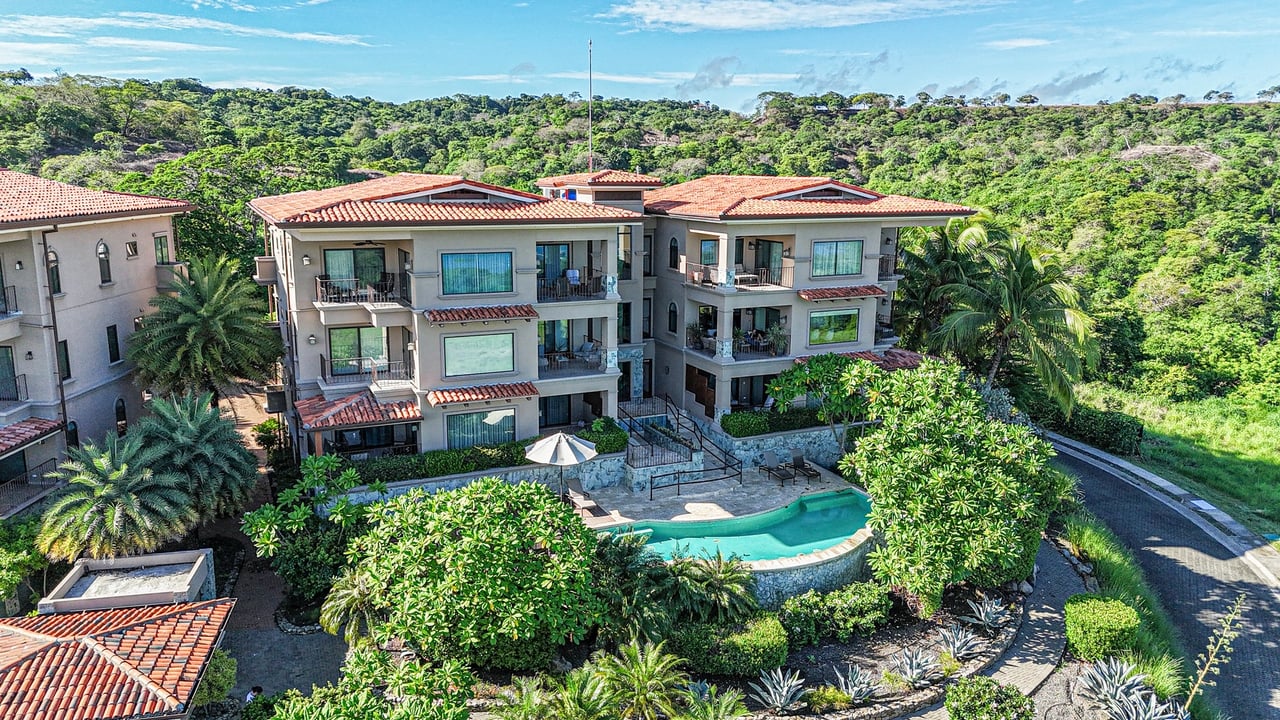
Ocean View Jaguar Village A1, Playa Panama, GU 50508, Costa Rica
For Sale
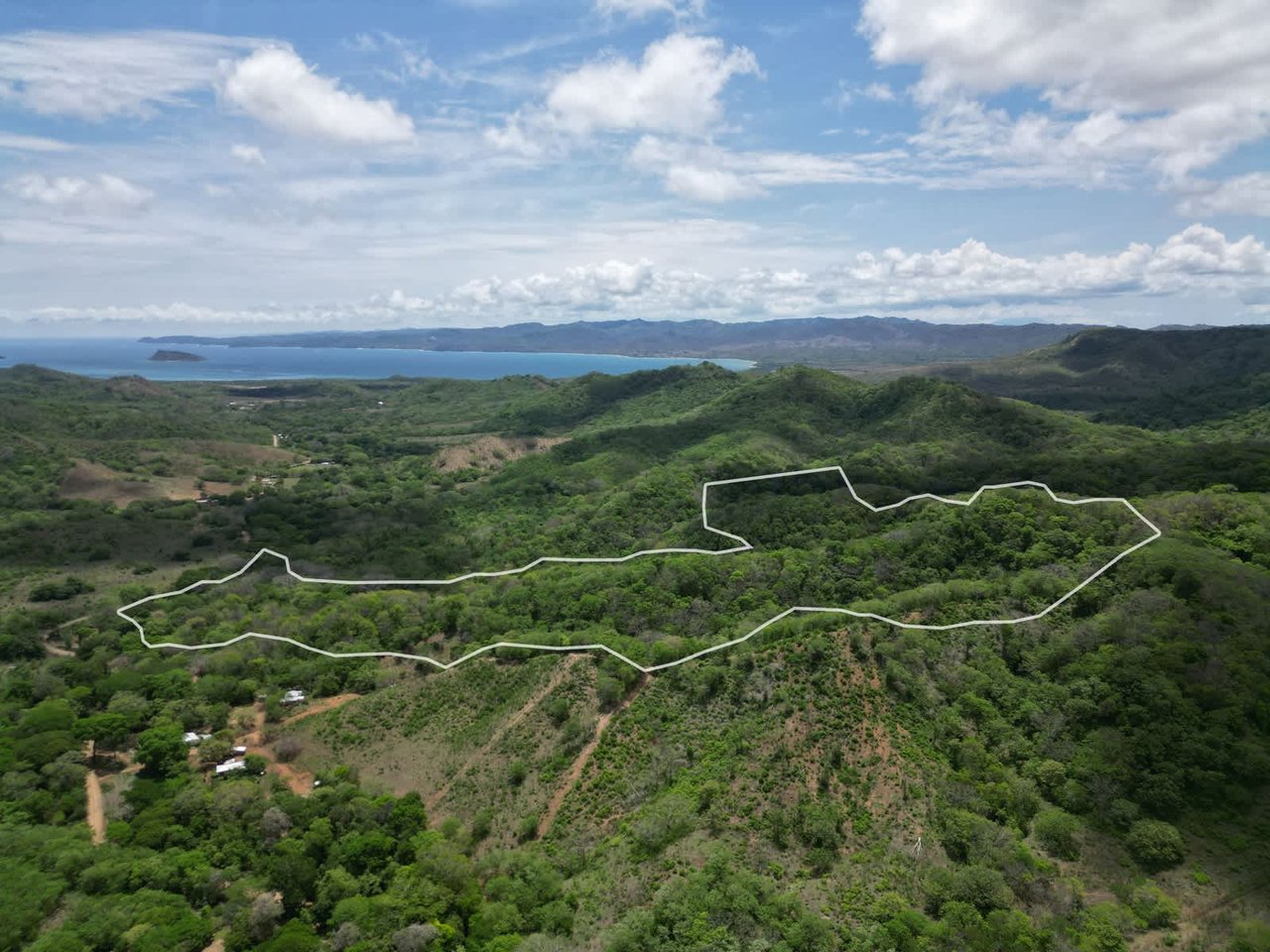
Finca Los Tamarindos, La Cruz, GU 50503, Costa Rica
For Sale
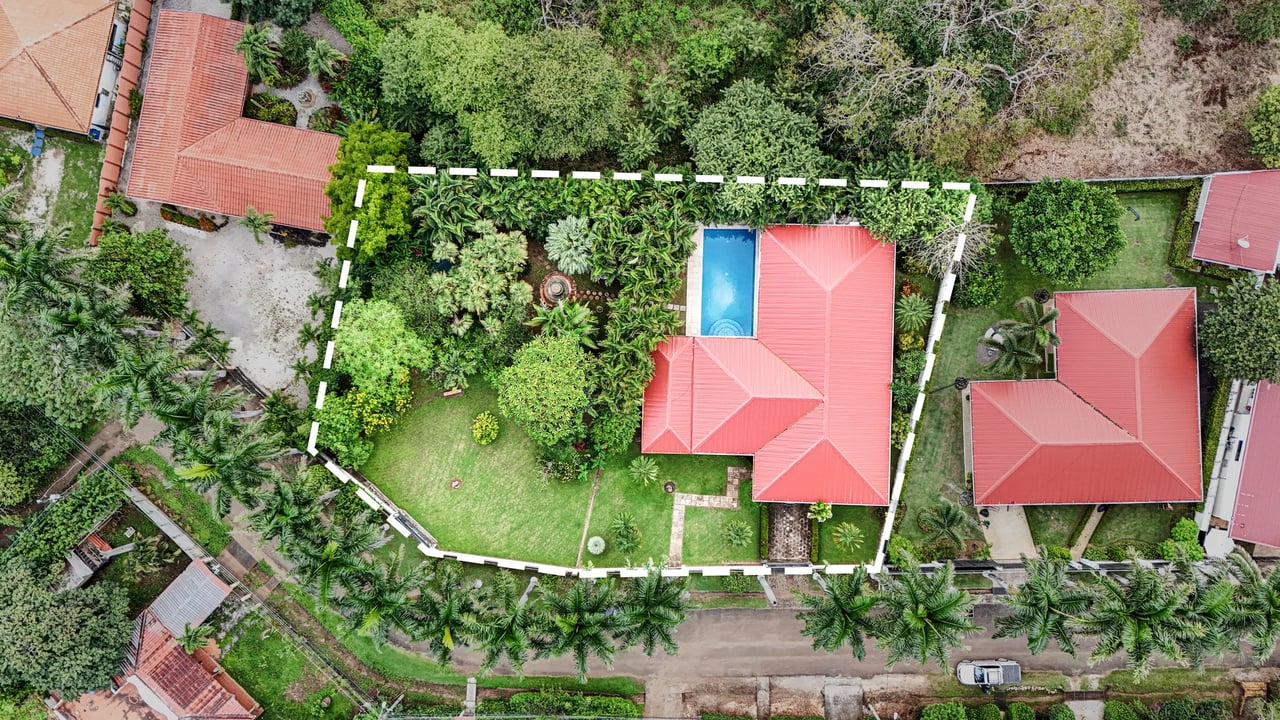
Casa Idea Verde, Playas del Coco, GU 50503, Costa Rica
For Sale
Costa Rican Retreat, Barrio Los Canales, Playas del Coco, GU 50503, Costa Rica
For Sale
Luxury Ocean View Condo, Unit 522, Pacifico, Playas del Coco, GU 50503, Costa Rica
For Sale
Azul Paraiso 11B, Playa Ocotal, GU 50503, Costa Rica
For Sale
Full Ocean View Lot Ocotal, #61, Playa Ocotal, GU 50503, Costa Rica
For Sale
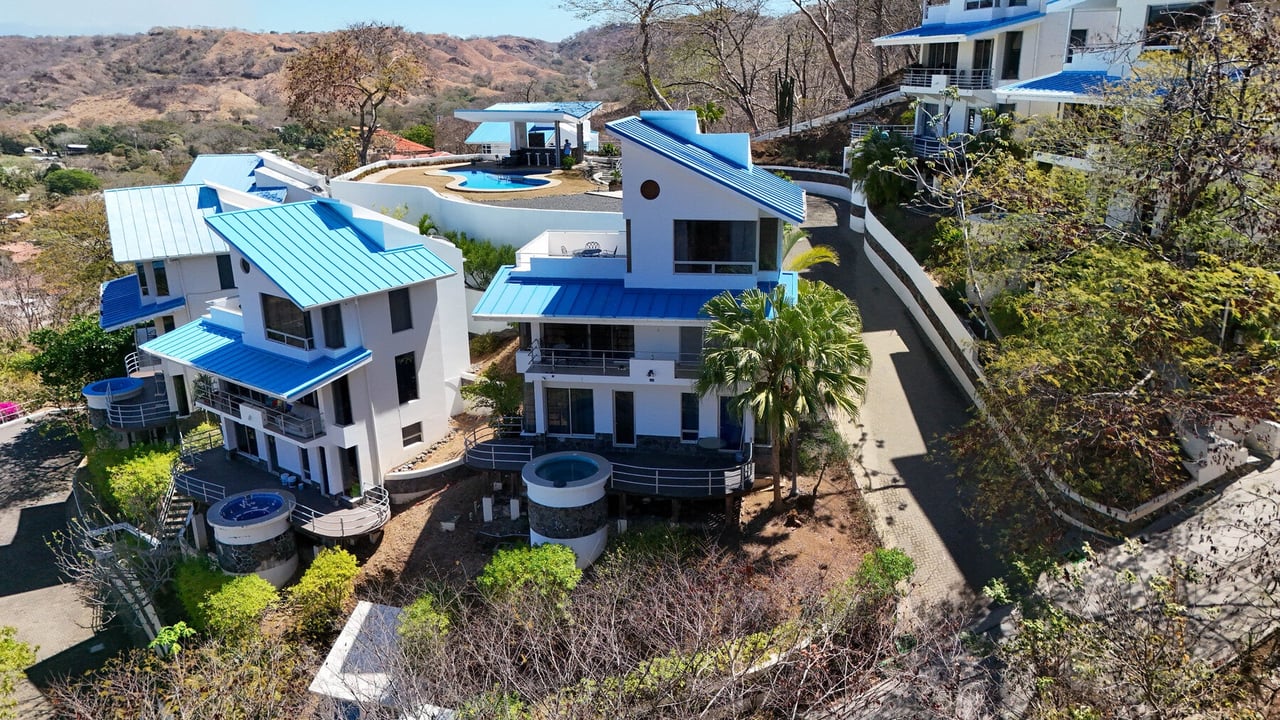
House Of Winds 1, Playas del Coco, GU 50503, Costa Rica
For Sale
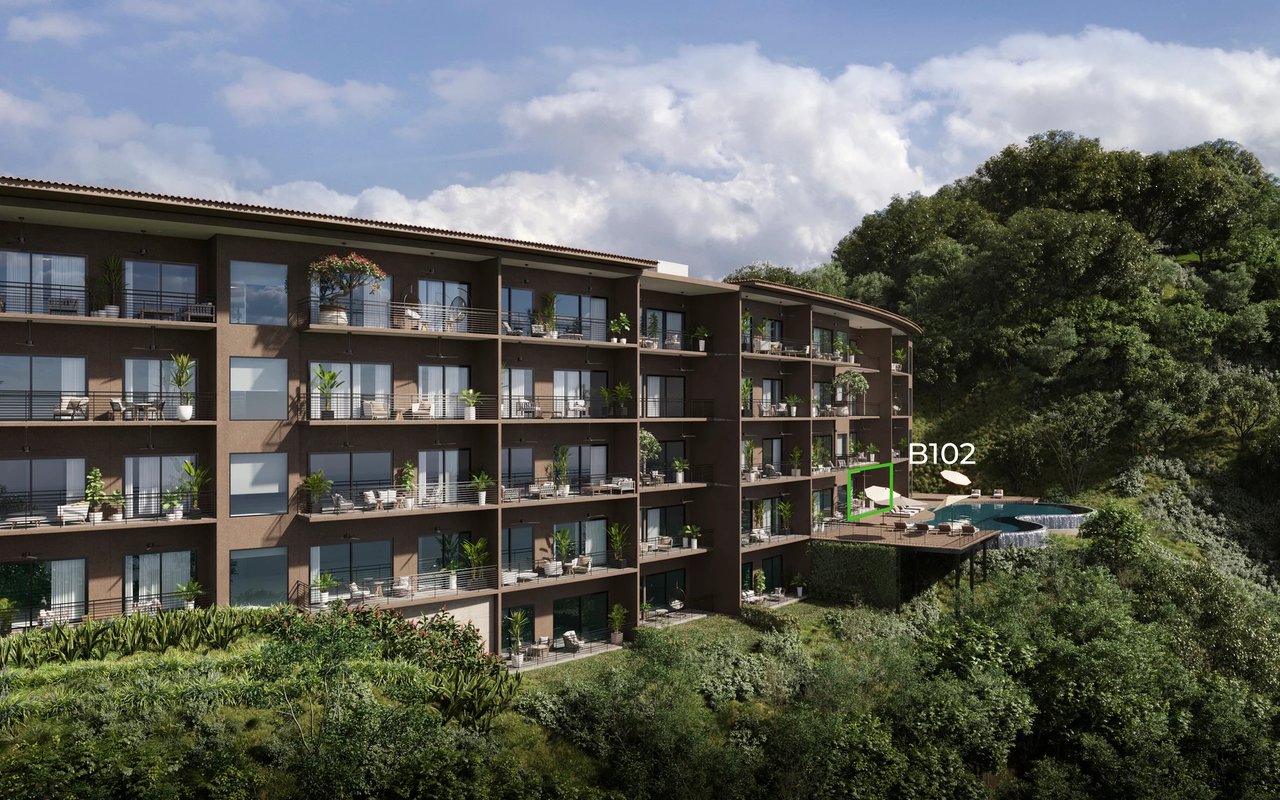
Brand New Pool-Level Oceanfront Condo B102, Azul Paraiso, Playa Ocotal, GU 50503, Costa Rica
For Sale
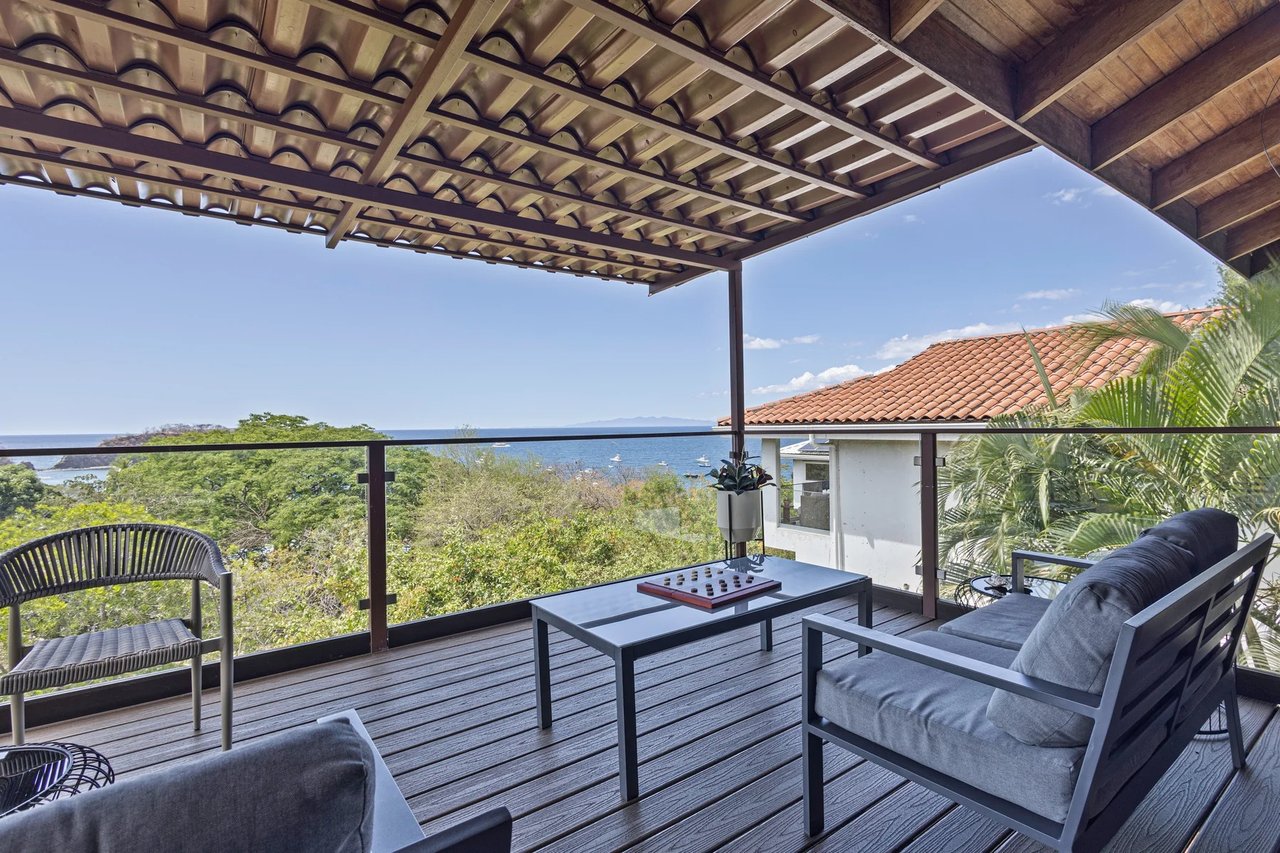
Beachfront Villa unit 17, Los Almendros, Playa Ocotal, GU 50503, Costa Rica
For Sale
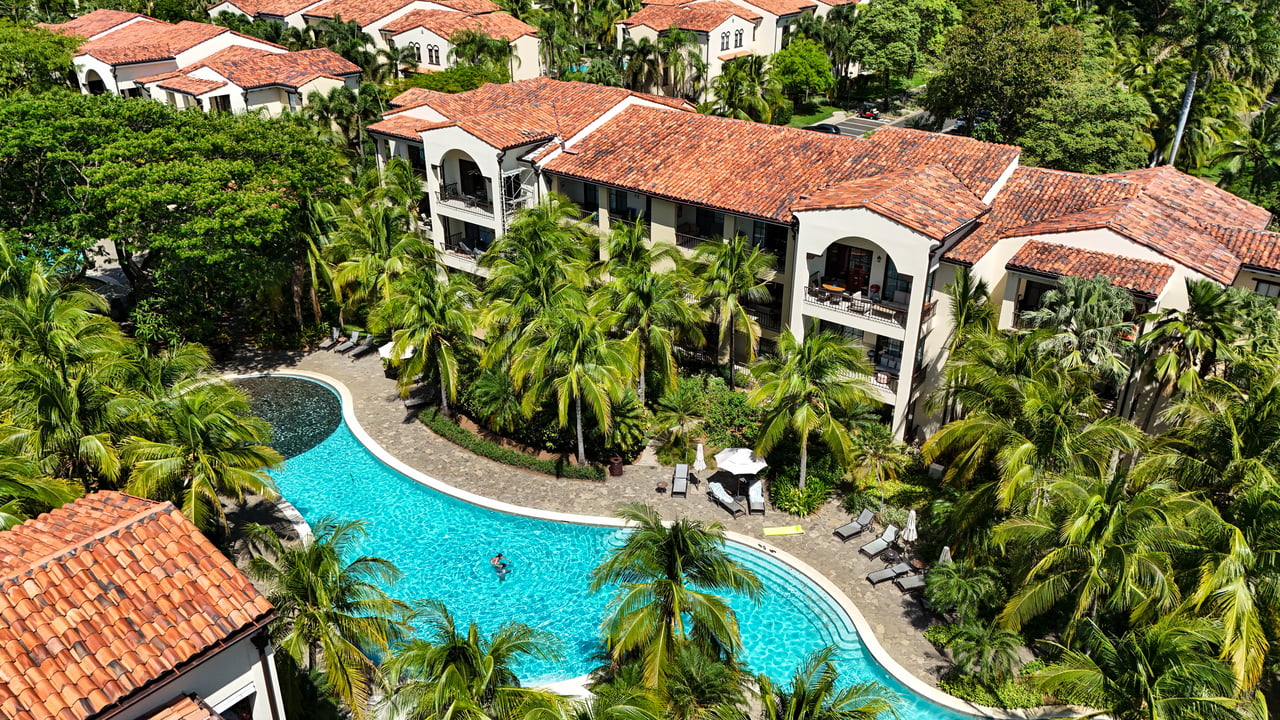
Pacifico L508, Playas del Coco, GU 50503, Costa Rica
For Sale
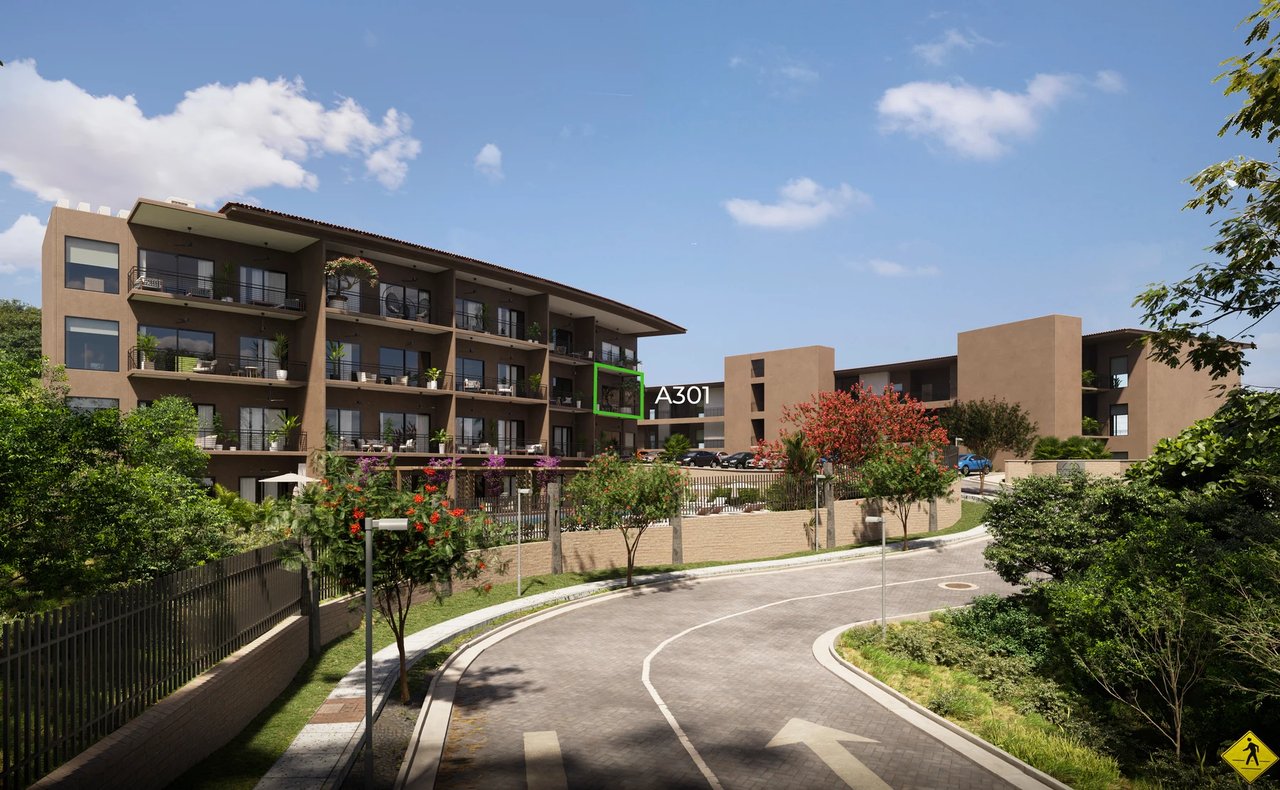
Unit A301 - Type B1, Azul Paraiso, Playa Ocotal, GU 50503, Costa Rica
For Sale
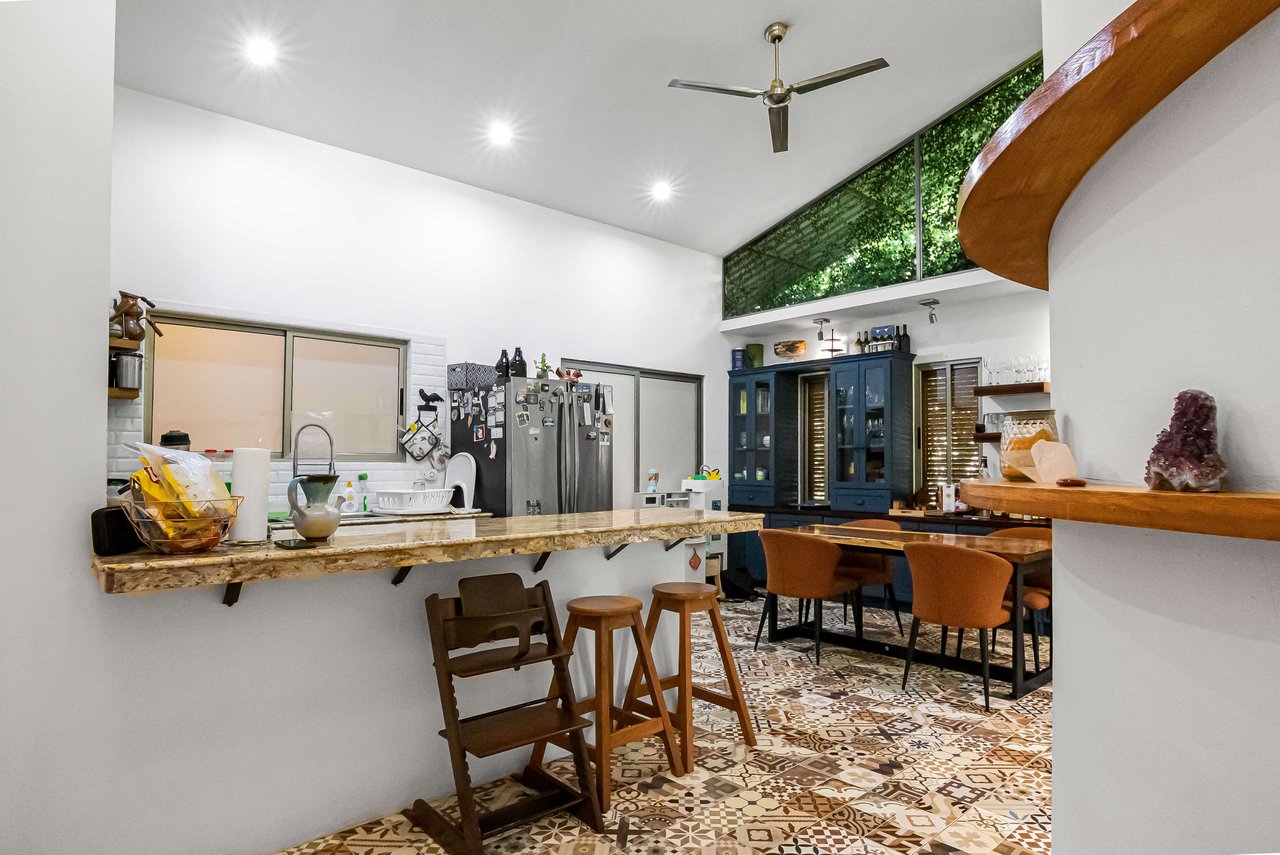
Casa Congos, Casa Congos, Playas del Coco, GU 50503, Costa Rica
For Sale
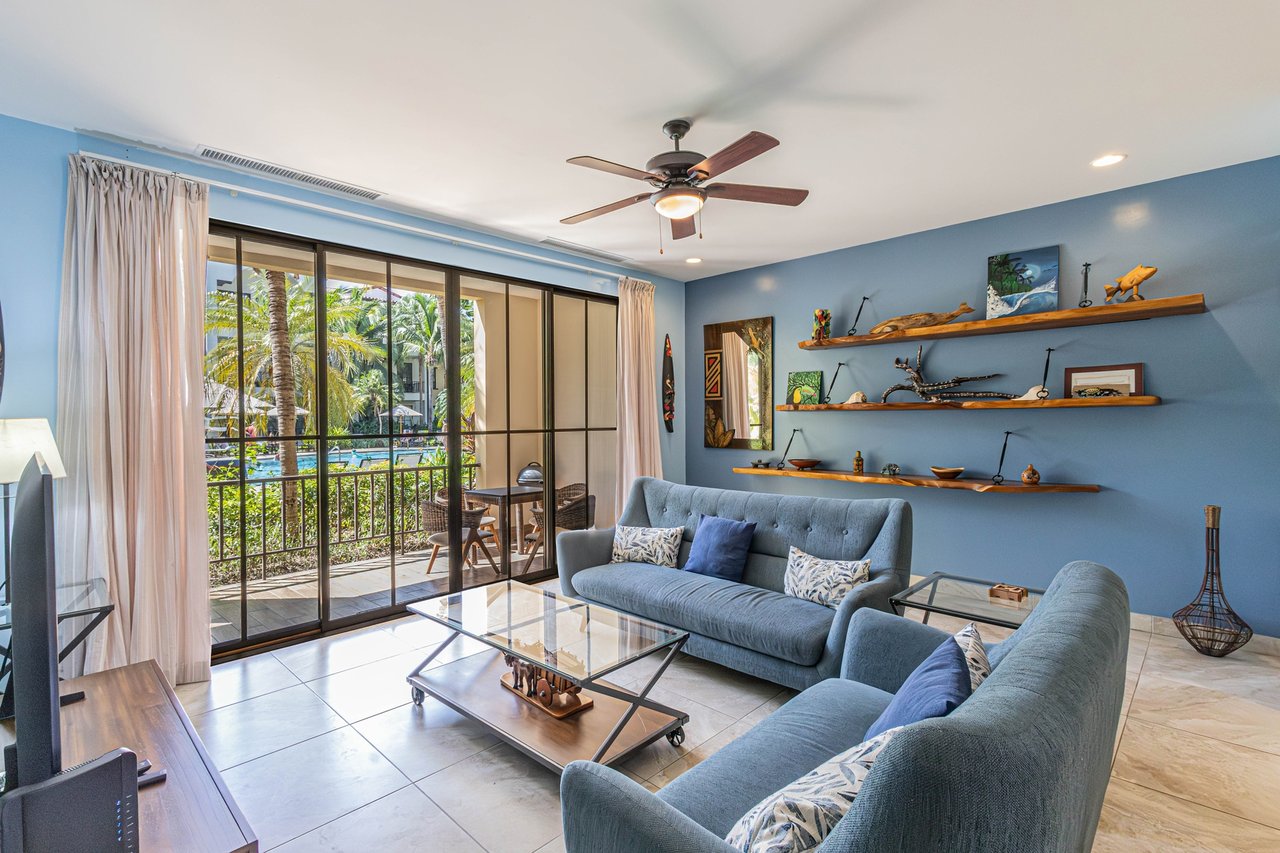
Pacifico L204, Playas del Coco, GU 50503, Costa Rica
For Sale
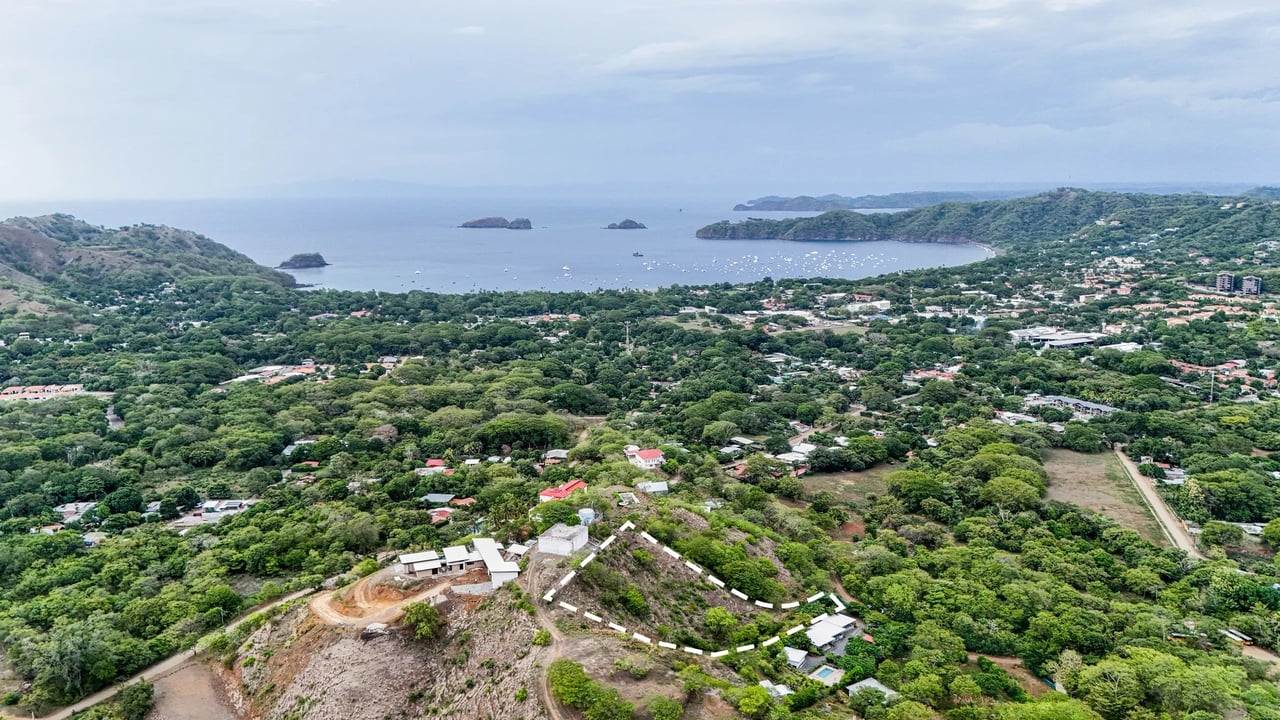
Ocean View Investment Land, Playas del Coco, GU 50503, Costa Rica
For Sale
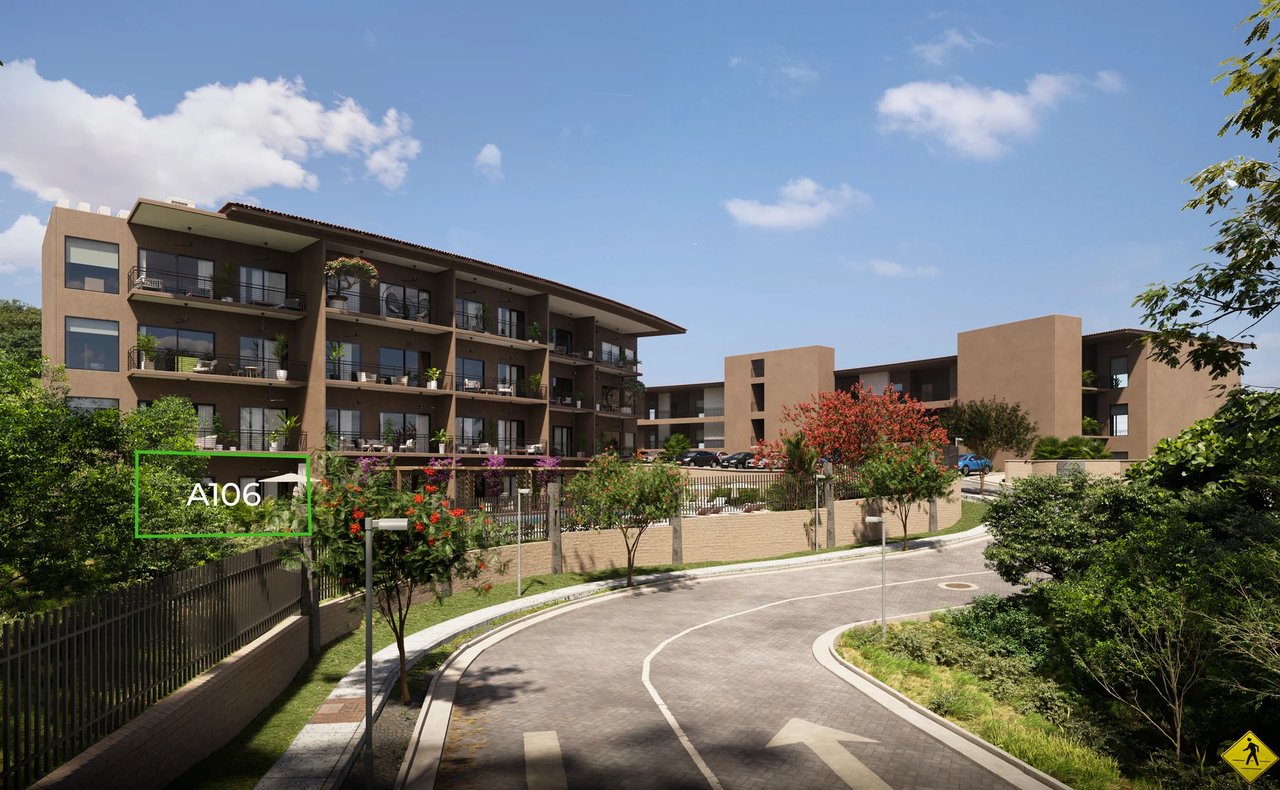
Unit A106 - Type B1, Azul Paraiso, Playa Ocotal, GU 50503, Costa Rica
For Sale
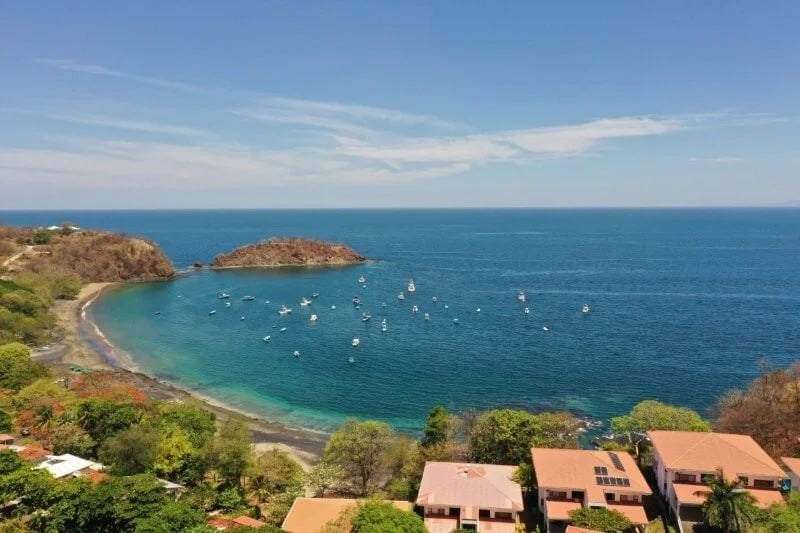
Renovated Ocean View Condo #39, Los Almendos, Playa Ocotal, GU 50503, Costa Rica
For Sale
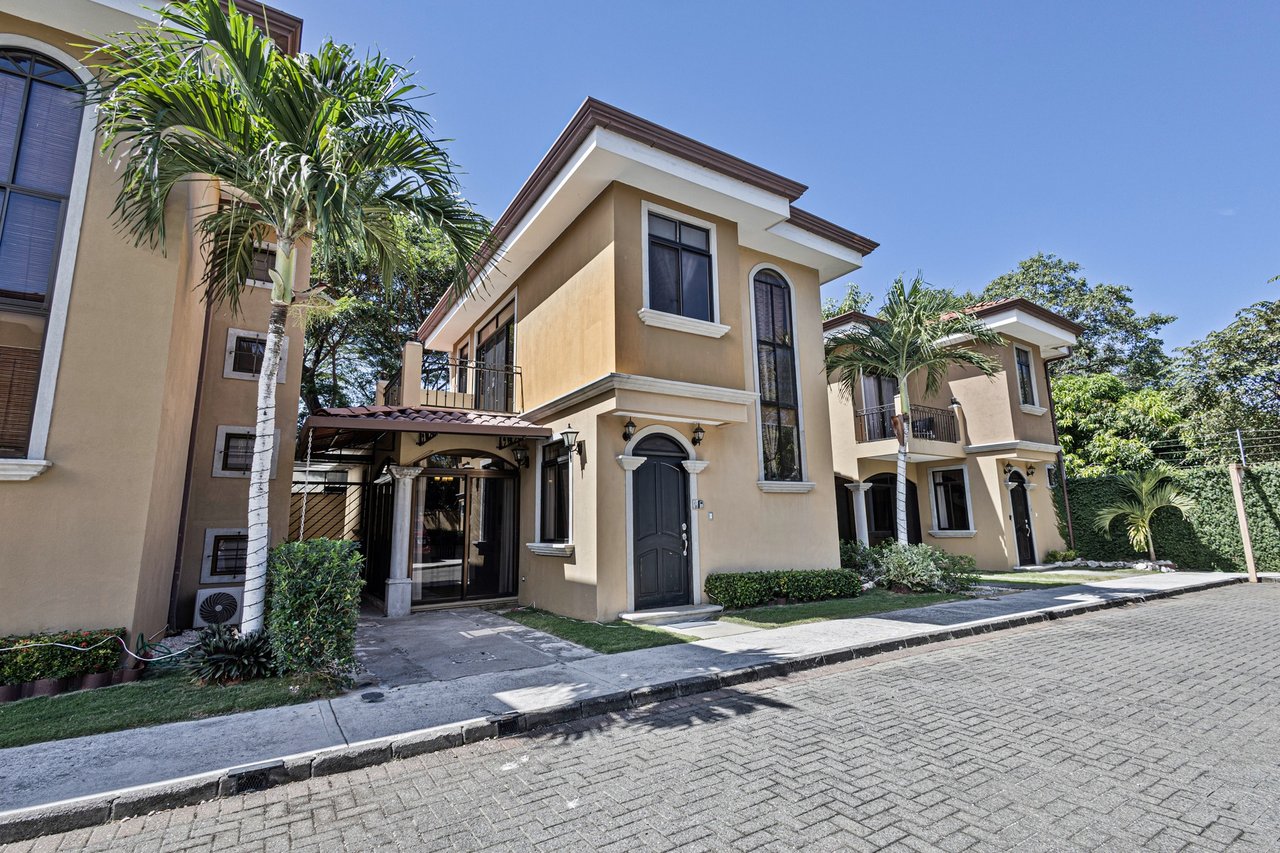
Arrecifes #11, Playas del Coco, GU 50503, Costa Rica
For Sale
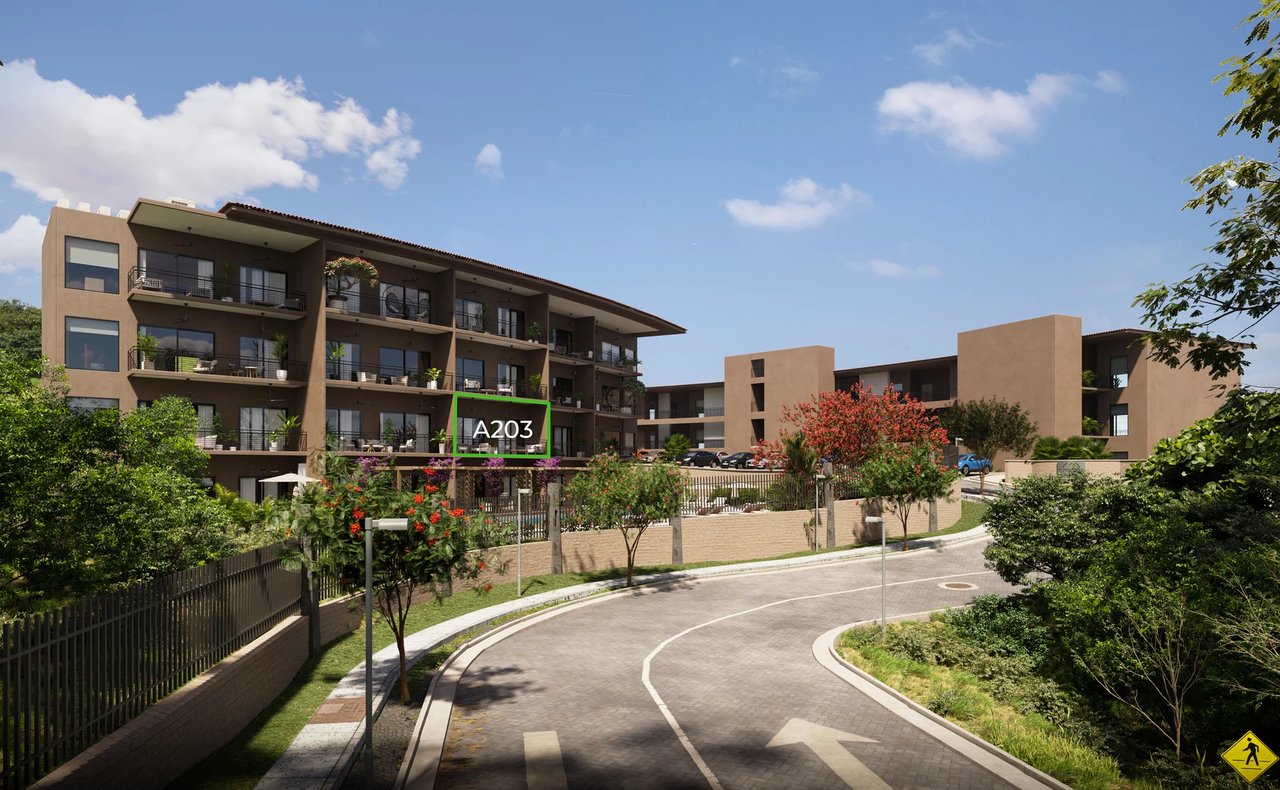
Unit A203 - Type A, Azul Paraiso, Playa Ocotal, GU 50503, Costa Rica
For Sale
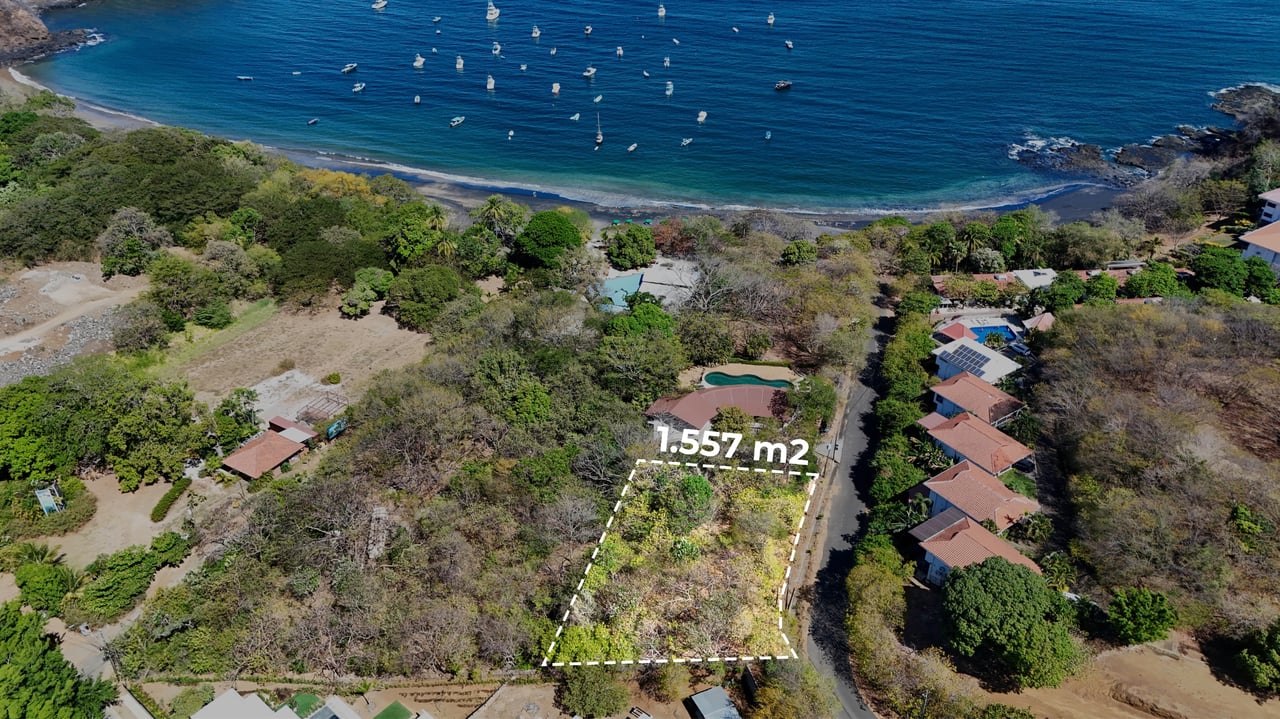
Playa Ocotal Lot, Playa Ocotal, GU 50503, Costa Rica
For Sale
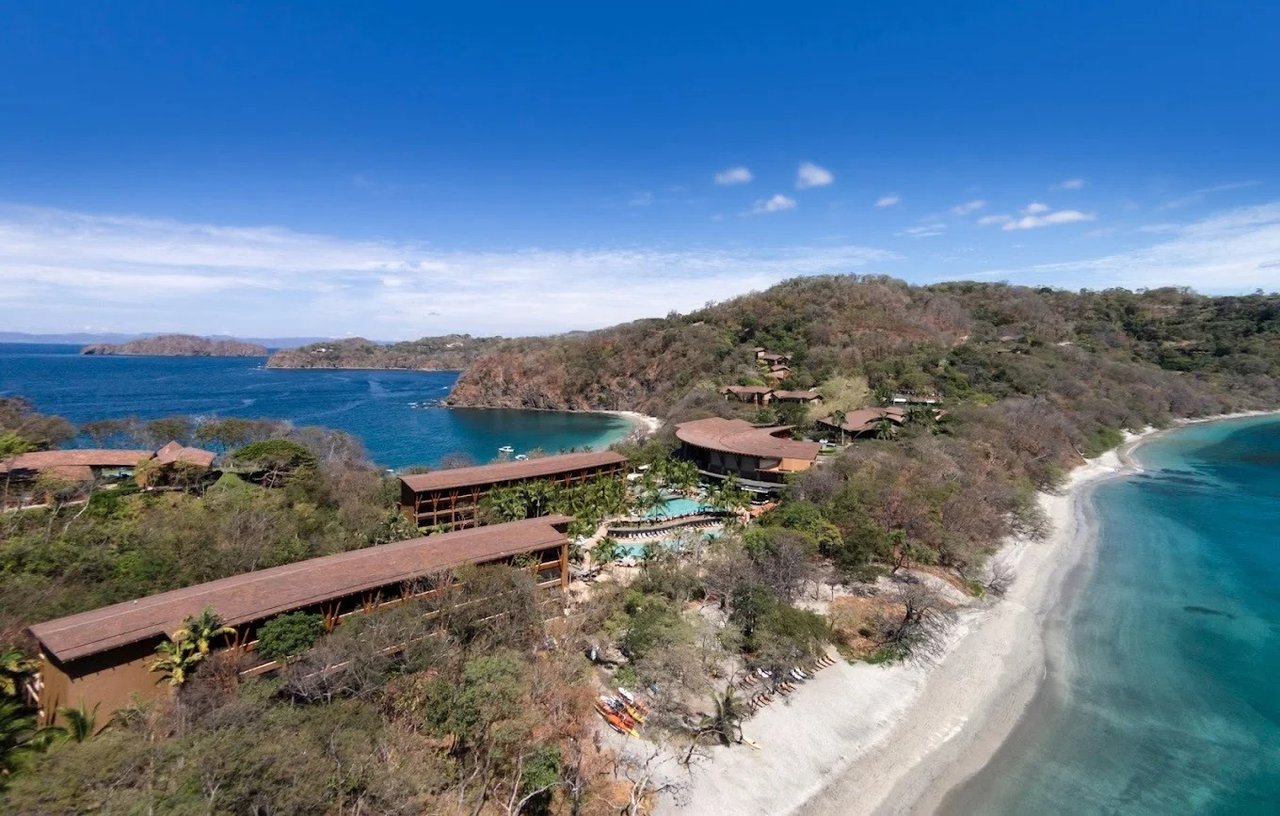
Four Seasons Fractional Condo, Four Seasons, Papagayo, GU 50104, Costa Rica
For Sale
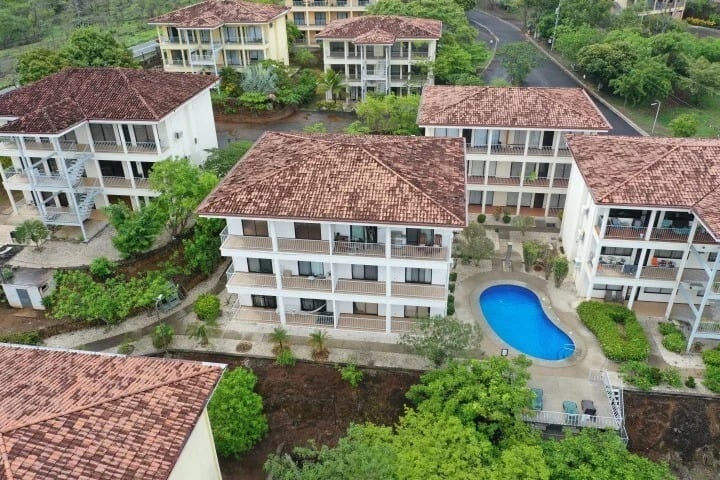
Ocean View Condo, #E-6, Vista Hermosa, Playas del Coco, GU 50503, Costa Rica
For Sale
Ocean View Condo #O-3, Vista Hermosa, Playas del Coco, GU 50503, Costa Rica
For Sale
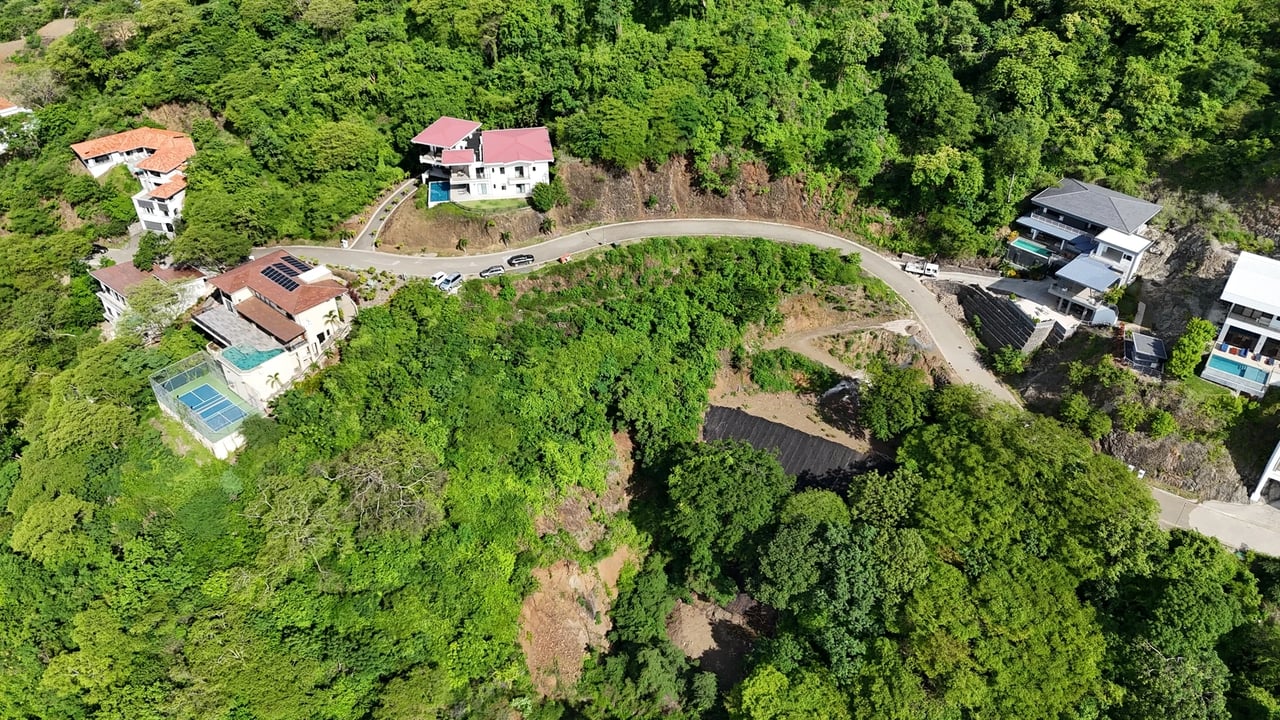
Ocean View Lot #30, Coco Bay, Ocotal, GU 50503, Costa Rica
For Sale
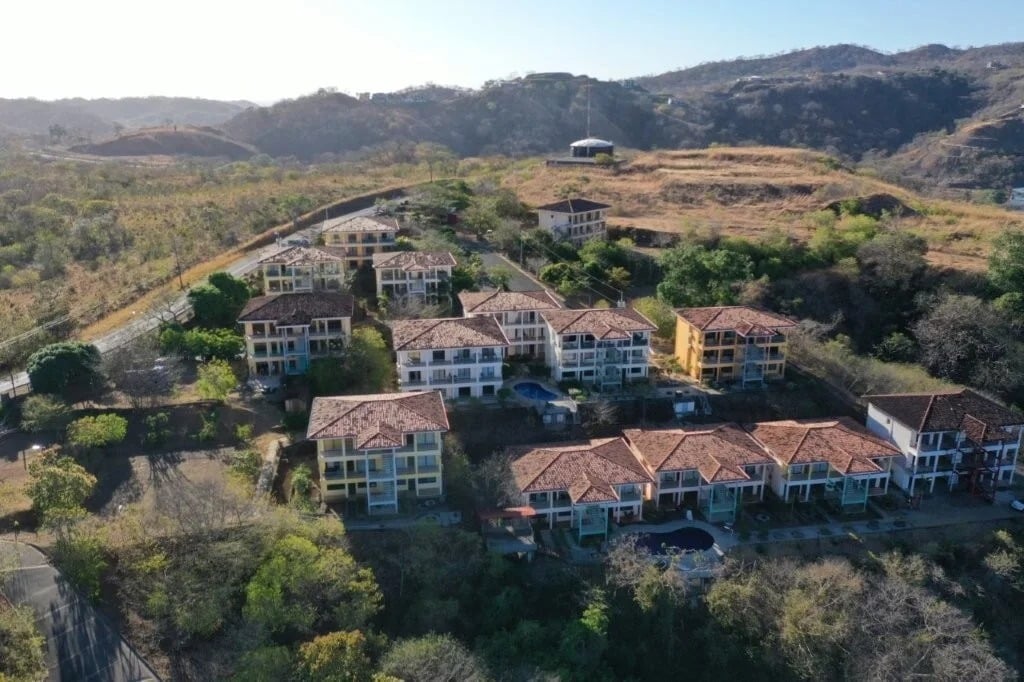
Ocean View Condo, #I-6, Vista Hermosa, GU 50503, Costa Rica
Stay up to date on the latest trends in real estate.
October 15, 2026
October 8, 2026
October 1, 2026
September 24, 2026
September 17, 2026
September 10, 2026
September 3, 2026
August 27, 2026
August 20, 2026