Two Markets, One Weekend: How Playas del Coco Actually Spends Its Sundays
September 17, 2026
September 17, 2026
Sunday morning at Hotel La Puerta del Sol starts with folding tables and the smell of cinnamon and fried dough. Vendors set out sterling silver jewelry piece by piece. Someone pulls loaves of homemade bread out of a cooler. Regulars cut across the hotel grounds toward The Garden Bar without asking anyone where to go, because they already know. This is Pamela's Coco Sunday Market, named for the woman who started it and kept running long after she passed. If you've lived in Coco for more than a season, you know it's not the only market in town. If you're newer here, you probably think it is.
That mix-up is worth untangling, because it points at something true about how this town actually grows. Playas del Coco doesn't trade its older, informal commerce for newer, corporate commerce. It runs both side by side, and the fact that neither has crowded out the other is the more interesting story behind what a weekend here looks like this year.
Pamela's Coco Sunday Market has changed addresses at least once, settling onto the grounds of Hotel La Puerta del Sol with The Garden Bar as its anchor. It runs Sunday mornings into early afternoon, and locals describe it as close to a mandatory stop, one of the only events almost the entire community turns up for. The lineup shifts week to week, more vendors in high season, fewer in the slow months, but the mix stays roughly the same: produce, fish, meat, ready-cooked food, clothing, and crafts from a rotating cast of local and expat sellers. The Garden Bar itself opens for brunch on those mornings, so the market spills into a second, informal gathering point once the stalls start packing up.
The relocation matters more than it sounds. A market that moves onto hotel grounds with parking and shade isn't shrinking. It's finding room to keep growing inside a town that has less spare space every year.
Most people who ask about "the Sunday market" have never heard of EcoMarket El Coco, which is a separate event entirely, set in the center of town rather than on hotel grounds. Its focus skews toward organic goods, both fresh and processed, alongside jewelry, plants, and handmade earth-friendly products from a smaller circle of producers and artisans. It reads less like a social event and more like a working exchange between people who grow or make things and people who want to buy directly from them.
In that same stretch of downtown, Rojas Bros. Boruca Indigenous Art & Gallery has returned to its original location, across from Panadería Tutu. It was the first art gallery in Coco Beach, run by a family with deep roots here, and its return to that original address rather than a relocation to somewhere newer or more visible says something about which parts of town still function as the actual center, regardless of where the newer development has gone.
Here's how the two markets actually compare, side by side, rather than as interchangeable versions of the same idea:
| Market | Where | When | What you'll actually find |
|---|---|---|---|
| Pamela's Coco Sunday Market | Hotel La Puerta del Sol, at The Garden Bar | Sunday, mid-morning to early afternoon | Produce, fish, meat, ready-cooked food, clothing, crafts, a rotating vendor mix |
| EcoMarket El Coco | Coco center | Weekly, smaller and more focused | Organic goods, artisan products, plants, direct producer-to-buyer sales |
The overlap between them is smaller than most newcomers assume. One is a social institution built around a hotel's open grounds. The other is a working market tucked into the older commercial core, closer in spirit to a standing appointment between growers and regulars than a weekend event.
The same stretch of town that holds EcoMarket and the Rojas Bros. gallery has also picked up newer additions that didn't exist a few years back. Big Fingers Coffee Roasters opened along the main street, across from The Gym, run by two brothers from Liberia who roast Cafeto del Monte coffee on site. A short walk away, Cata Chocolate makes small-batch chocolate from cacao grown at its own farm in Bijagua de Upala, roasts a house coffee called Solo Bueno, hand-rolls cigars, and runs its shop partly on solar power, feeding surplus energy back into the grid.
Neither business displaced anything. They filled gaps between buildings that were already there, in a part of town that was already anchored by the market and the gallery. That's the pattern worth noticing: growth here tends to slot into the spaces around existing fixtures rather than replacing them outright.
The question worth asking isn't whether Coco is growing. It obviously is. The question is what it's growing instead of, and so far the answer looks like almost nothing.
In March 2026, KFC opened its 69th Costa Rica location in Playas del Coco, with a public opening event on Saturday, March 28. The investment came in near $1.3 million and created 25 direct local jobs, according to reporting from The Costa Rica News. Company officials described the town as one of the country's most dynamic tourism and commerce zones and framed the opening as the second of seven planned for 2026 nationwide.
That kind of investment is easy to read as a signal that a beach town has tipped from local to generic, the moment a national chain decides the numbers work. But Coco's version of this story started well before 2026. The Pacifico Village shopping center, at the entrance to town, brought in a flagship AutoMercado years ago, along with a bank, a pharmacy, and a run of restaurants and fast-food chains. That development didn't erase the town's older commercial core. Downtown still has its soda restaurants, its family-run galleries, its two separate weekend markets. The KFC opening in March 2026 extends a pattern that Pacifico Village started rather than announcing a new one.
Plenty of fast-growing beach towns in this region eventually reach a point where the informal economy gets pushed to the margins, priced out or simply out-competed once national retail arrives in force. Coco's pattern so far looks different. Pamela's market didn't shrink when it relocated, it found room to keep operating at a scale that still draws most of the town on a Sunday. EcoMarket didn't get pushed out of the center of town, and the Rojas Bros. gallery is still sitting across from the same bakery it always was, doing the same work it always did. The new coffee roaster and the chocolate shop didn't open by replacing something, they opened in the gaps.
What that means in practice, if you're already living here, is that your weekend has more options than it used to without losing any of the ones you already had. You can start a Sunday at The Garden Bar, walk EcoMarket afterward if you want something more specific than what the hotel market carries, grab a bag of Cafeto del Monte on the way home, and still have a KFC nearby on a night nobody wants to cook. None of those things came at the cost of another. That's not a small thing in a town whose entire appeal, for a lot of residents, was that it never quite finished turning into somewhere else.
Coco is adding to itself, not converting. The market at the hotel and the market downtown both still open every week, and the newest business on the block usually ends up standing next to the oldest one, not in its place.
If you're already living the Coco routine and find yourself thinking about what your property is actually worth in a town that keeps layering rather than replacing, 2 Costa Rica Papagayo tracks these shifts from the ground here in Playas del Coco. Reach out any time to receive exclusive off-market listings before they're public.
Explore our exclusive listings.
For Sale
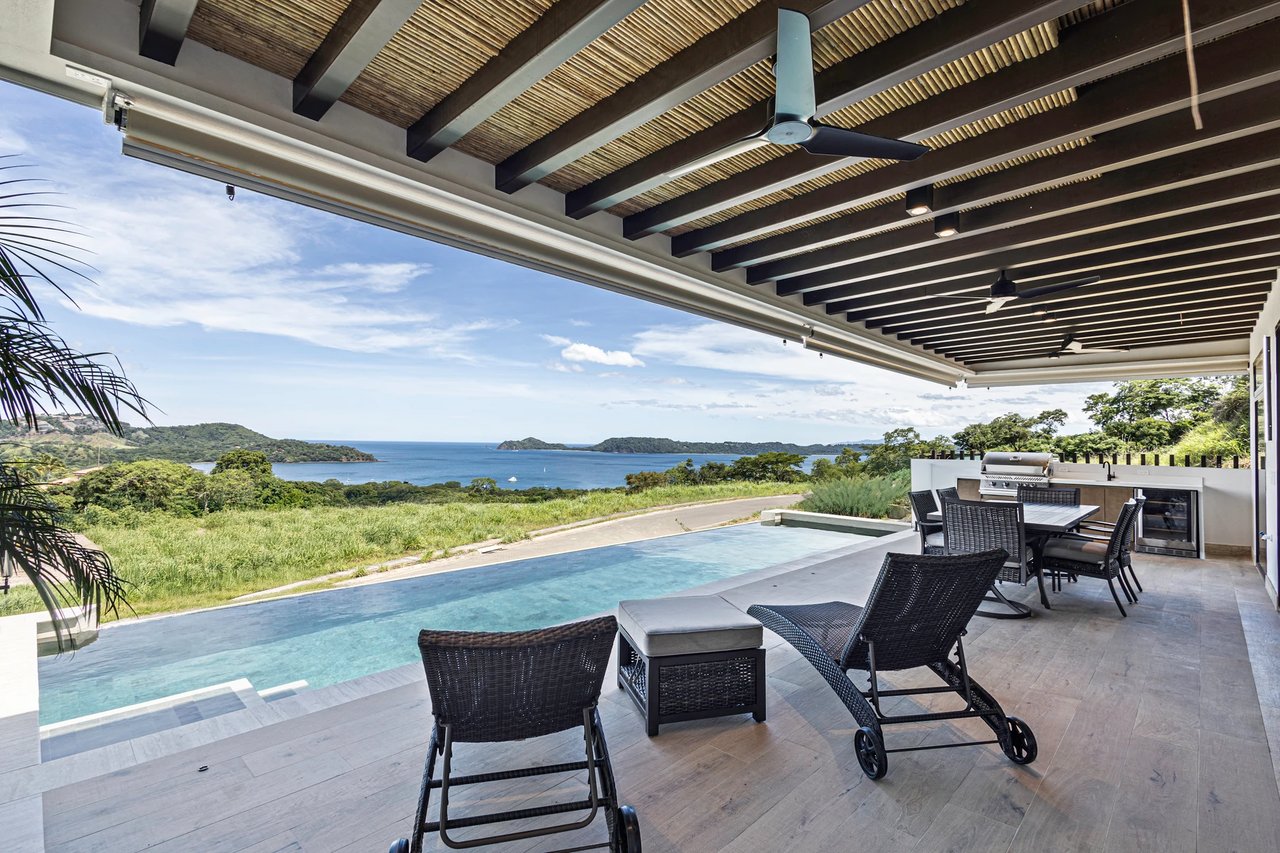
Casa Del Ray, Lot 12B, Hacienda Del Mar, Playa Panama, GU 50503, Costa Rica
For Sale
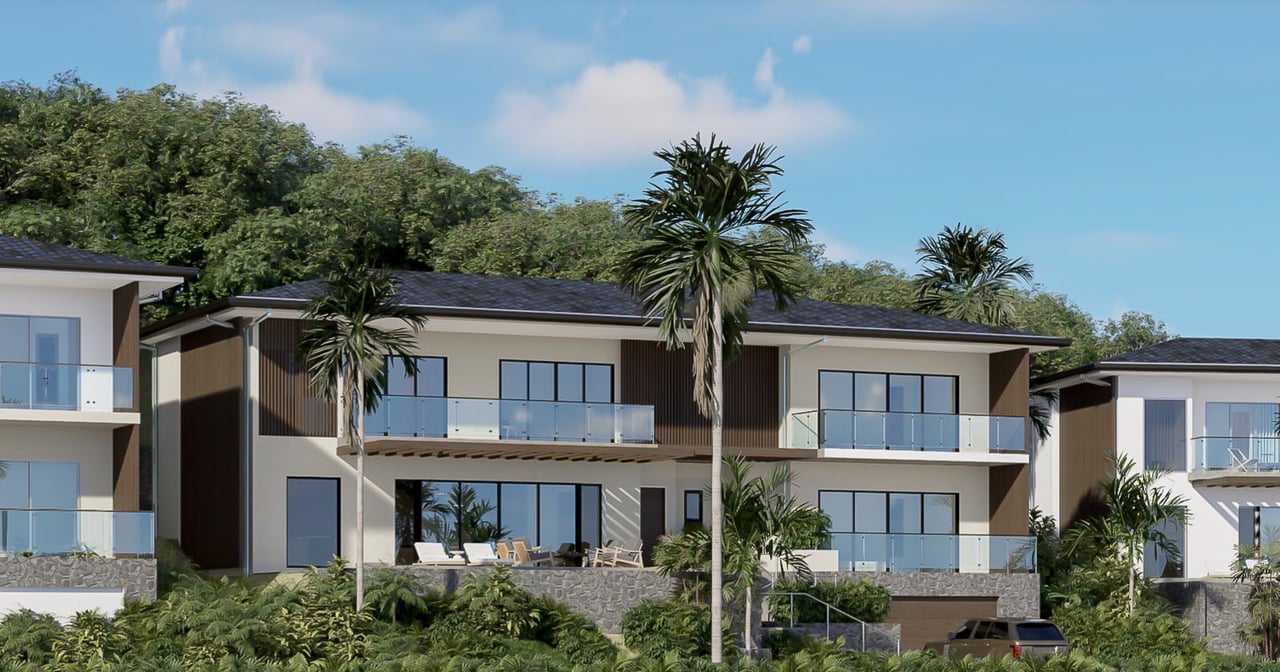
Lot 12B, Hacienda Del Mar, Playa Panama, GU 50503, Costa Rica
For Sale
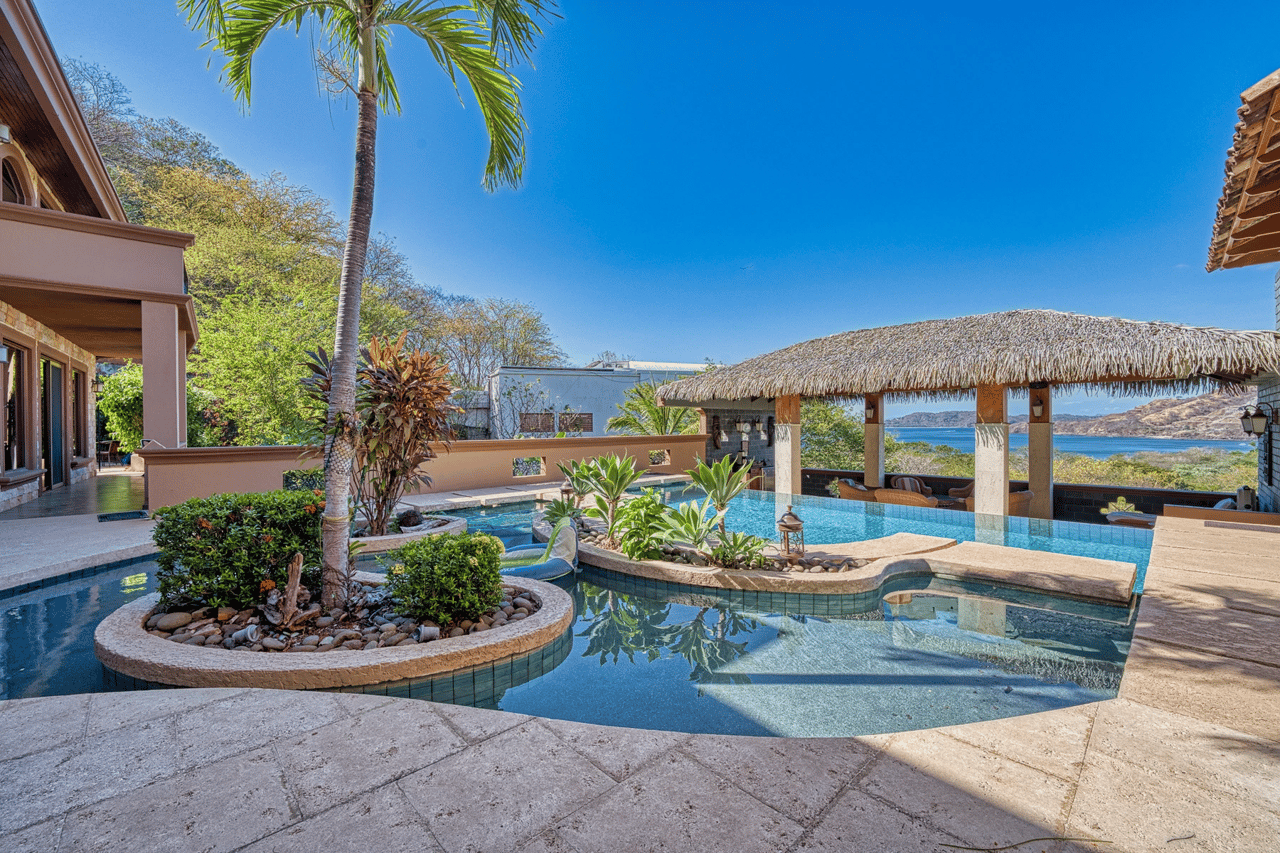
Ocean View Hermosa Montaña, Playa Hermosa, GU 50503, Costa Rica
For Sale
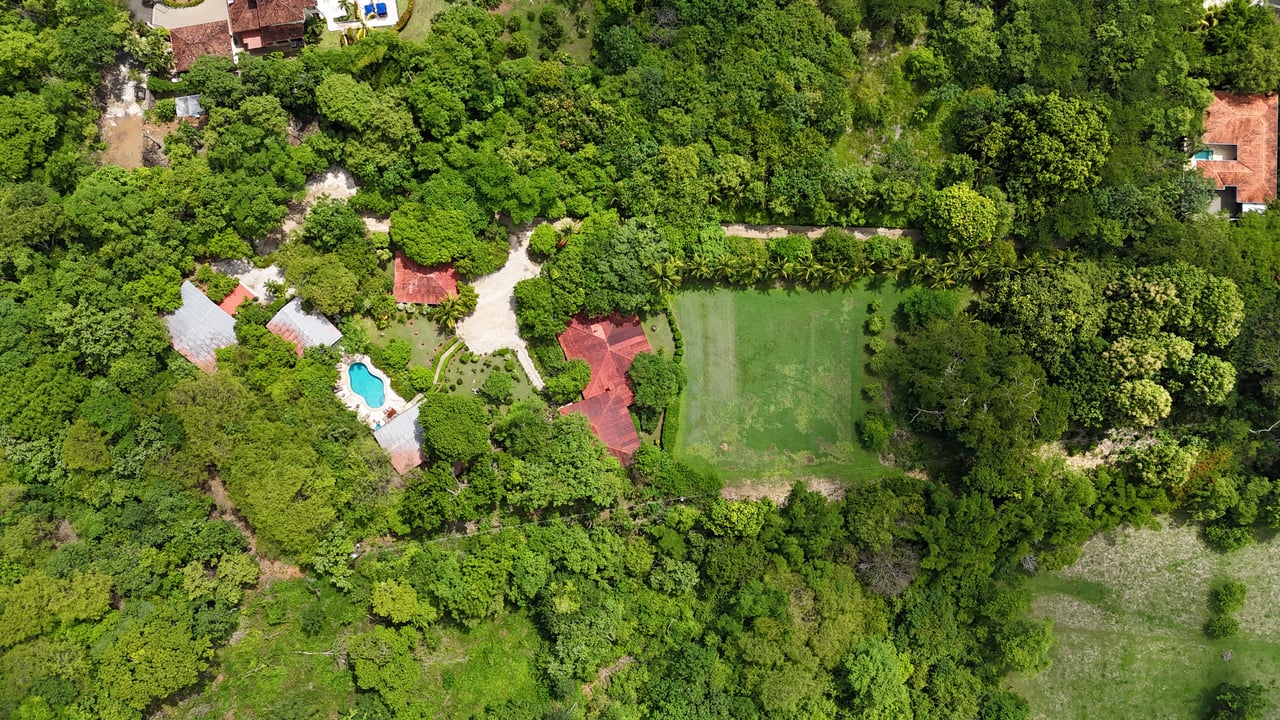
Rancho Armadillo, Monte Seco, Ocean Views, Playas del Coco, GU 50503, Costa Rica
For Sale
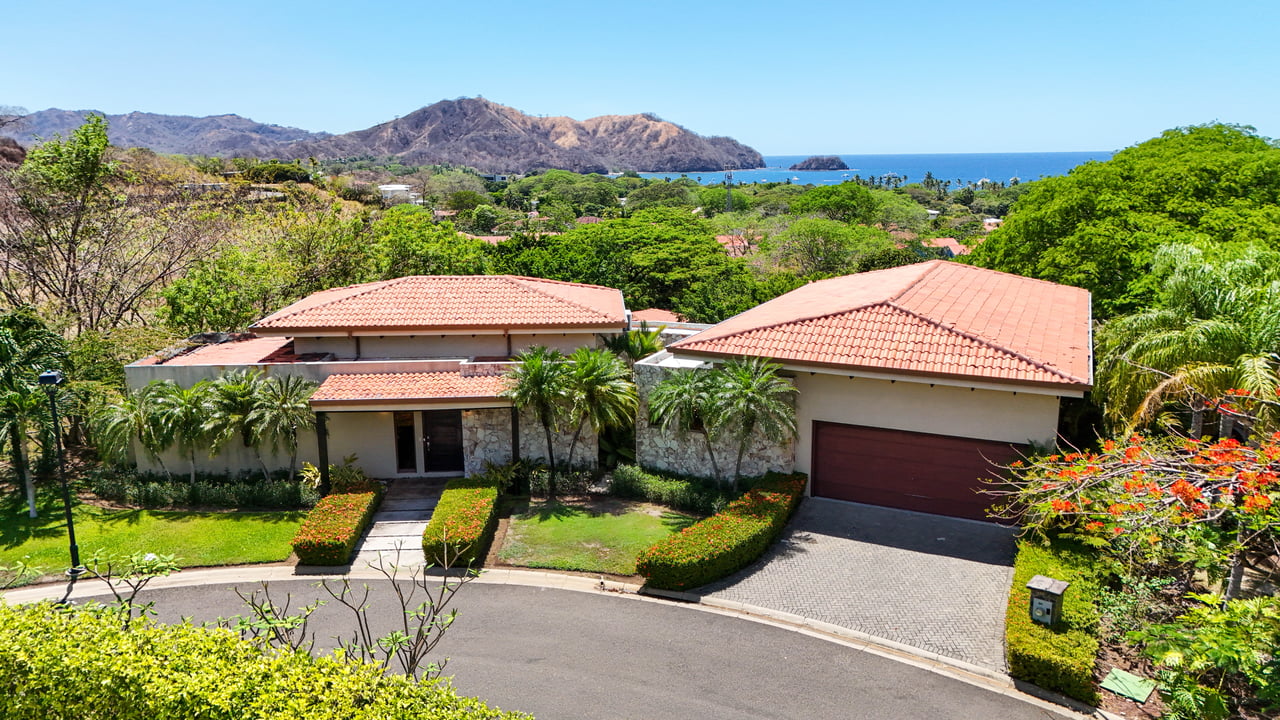
Ocean View Villa 80, Pacifico, Playas del Coco, GU 50503, Costa Rica
For Sale
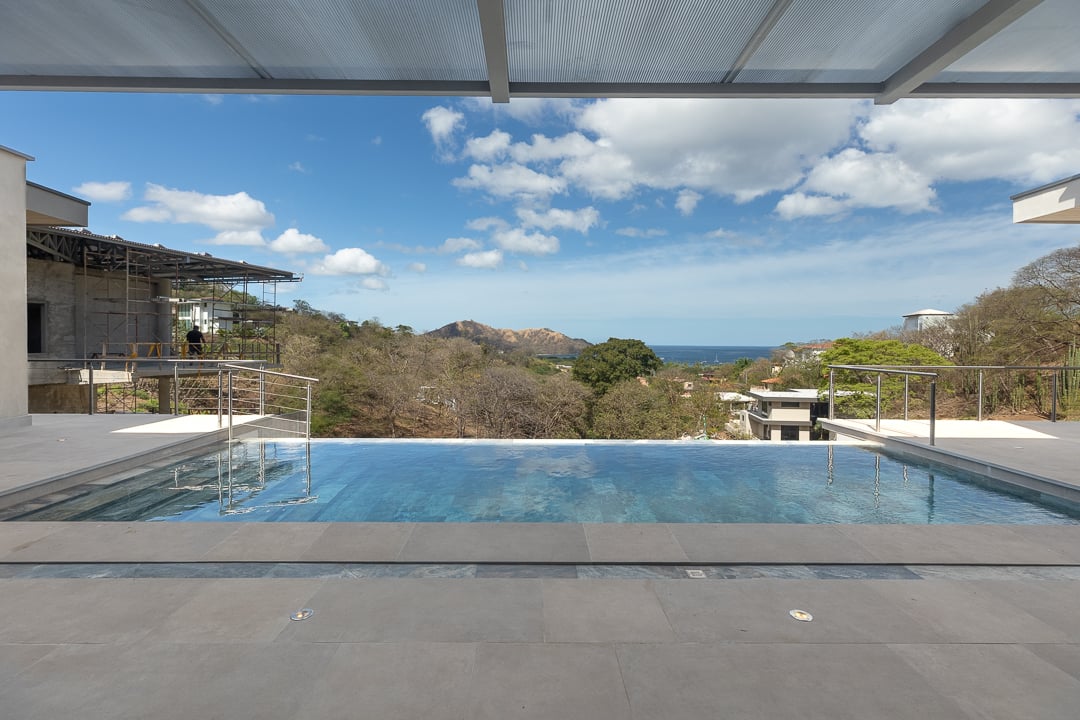
Oceanview Home, Lot 42, Pacifico, Playas del Coco, GU 50503, Costa Rica
For Sale
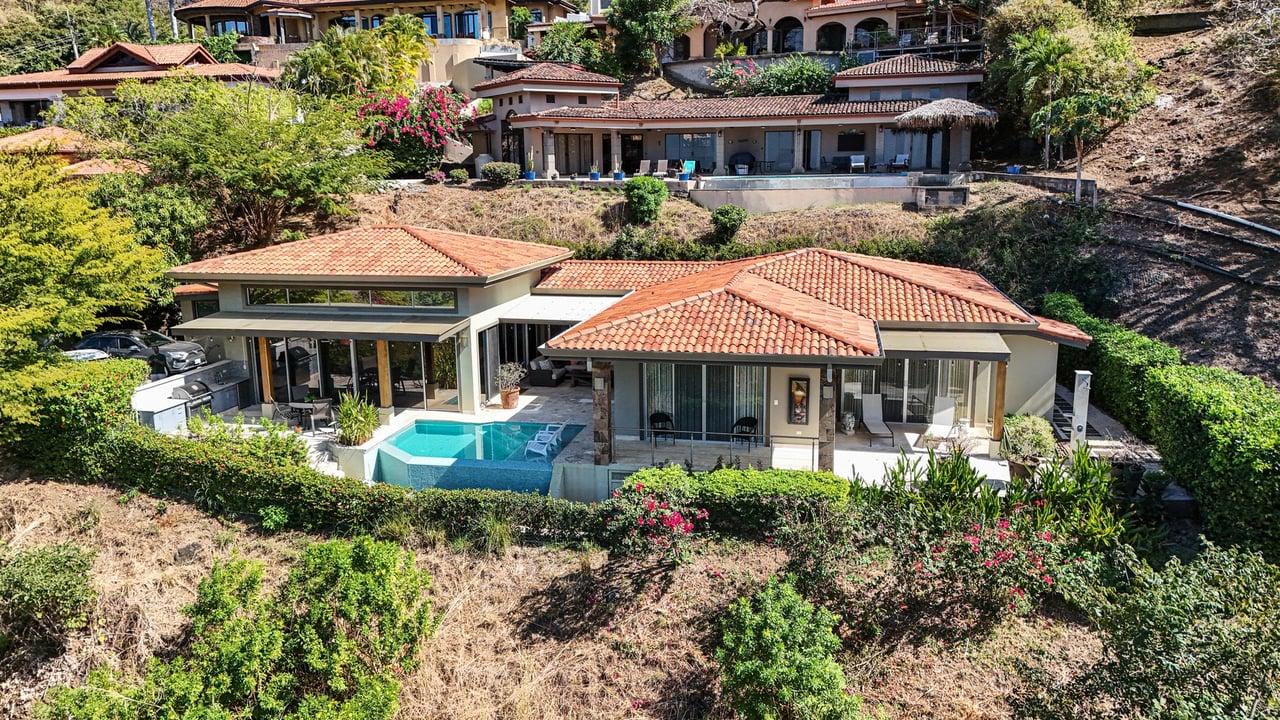
Ocean View Casa De Encanto, Hermosa Heights, Playa Hermosa, GU 50503, Costa Rica
For Sale
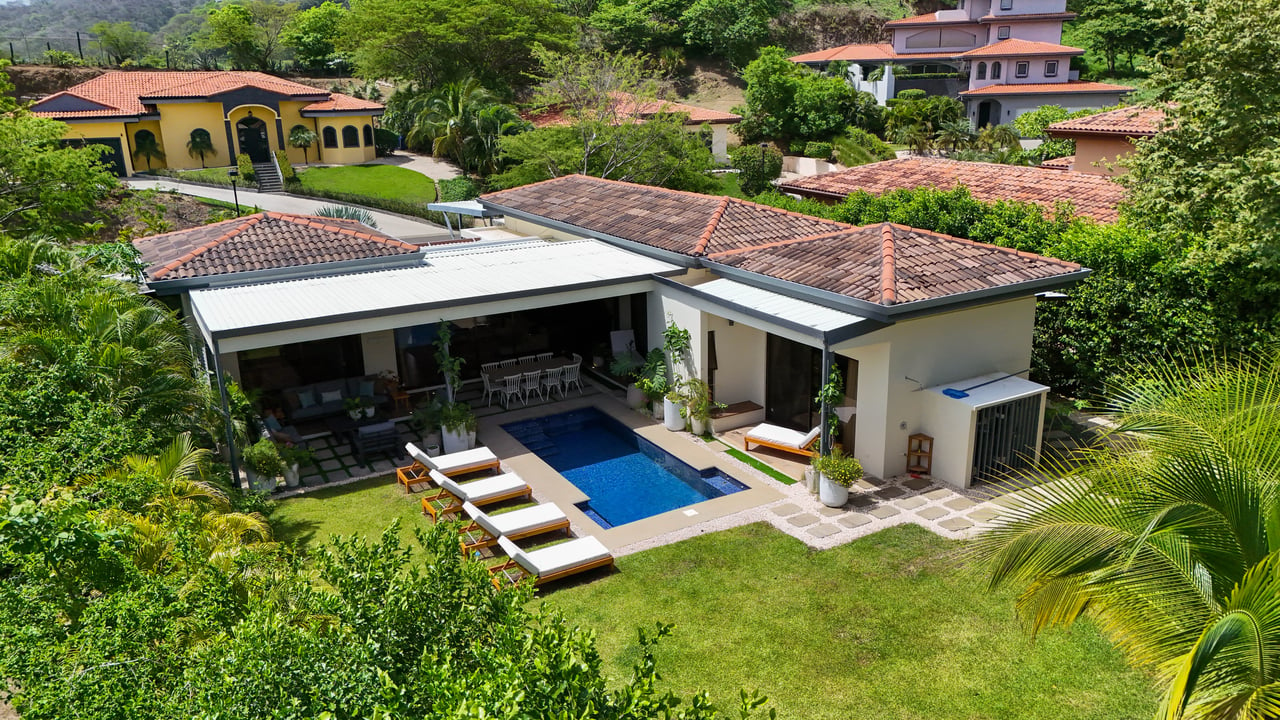
Casa Sanctuary, Pacifico, Playas del Coco, GU 50503, Costa Rica
For Sale
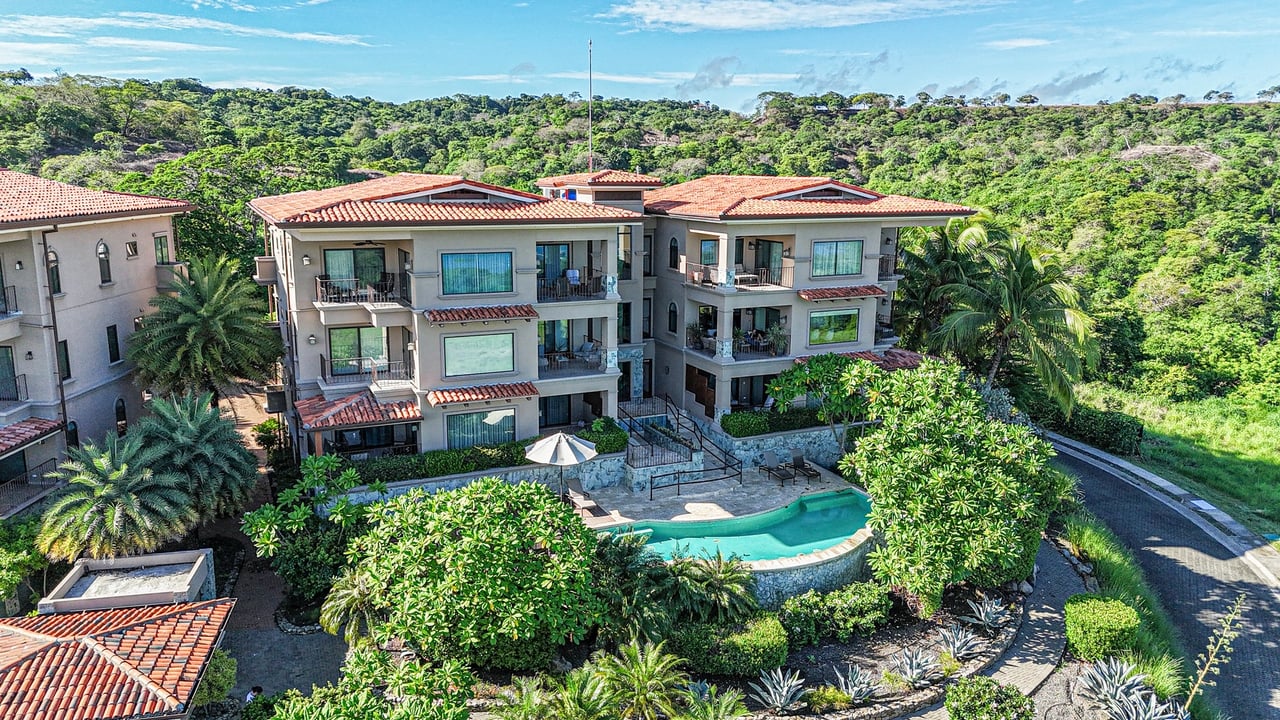
Ocean View Jaguar Village A1, Playa Panama, GU 50508, Costa Rica
For Sale
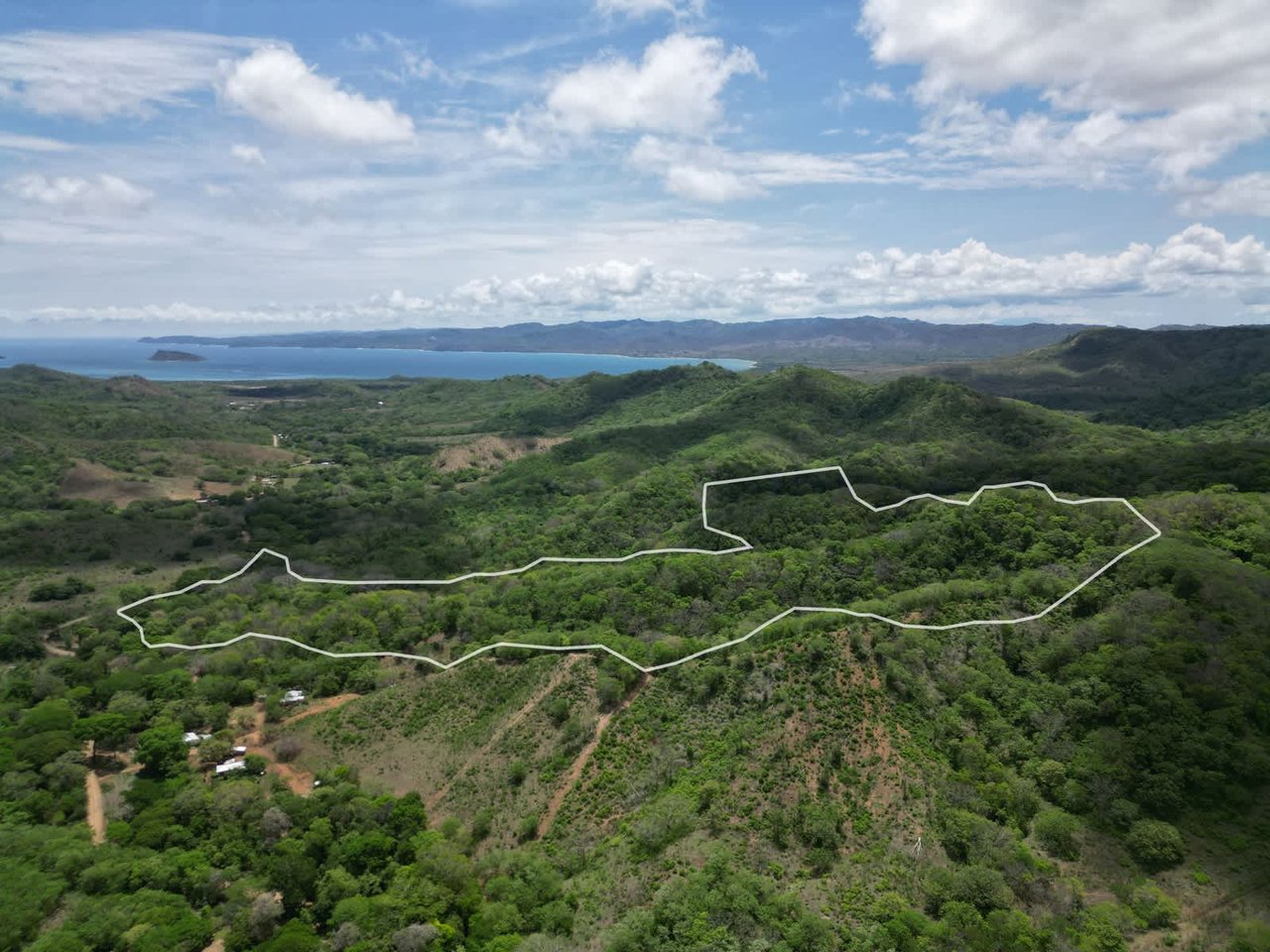
Finca Los Tamarindos, La Cruz, GU 50503, Costa Rica
For Sale
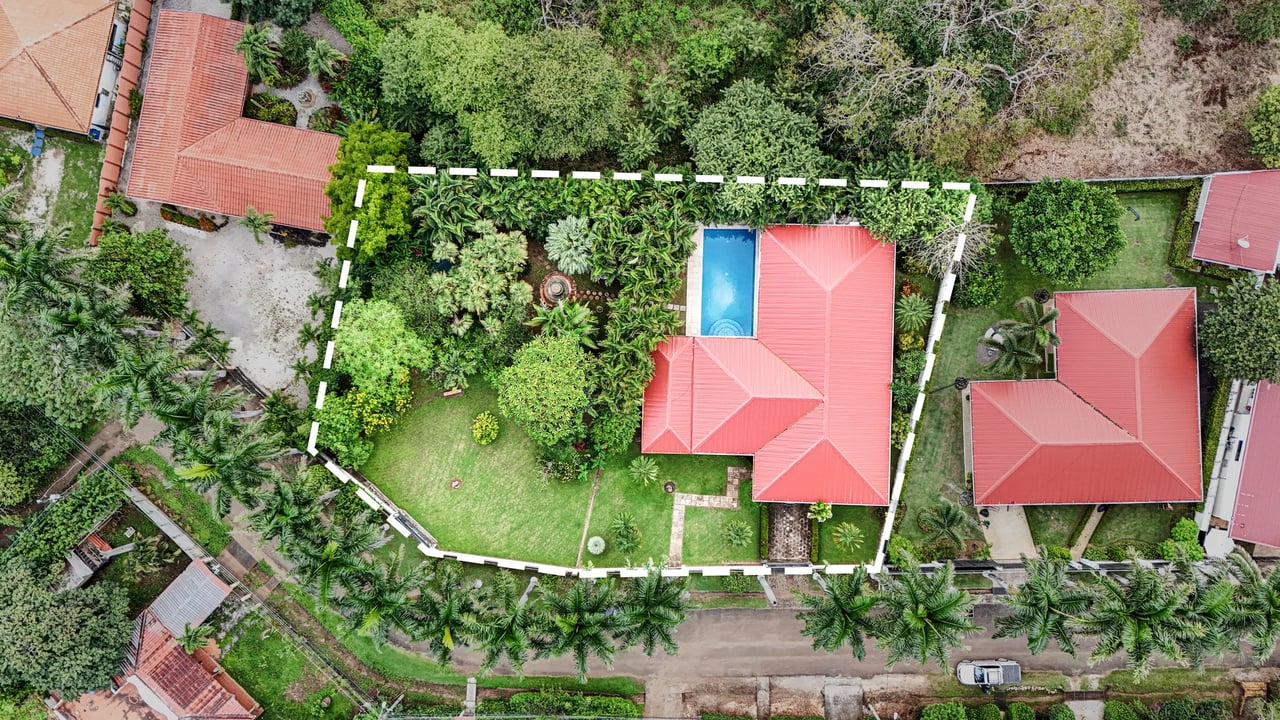
Casa Idea Verde, Playas del Coco, GU 50503, Costa Rica
For Sale
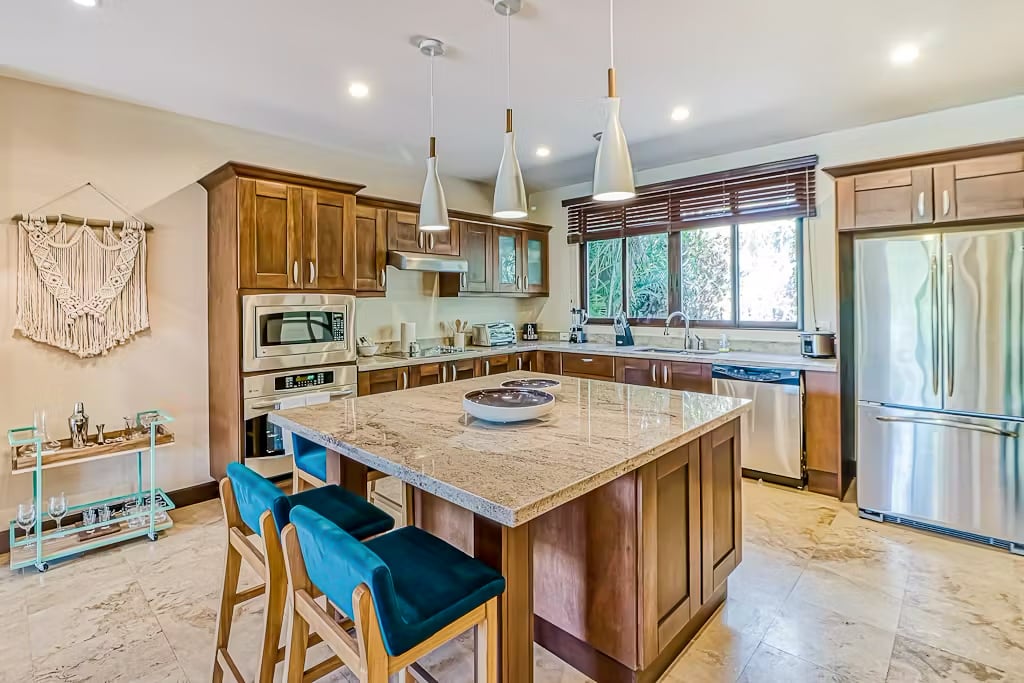
Azul Paraiso 11B, Playa Ocotal, GU 50503, Costa Rica
For Sale
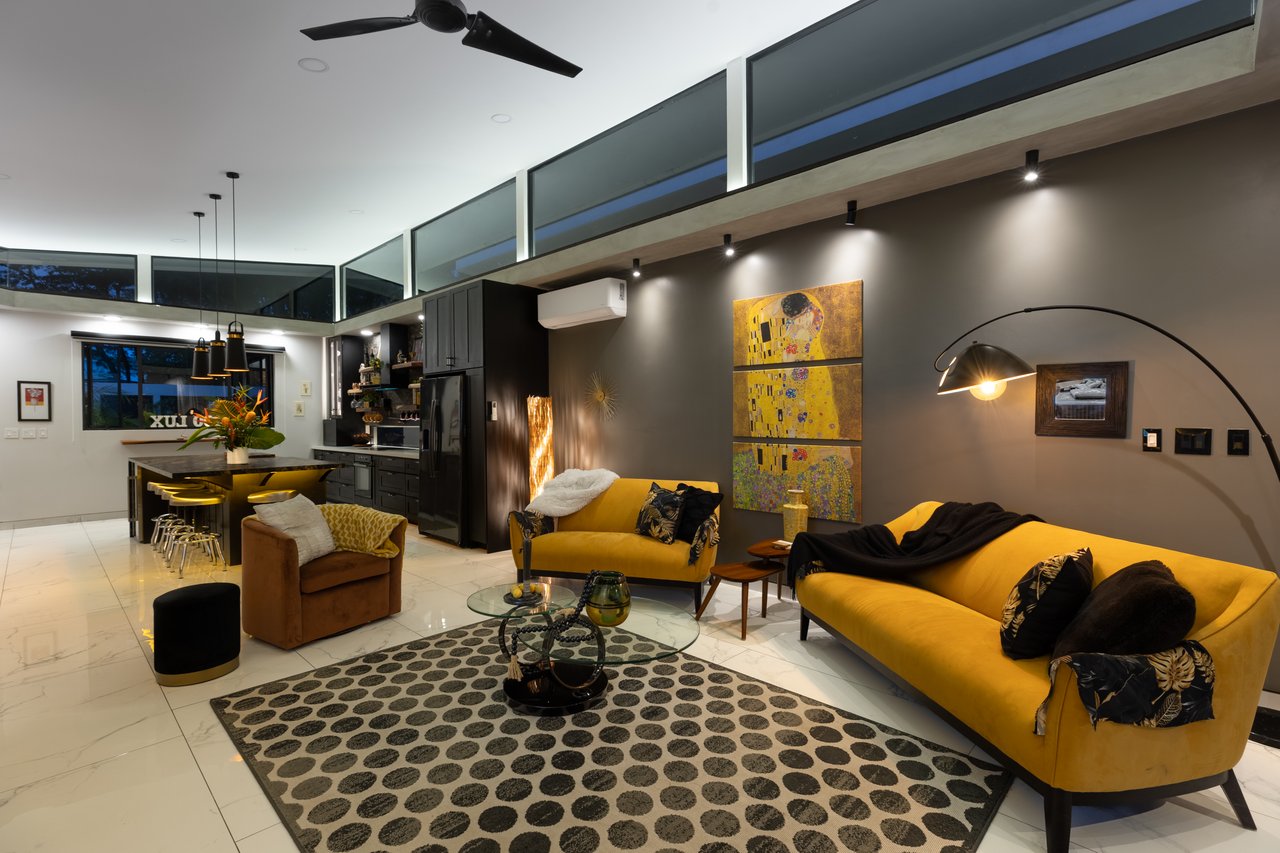
Villa LUX 400, Playas del Coco, GU 50503, Costa Rica
For Sale

Luxury Modern Tropical Home in the Heart of Playas del Coco | Villa LUX 500, Playas del Coco, GU 50503, Costa Rica
Under Contract
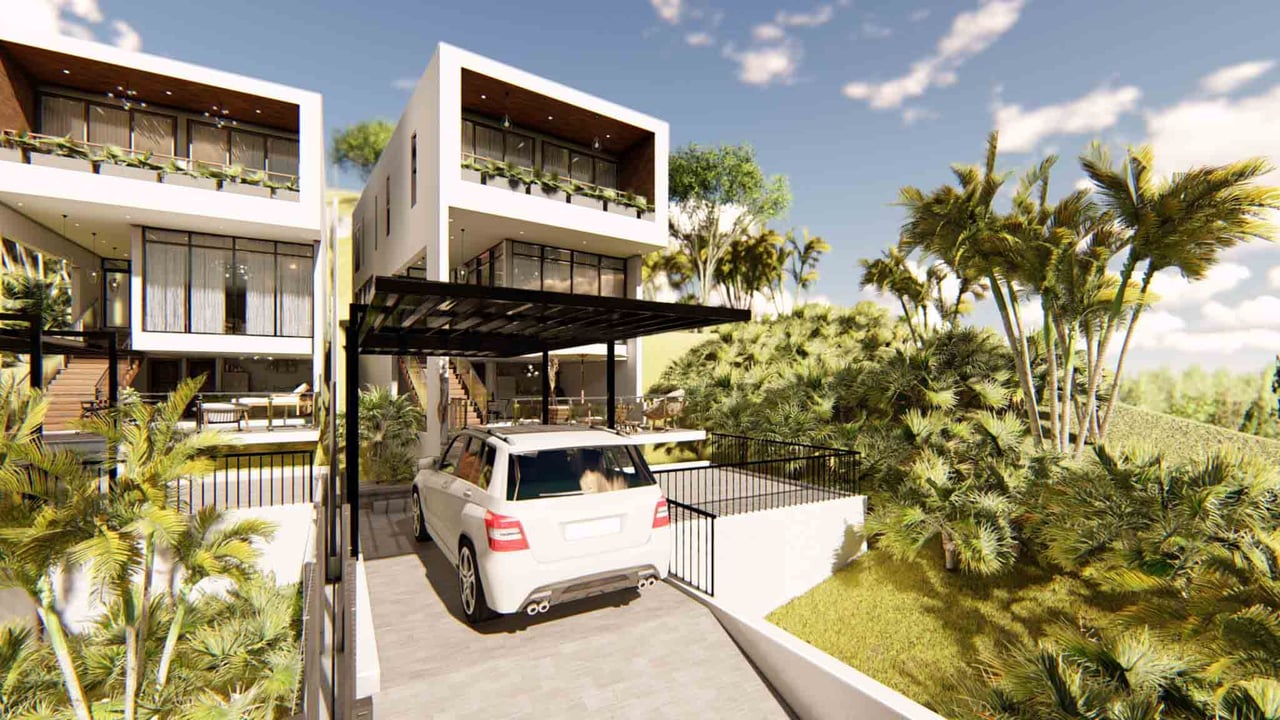
Ocean View TH in Playas del Coco, Playas del Coco, GU 50503, Costa Rica
For Sale

Brand New West Facing Top-Floor Retreat #B408, Azul Paraiso, Playa Ocotal, GU 50503, Costa Rica
For Sale
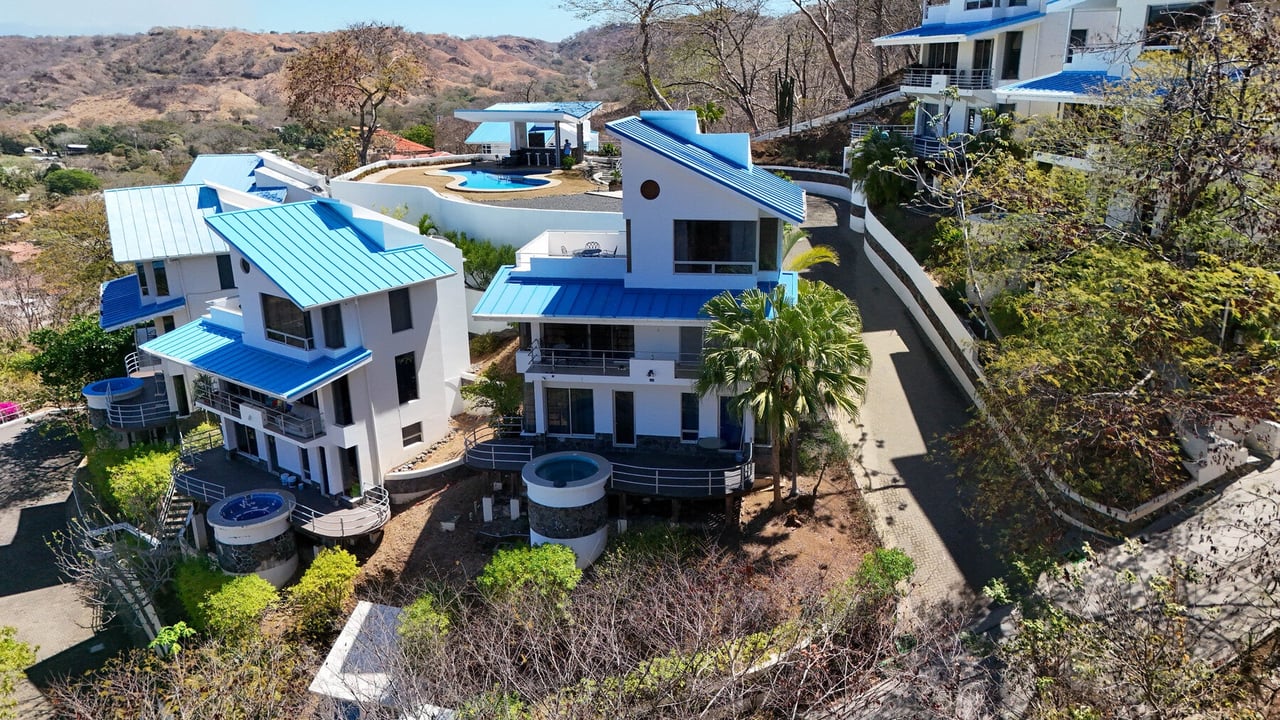
House Of Winds 1, Playas del Coco, GU 50503, Costa Rica
For Sale
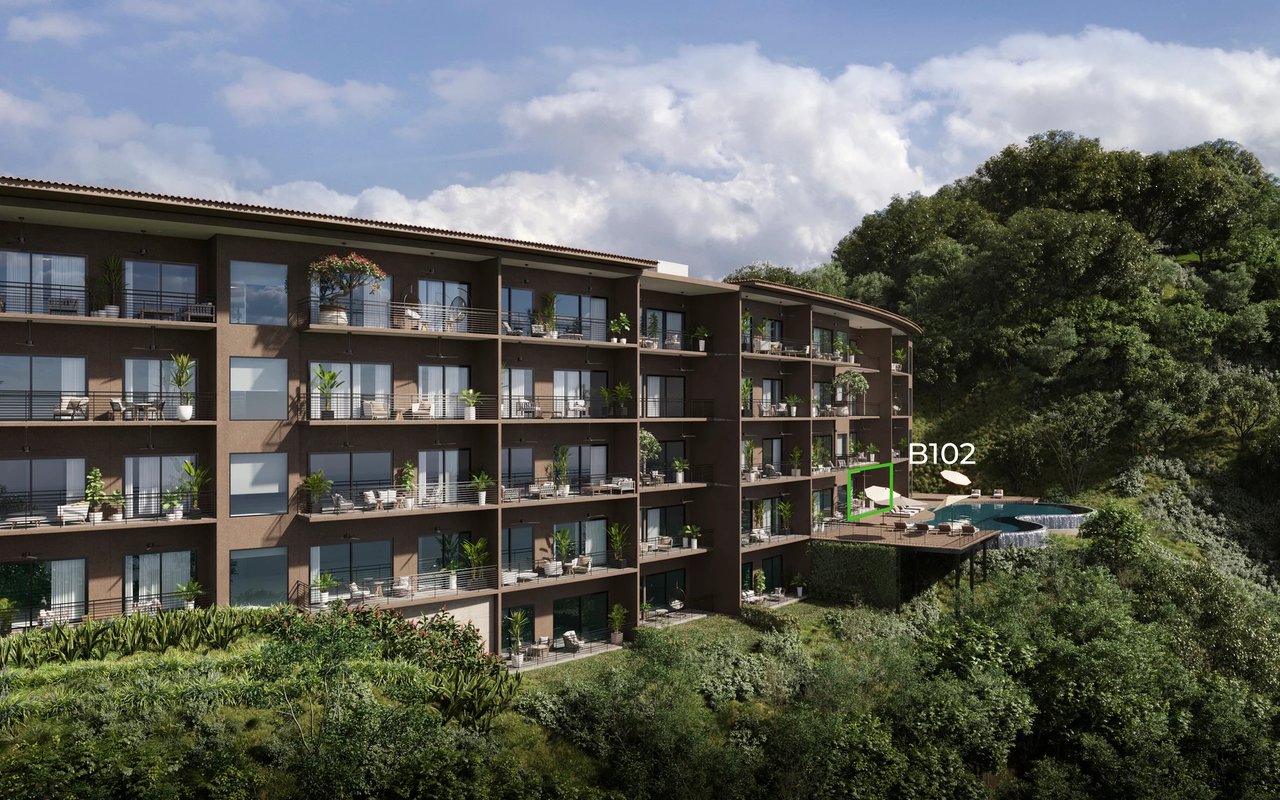
Brand New Pool-Level Oceanfront Condo B102, Azul Paraiso, Playa Ocotal, GU 50503, Costa Rica
For Sale
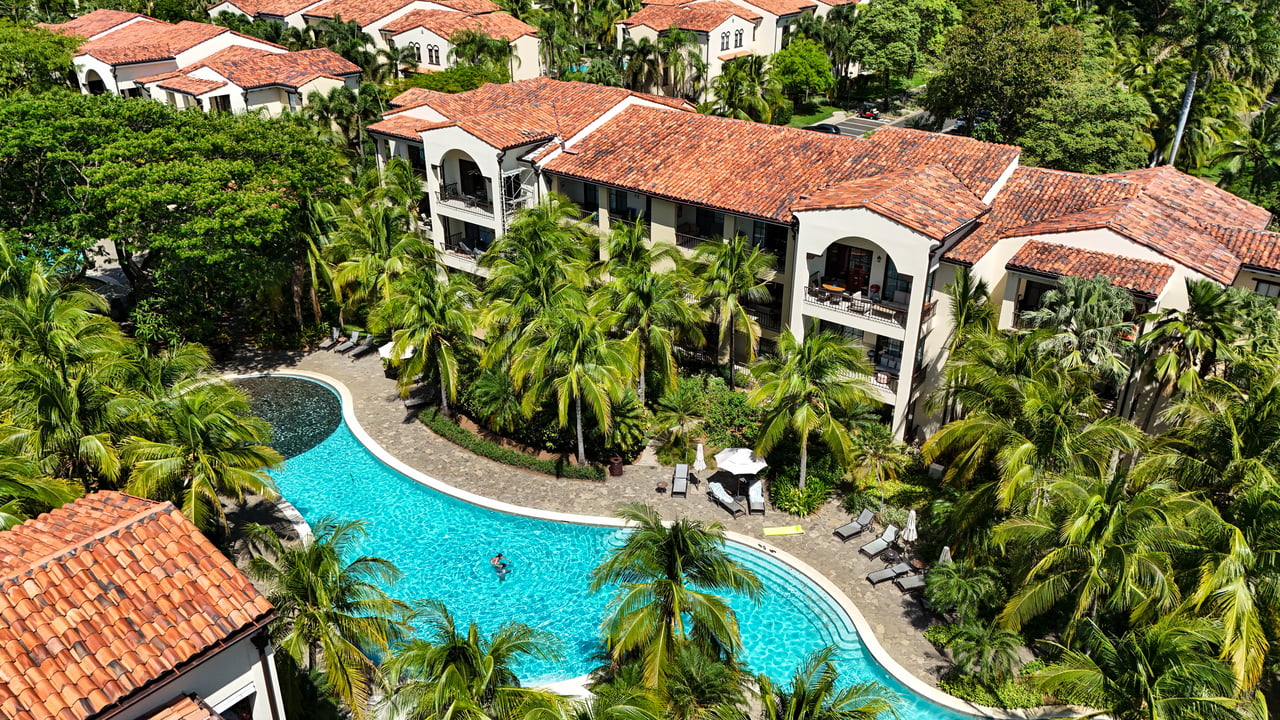
Pacifico L508, Playas del Coco, GU 50503, Costa Rica
For Sale
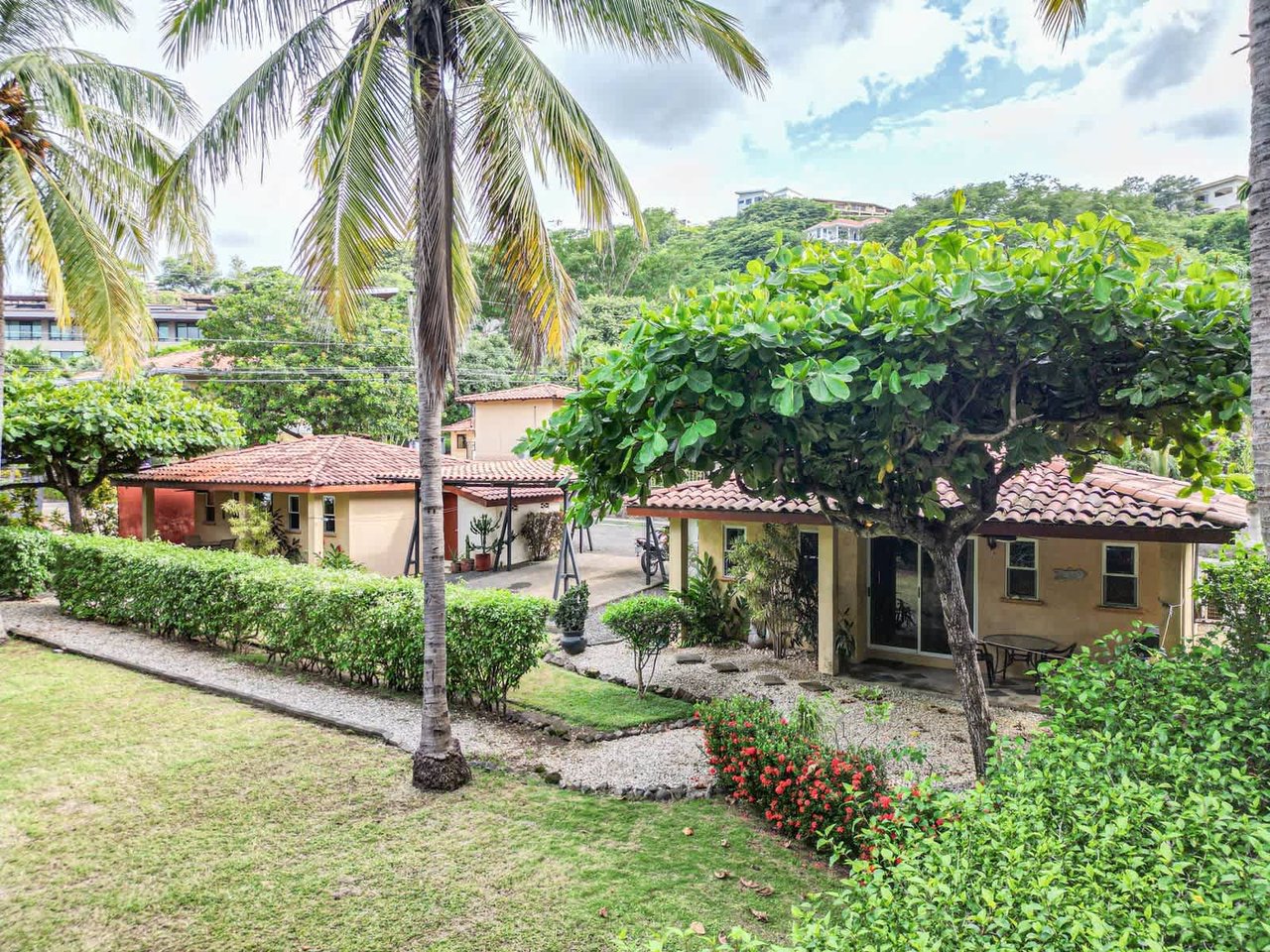
Playa Hermosa Beachside Cozy Cottages, Playa Hermosa, GU 50503, Costa Rica
For Sale
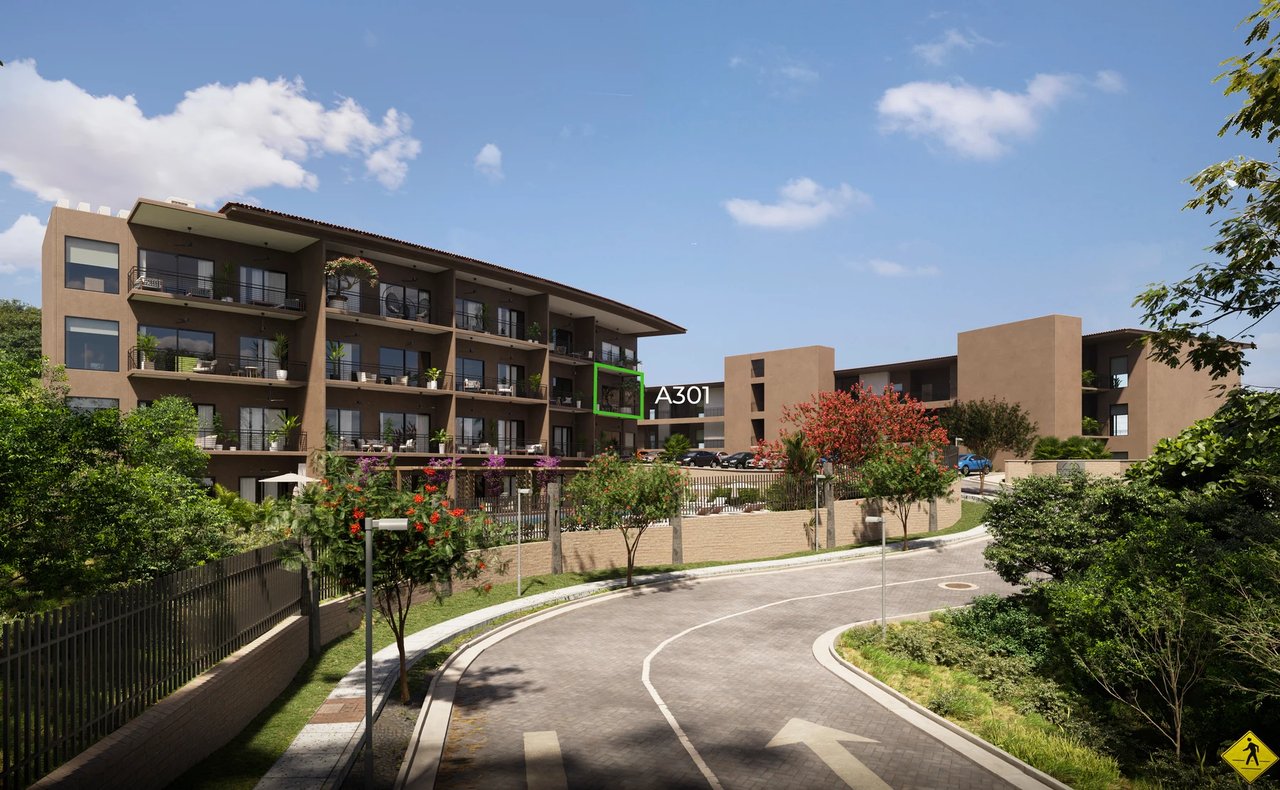
Unit A301 - Type B1, Azul Paraiso, Playa Ocotal, GU 50503, Costa Rica
For Sale
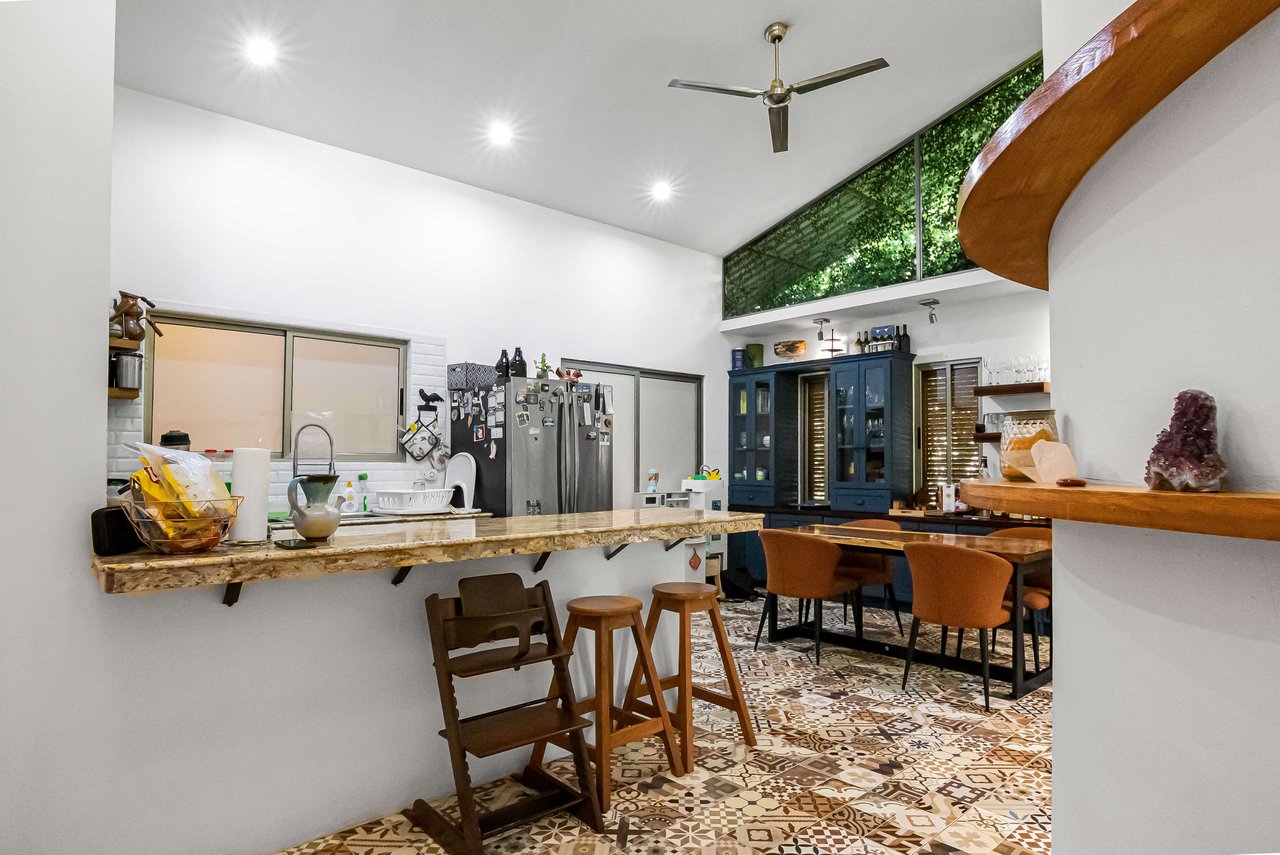
Casa Congos, Casa Congos, Playas del Coco, GU 50503, Costa Rica
For Sale
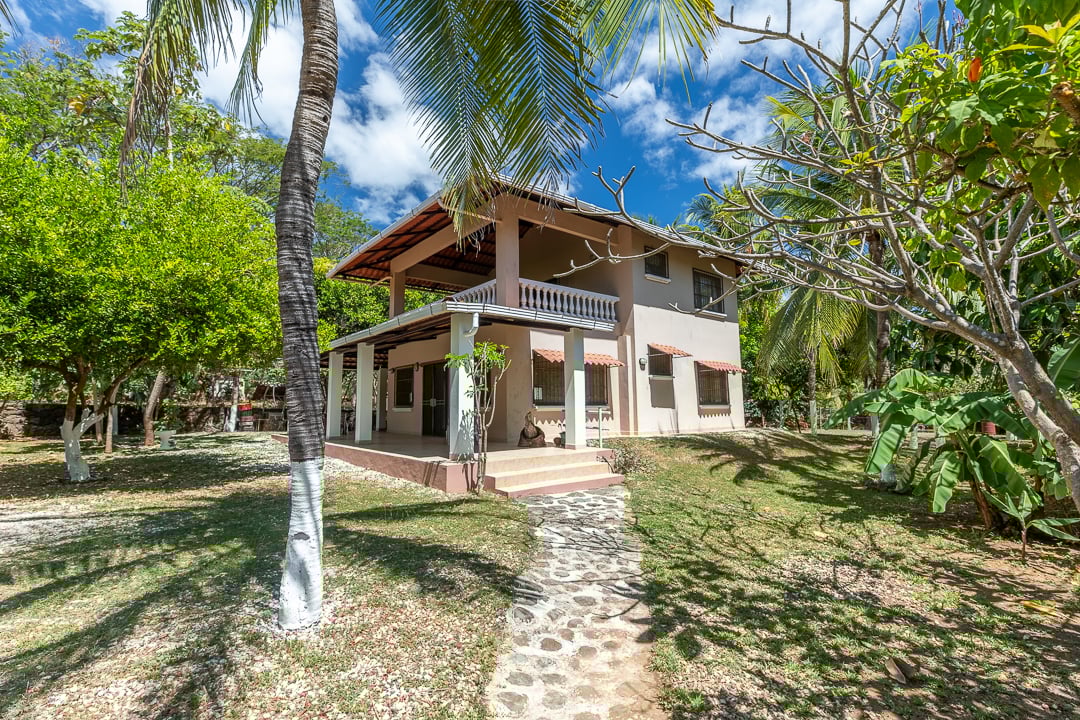
Casa Marlin, Playa Ocotal, GU 50503, Costa Rica
For Sale
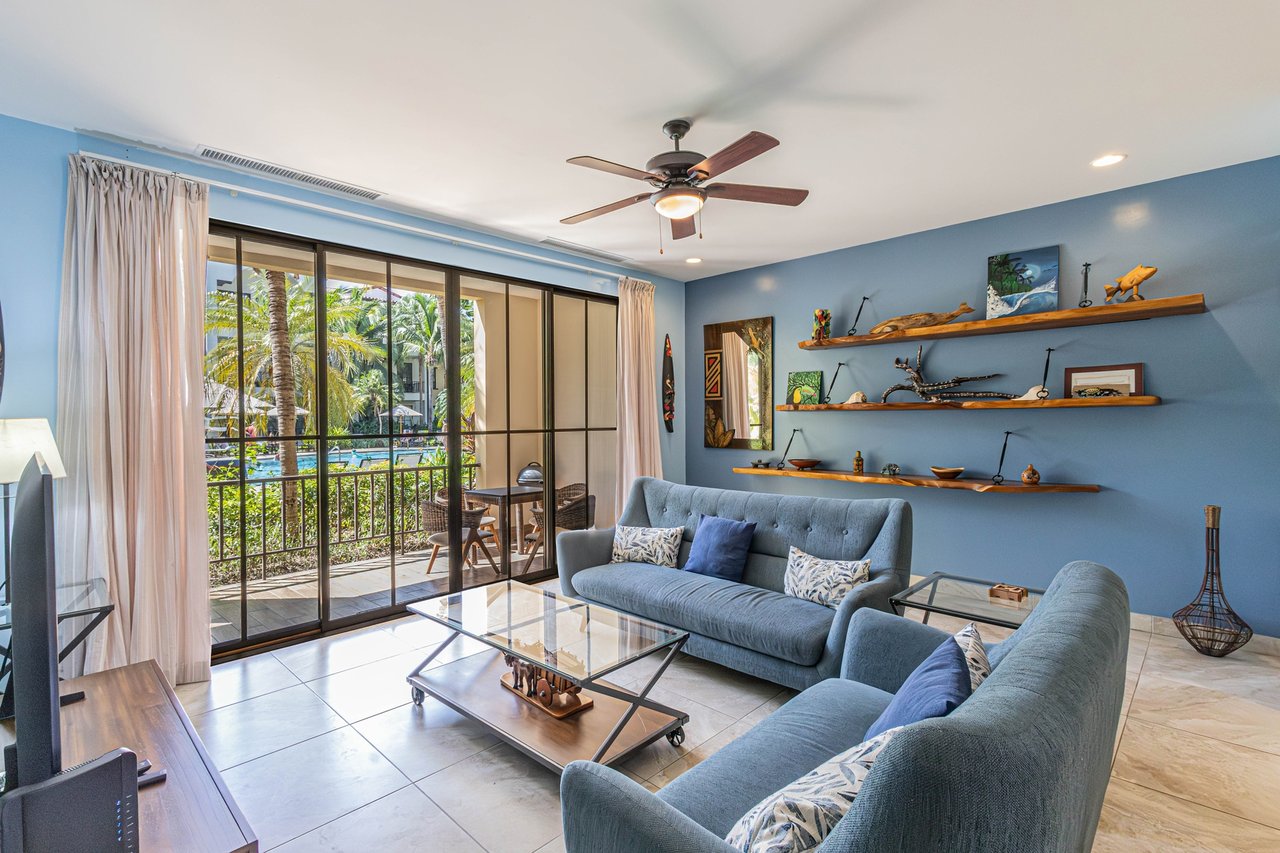
Pacifico L204, Playas del Coco, GU 50503, Costa Rica
For Sale
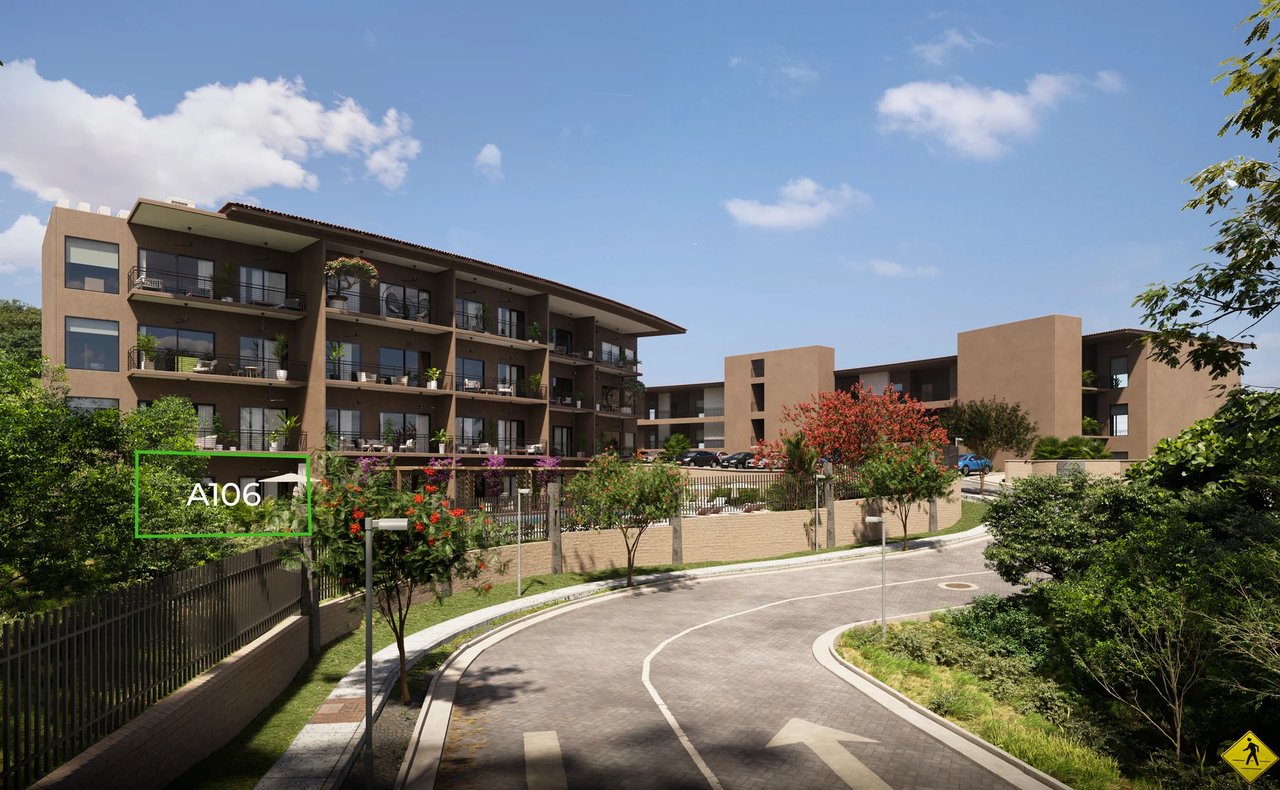
Unit A106 - Type B1, Azul Paraiso, Playa Ocotal, GU 50503, Costa Rica
For Sale
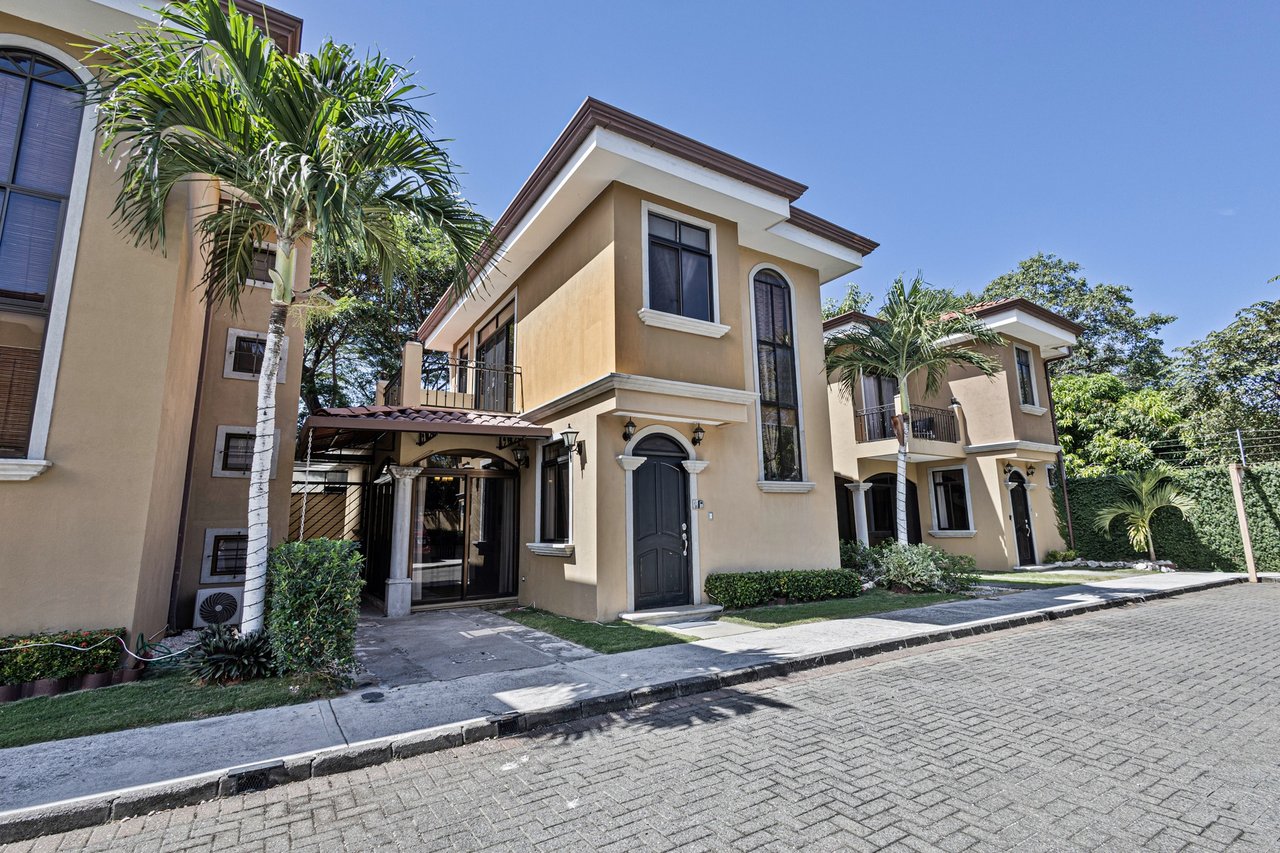
Arrecifes #11, Playas del Coco, GU 50503, Costa Rica
For Sale
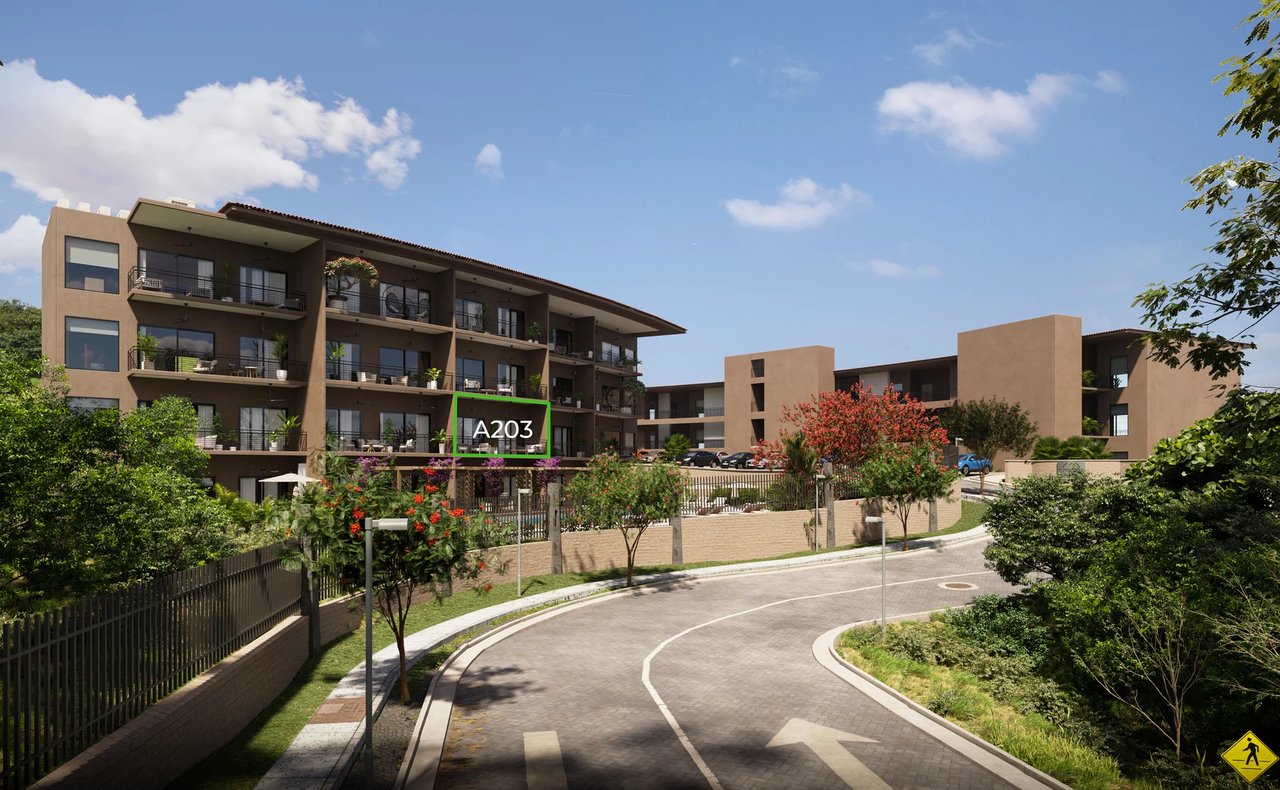
Unit A203 - Type A, Azul Paraiso, Playa Ocotal, GU 50503, Costa Rica
For Sale
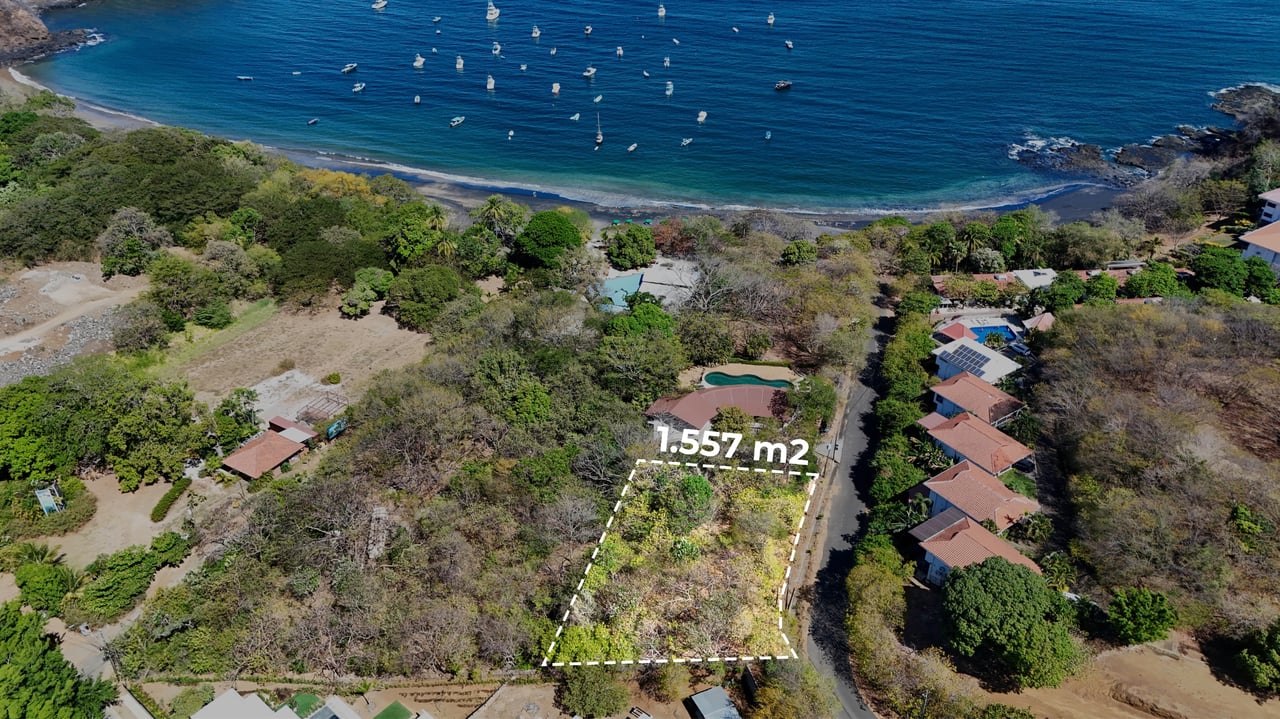
Playa Ocotal Lot, Playa Ocotal, GU 50503, Costa Rica
For Sale
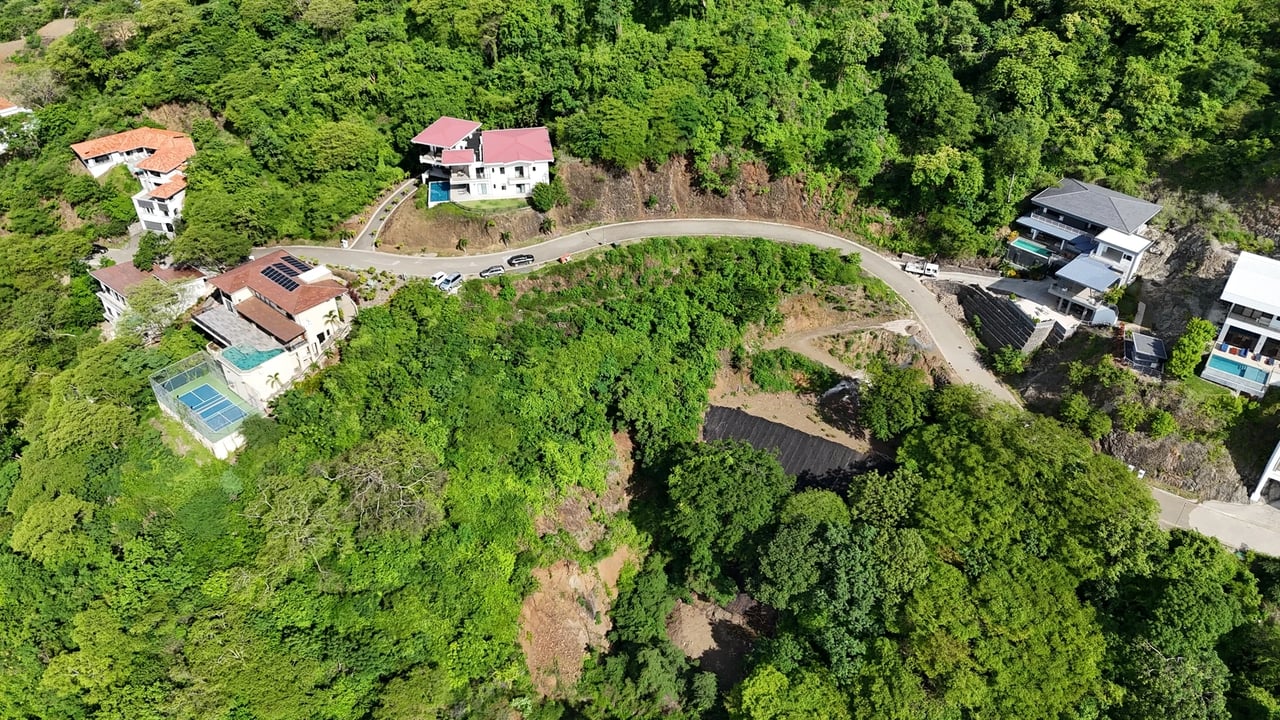
Ocean View Lot #30, Coco Bay, Ocotal, GU 50503, Costa Rica
Stay up to date on the latest trends in real estate.
September 17, 2026
September 10, 2026
September 3, 2026
August 27, 2026
August 20, 2026
August 13, 2026
August 6, 2026
August 6, 2026
July 23, 2026