When the Papagayo Winds Arrive, Playa Hermosa's Dive Boats Change Course
November 5, 2026
November 5, 2026
Two dive shops in Playas del Coco, a short drive from Playa Hermosa, publish manta calendars for the same islands that sit back to back, with no months in common. Rocket Frog Divers tells divers that the best odds for Pacific giant mantas at the Catalina Islands, and the clearest water, run from May through mid-November. Deep Blue Diving puts manta season at the Catalinas from December to April.
The wind accounts for the gap between them. The northeasterly Papagayo winds that arrive with the dry season do three things at once. They make the long run to the Bat Islands rough enough to drop it from the schedule. They pull cold water up from depth. They feed the plankton that mantas eat. For anyone in Playa Hermosa who dives or snorkels, the coming months shift the sea toward water that is closer to home, colder, greener and more crowded with plankton.
The two calendars measure different things. Rocket Frog Divers sets its manta window by visibility and reliability. It says the May to mid-November stretch lines up with the green season on land, and that this is when the water is clearest and the mantas turn up most dependably. For December through March, the shop says mantas can still show up, but less reliably, and visibility swings more from day to day.
Deep Blue Diving describes the same months by what is in the water. Its dry season runs November through April and brings cooler water around 24 to 26°C, "nutrient-rich conditions," more plankton, sometimes lower visibility, and higher chances of rays and mantas around the Catalinas. Its rainy season, May through November, brings warmer water and generally better visibility.
Taken together, the two shops describe the same pattern. Clear water and dependable conditions belong to the green season. The months now starting bring plankton, cold water and mantas, with less visibility.
A hydrographic study of the Gulf of Papagayo, published in Revista de Biología Tropical in October 2021 and based on sampling from 2017 to 2019, explains the mechanism. Seasonal northeasterly wind jets funnel through gaps in the mountains. When they blow hard, they mix the water column and drive upwelling, mostly from December to mid-April, which brings cold, nutrient-rich water toward the shelf.
The researchers found surface temperatures were lowest in the first quarter of the year and highest in the last. The coldest reading of the three-year study came in February 2018 and the warmest in September 2017. Chlorophyll, the marker for plankton, followed the same calendar. It was higher in the first quarter and generally fell through the year, with a notably high concentration during that cold February 2018 sampling. The study also found the cooling and mixing were stronger offshore than inside sheltered Bahía Culebra, the bay just south of Playa Hermosa.
Deep Blue Diving notes the same chill from the boat. It reports thermoclines in February and March that can drop to 65°F, about 19°C, against a usual range of 78 to 86°F. The study links upwelling to higher productivity and to how energy moves up the food web, starting with the plankton. The plankton returns with the wind every year. The large animals are less predictable, and Rocket Frog Divers describes whale sharks and humpbacks as animals that pass through from time to time and are never promised.
The wind matters most for the trip from Playa Hermosa to the Bat Islands, or Islas Murciélago. These islands sit inside Santa Rosa National Park on the northern Pacific coast. BA Divers, which has operated from Playa Hermosa since 2007, puts the ride at about an hour and 15 minutes from the beach, morning departures only, and calls it a full-day outing.
Most people make that run for bull sharks, and their season is ending as the wind season begins. BA Divers places bull sharks at El Gran Susto, Bajo Negro and Los Arcos from May to September. Deep Blue Diving extends its window through October. For December through March, Rocket Frog Divers says the Bat Islands are usually off the table because the long crossing gets too rough to run.
The Área de Conservación Guanacaste gives the same timing from the park's side. It says strong trade winds mainly affect the region from December to March. The park allows recreational diving at only three sites, the same three named above, with advance authorization. It also allows anchoring only in front of the Isla San José research station. With the crossing usually off the schedule and the bull sharks out of season, the far trip mostly drops out of the dry-season plan.
When the Bat Islands are off the schedule, Rocket Frog Divers says its trips lean toward the Catalinas and its local Papagayo sites. From Playa Hermosa, both are short rides.
The Catalinas are 45 minutes by boat from Hermosa Beach, according to BA Divers. The shop lists visibility of 25 to 50 feet, water of 70 to 85°F, a maximum depth of 90 feet and an Open Water license as the minimum. Its trips run about four hours, with morning and afternoon departures. Deep Blue Diving runs its Catalina dives as drift dives without anchoring and limits them to advanced divers, citing surge, stronger currents and open-ocean swell. Its boats leave at 7:30 a.m. and usually return around 1:30 p.m. Requirements differ from shop to shop, and conditions on the day can change them.
The local sites are closer still. BA Divers reaches its Hermosa sites in 10 to 15 minutes and describes volcanic rock and coral, a maximum depth of 80 feet, moderate to no current, reef fish, rays and moray eels. Deep Blue Diving publishes depths and wildlife for the named Papagayo sites it runs, generally 10 to 20 minutes from Coco.
| Site | Depth | Level, per Deep Blue Diving | What's usually there |
|---|---|---|---|
| Meros | 0–60 ft | Easy | A shallow area suited to snorkeling, giant groupers, nudibranchs |
| Punta Gorda | 15–70 ft | Easy | Shallow corals and a shark nursery at about 20 ft |
| Tortuga | 15–70 ft | Easy, sometimes current | A submerged fishing boat, a shark cave, reef walls |
| Cabeza de Mono | 30–75 ft | Easy | Eagle rays and stingrays around a volcanic formation |
| Virador | 30–80 ft | Easy, sometimes current | White-tip reef sharks, diamond stingrays, king angelfish |
| Punta Argentina | 25–90 ft | Intermediate, sometimes current | Frogfish, stingrays, dense schools of tropical fish |
Snorkelers have the shortest trips of all. BA Divers' family snorkel trip picks up from Playa Hermosa and from resorts in Bahía Culebra, and the crew chooses its two stops based on sea conditions that day. Hermosa Boat Trips runs snorkel and beach tours to calm bays and to beaches that can only be reached by boat, and lists tropical fish, rays and sea turtles among the usual sightings.
What changes from here is the water and the timing of the day. Here is how the operators describe December through March:
The fuller trips can wait for the green season. When the trade winds ease, the water clears, the Bat Islands crossing returns to the schedule and the bull sharks come back to El Gran Susto. Until then, BA Divers' local sites are 10 to 15 minutes out from Playa Hermosa by boat, and the Catalinas are 45 minutes away.
If you'd like a home within a short boat ride of these dive sites, 2 Costa Rica Papagayo can send you our curated listings along this stretch of the Gulf, including properties the owners have chosen not to advertise publicly.
Explore our exclusive listings.
For Sale
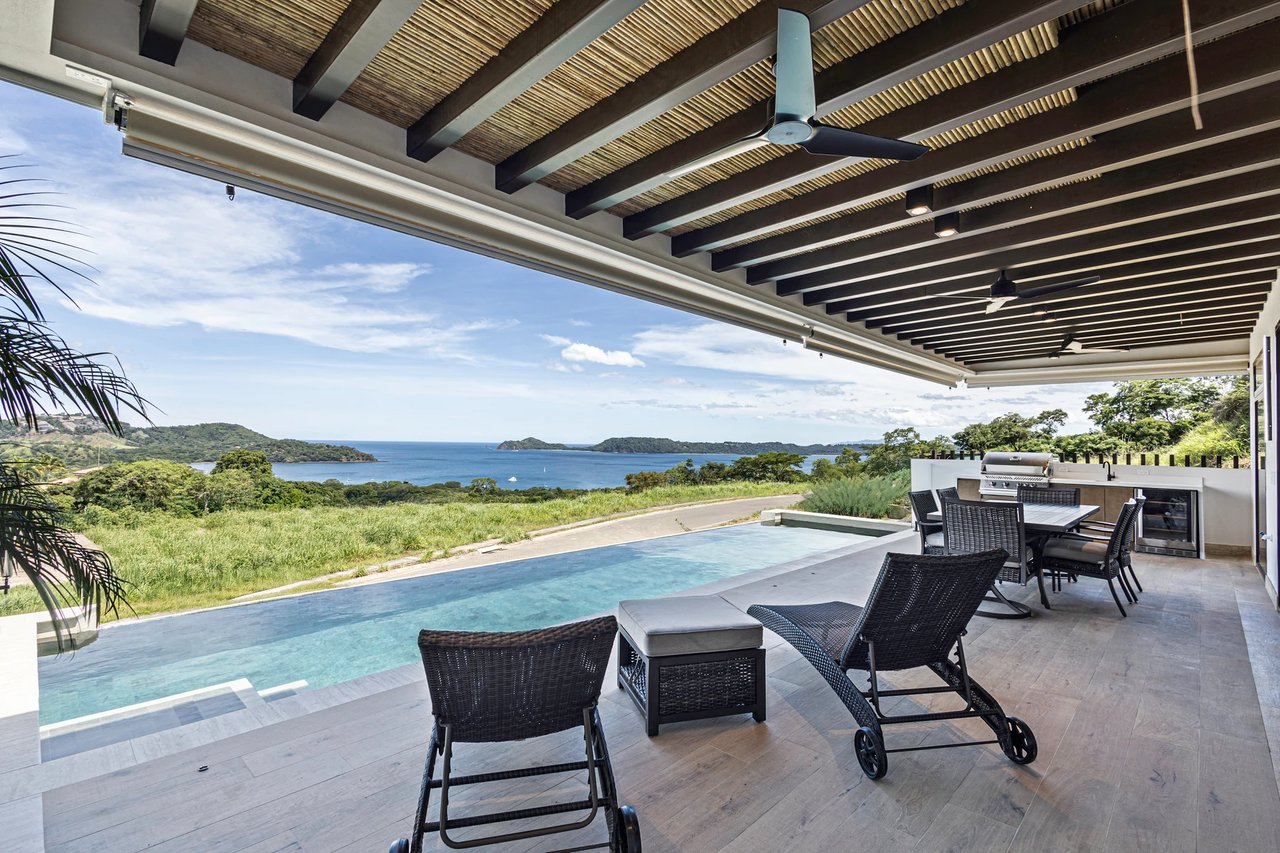
Casa Del Ray, Lot 12B, Hacienda Del Mar, Playa Panama, GU 50503, Costa Rica
For Sale
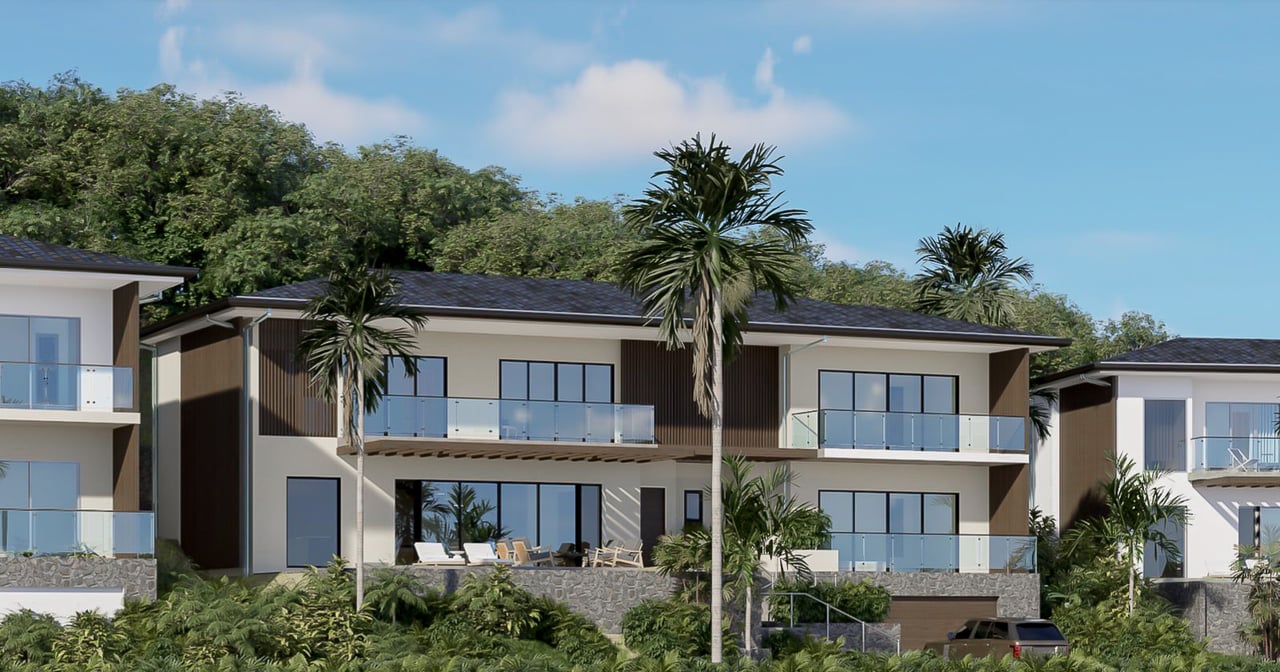
Lot 12B, Hacienda Del Mar, Playa Panama, GU 50503, Costa Rica
For Sale
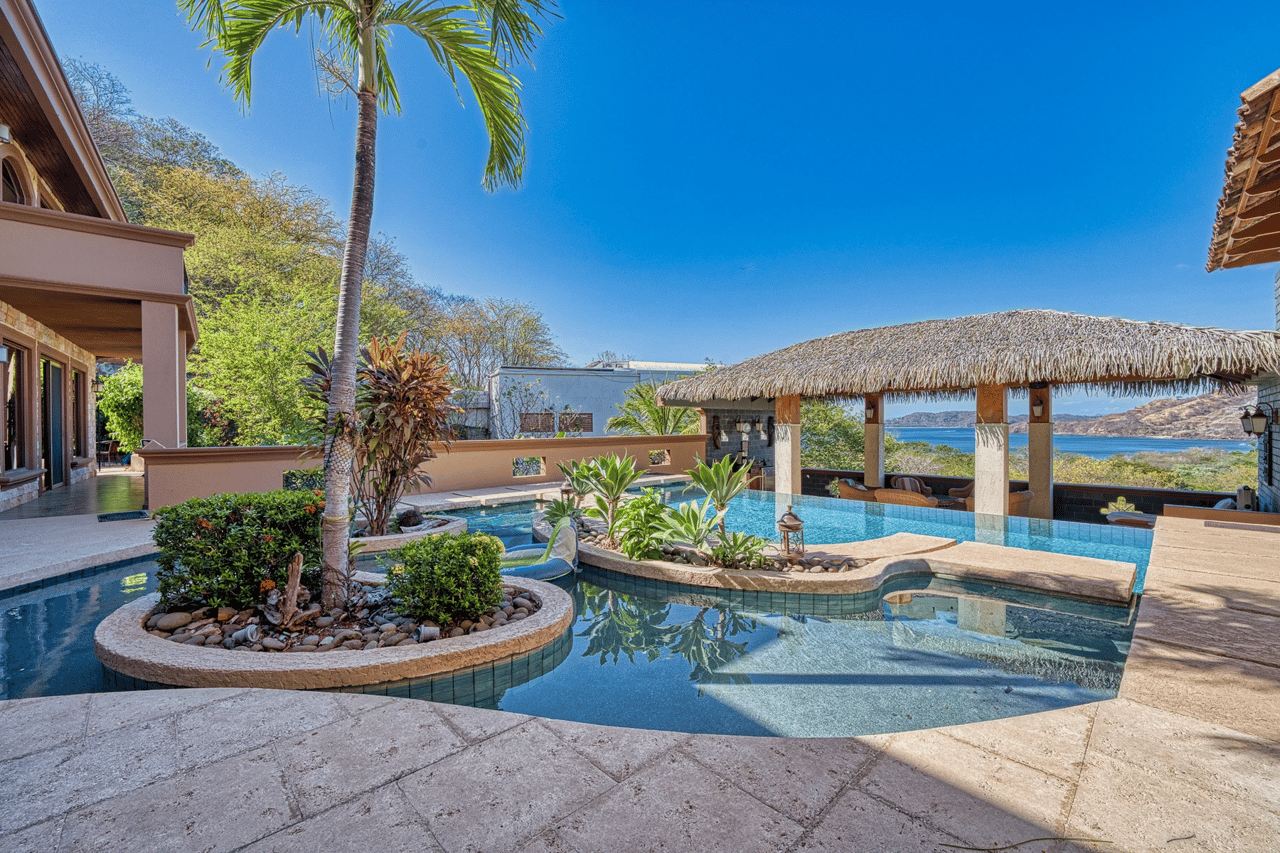
Ocean View Hermosa Montaña, Playa Hermosa, GU 50503, Costa Rica
For Sale
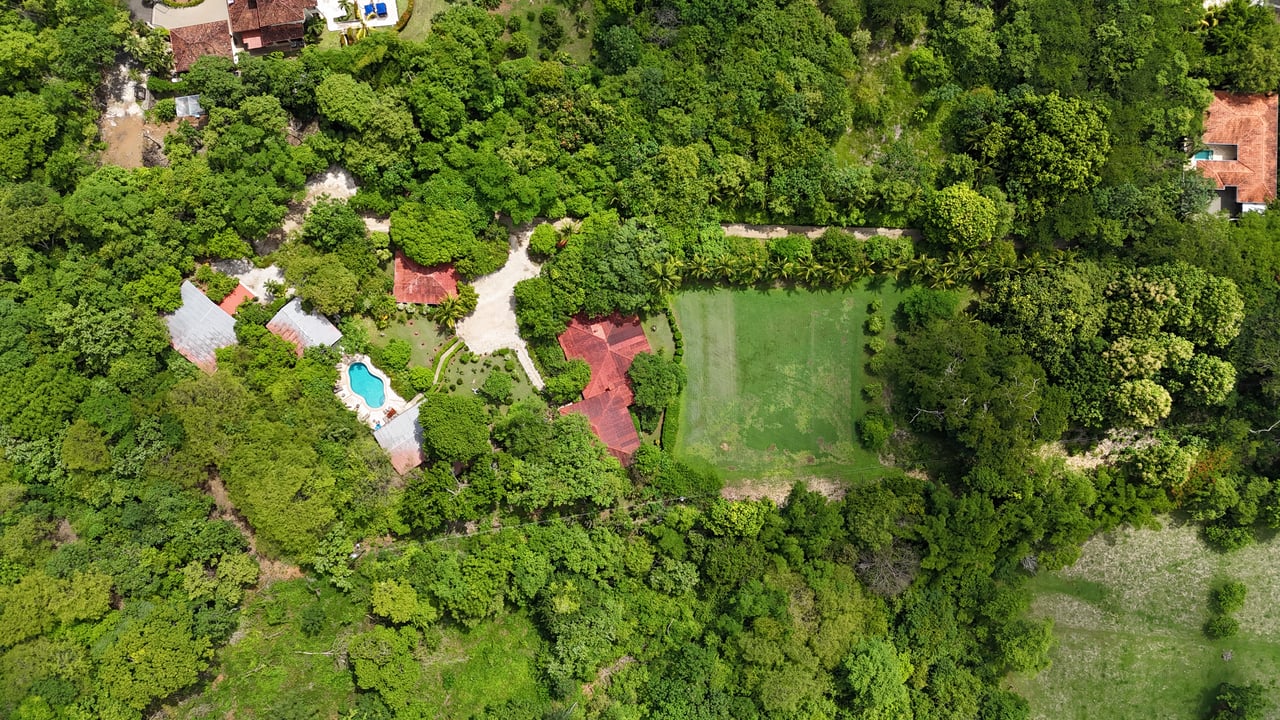
Rancho Armadillo, Monte Seco, Ocean Views, Playas del Coco, GU 50503, Costa Rica
For Sale
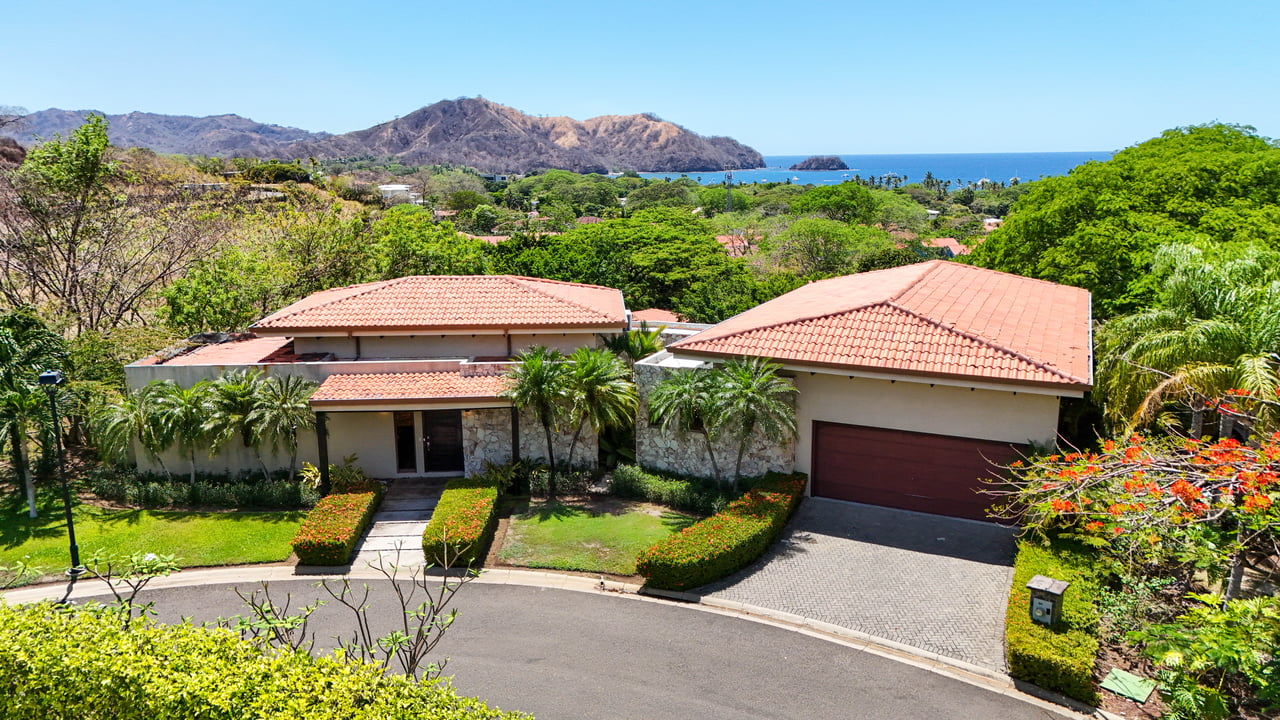
Ocean View Villa 80, Pacifico, Playas del Coco, GU 50503, Costa Rica
For Sale
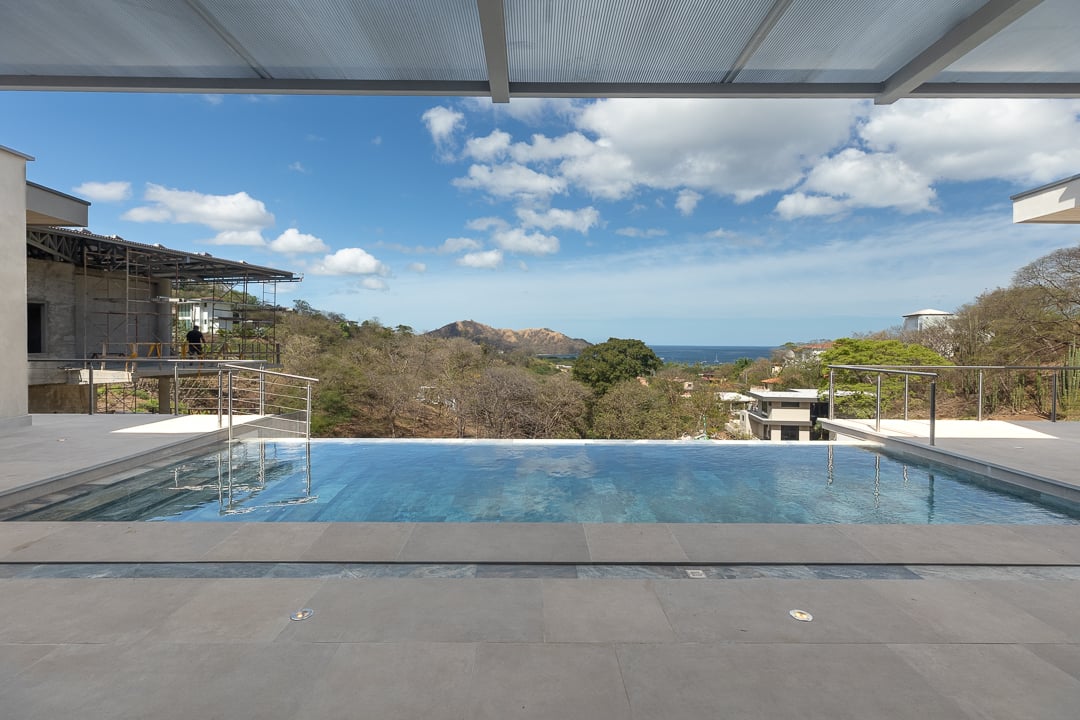
Oceanview Home, Lot 42, Pacifico, Playas del Coco, GU 50503, Costa Rica
For Sale
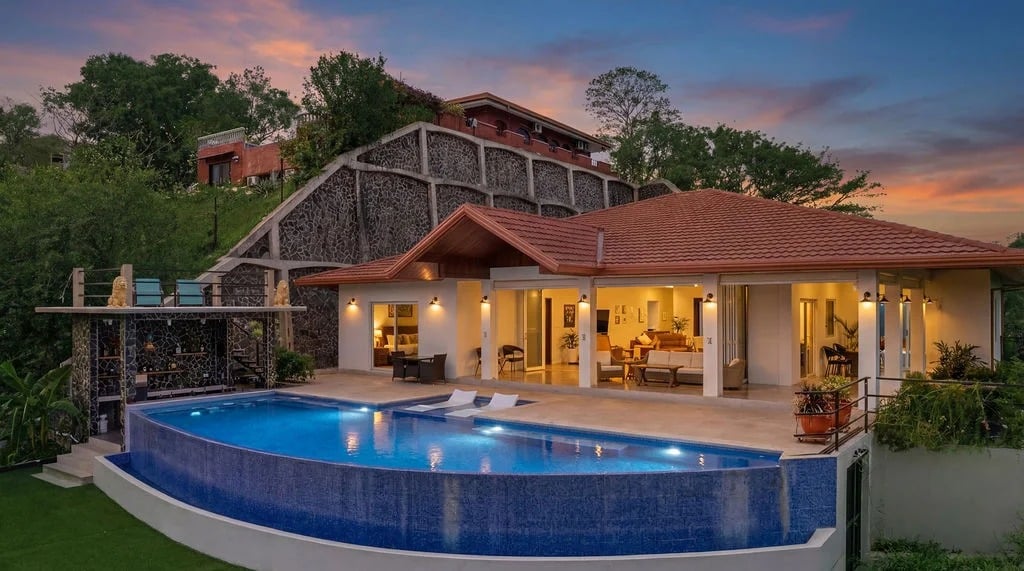
Ocean View Villa Isabella, Clara Hermosa 4, Playas del Coco, GU 50503, Costa Rica
For Sale
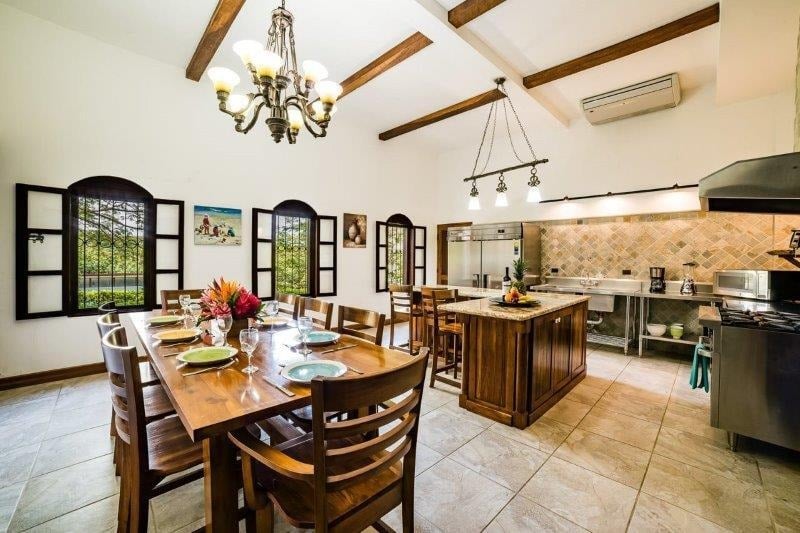
Casa Toscana, Lot 134, Pacifico, Playas del Coco, GU 50503, Costa Rica
For Sale
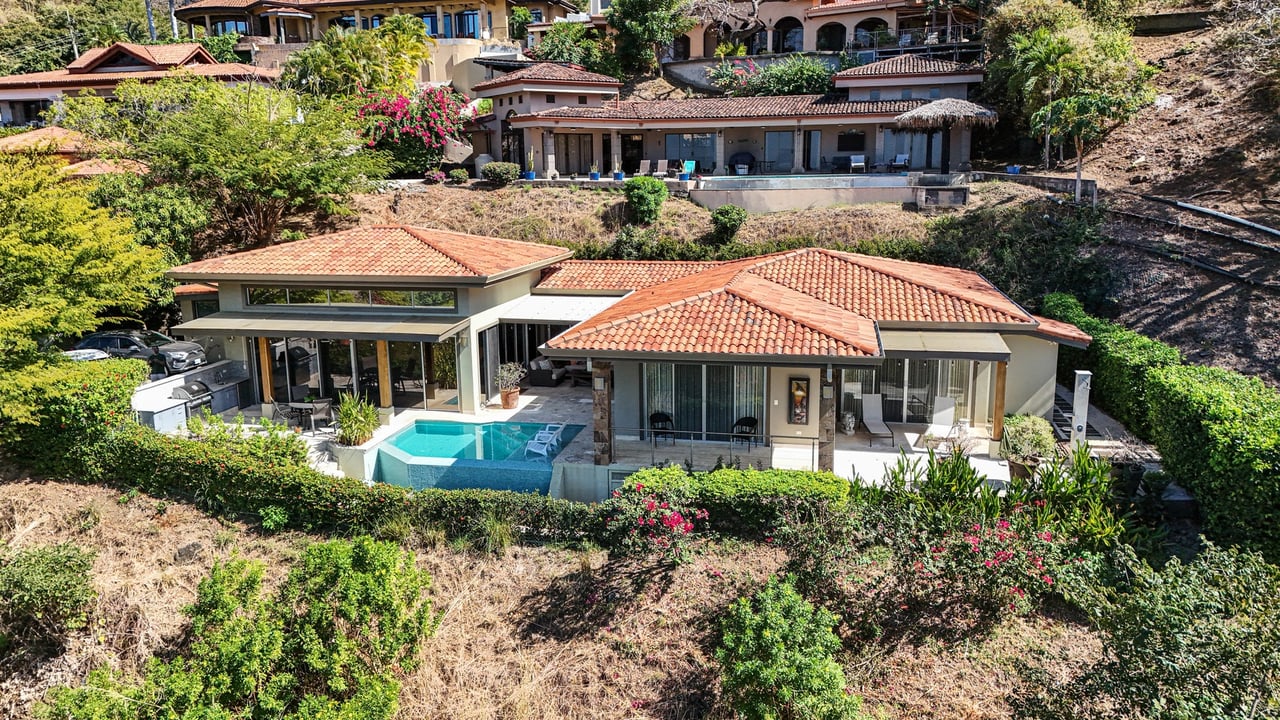
Ocean View Casa De Encanto, Hermosa Heights, Playa Hermosa, GU 50503, Costa Rica
For Sale
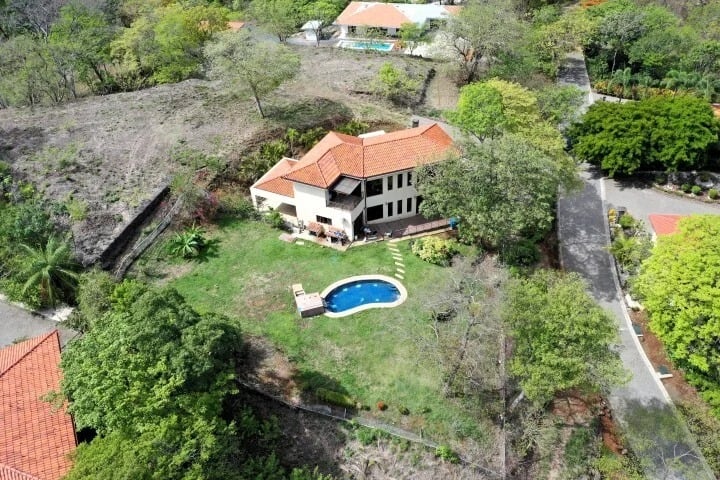
Ocean View Villa #25, Monte Vista, Ladera del Mar, Playas del Coco, GU 50503, Costa Rica
For Sale
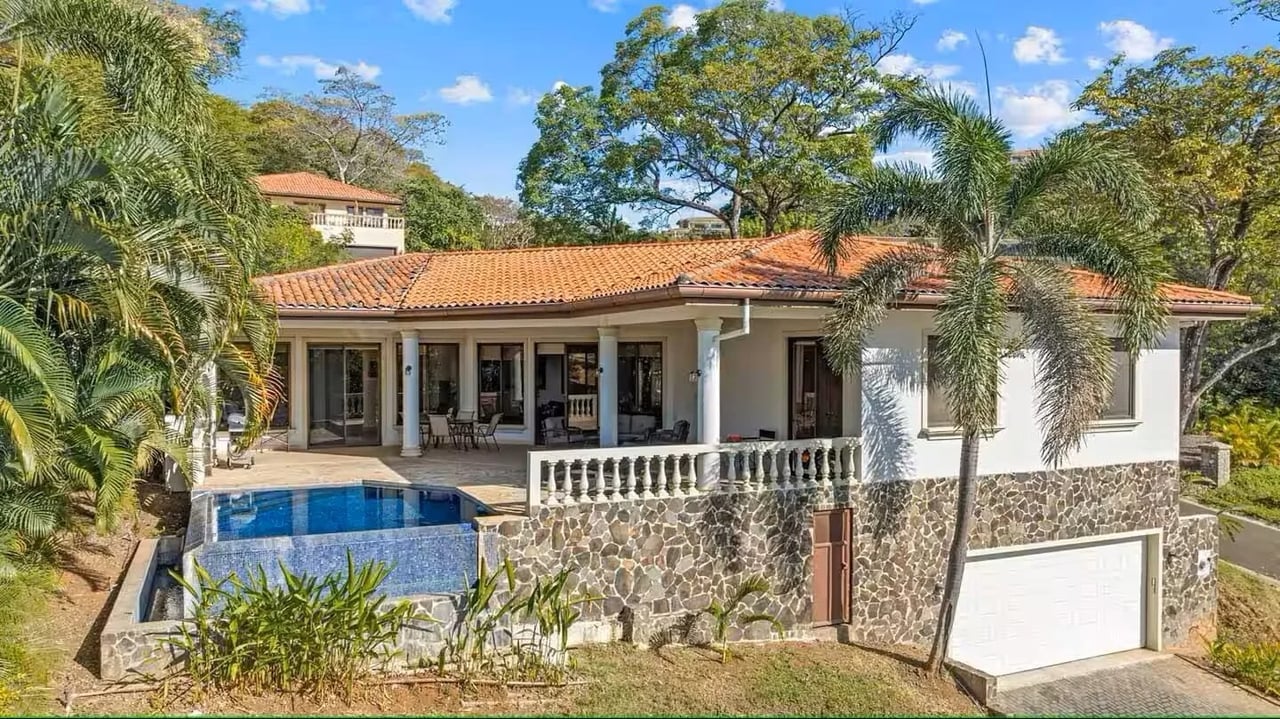
Casa Serena, Lot 89, Pacifico, Playas del Coco, GU 50503, Costa Rica
For Sale
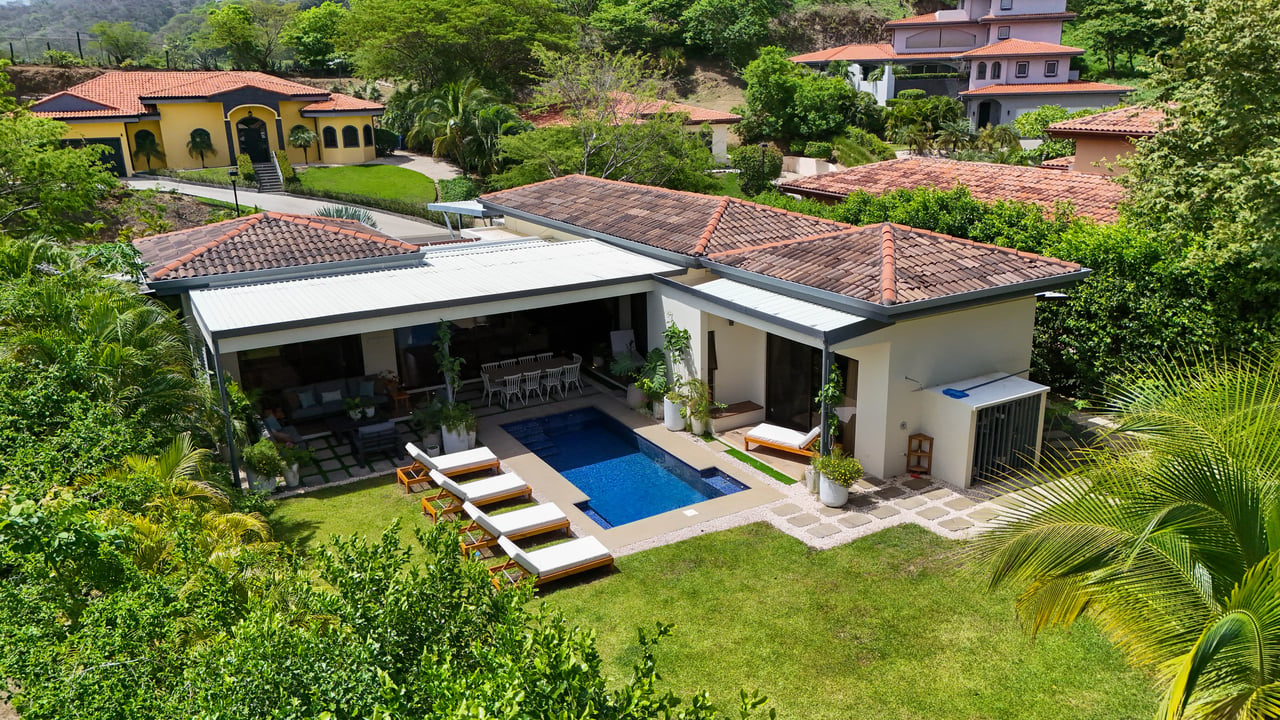
Casa Sanctuary, Pacifico, Playas del Coco, GU 50503, Costa Rica
For Sale
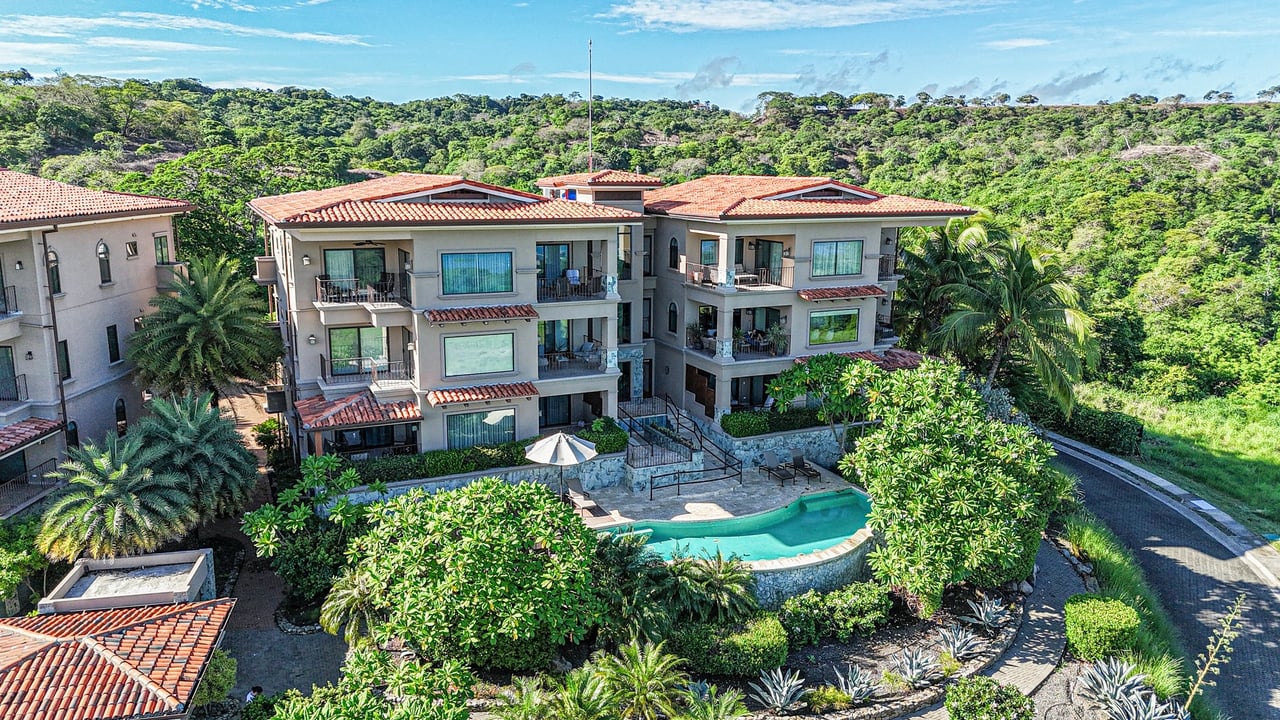
Ocean View Jaguar Village A1, Playa Panama, GU 50508, Costa Rica
For Sale
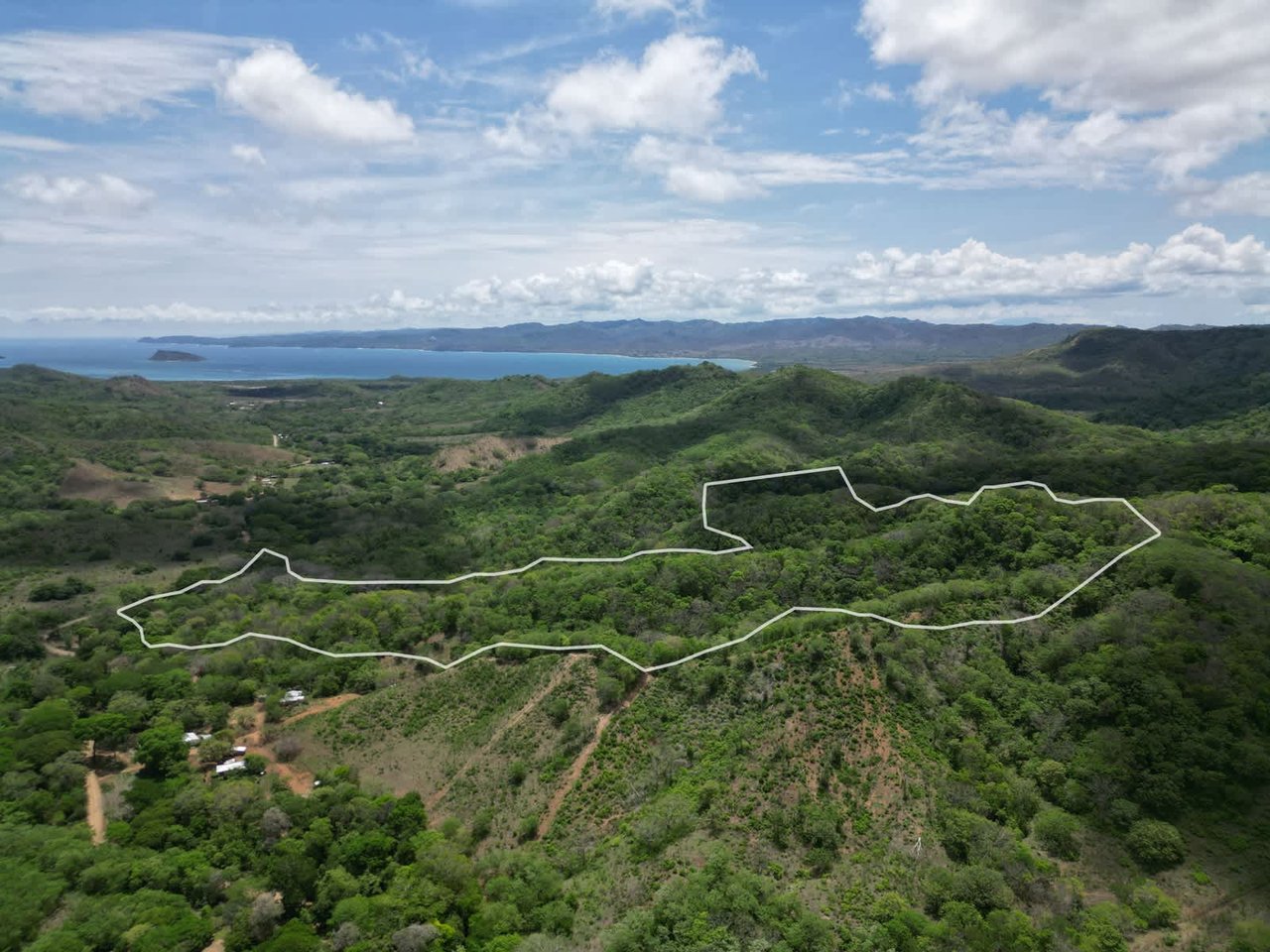
Finca Los Tamarindos, La Cruz, GU 50503, Costa Rica
For Sale
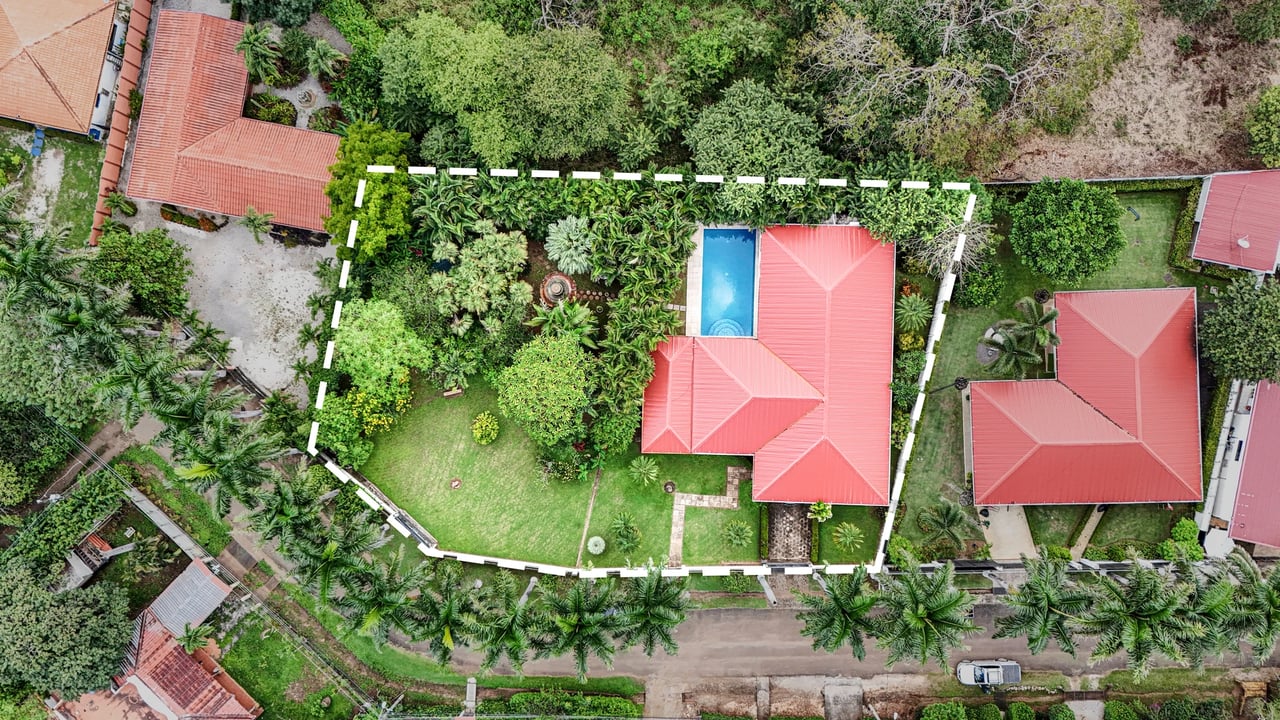
Casa Idea Verde, Playas del Coco, GU 50503, Costa Rica
For Sale
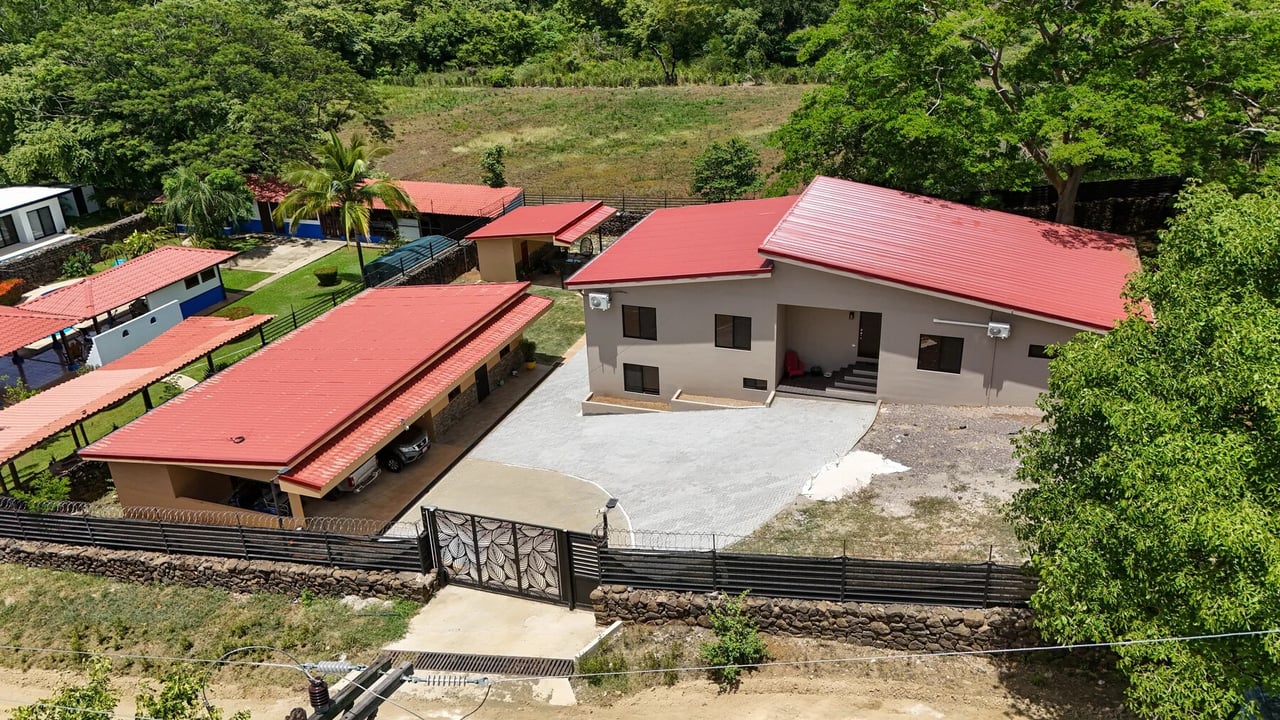
Costa Rican Retreat, Barrio Los Canales, Playas del Coco, GU 50503, Costa Rica
For Sale
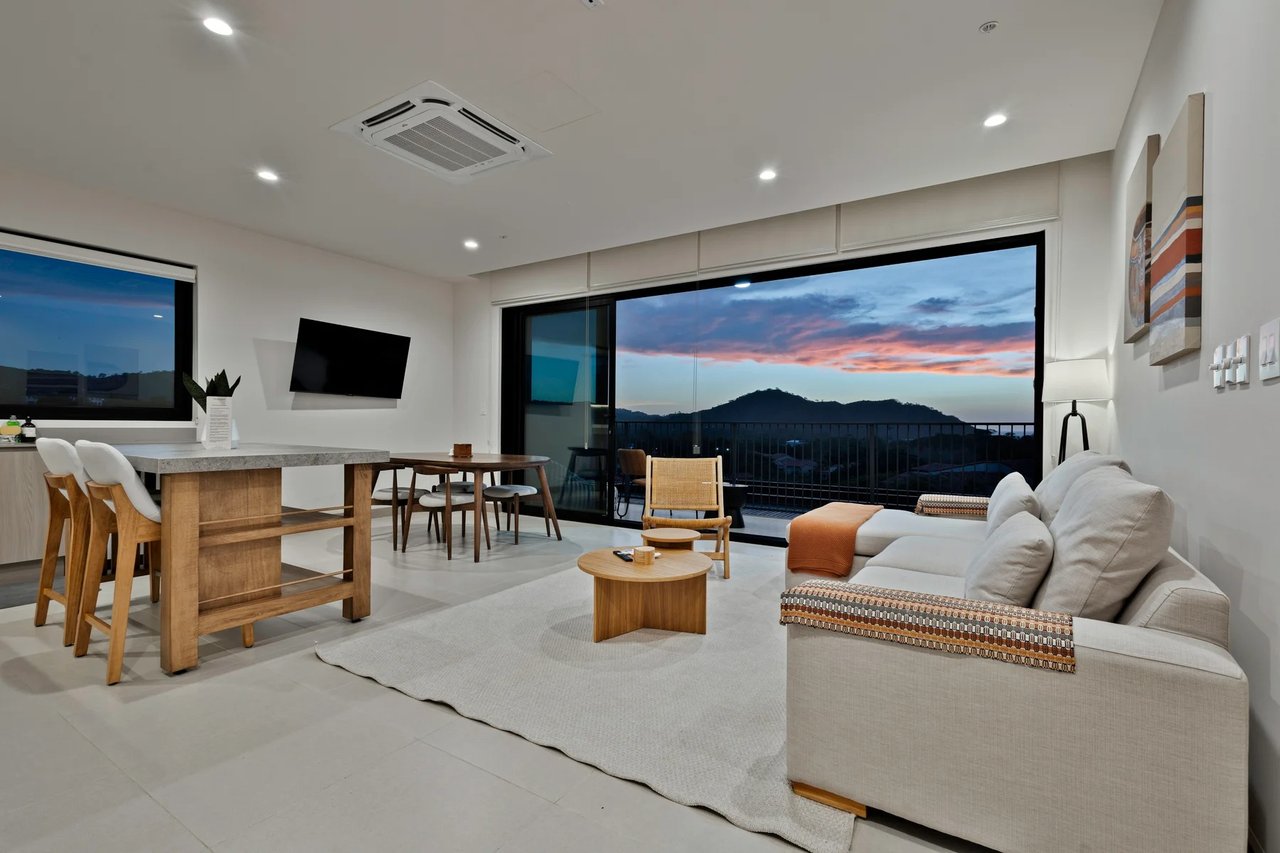
Luxury Ocean View Condo, Unit 522, Pacifico, Playas del Coco, GU 50503, Costa Rica
For Sale
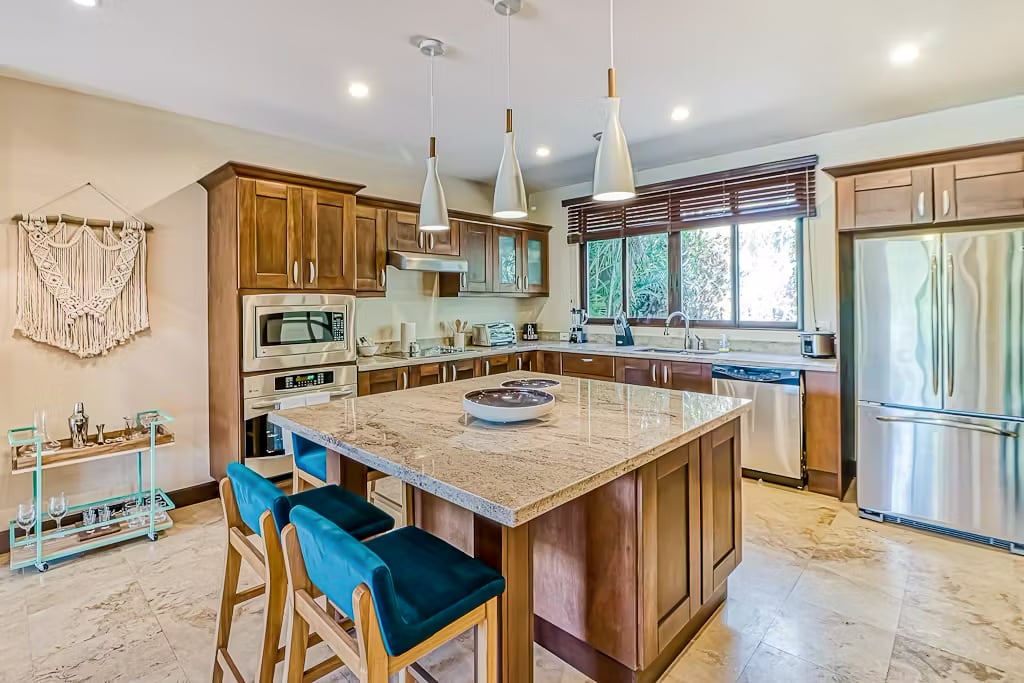
Azul Paraiso 11B, Playa Ocotal, GU 50503, Costa Rica
For Sale
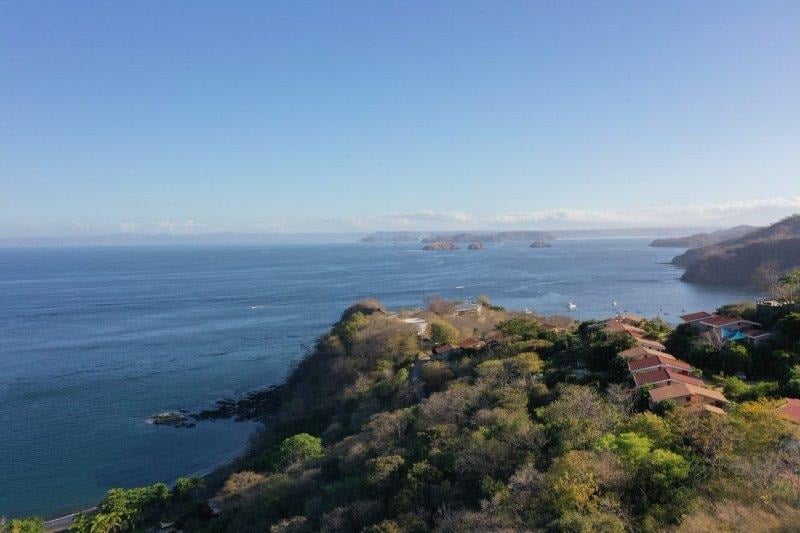
Full Ocean View Lot Ocotal, #61, Playa Ocotal, GU 50503, Costa Rica
For Sale
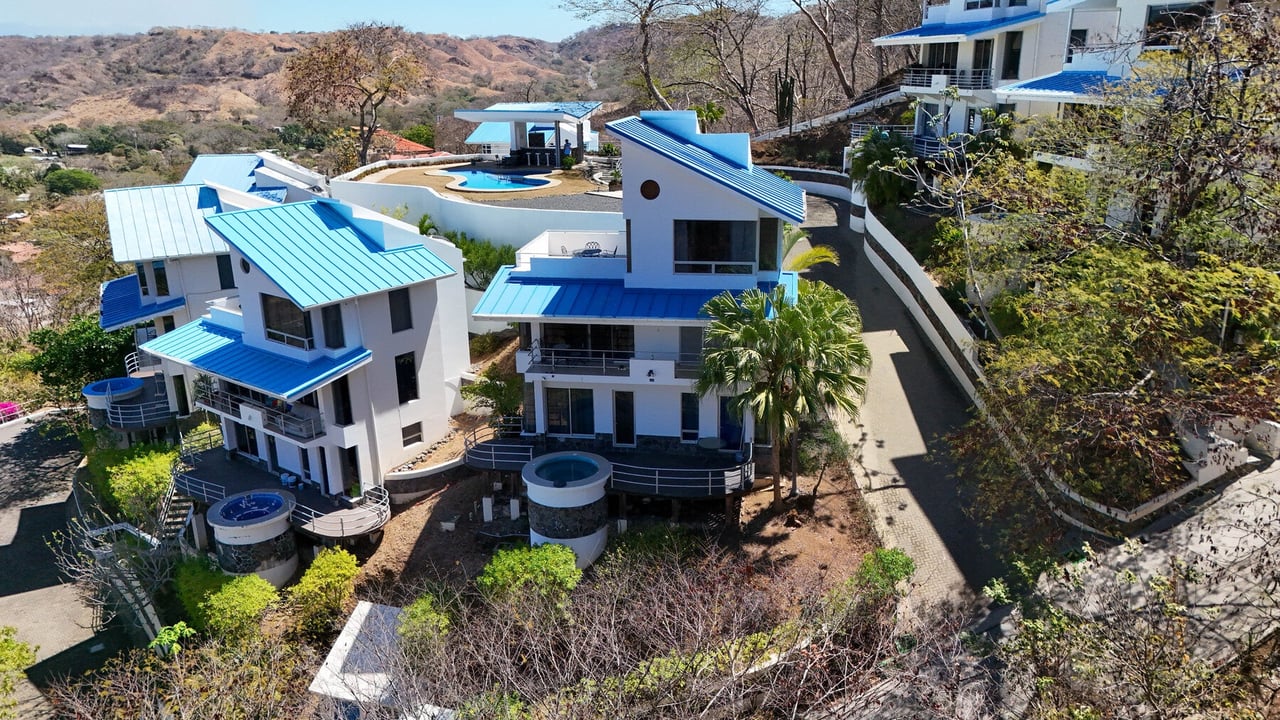
House Of Winds 1, Playas del Coco, GU 50503, Costa Rica
For Sale
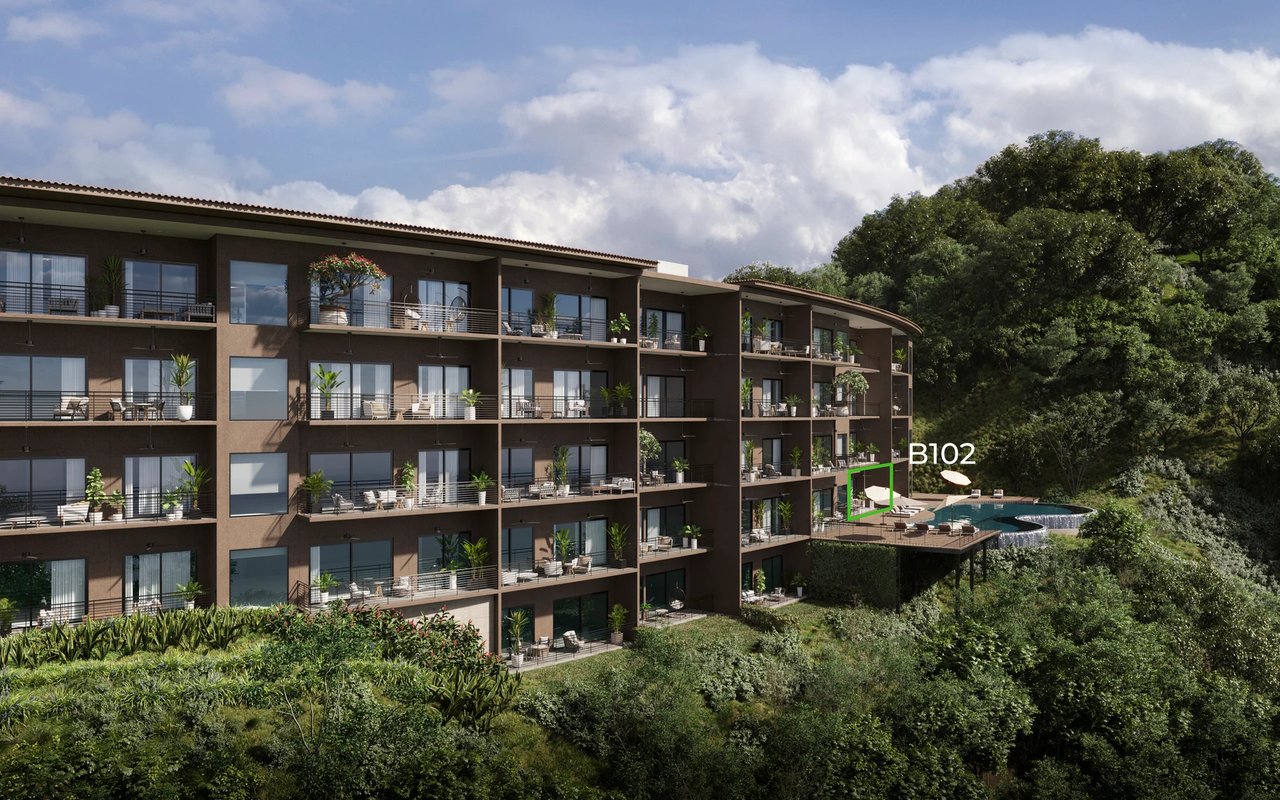
Brand New Pool-Level Oceanfront Condo B102, Azul Paraiso, Playa Ocotal, GU 50503, Costa Rica
For Sale
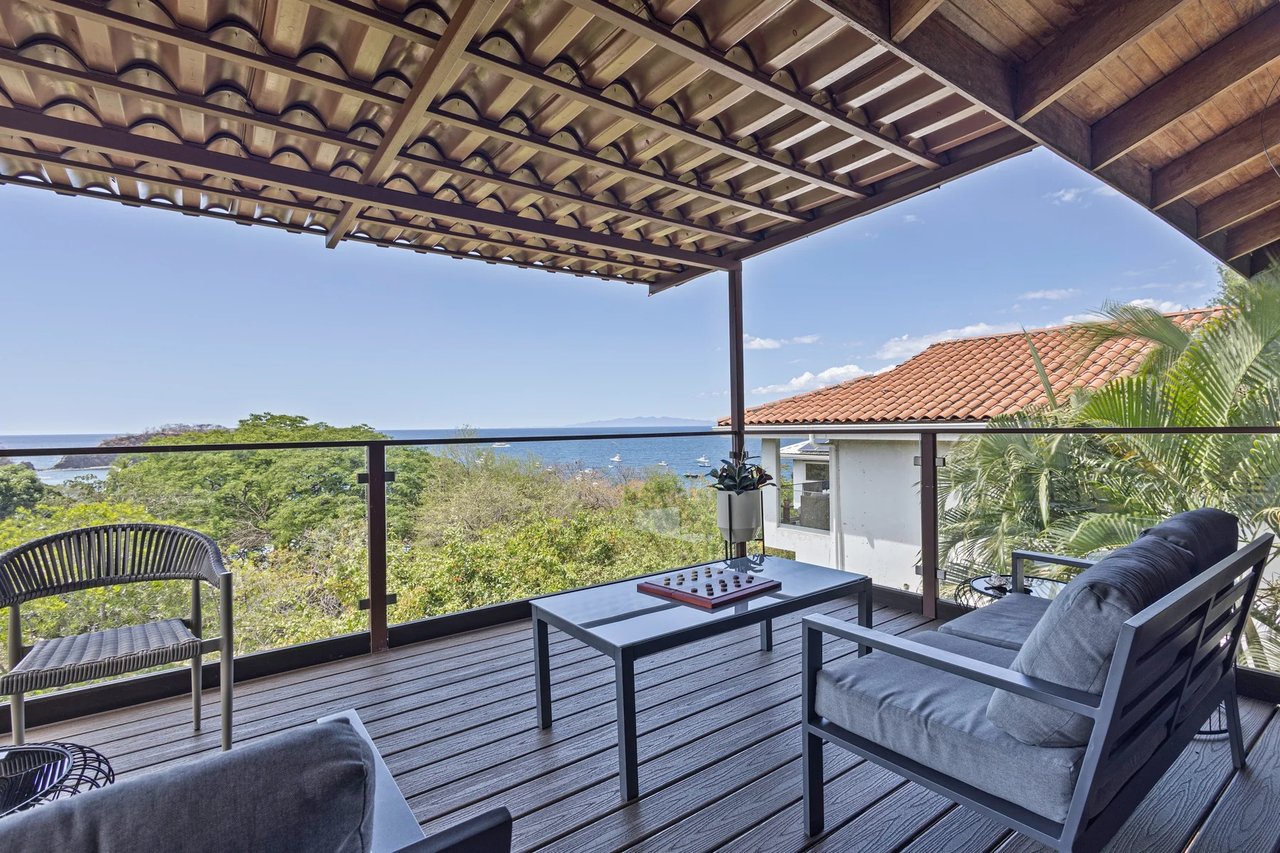
Beachfront Villa unit 17, Los Almendros, Playa Ocotal, GU 50503, Costa Rica
For Sale
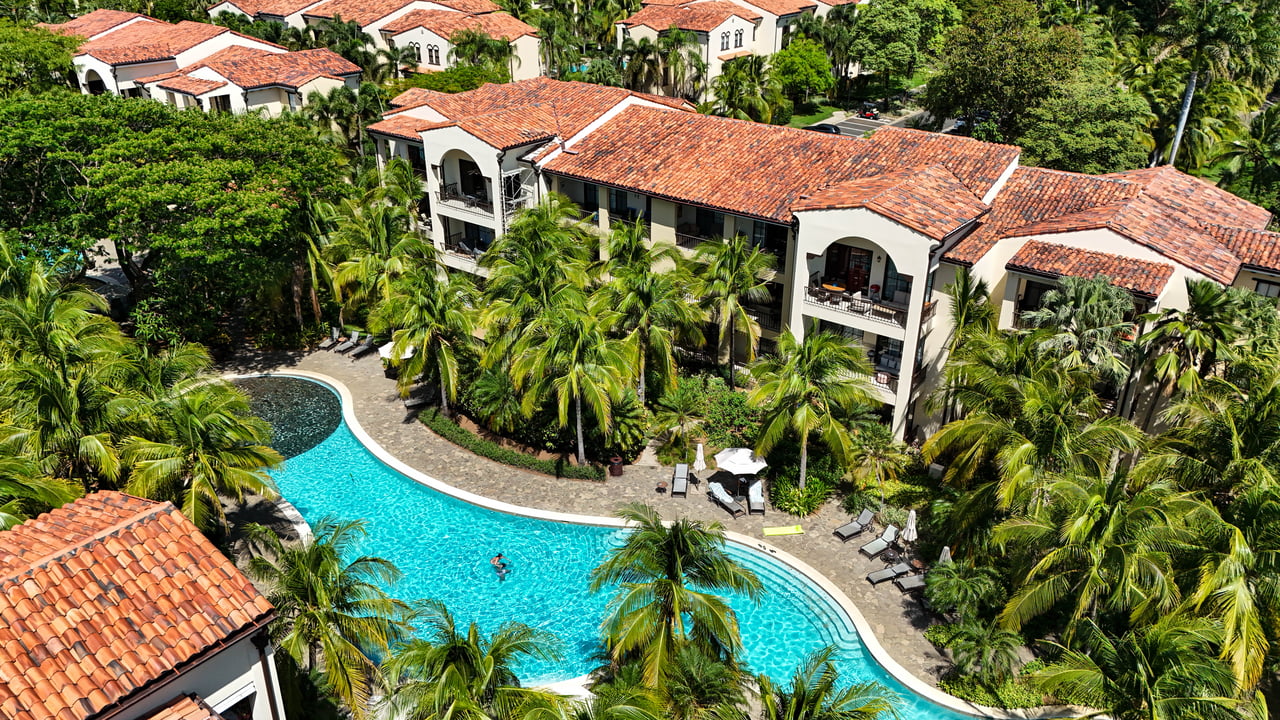
Pacifico L508, Playas del Coco, GU 50503, Costa Rica
For Sale
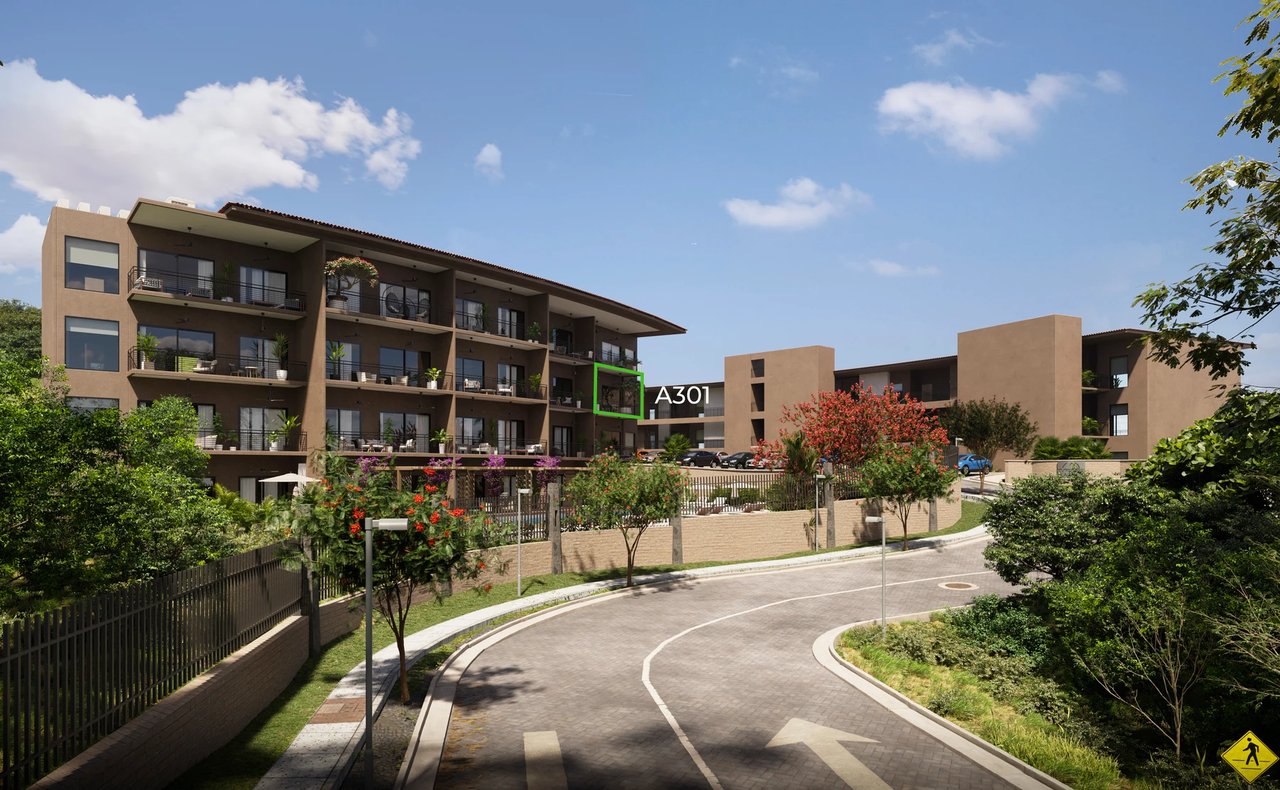
Unit A301 - Type B1, Azul Paraiso, Playa Ocotal, GU 50503, Costa Rica
For Sale
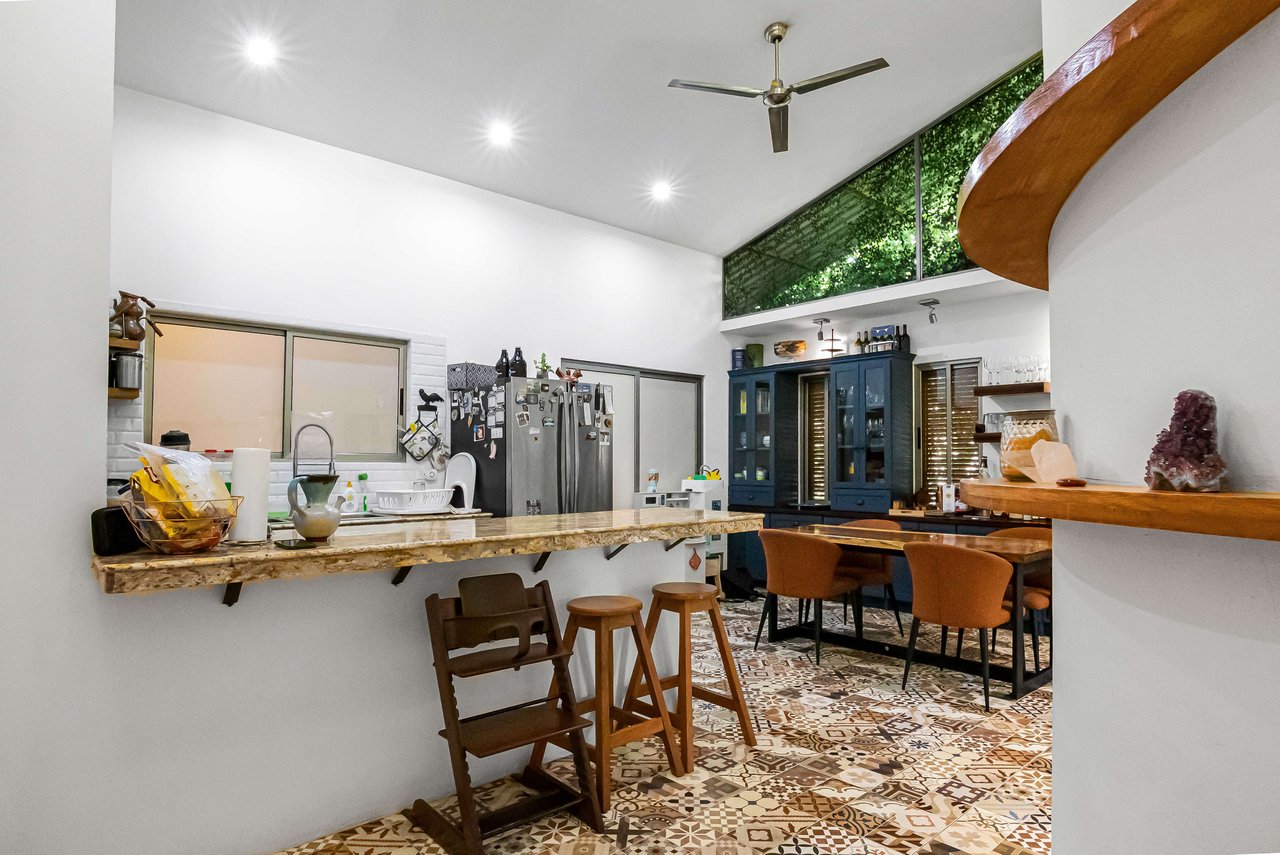
Casa Congos, Casa Congos, Playas del Coco, GU 50503, Costa Rica
For Sale
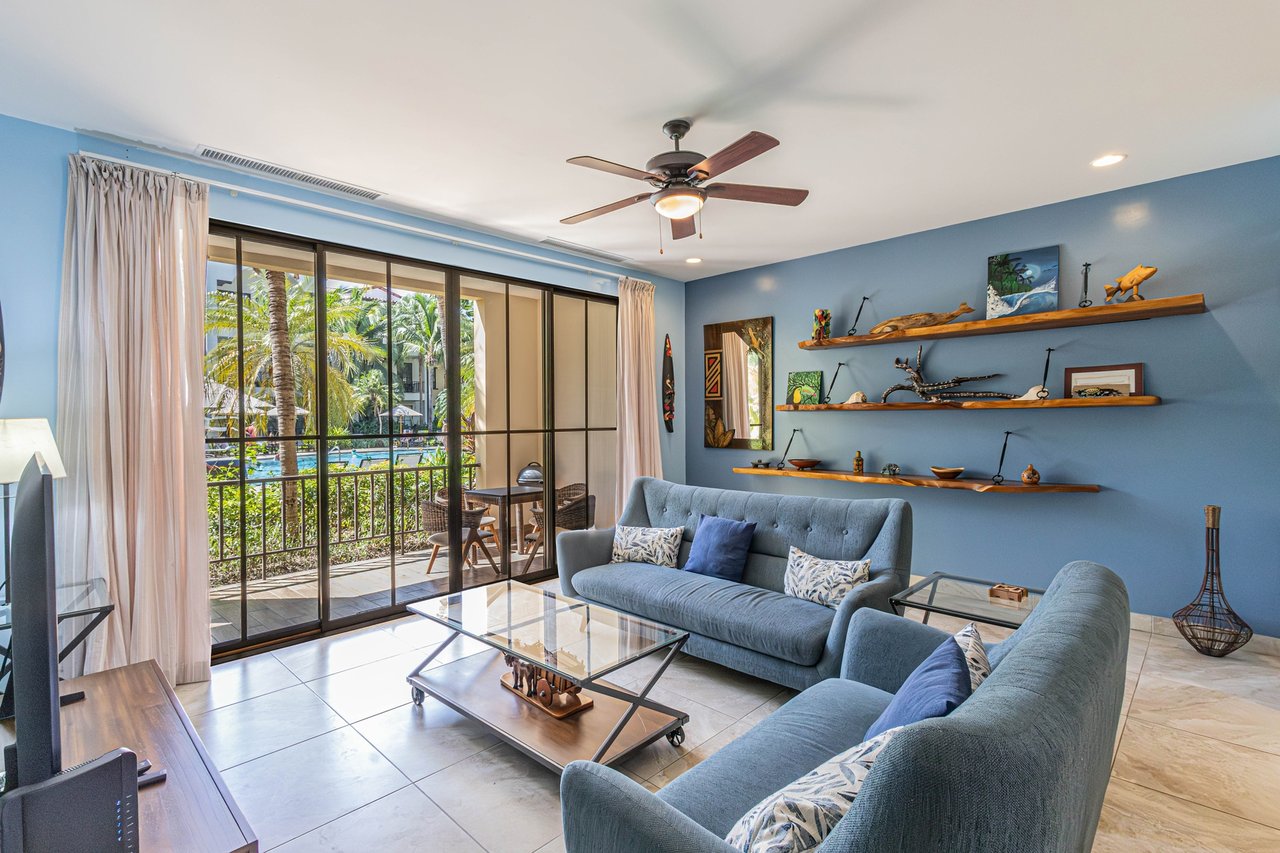
Pacifico L204, Playas del Coco, GU 50503, Costa Rica
For Sale
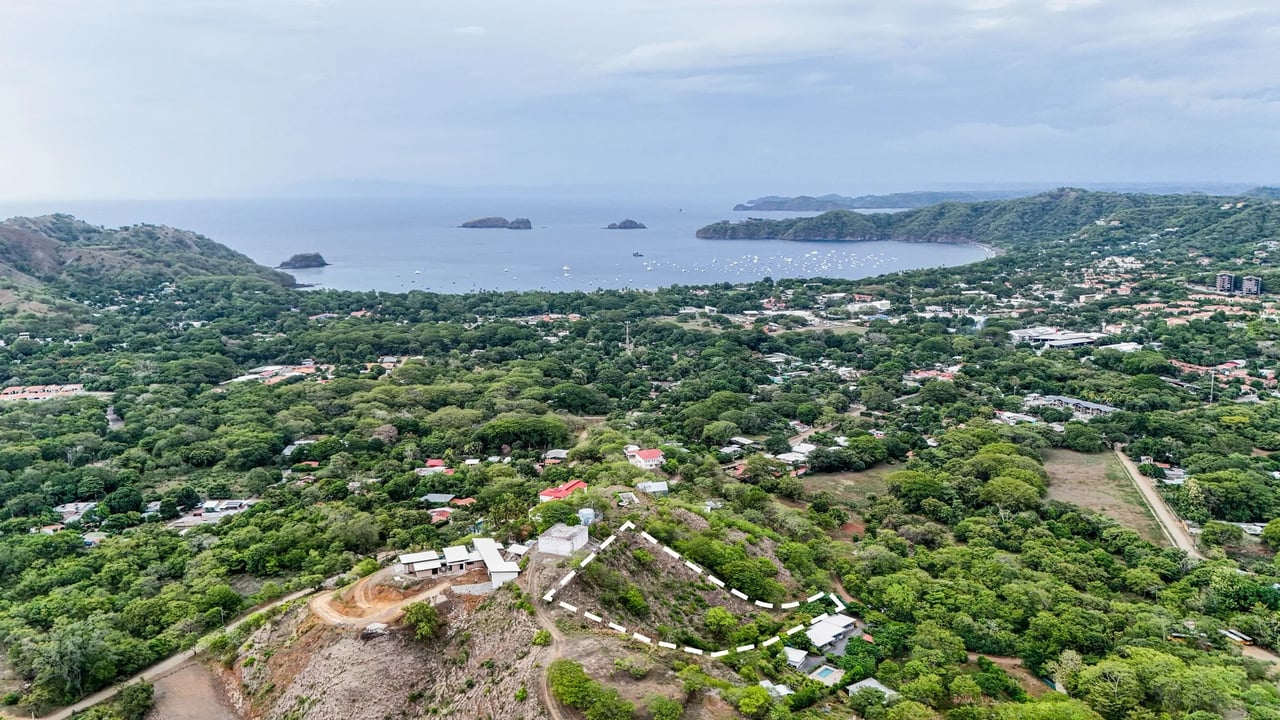
Ocean View Investment Land, Playas del Coco, GU 50503, Costa Rica
For Sale
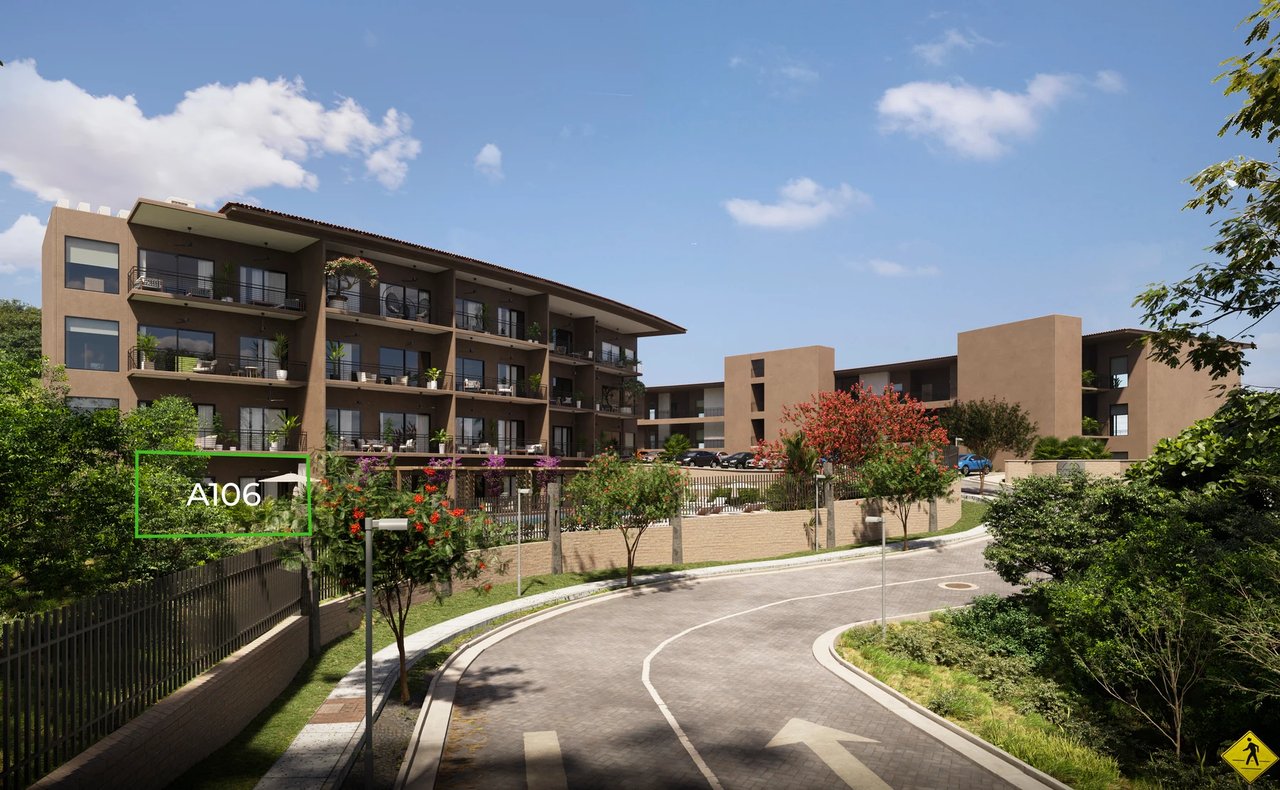
Unit A106 - Type B1, Azul Paraiso, Playa Ocotal, GU 50503, Costa Rica
For Sale
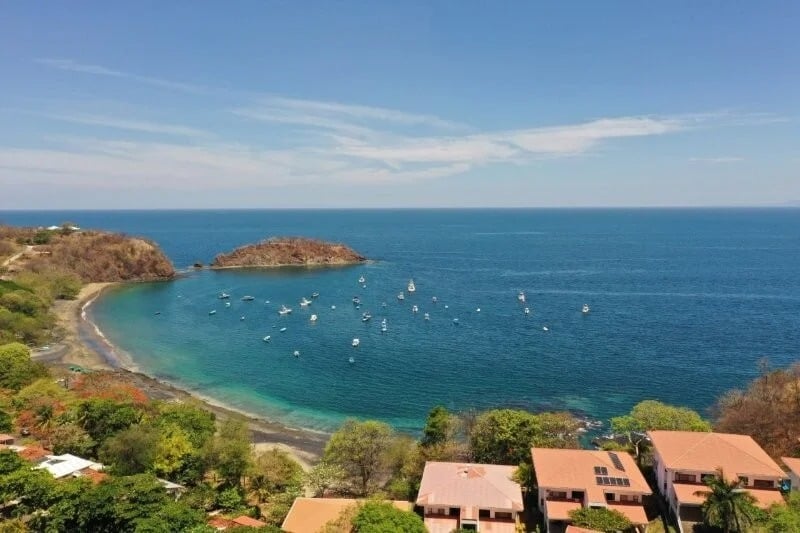
Renovated Ocean View Condo #39, Los Almendos, Playa Ocotal, GU 50503, Costa Rica
For Sale
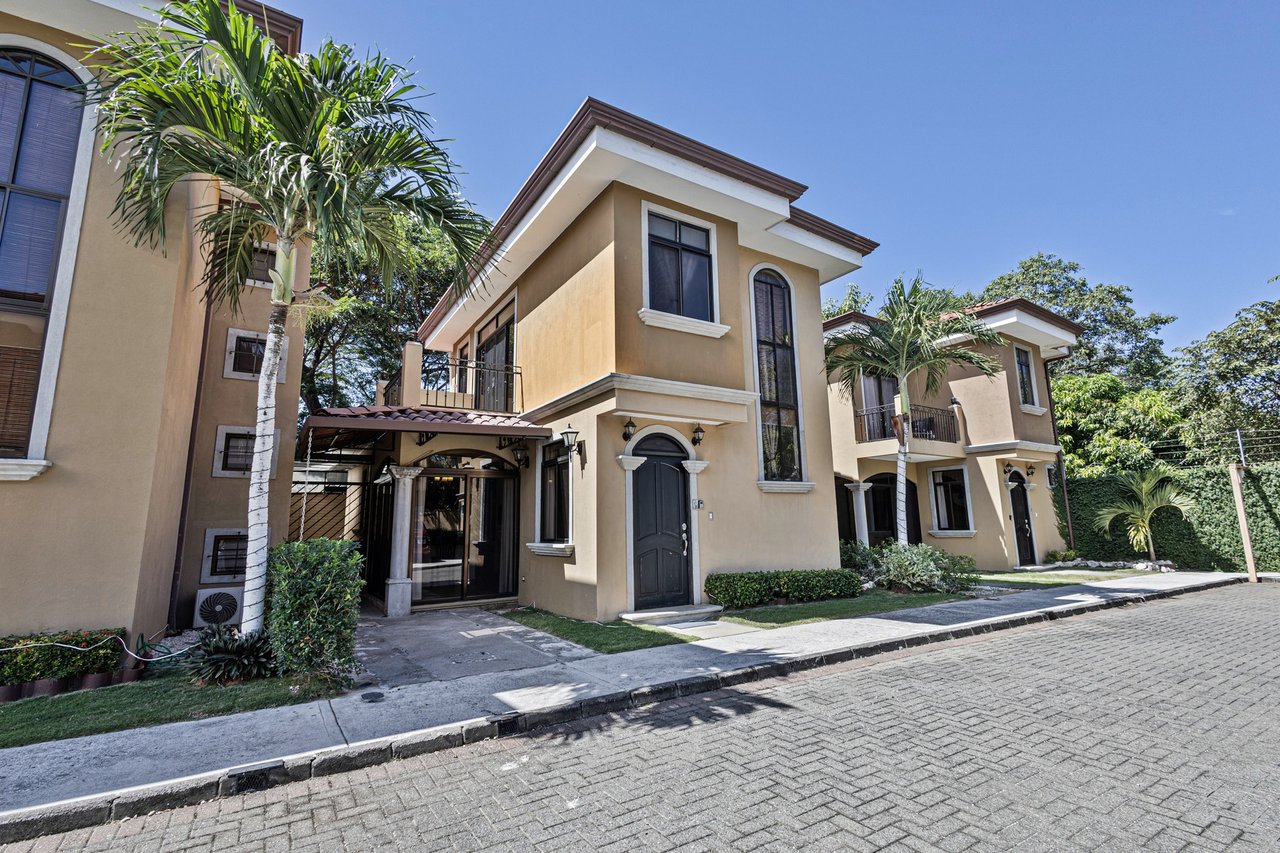
Arrecifes #11, Playas del Coco, GU 50503, Costa Rica
For Sale
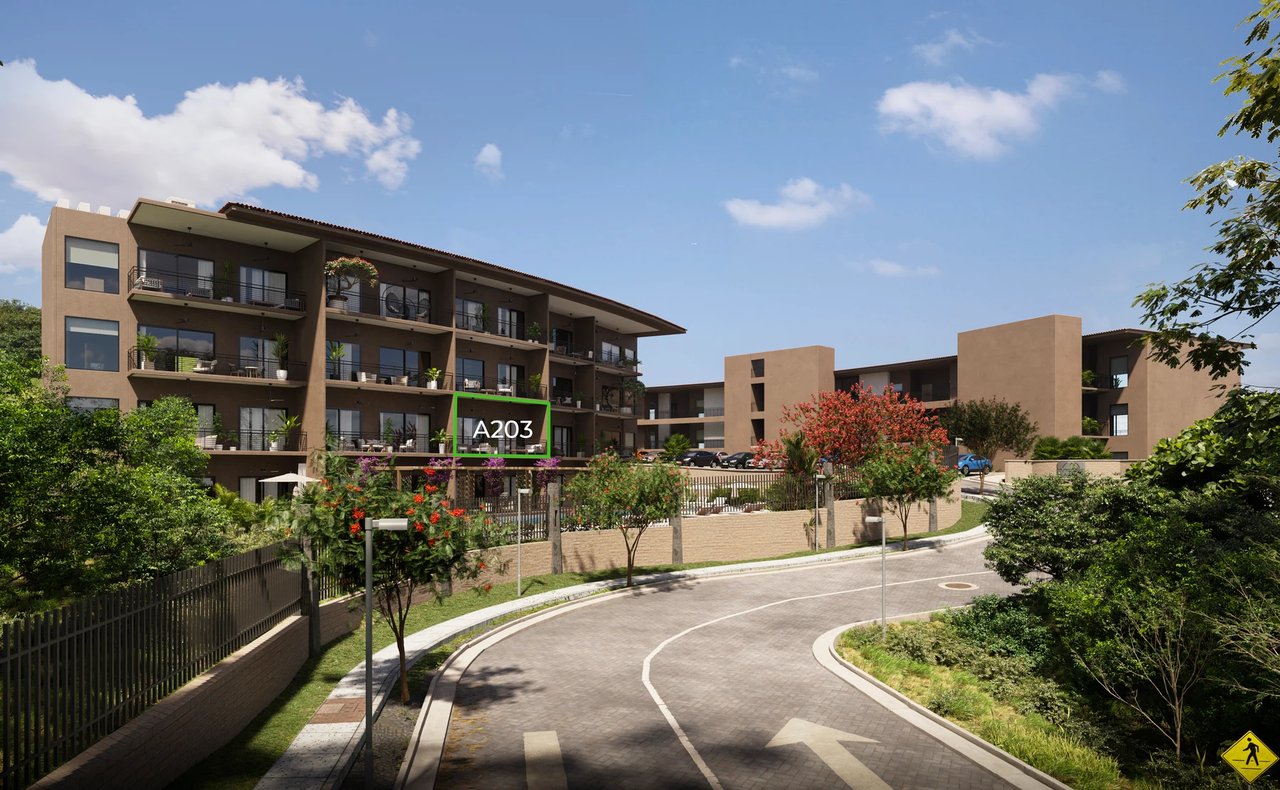
Unit A203 - Type A, Azul Paraiso, Playa Ocotal, GU 50503, Costa Rica
For Sale
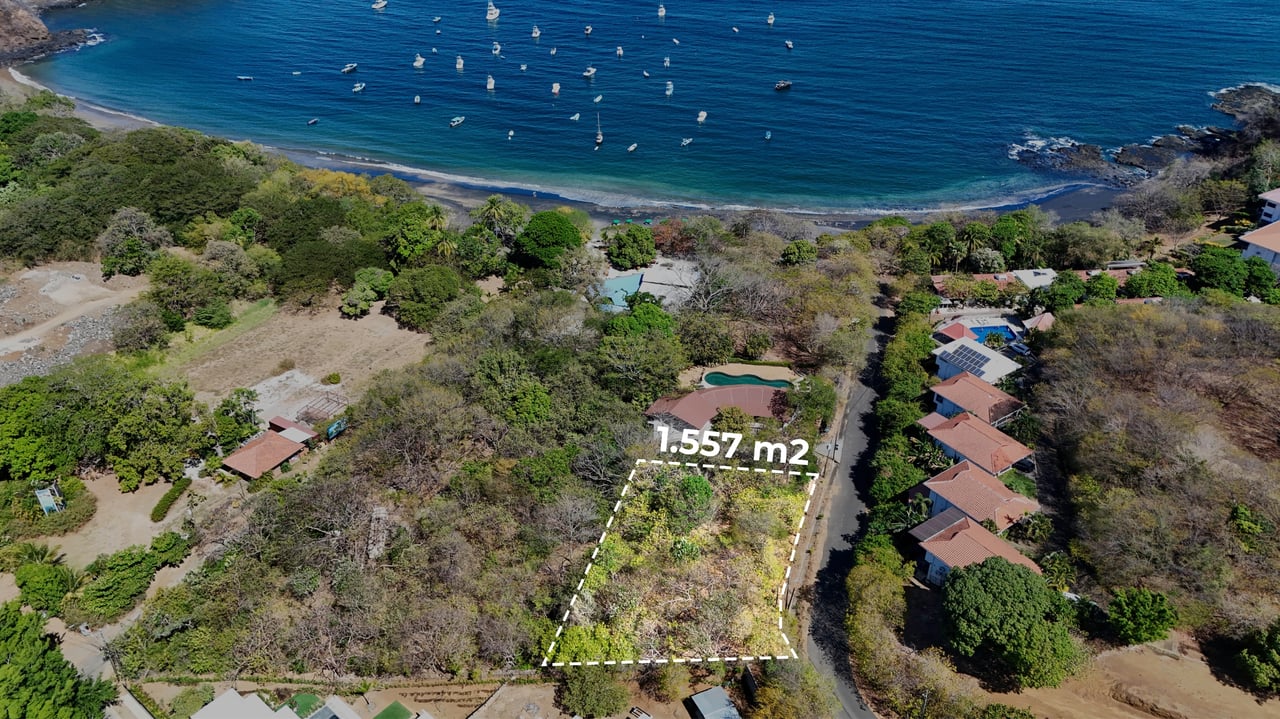
Playa Ocotal Lot, Playa Ocotal, GU 50503, Costa Rica
For Sale
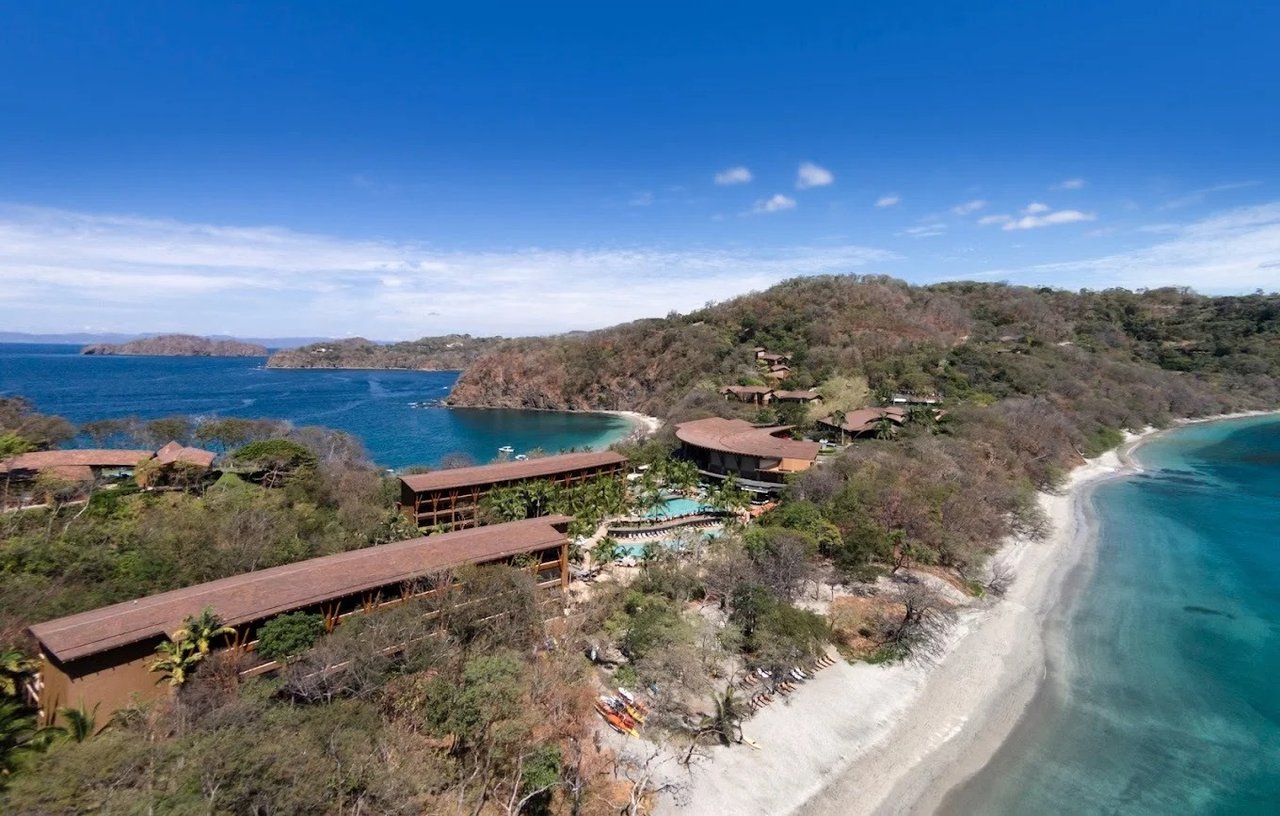
Four Seasons Fractional Condo, Four Seasons, Papagayo, GU 50104, Costa Rica
For Sale
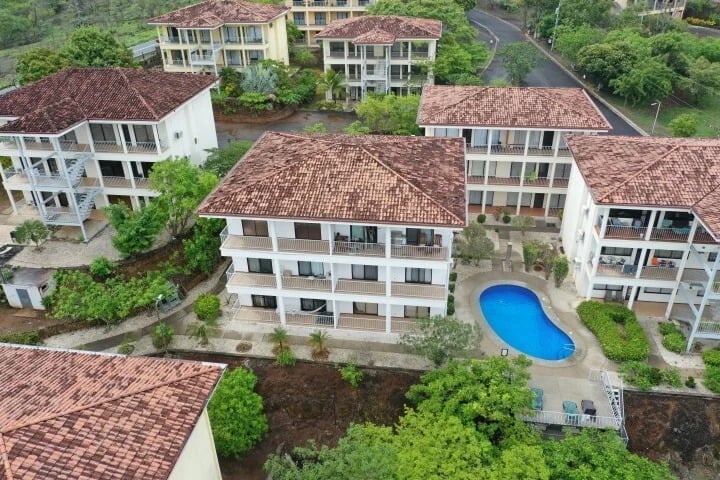
Ocean View Condo, #E-6, Vista Hermosa, Playas del Coco, GU 50503, Costa Rica
For Sale
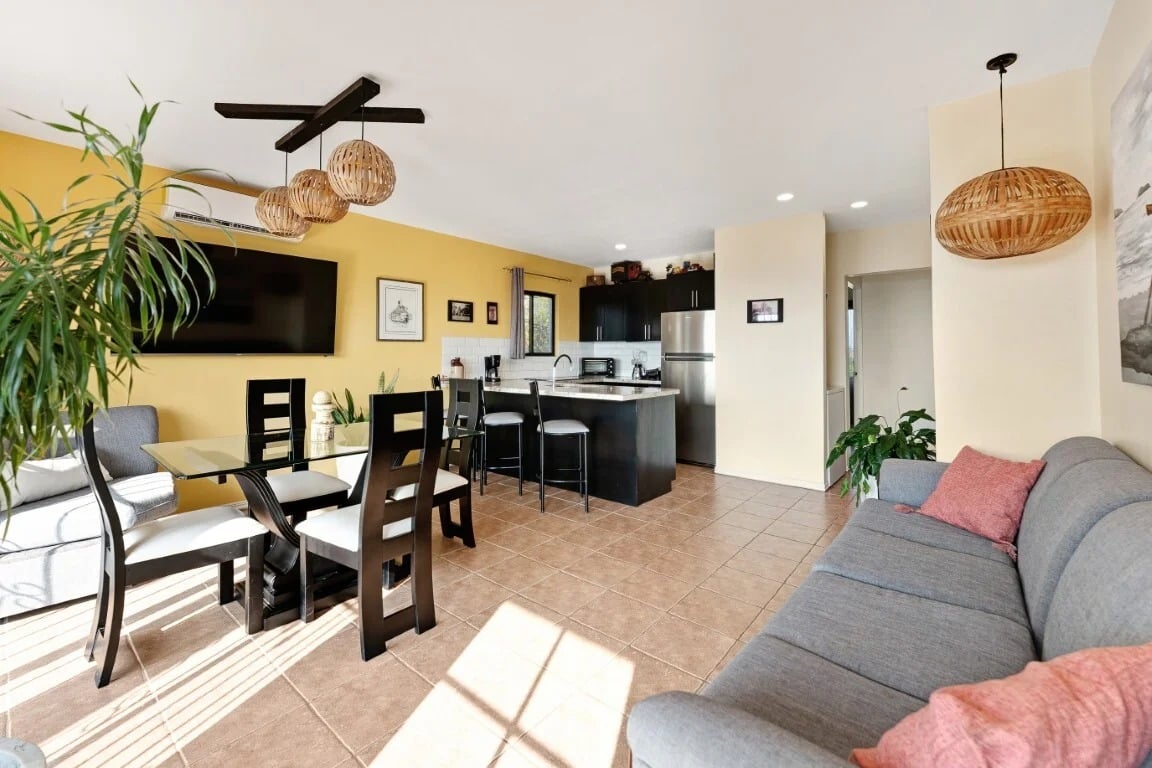
Ocean View Condo #O-3, Vista Hermosa, Playas del Coco, GU 50503, Costa Rica
For Sale
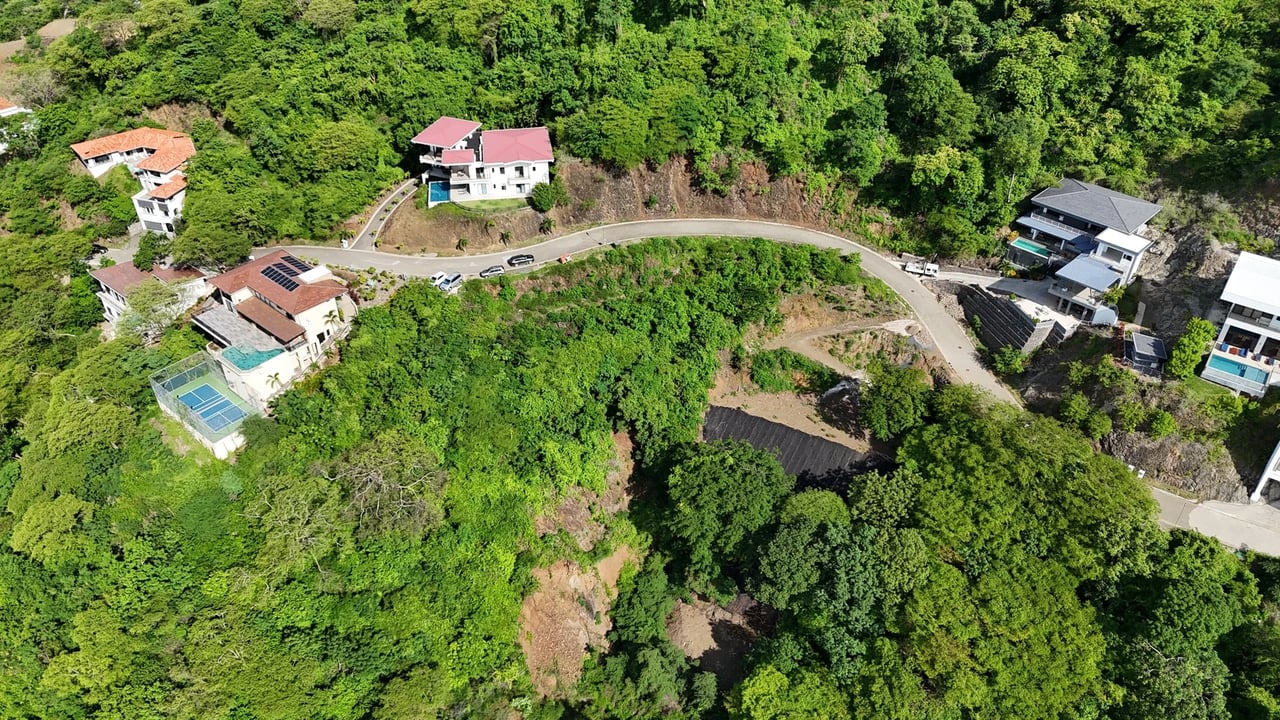
Ocean View Lot #30, Coco Bay, Ocotal, GU 50503, Costa Rica
For Sale
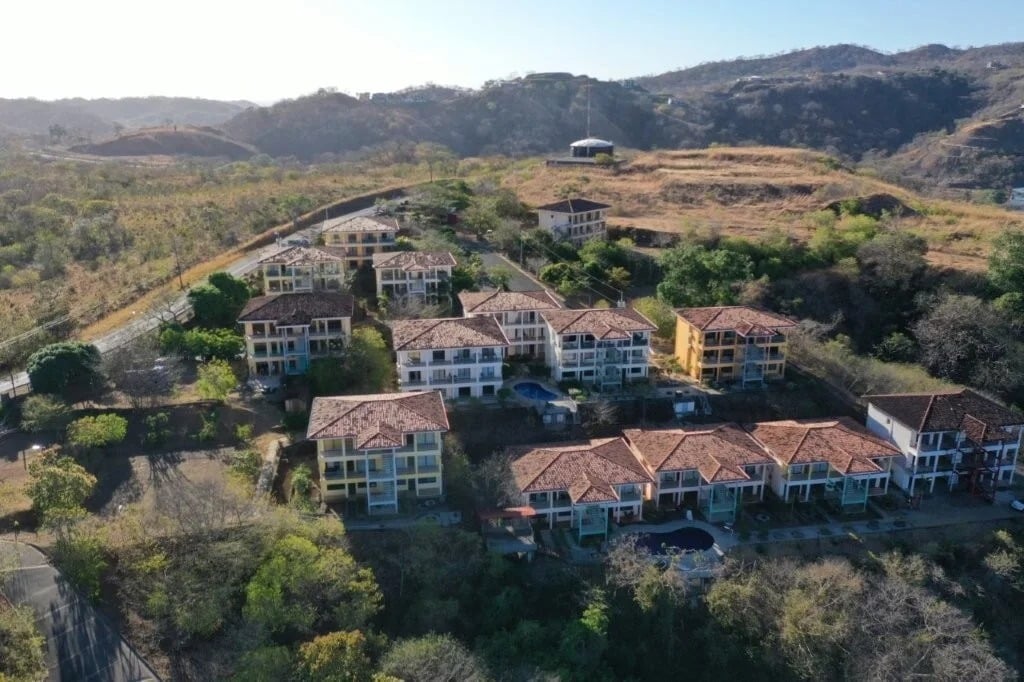
Ocean View Condo, #I-6, Vista Hermosa, GU 50503, Costa Rica
Stay up to date on the latest trends in real estate.
November 5, 2026
October 29, 2026
October 22, 2026
October 15, 2026
October 8, 2026
October 1, 2026
September 24, 2026
September 17, 2026
September 10, 2026