How Developers Evaluate Papagayo Development Land
March 24, 2026
March 24, 2026
Considering a land opportunity on Peninsula de Papagayo? You’re looking at one of Costa Rica’s most exclusive coastal markets, but also one with a unique legal and environmental framework. To move with confidence, you need a clear playbook that blends market insight with practical due diligence. In this guide, you’ll learn how developers evaluate Papagayo sites, the approvals and studies that matter most, and how to reduce risk while protecting value. Let’s dive in.
Peninsula de Papagayo sits inside the government’s Polo Turístico Golfo de Papagayo, a special tourism district with its own law and master plan. The Polo’s rules shape zoning, permitted uses, and how concessions on public land work. You should understand this framework before you price any site. The official tourism board outlines the Polo’s governance and plan in its materials on the Polo Turístico Golfo de Papagayo.
The destination is anchored by branded resorts, a marina, and signature amenities like a championship golf course. This master-planned model emphasizes low-density, resort-residential living. You can see the hospitality and residential mix on the Peninsula Papagayo destination page.
A key nuance is land status. Many parcels are public lands held as concessions rather than private fee-simple title. Concession rights, transfers, and project scopes flow from the master plan and require oversight by the Costa Rican Tourism Board (ICT). The implementing regulation to the Polo’s law is the practical reference for land use and densities; you can review the Reglamento to Law 6758 and Plan Maestro references.
There has also been public debate about how conservation and development percentages apply within concessions, often described as a 70 percent conservation and 30 percent development split. Recent reporting highlights this policy discussion and why legal clarity matters for investors. For context, see this coverage on the 70/30 conservation debate.
Your first question is basic but critical: is the parcel privately titled or a public-land concession? If it is concessioned under the Polo, request the concession deed, the ICT resolution that granted it, and all recorded attachments that reference the Plan Maestro and any conditions or timelines. Transfers or cessions of concession rights typically require ICT approval and municipal sign-offs. You should also check for encumbrances, expirations, or judicial actions. The Polo’s governing rules are described in the ICT’s regulation and Plan Maestro references.
Next, confirm what the master plan allows on the specific site. The Polo’s plan functions like local zoning. Verify permitted uses and densities, maximum buildable area, and whether your program fits. Examples include hotels, branded residences, villas, marina facilities, or a mix of uses. If part of the concession must remain conserved, make sure your plan respects that split. When in doubt, map your concept to the Plan Maestro language before you spend on design.
Most resort-scale projects in Papagayo require environmental viability from SETENA, Costa Rica’s national environmental authority. Depending on project type and scale, you may need an environmental instrument or a full EIA before construction. Classifications vary, and timelines depend on the completeness of submissions. Start scoping early with a registered consultant. Review SETENA’s guidance and consultant information in the SETENA FAQs.
Papagayo is part of a sensitive tropical dry forest and marine ecosystem. Conservation programs, preserves, and reef initiatives are common and can be required as permit conditions. These elements strengthen brand value but also add monitoring duties and design constraints. The destination’s materials offer a window into its conservation priorities and amenity mix on the Peninsula Papagayo destination page.
Water availability often sets the pace for projects. Historically, some developments have been delayed or conditioned due to local water constraints. The government and AyA have invested in Guanacaste’s regional water program, including the Las Trancas–Papagayo aqueduct, to expand supply. Even so, you must verify site-specific capacity, connections, and any reliance on ASADAs or wells. Factor AyA connection offers and timing into your pro forma. For regional context, review AyA’s note on the PIAAG water program in Guanacaste.
Resorts typically connect to the national grid and maintain backup generation. Increasingly, projects add on-site renewables and energy management systems to improve resilience and sustainability. Confirm grid capacity, required line extensions, transformer sizing, and connection timing with ICE or the local distributor. Destination updates sometimes note energy-management initiatives; see the 2024 Impact Report announcement for high-level context.
Large projects usually require centralized or packaged wastewater treatment, with approvals from the Ministry of Health and any conditions issued by SETENA. Confirm whether municipal sewer service is available or if you will build and operate on-site systems. Treatment selection and effluent discharge acceptance can materially influence CAPEX and schedule.
Papagayo’s coastal terrain is volcanic with steep slopes, rocky outcrops, and variable soils. These conditions drive earthworks, foundations, and drainage design. Geotechnical and hydrogeologic studies are non-negotiable before you finalize budgets or schedules. A regional research overview highlights the area’s geologic complexity in the North Pacific of Costa Rica.
If your program touches the maritime–terrestrial zone or proposes marina elements, prepare for specialized permitting and longer reviews under national coastal and marina laws. These approvals are separate from upland permits and often require public-domain concessions. Plan for specialist consultants and additional time.
Concession terms and environmental approvals often include mitigation, restoration, and community commitments. In Papagayo, developers have historically invested in roads, water works, workforce training, and local programs, sometimes as conditions of approval. You should budget for these obligations, track them in compliance calendars, and integrate them into long-term operations. Destination materials reference conservation and community focus on the Peninsula Papagayo destination page.
Use this quick-reference list to qualify a site before you go hard on deposits:
Legal and title
Regulatory and permits
Technical studies
Utilities
Commercial and financial
Social and community
As you collect documents, monitor the official gazette for administrative actions that affect concessions. The La Gaceta archive is a useful reference for tracking notices.
Set expectations early and build realistic holds into your model:
Environmental viability and EIA
Utility readiness
Concession transfer approvals
Papagayo’s low-density, high-touch positioning and any statutory development caps concentrate value into a limited number of high-quality slots. This tends to favor luxury branded hotels, branded residences, and ultra-luxury estates over high-volume condos. Confirm allowed unit counts and whether branded residences are permitted on your site. Destination positioning and pipeline are outlined on the Peninsula Papagayo destination page.
Access to Daniel Oduber International Airport in Liberia and ongoing infrastructure improvements have supported high-end travel and second-home demand. New branded openings and pipeline projects, such as ultra-luxury properties and enhanced amenities, can lift nearby residential values while drawing closer scrutiny from regulators and stakeholders. Keep your program aligned with this demand profile.
Given public debate over conservation ratios and concession scope, you should model a regulatory risk premium. Legal clarity on the development envelope is a value driver. For context on recent public discussion, review this coverage of conservation rules.
Use the following five steps to advance a promising site quickly while containing risk:
As a boutique specialist based near Papagayo, we support your evaluation from day one:
Off-market intelligence
Coordinated diligence teams
Structuring and permit roadmaps
Partner matching
Visual and market positioning
If you’re evaluating a site on Peninsula de Papagayo or the adjacent Guanacaste coast, we’d welcome a confidential conversation. Tap into local insight, discreet inventory, and an execution roadmap tailored to your goals with 2 Costa Rica Papagayo.
Explore our exclusive listings.
For Sale
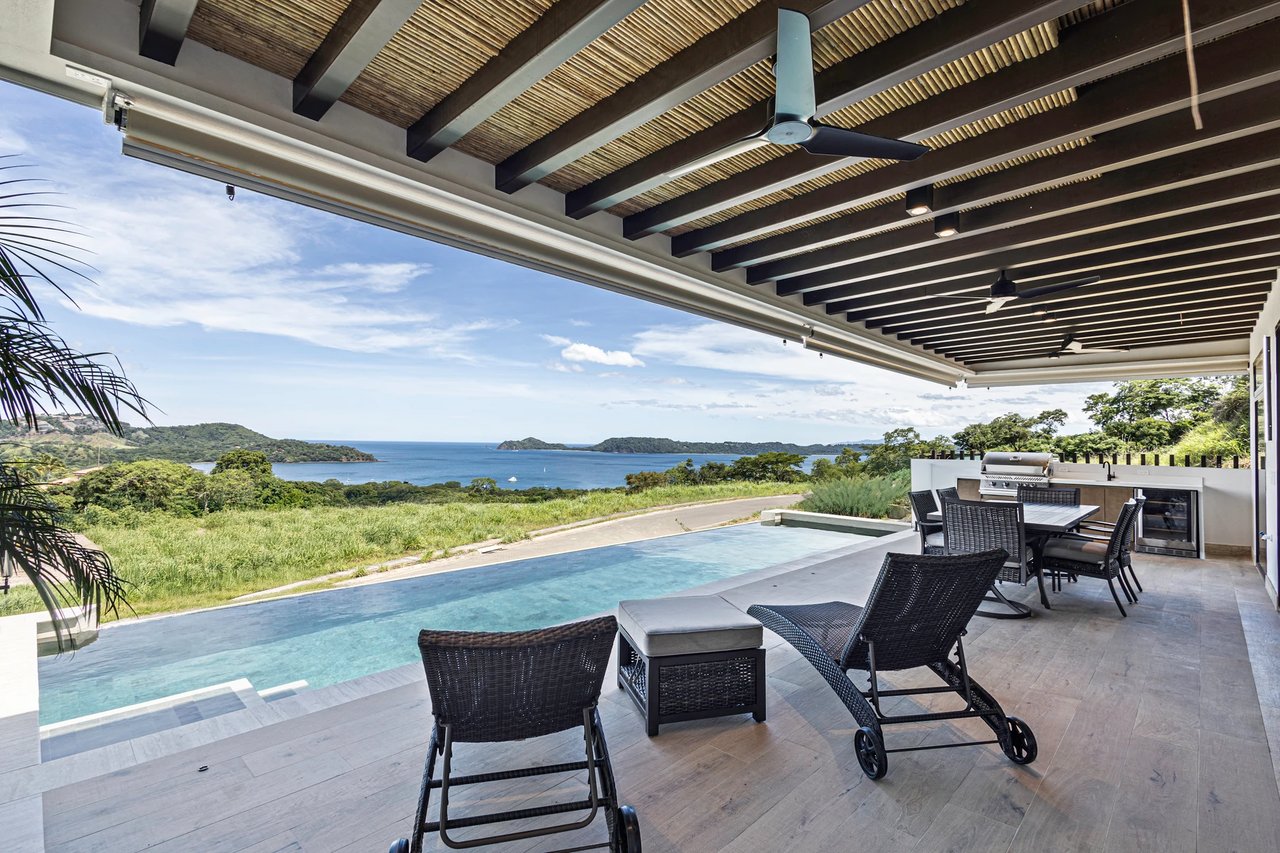
Casa Del Ray, Lot 12B, Hacienda Del Mar, Playa Panama, GU 50503, Costa Rica
For Sale
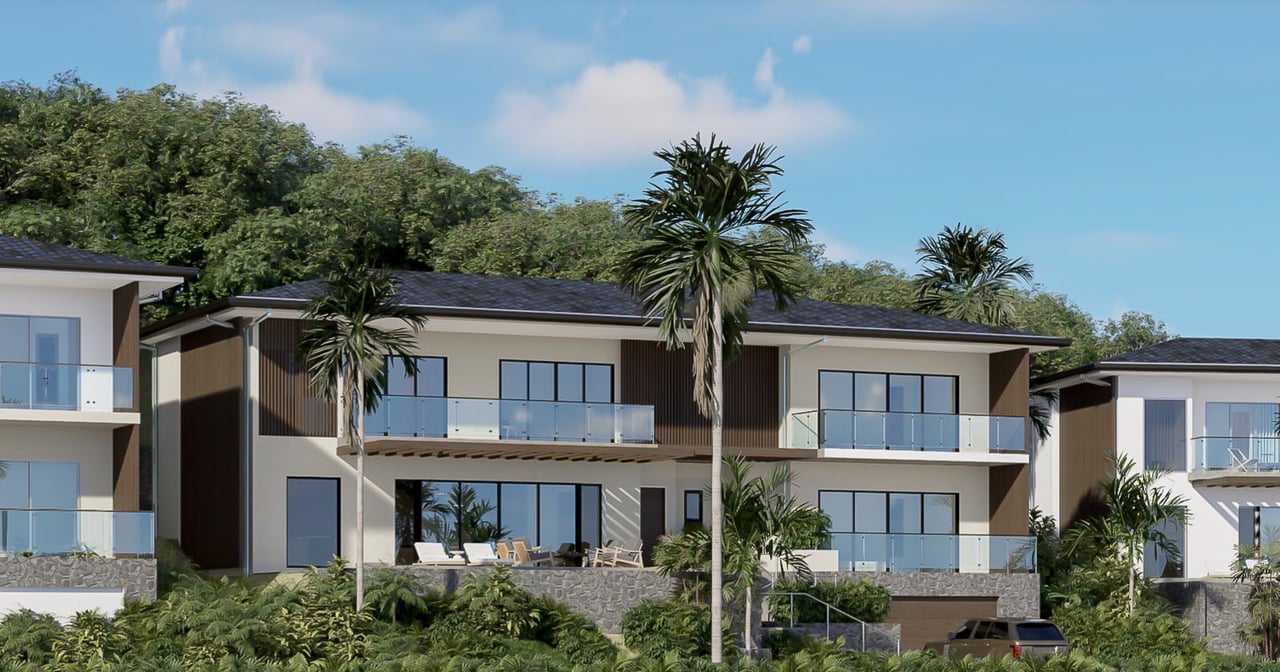
Lot 12B, Hacienda Del Mar, Playa Panama, GU 50503, Costa Rica
For Sale
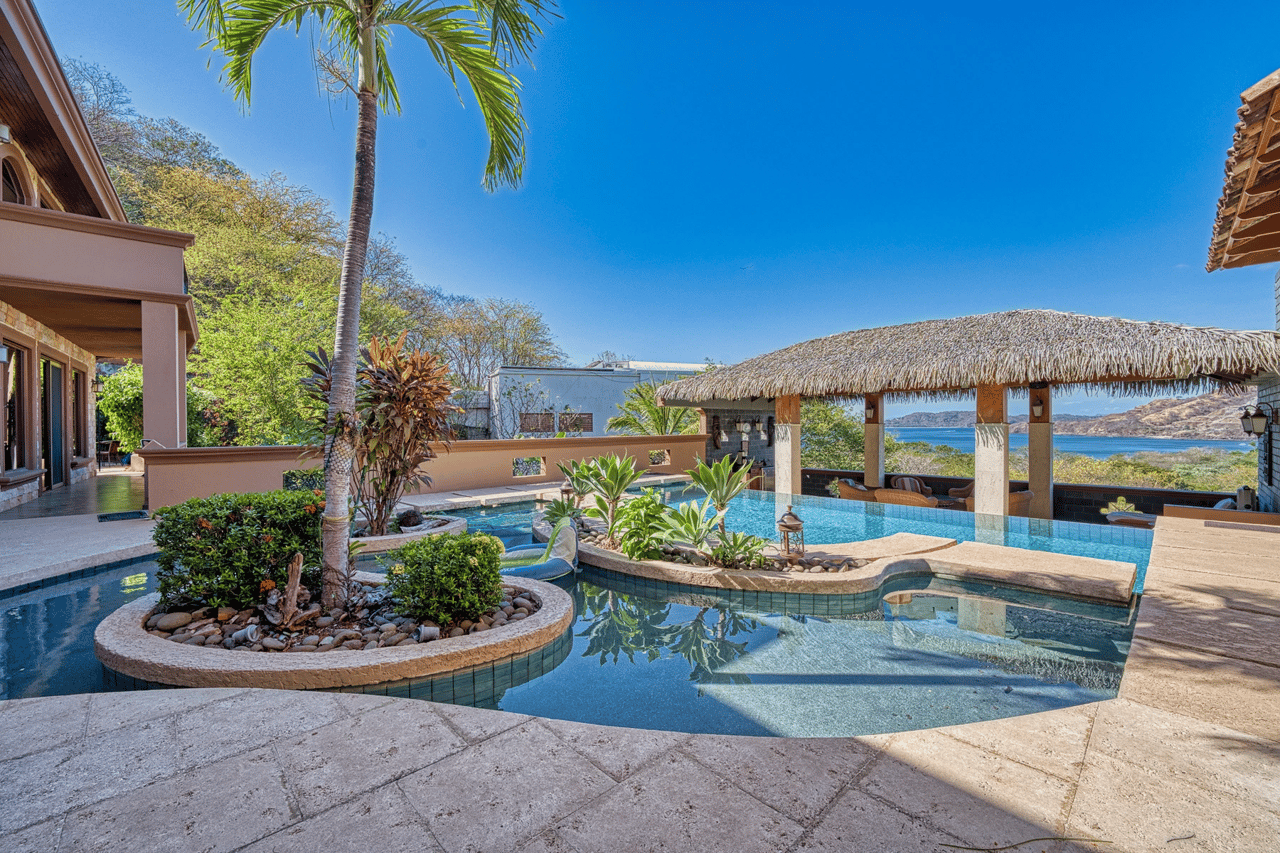
Ocean View Hermosa Montaña, Playa Hermosa, GU 50503, Costa Rica
For Sale
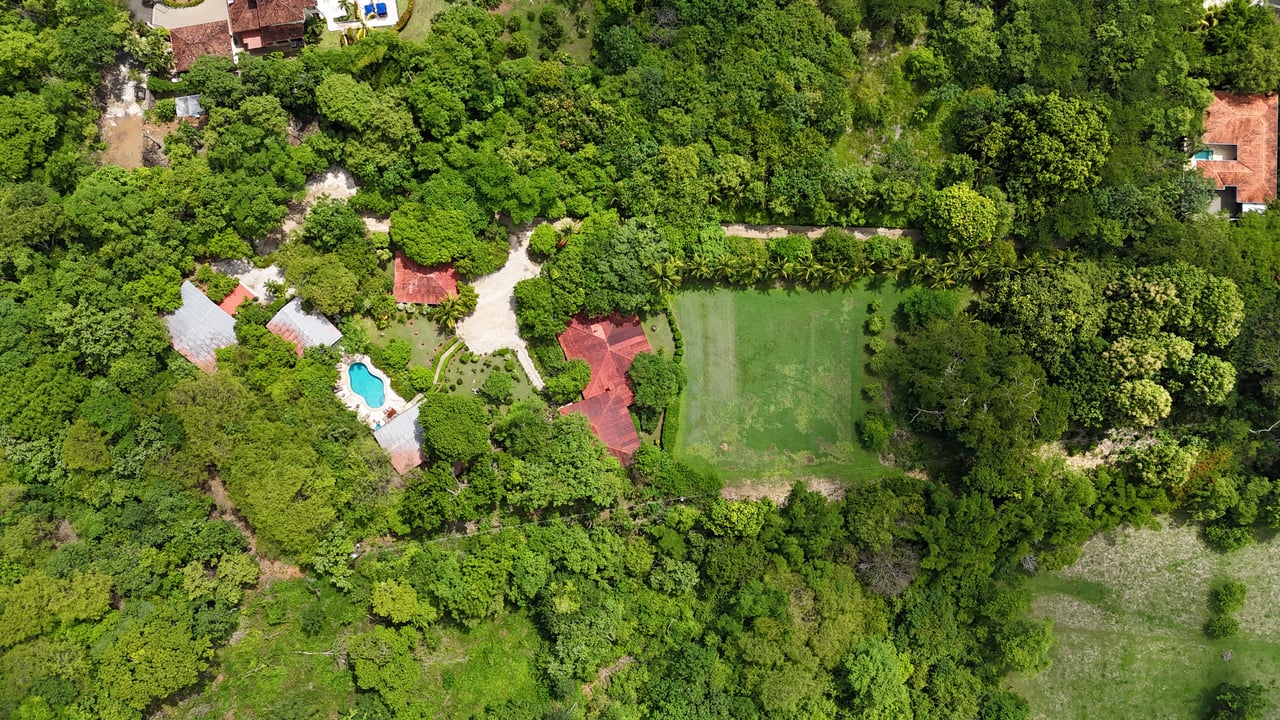
Rancho Armadillo, Monte Seco, Ocean Views, Playas del Coco, GU 50503, Costa Rica
For Sale
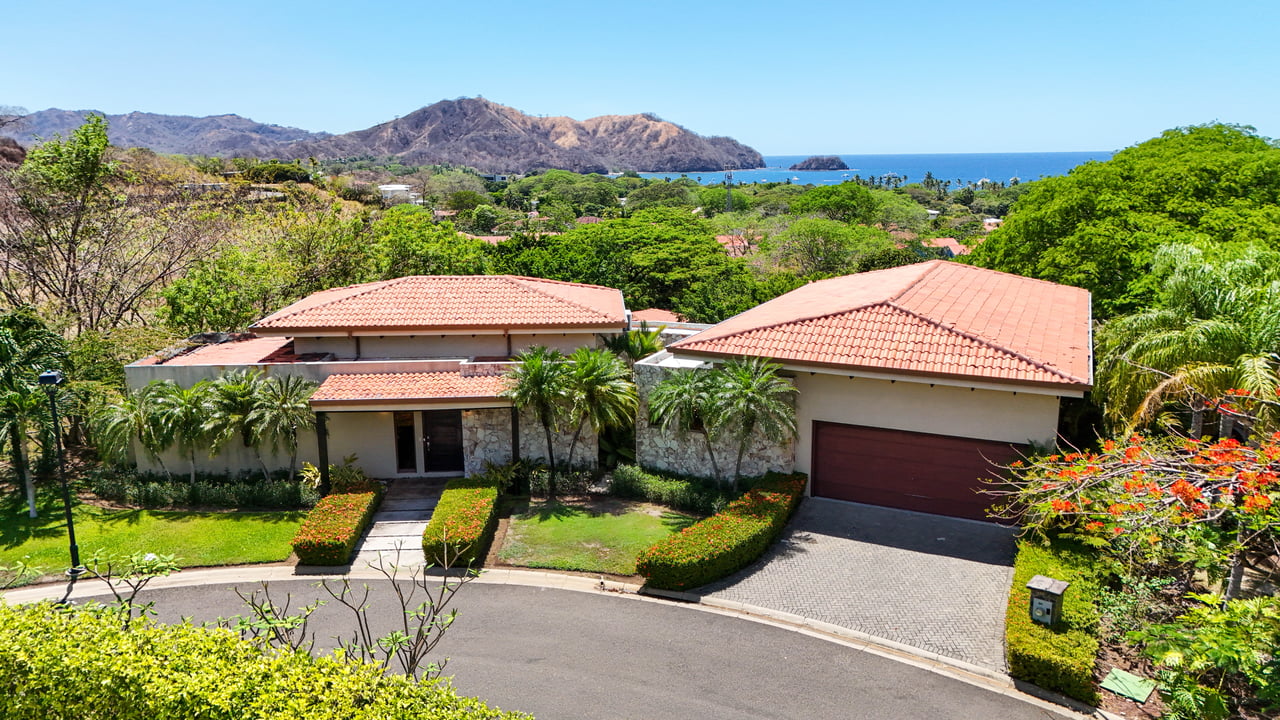
Ocean View Villa 80, Pacifico, Playas del Coco, GU 50503, Costa Rica
For Sale
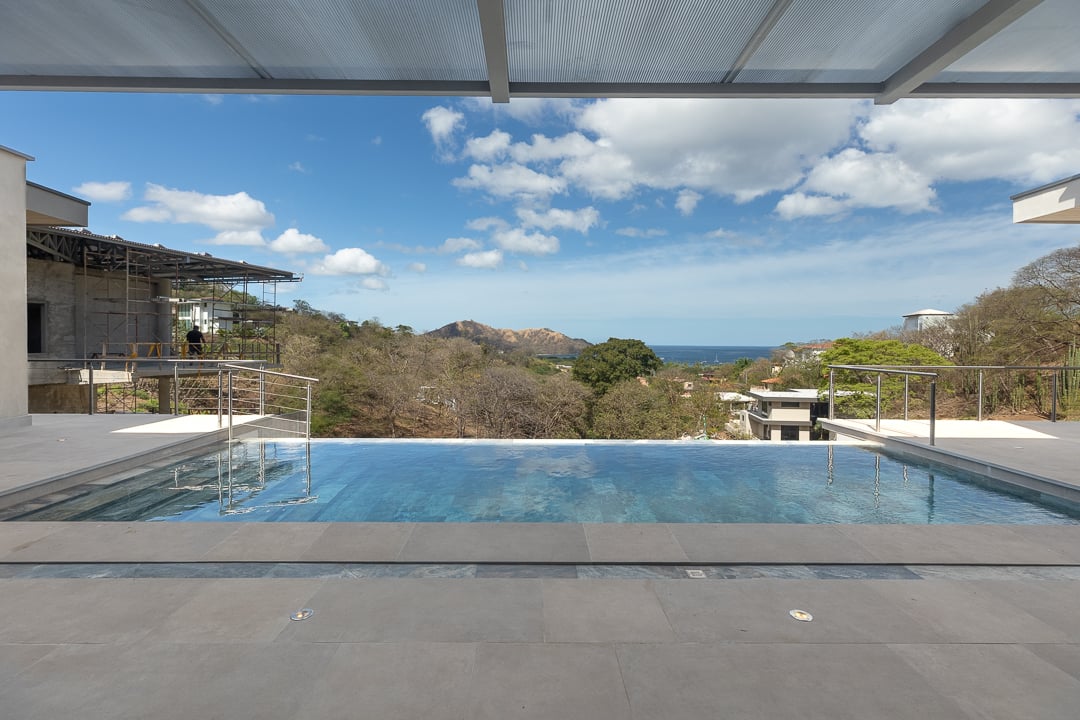
Oceanview Home, Lot 42, Pacifico, Playas del Coco, GU 50503, Costa Rica
For Sale
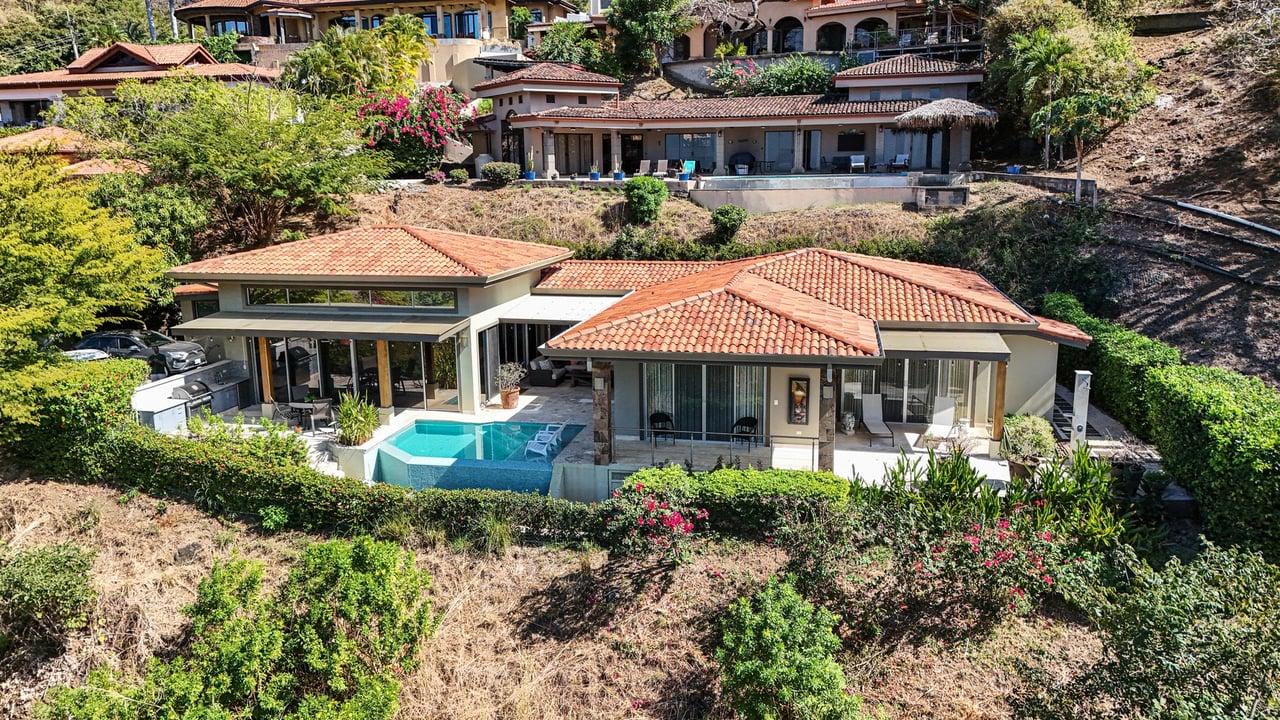
Ocean View Casa De Encanto, Hermosa Heights, Playa Hermosa, GU 50503, Costa Rica
For Sale
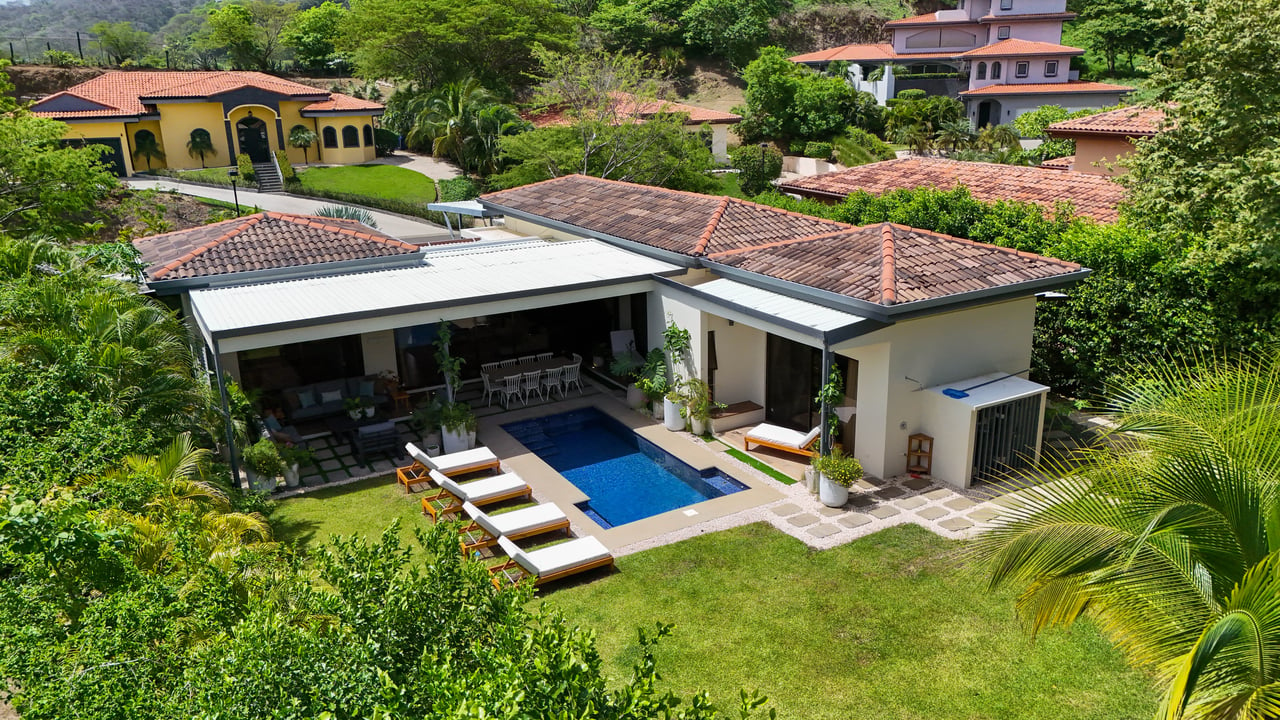
Casa Sanctuary, Pacifico, Playas del Coco, GU 50503, Costa Rica
For Sale
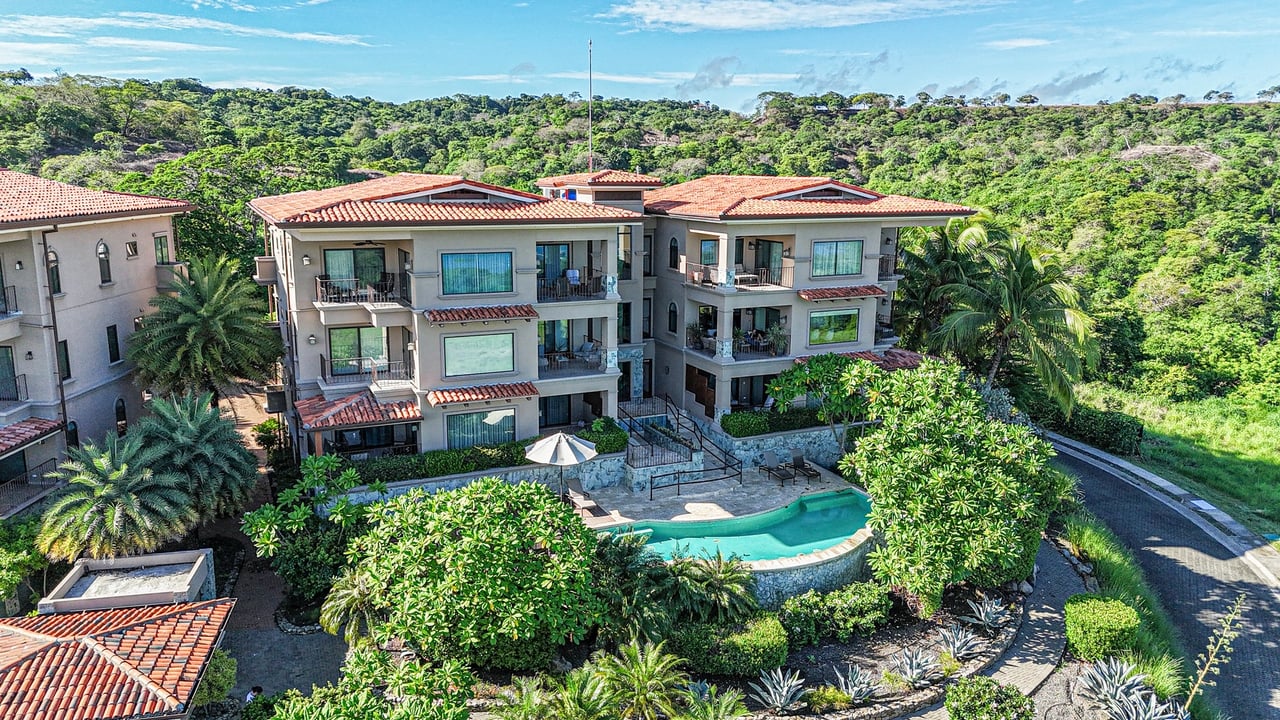
Ocean View Jaguar Village A1, Playa Panama, GU 50508, Costa Rica
For Sale
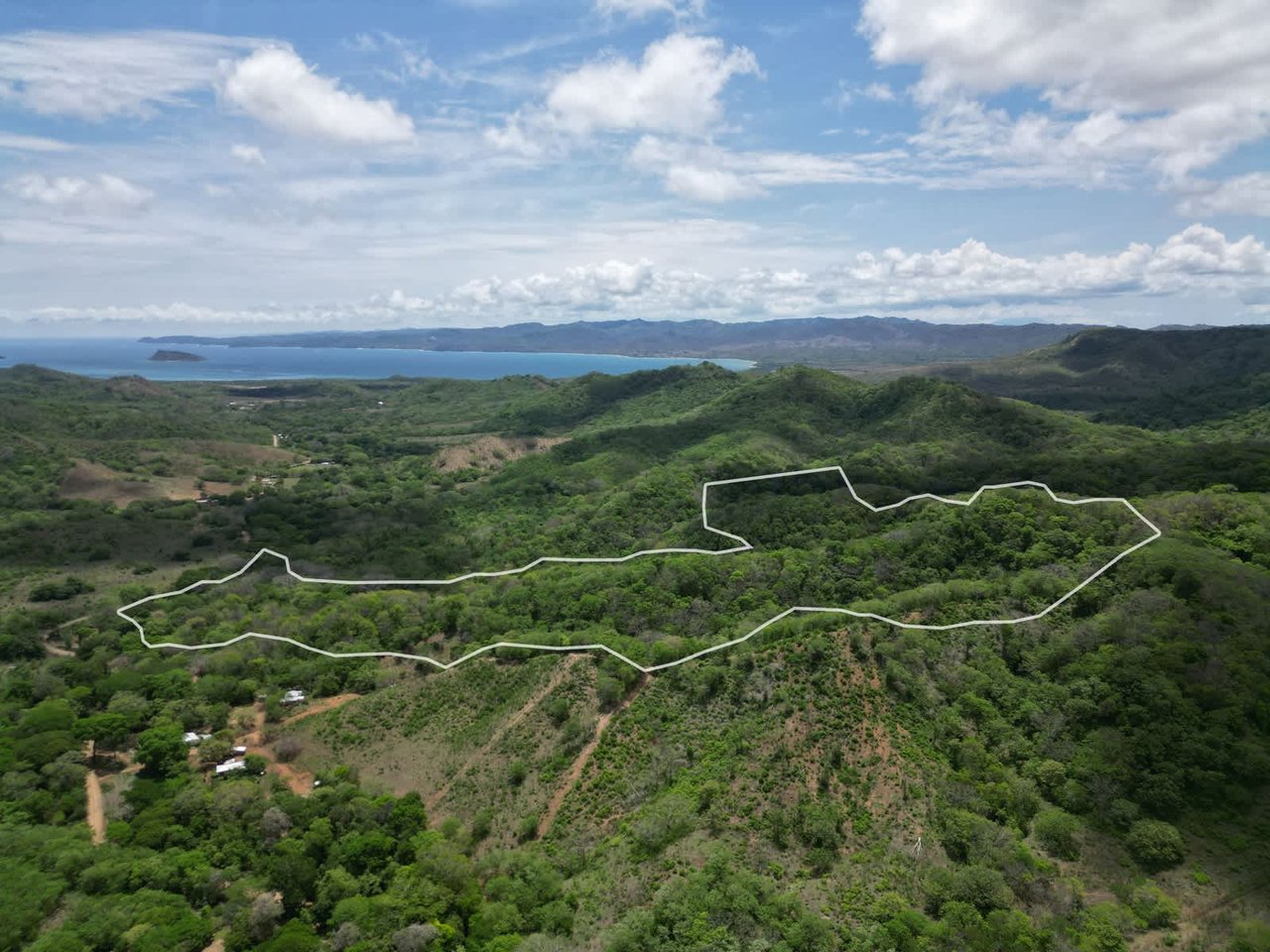
Finca Los Tamarindos, La Cruz, GU 50503, Costa Rica
For Sale
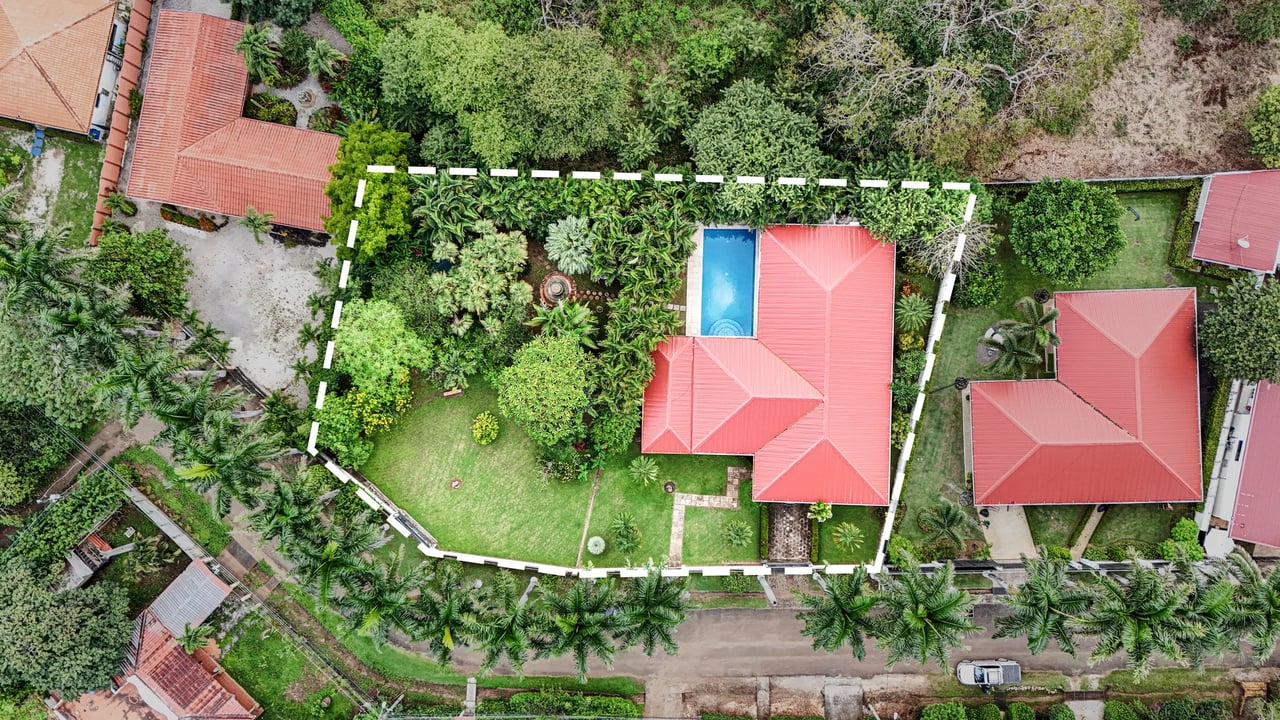
Casa Idea Verde, Playas del Coco, GU 50503, Costa Rica
For Sale
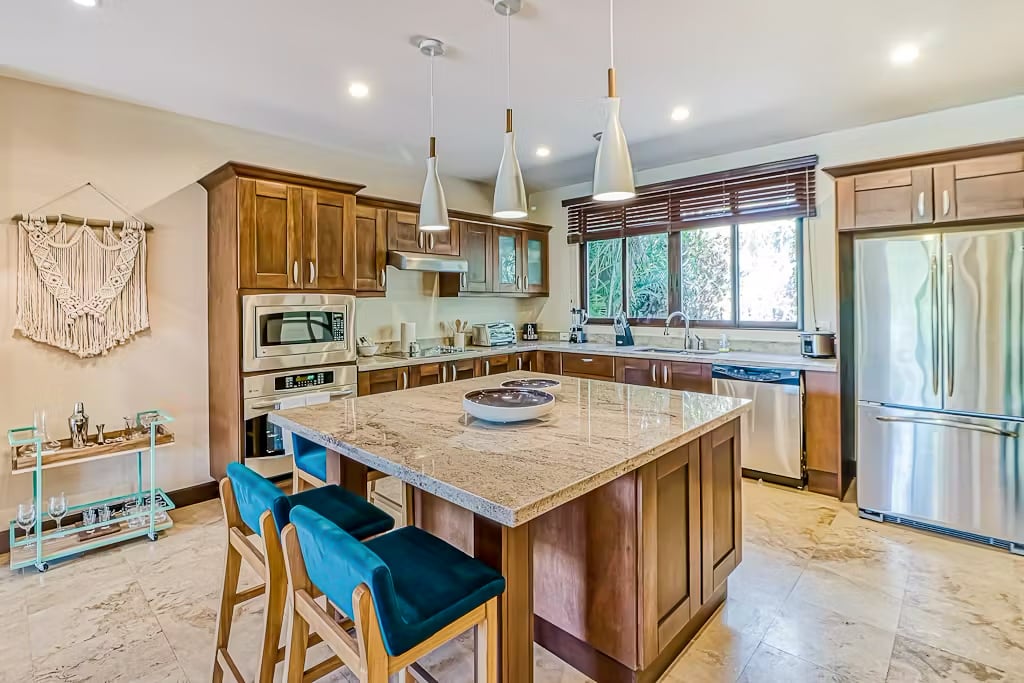
Azul Paraiso 11B, Playa Ocotal, GU 50503, Costa Rica
For Sale

Villa LUX 400, Playas del Coco, GU 50503, Costa Rica
For Sale

Luxury Modern Tropical Home in the Heart of Playas del Coco | Villa LUX 500, Playas del Coco, GU 50503, Costa Rica
Under Contract
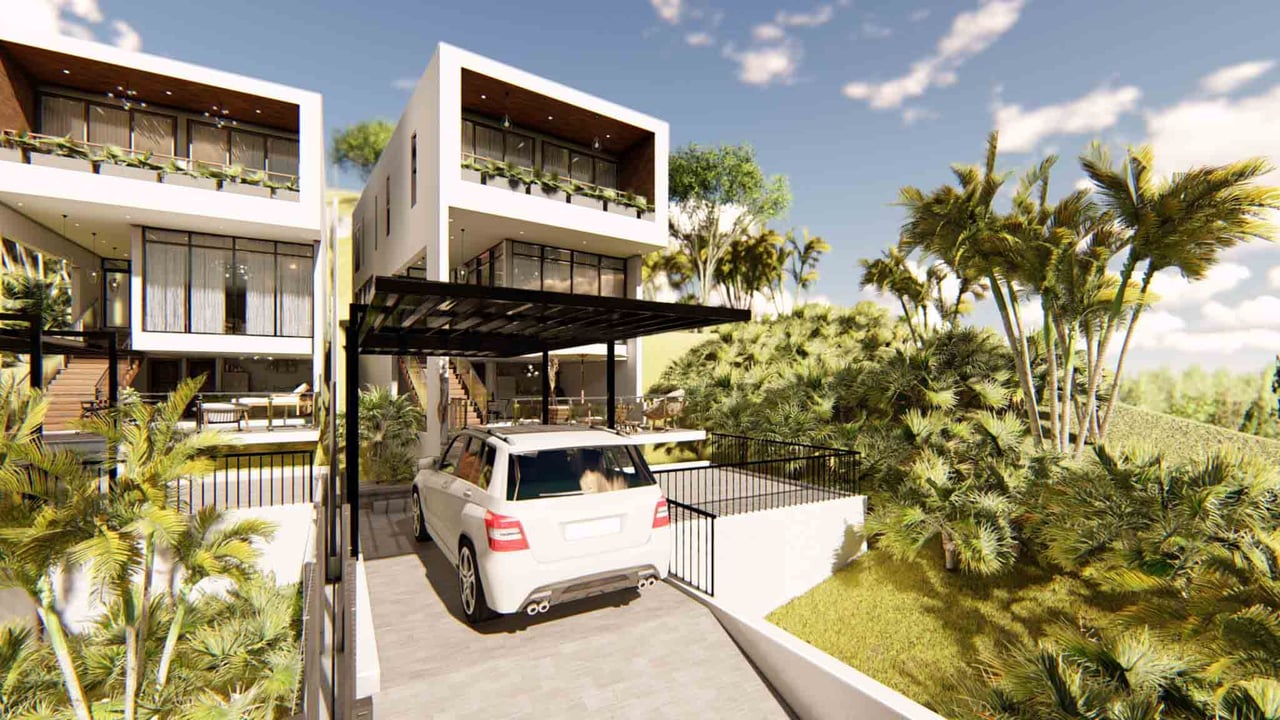
Ocean View TH in Playas del Coco, Playas del Coco, GU 50503, Costa Rica
For Sale

Brand New West Facing Top-Floor Retreat #B408, Azul Paraiso, Playa Ocotal, GU 50503, Costa Rica
For Sale
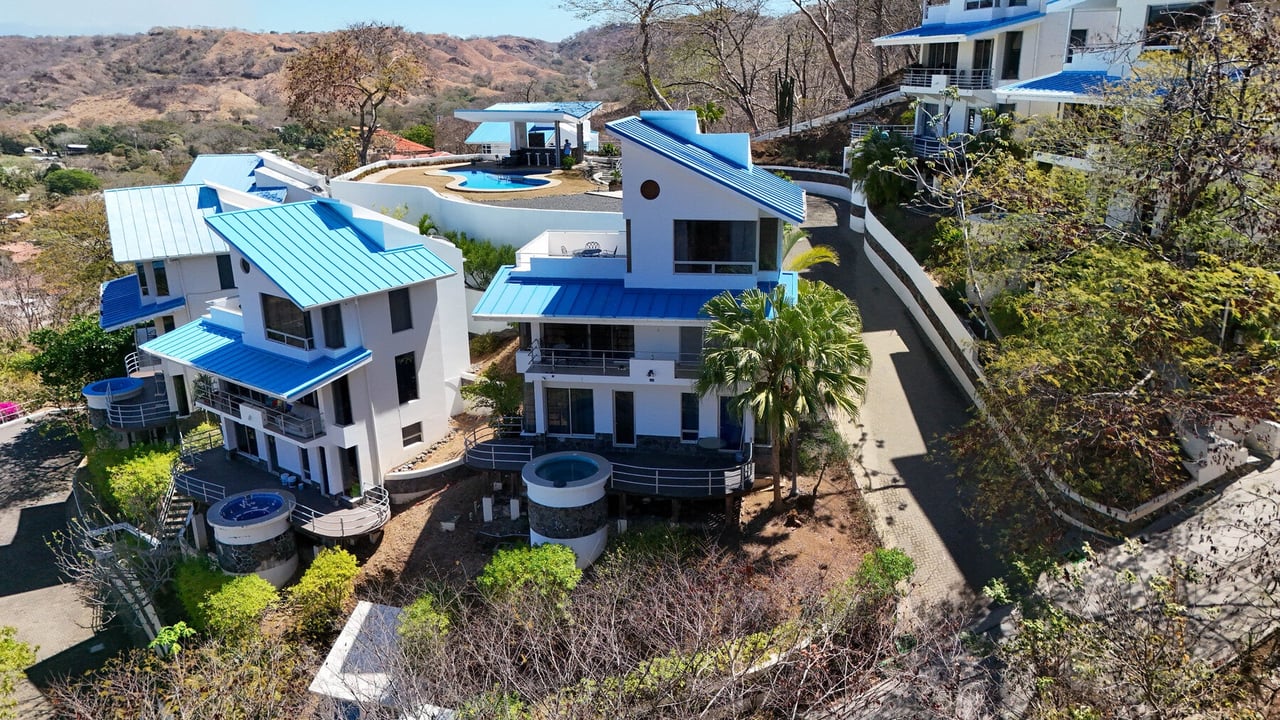
House Of Winds 1, Playas del Coco, GU 50503, Costa Rica
For Sale
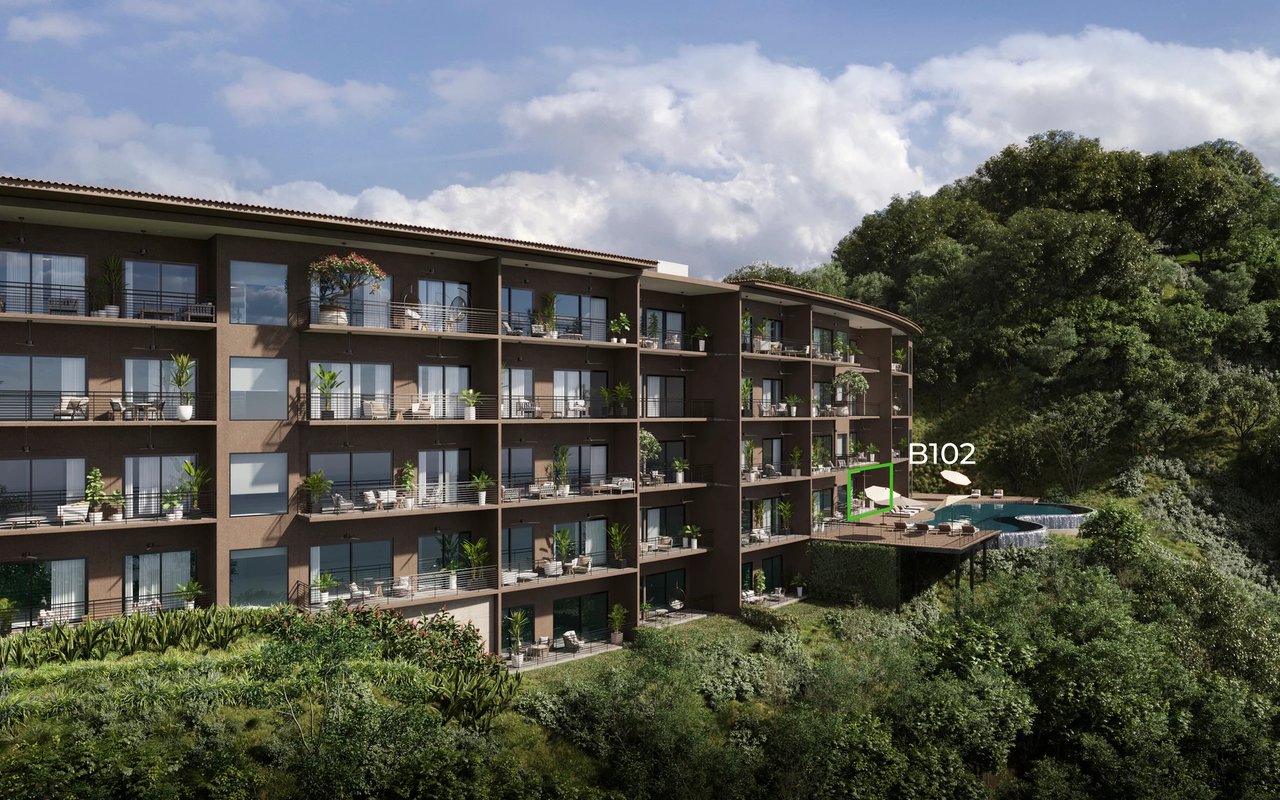
Brand New Pool-Level Oceanfront Condo B102, Azul Paraiso, Playa Ocotal, GU 50503, Costa Rica
For Sale
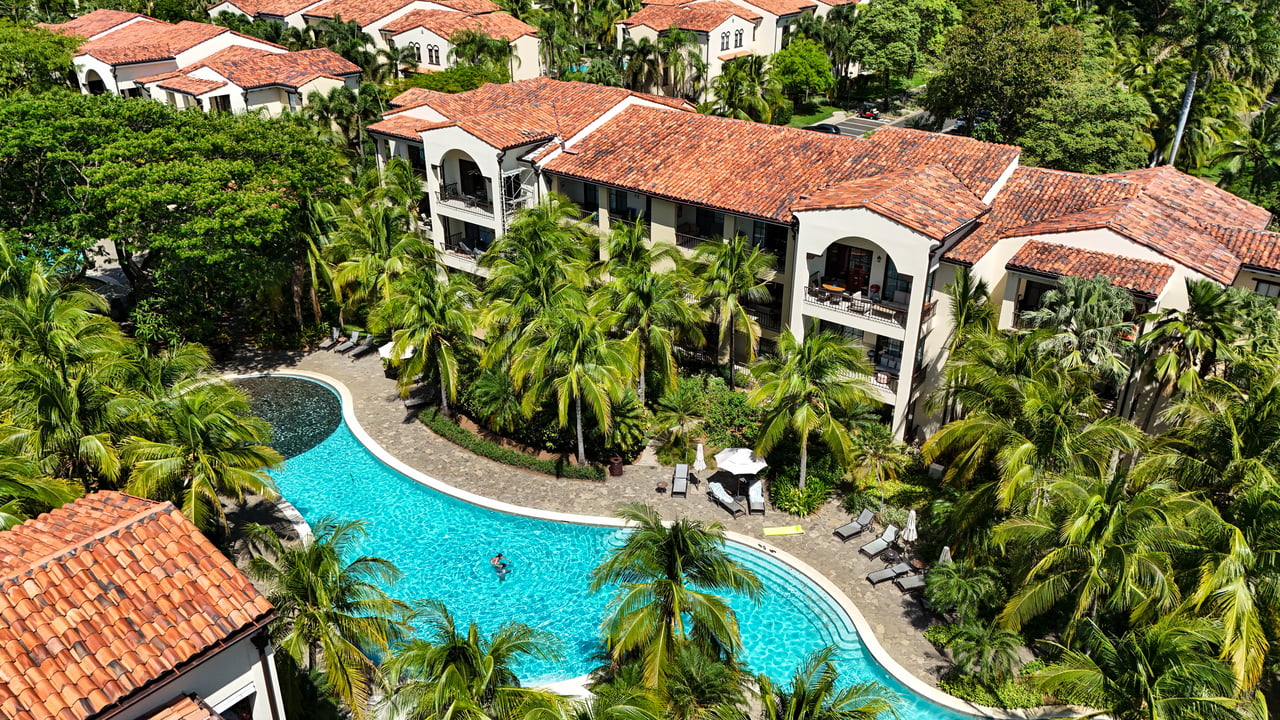
Pacifico L508, Playas del Coco, GU 50503, Costa Rica
For Sale
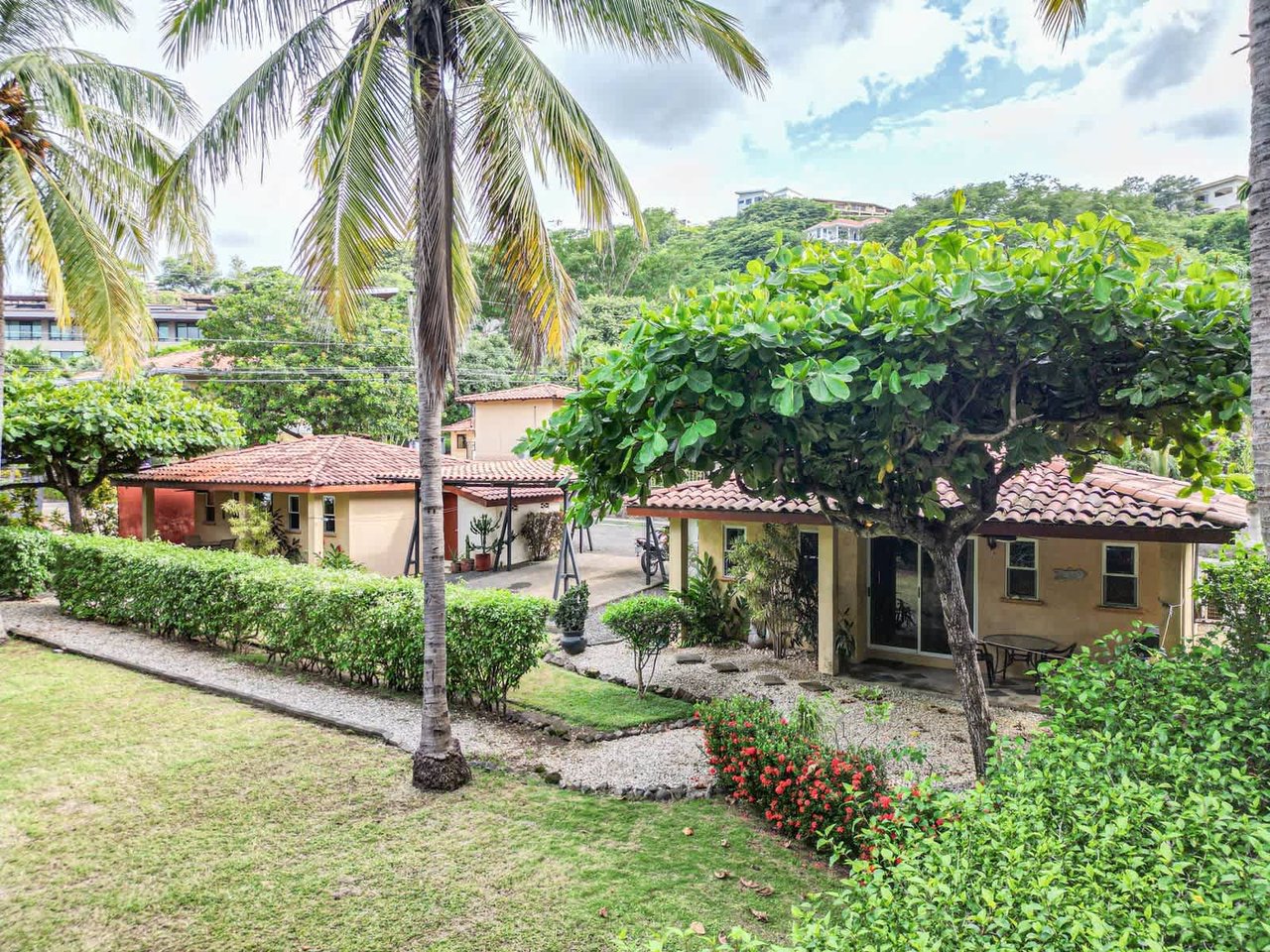
Playa Hermosa Beachside Cozy Cottages, Playa Hermosa, GU 50503, Costa Rica
For Sale
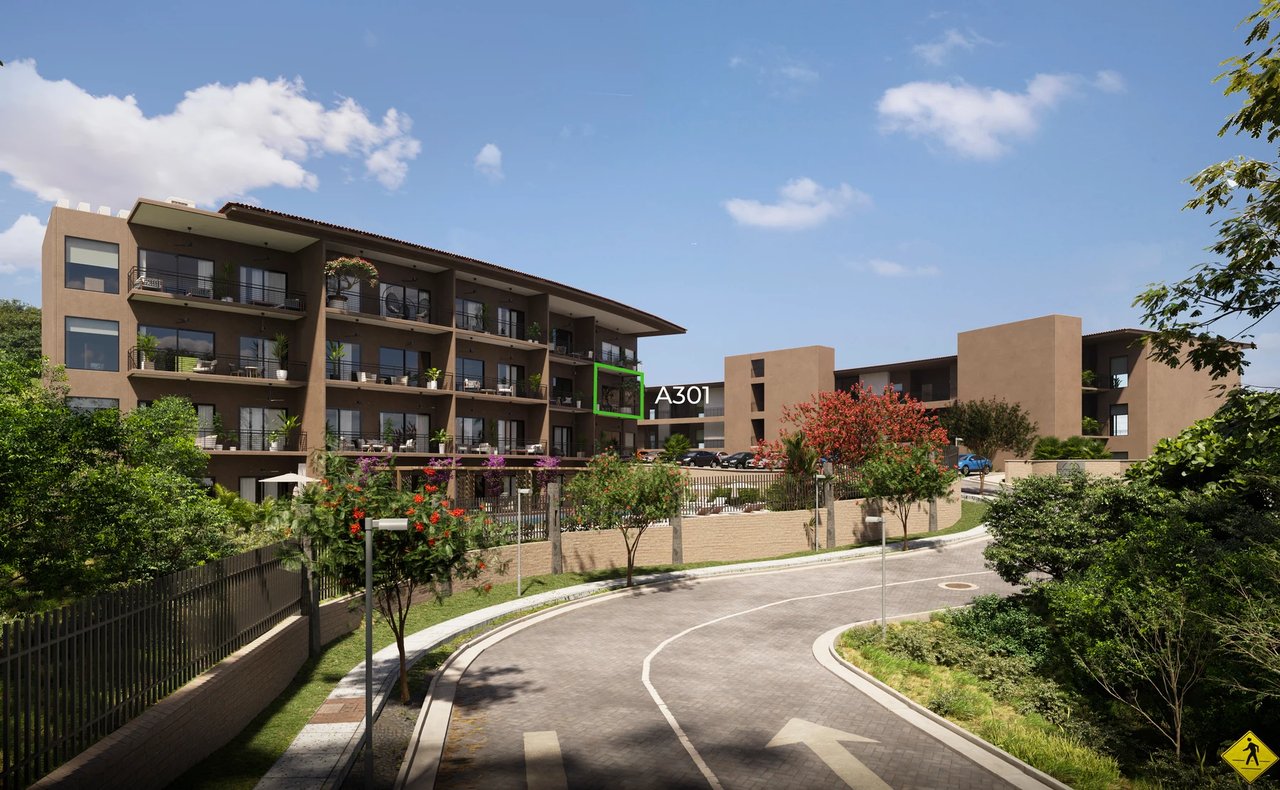
Unit A301 - Type B1, Azul Paraiso, Playa Ocotal, GU 50503, Costa Rica
For Sale
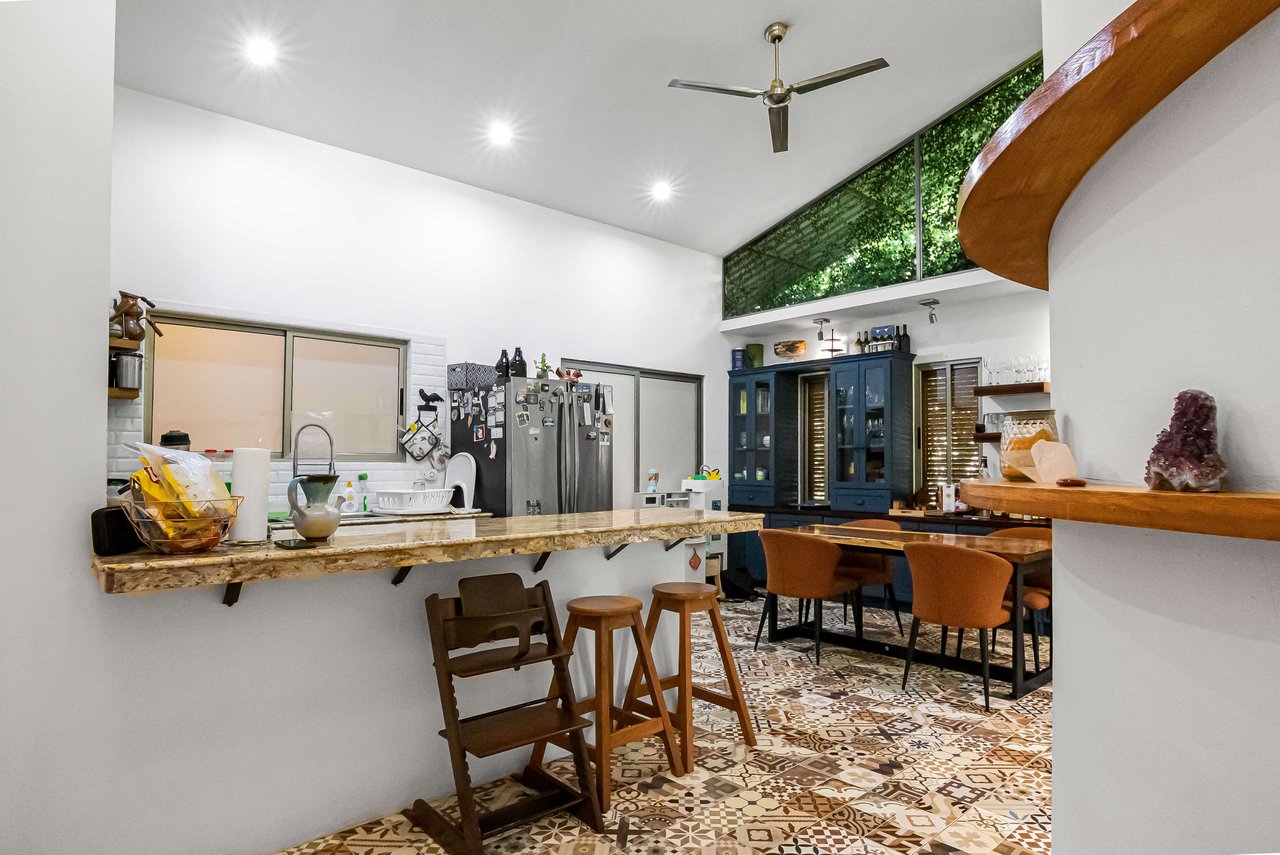
Casa Congos, Casa Congos, Playas del Coco, GU 50503, Costa Rica
For Sale
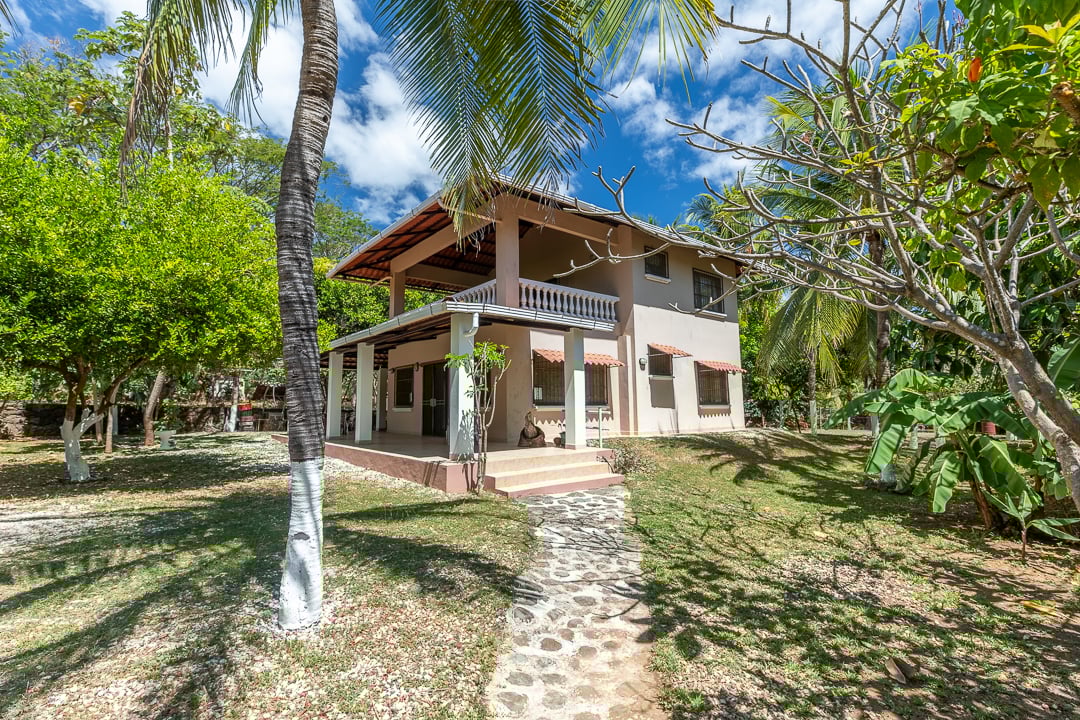
Casa Marlin, Playa Ocotal, GU 50503, Costa Rica
For Sale
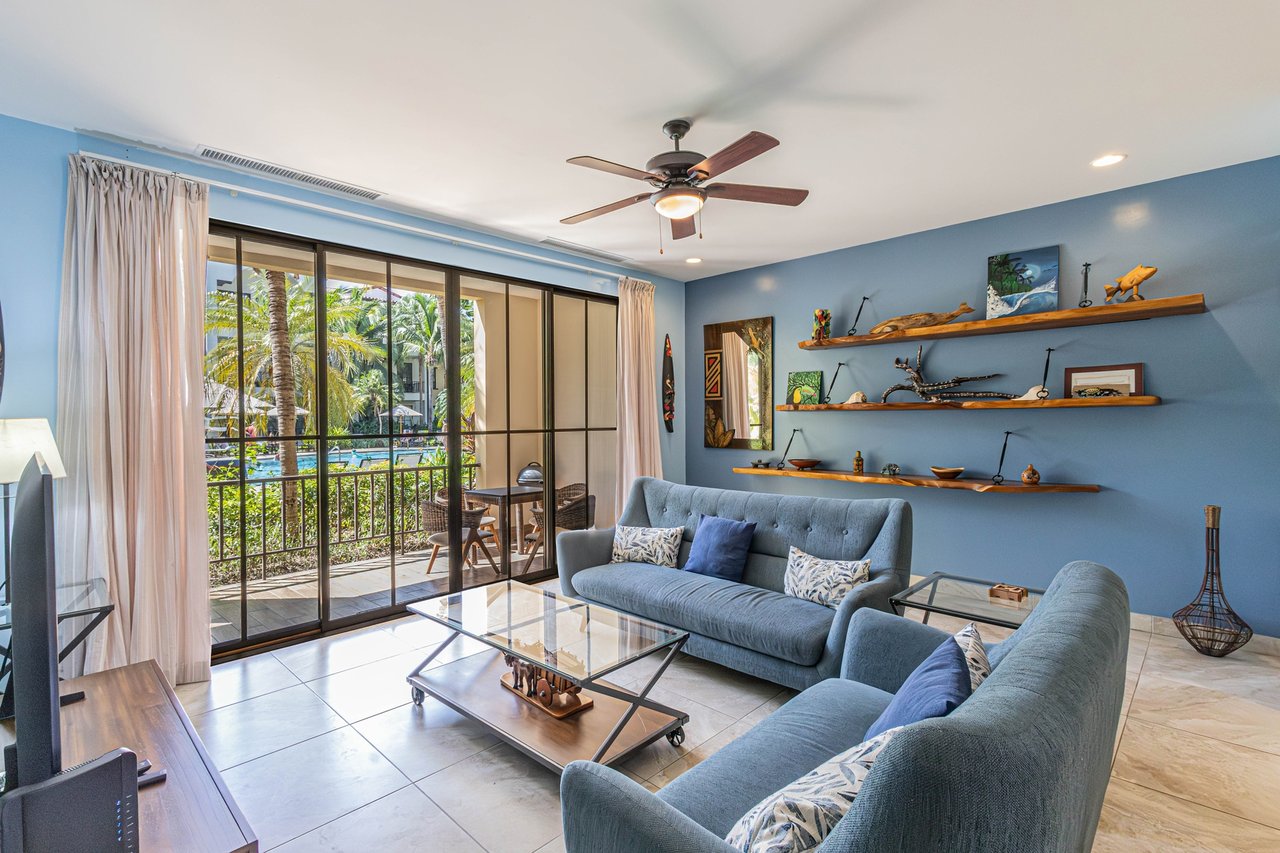
Pacifico L204, Playas del Coco, GU 50503, Costa Rica
For Sale
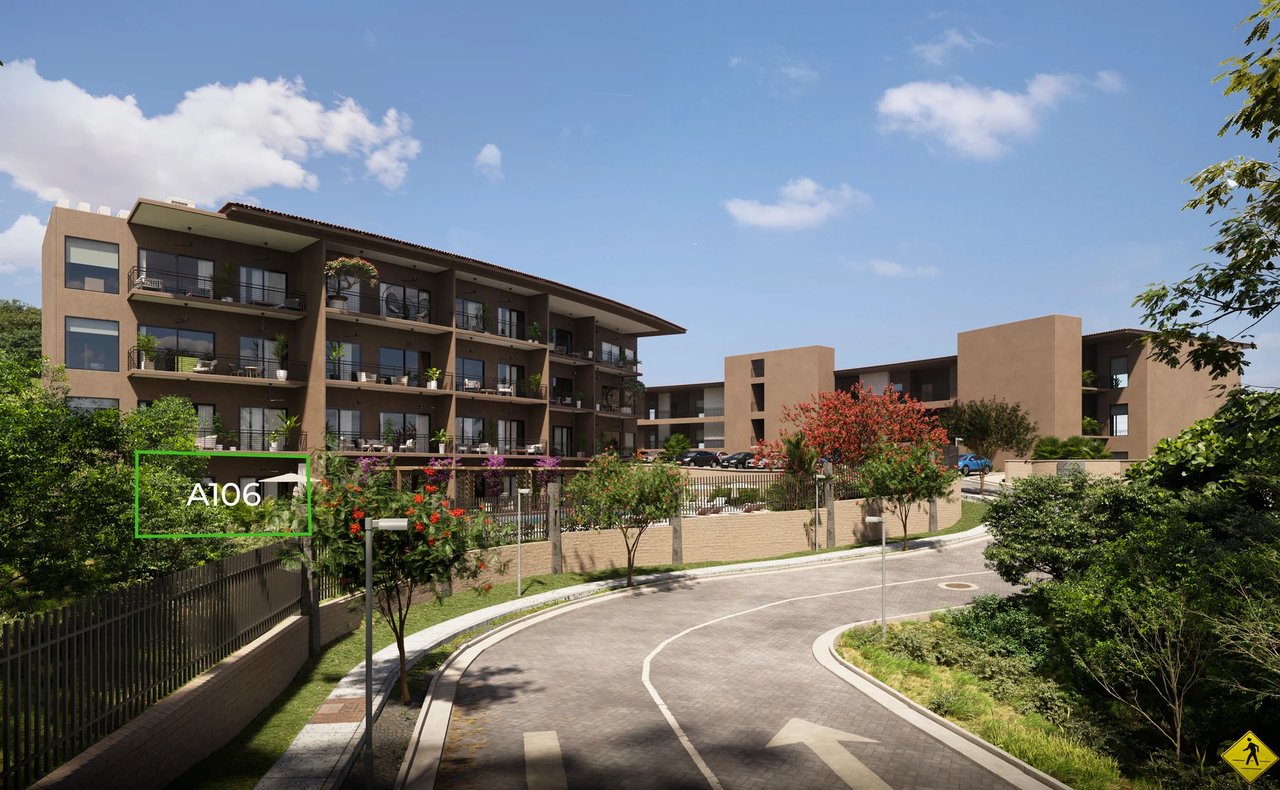
Unit A106 - Type B1, Azul Paraiso, Playa Ocotal, GU 50503, Costa Rica
For Sale
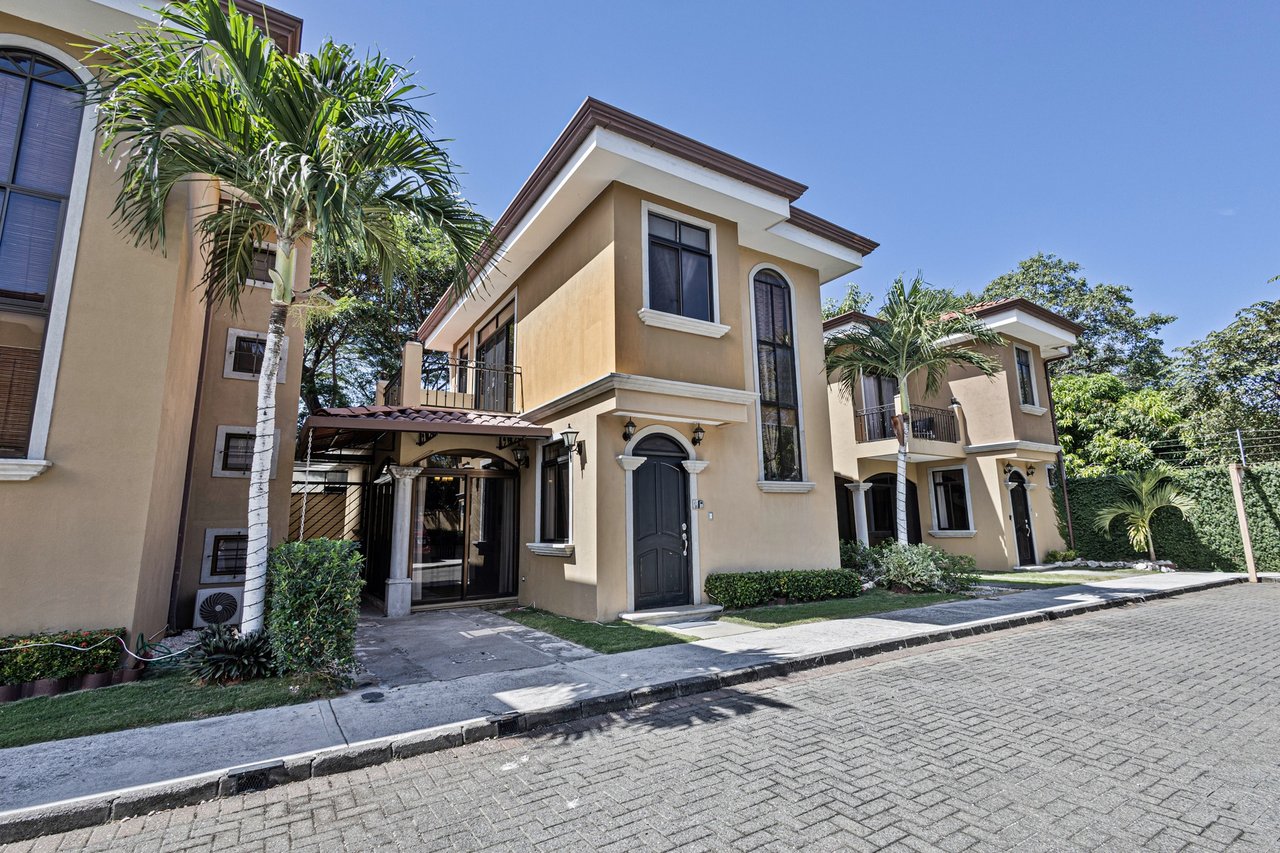
Arrecifes #11, Playas del Coco, GU 50503, Costa Rica
For Sale
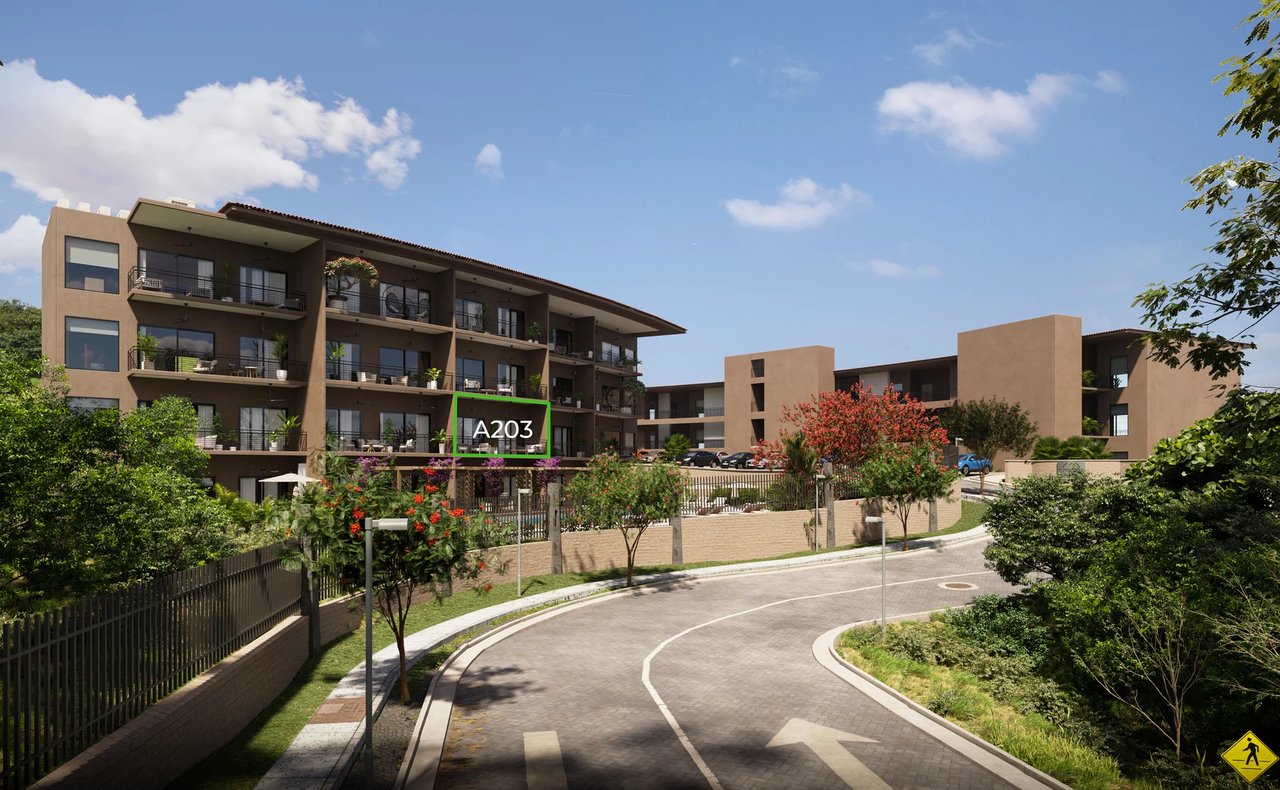
Unit A203 - Type A, Azul Paraiso, Playa Ocotal, GU 50503, Costa Rica
For Sale
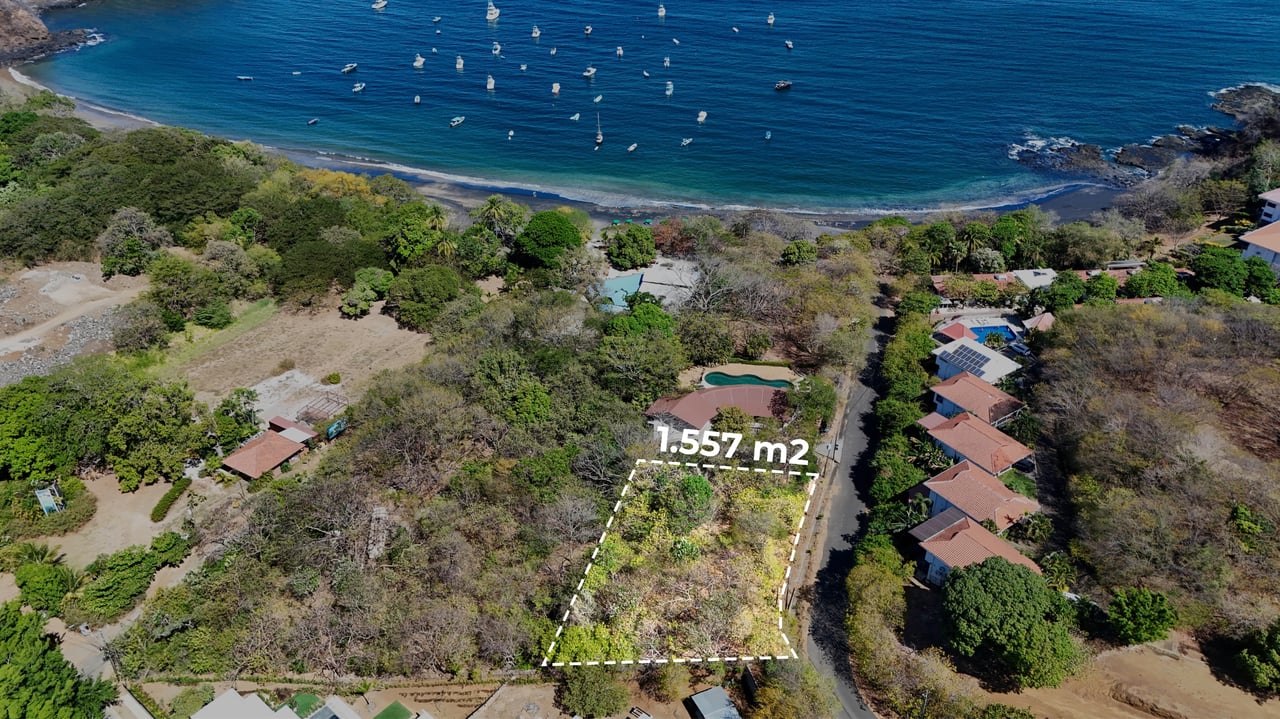
Playa Ocotal Lot, Playa Ocotal, GU 50503, Costa Rica
For Sale
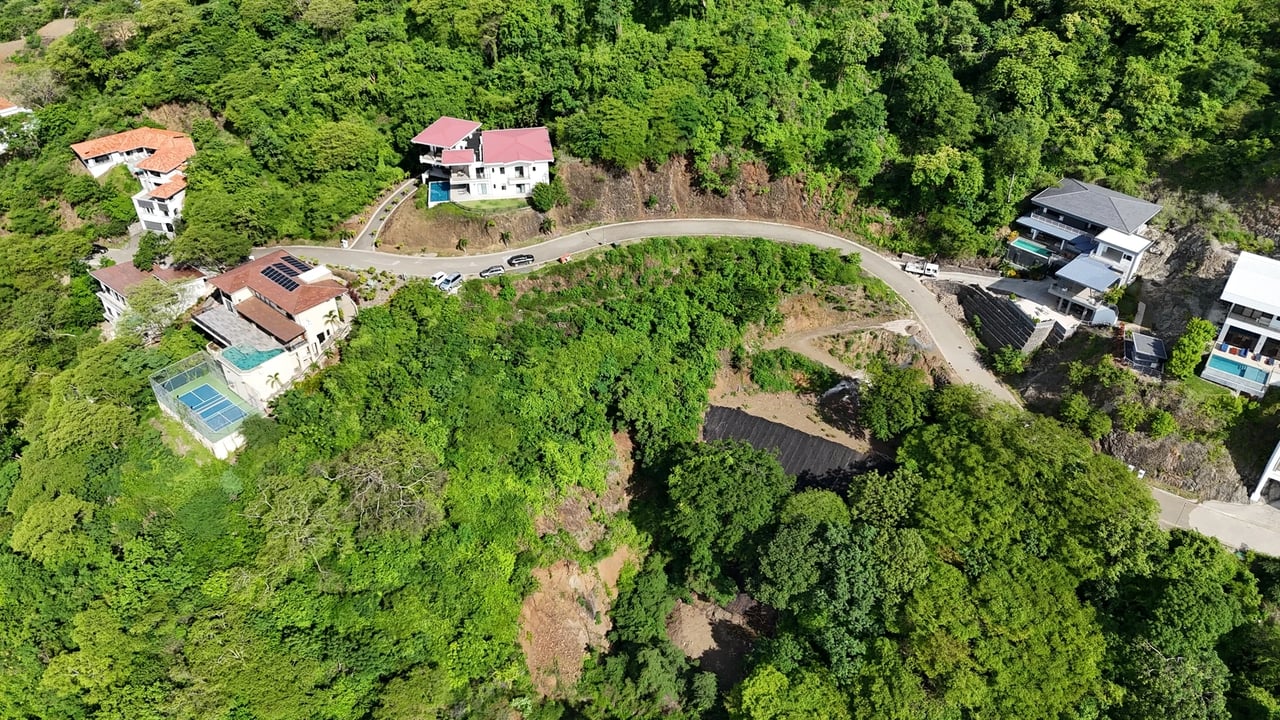
Ocean View Lot #30, Coco Bay, Ocotal, GU 50503, Costa Rica
Stay up to date on the latest trends in real estate.
September 17, 2026
September 10, 2026
September 3, 2026
August 27, 2026
August 20, 2026
August 13, 2026
August 6, 2026
August 6, 2026
July 23, 2026