Buying a Vacation Home in Playa Hermosa: Timeline to Close
April 2, 2026
April 2, 2026
Wondering how long it really takes to buy a vacation home in Playa Hermosa? The short answer is that a straightforward purchase can move quickly, but the details matter more here than many buyers expect. If you are planning a second home on the Guanacaste coast, understanding the timeline upfront can help you avoid surprises, protect your investment, and move forward with confidence. Let’s dive in.
For a straightforward titled property, you can often plan on about 1 to 3 months from early research to recorded ownership. One legal guide notes that closing in Costa Rica commonly happens 30 to 90 days after the signed purchase agreement, with added time for more complex cases such as coastal or concession-based properties.
In Playa Hermosa, the first timeline question is not just price or location. It is legal status. Because Playa Hermosa in Carrillo has a dedicated maritime-terrestrial zone file, you need to confirm whether a property is titled land or part of the coastal concession system described by Costa Rica’s maritime zone framework.
This is the step that can shape the entire process. Costa Rica’s Law 6043 divides the coastal strip into a 50-meter public zone and a 150-meter restricted zone, and article 47 sets limits on concessions for non-resident foreigners and for entities with more than 50% foreign capital.
That means your timeline may be very different depending on where the property sits. The UK government also notes that foreign nationals can buy property in Costa Rica, but there are restrictions near the coast. In practical terms, if you are looking at a home close to the beach in Playa Hermosa, you should confirm legal category before you get emotionally attached to the property.
Estimated time: 1 to 3 weeks
This first phase is about narrowing your options and avoiding wasted time. You will want to verify whether the property is titled or concession-based and review available property records before moving into serious negotiations.
According to the research, the Registry provides consultations for property records, liens, survey plans, and documents. In Playa Hermosa, that early check is especially important because coastal classification can affect both ownership structure and transaction speed.
If you are buying from abroad, this stage is also the right time to decide whether you may need a power of attorney for a remote closing.
Estimated time: Several days to 2 weeks
Once you have a shortlist, this part can move fairly fast. You tour properties, compare options, align on budget and intended use, and then negotiate core terms.
After terms are agreed, the real estate attorney drafts the purchase agreement or SPA. According to the legal source, that agreement becomes the framework for the rest of the transaction. This step tends to go more smoothly when you already know your budget, ownership structure, and plans for the property.
If you are still deciding whether the home will be purely seasonal, occasionally rented, renovated, or held in a company structure, the offer stage can slow down. Clarity upfront helps your attorney draft clean terms and reduces revisions later.
Estimated time: 2 to 4 weeks
This is often the most important part of the timeline. It is also where many avoidable delays show up. In Costa Rica, due diligence is designed to catch legal and practical issues before funds are released.
According to the due diligence guidance, counsel should confirm:
For Playa Hermosa buyers, water availability and zoning deserve special attention. The research notes that construction permits depend on legal water access, and zoning review is especially important if you intend to build, renovate, or change use.
You should expect a longer timeline if the property is:
These are not reasons to walk away automatically. They are reasons to give your attorney enough time to review the file thoroughly.
Some transaction issues are more likely than others to extend your purchase timeline. Based on the research report, the biggest risks in Playa Hermosa include coastal classification, water access, zoning, survey mismatches, seller-authority problems, and missing corporate or escrow documentation.
Here is a quick view of what can slow things down:
| Issue | Why it matters |
|---|---|
| Coastal classification | Determines whether the property is titled or concession-based |
| Water access | Can affect building or renovation plans |
| Zoning review | Important for intended use and future changes |
| Survey mismatch | May create inconsistencies between records and reality |
| Seller authority | Confirms the seller can legally transfer the property |
| Missing documents | Delays closing and registry filing |
The cleanest planning approach is simple: if the property is close to the beach or has any unusual ownership feature, start legal review as early as possible.
Estimated time: 1 to 3 hours
In Costa Rica, closing is a notarial act. That means the notary plays a central role in verifying identities, reviewing documents, reading the deed aloud in Spanish, witnessing signatures, and filing the deed with the National Registry.
You can attend in person or close through a valid power of attorney. The closing may also involve an escrow agent, and if you do not speak Spanish, a translator or attorney should be present because the deed is read aloud in Spanish.
According to the closing guidance, buyers often need:
Having these ready before closing day can make the final step feel calm and efficient.
Estimated time: 1 to 2 weeks
Signing is not the very end of the process. After closing, the attorney files the deed with the National Registry and tracks the recording process.
According to the legal source, the title certificate is issued after the Registry processes the deed. This post-closing period is usually straightforward in a clean transaction, but it is still part of the full purchase timeline you should plan for.
If you want the quick version, here is a realistic planning range for buying a vacation home in Playa Hermosa:
If the home is beachfront, concession-based, financed, or affected by title, zoning, water, or corporate issues, plan for more time.
The best way to protect your timeline is to stay organized early. In Playa Hermosa, that means confirming legal classification first, getting your attorney involved before the transaction gets too far along, and making sure your ownership structure and documents are ready.
A smooth purchase is rarely about rushing. It is about sequencing the right steps in the right order. When you do that, you are in a much better position to move from offer to ownership with fewer surprises.
If you are exploring vacation homes in Playa Hermosa and want guidance that is local, discreet, and tailored to cross-border buyers, connect with 2 Costa Rica Papagayo for curated opportunities and concierge-level support.
Explore our exclusive listings.
For Sale
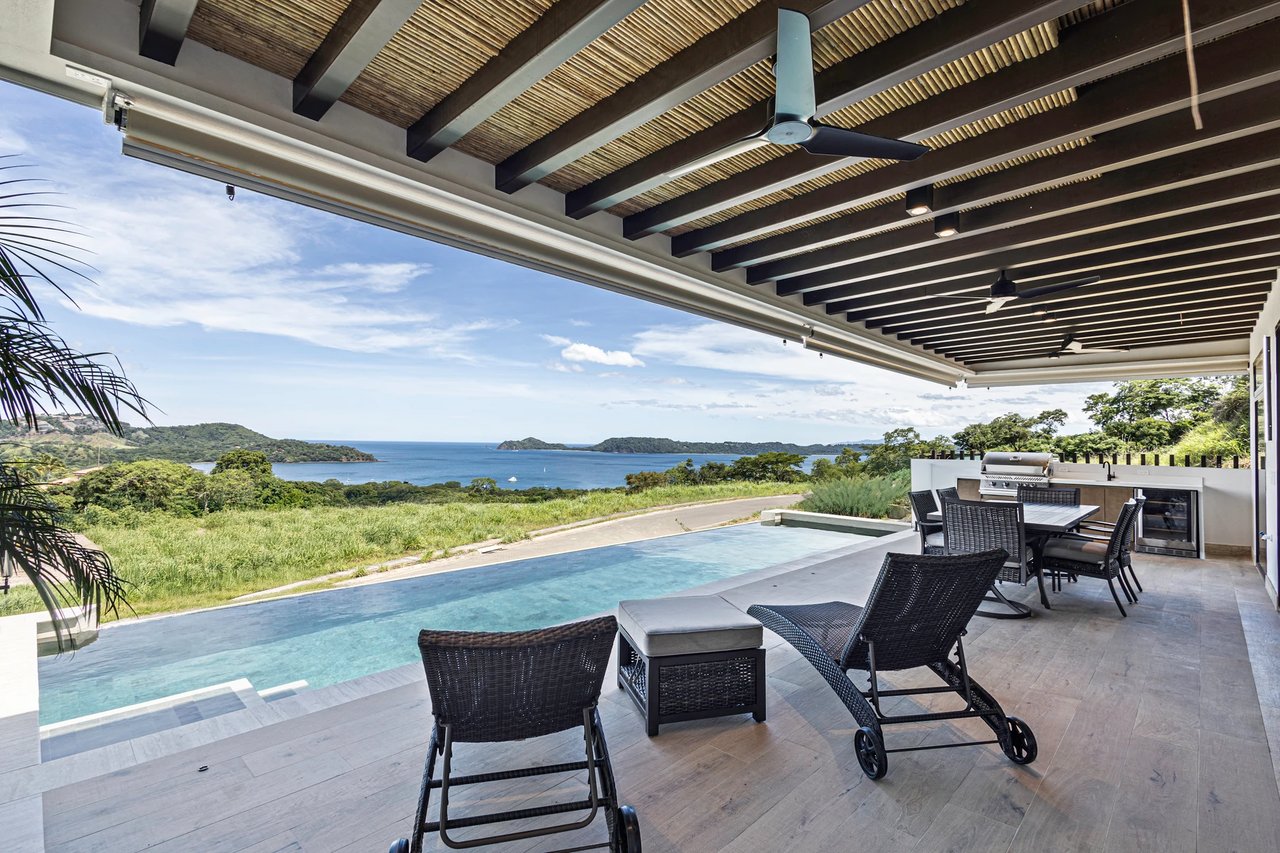
Casa Del Ray, Lot 12B, Hacienda Del Mar, Playa Panama, GU 50503, Costa Rica
For Sale
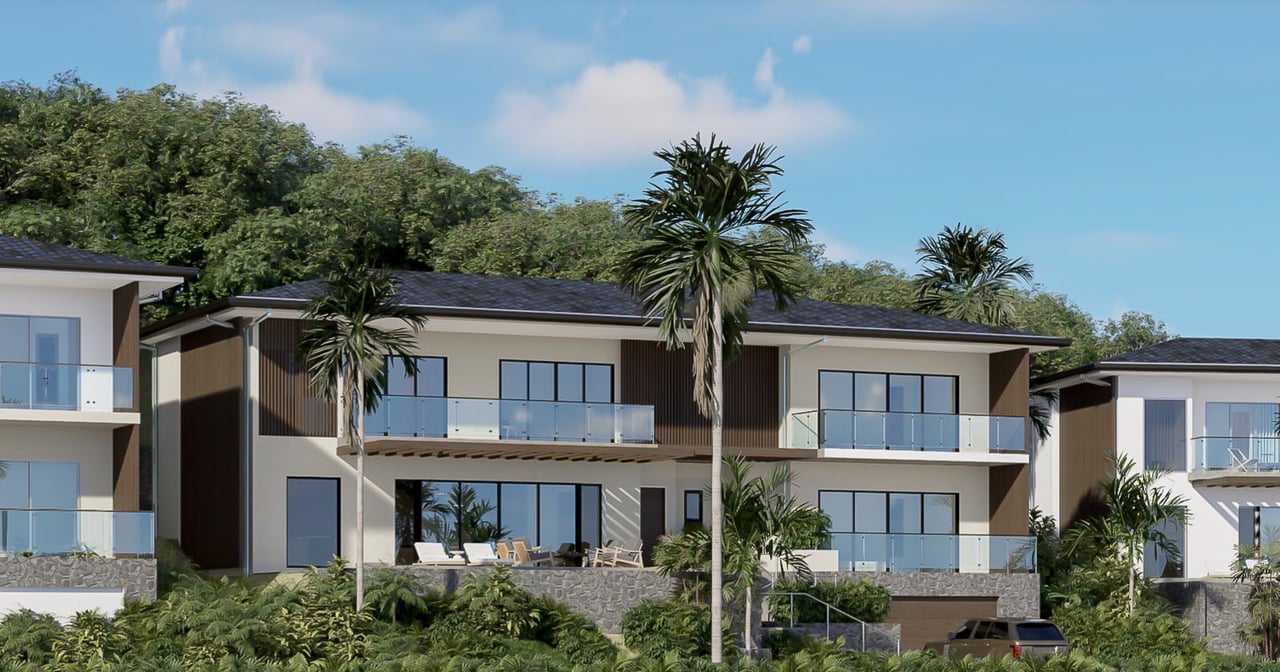
Lot 12B, Hacienda Del Mar, Playa Panama, GU 50503, Costa Rica
For Sale
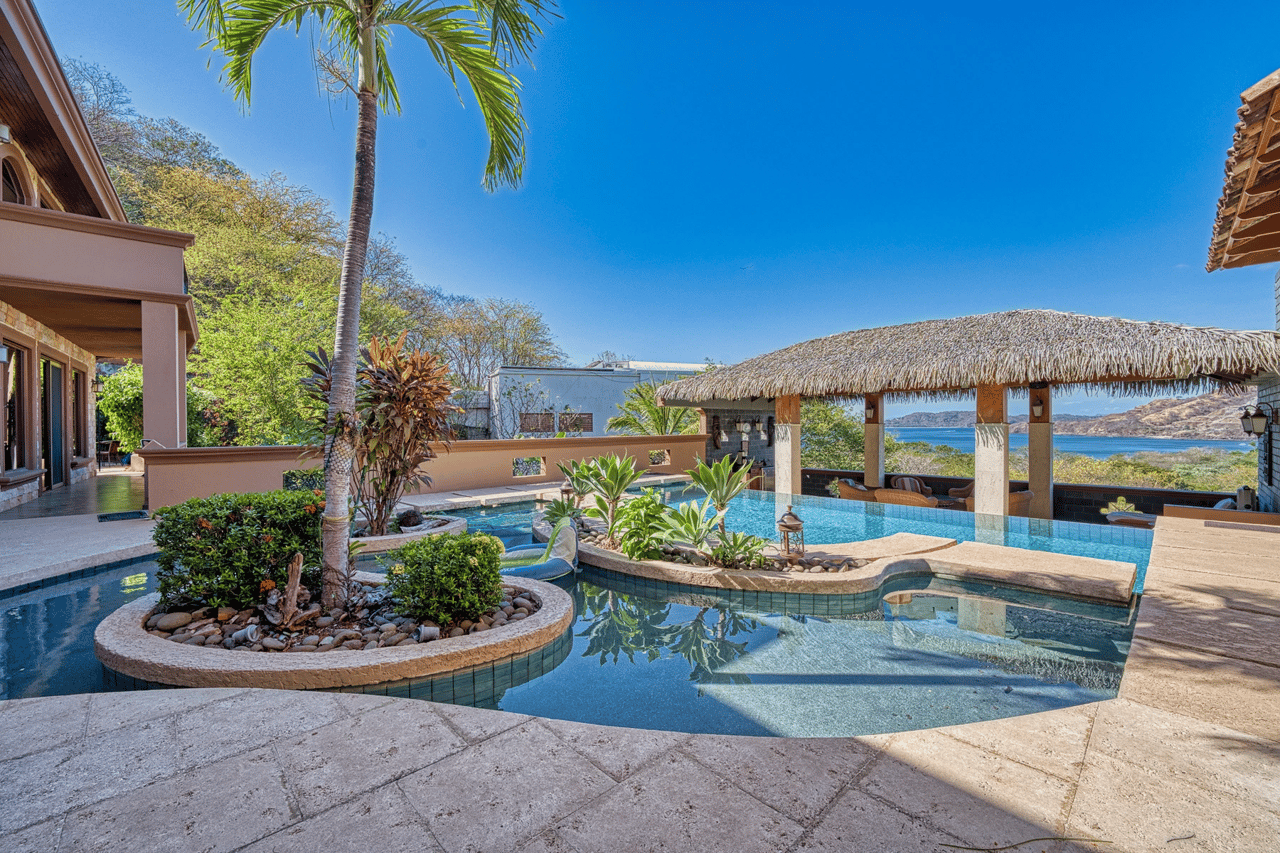
Ocean View Hermosa Montaña, Playa Hermosa, GU 50503, Costa Rica
For Sale
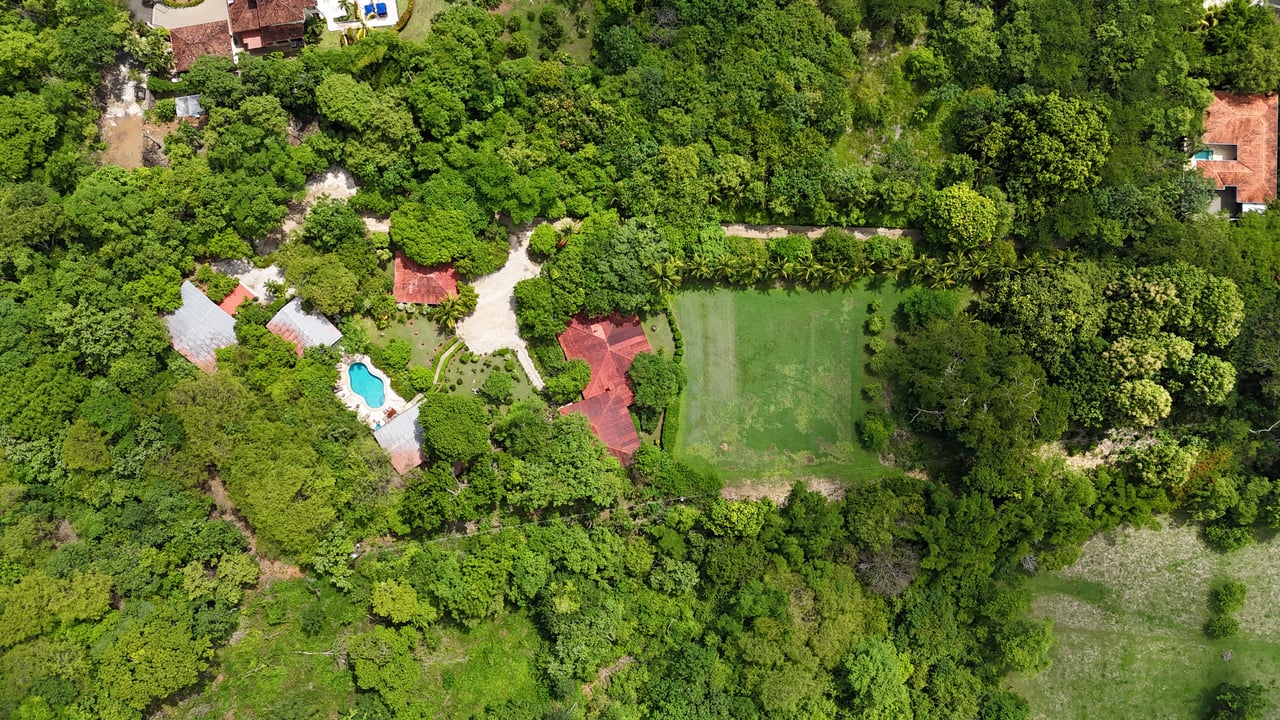
Rancho Armadillo, Monte Seco, Ocean Views, Playas del Coco, GU 50503, Costa Rica
For Sale
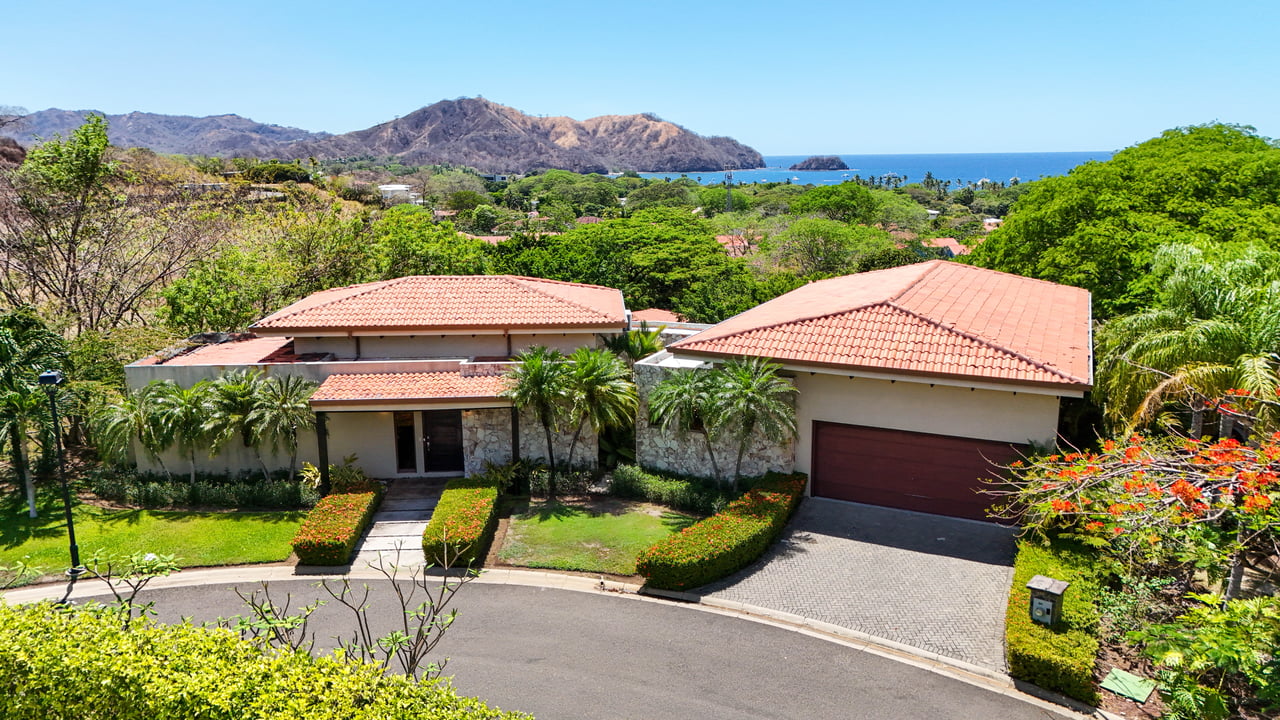
Ocean View Villa 80, Pacifico, Playas del Coco, GU 50503, Costa Rica
For Sale
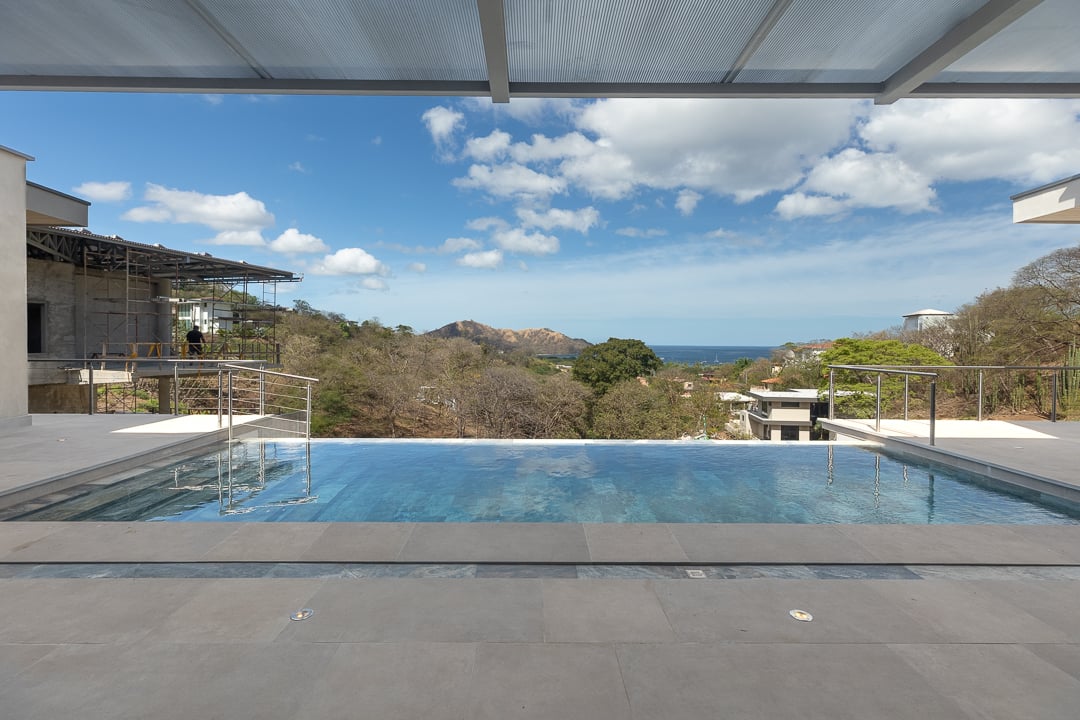
Oceanview Home, Lot 42, Pacifico, Playas del Coco, GU 50503, Costa Rica
For Sale
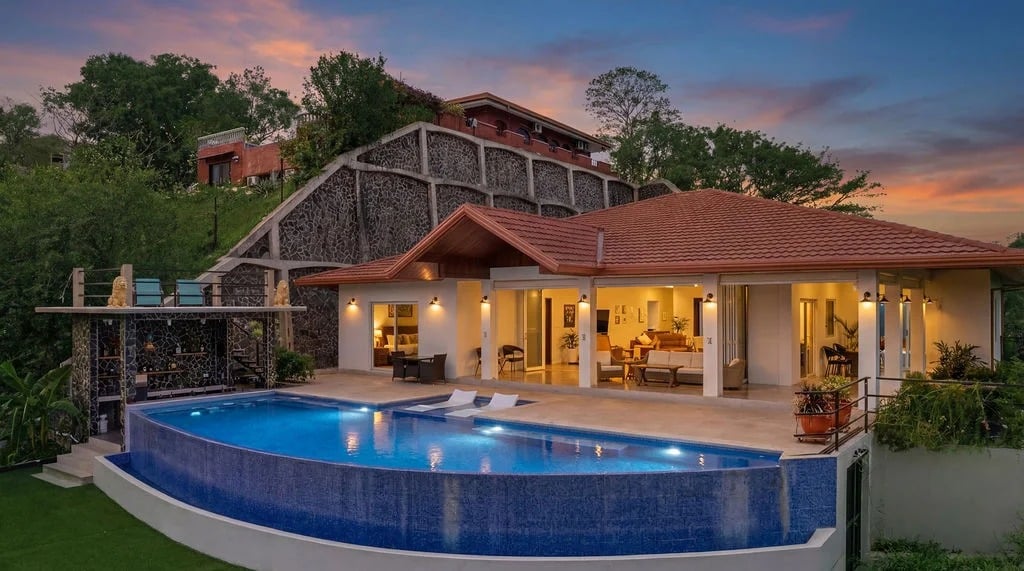
Ocean View Villa Isabella, Clara Hermosa 4, Playas del Coco, GU 50503, Costa Rica
For Sale
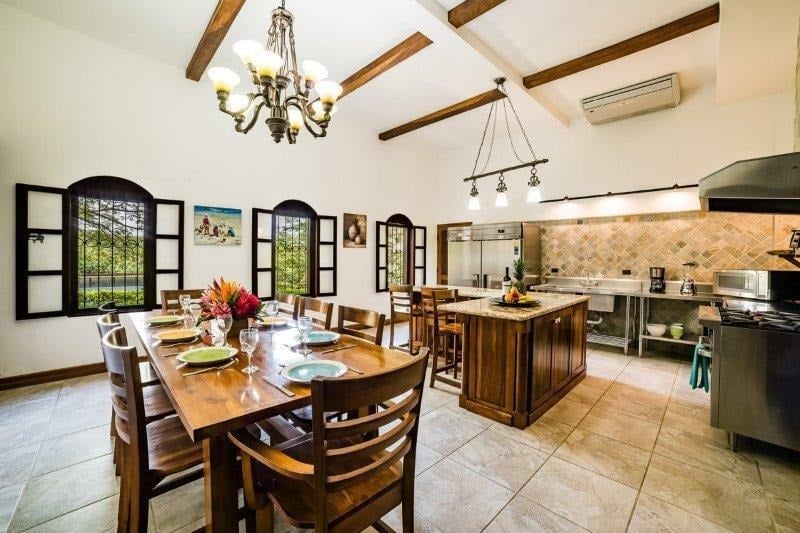
Casa Toscana, Lot 134, Pacifico, Playas del Coco, GU 50503, Costa Rica
For Sale
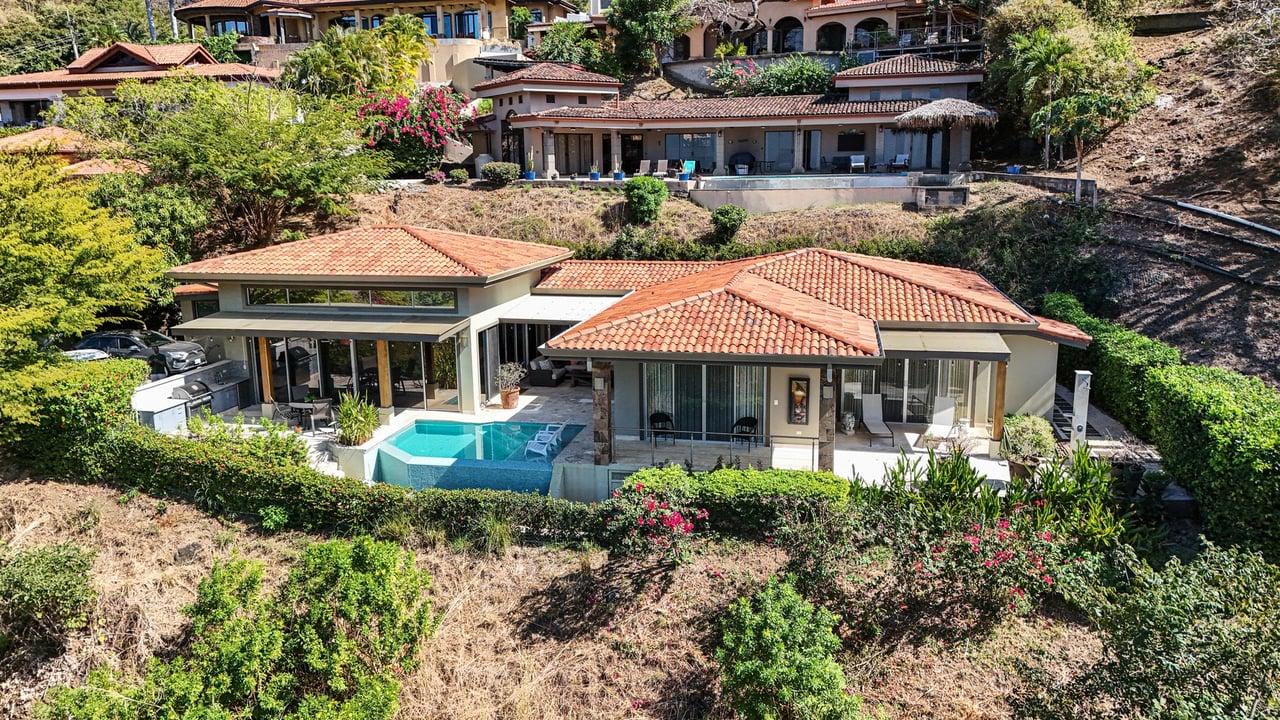
Ocean View Casa De Encanto, Hermosa Heights, Playa Hermosa, GU 50503, Costa Rica
For Sale
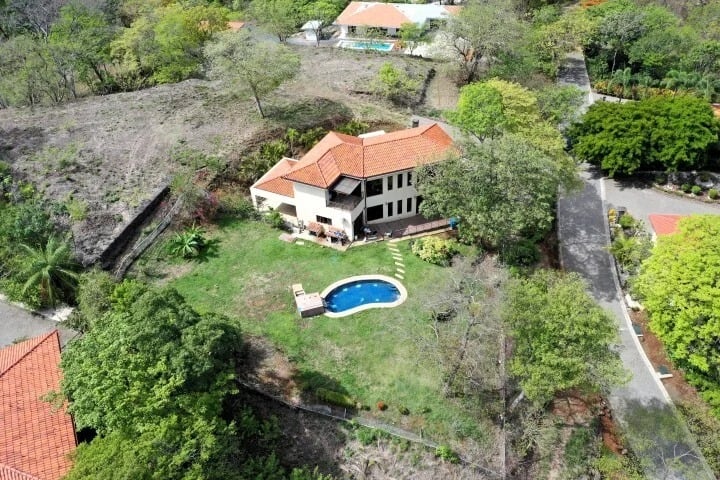
Ocean View Villa #25, Monte Vista, Ladera del Mar, Playas del Coco, GU 50503, Costa Rica
For Sale
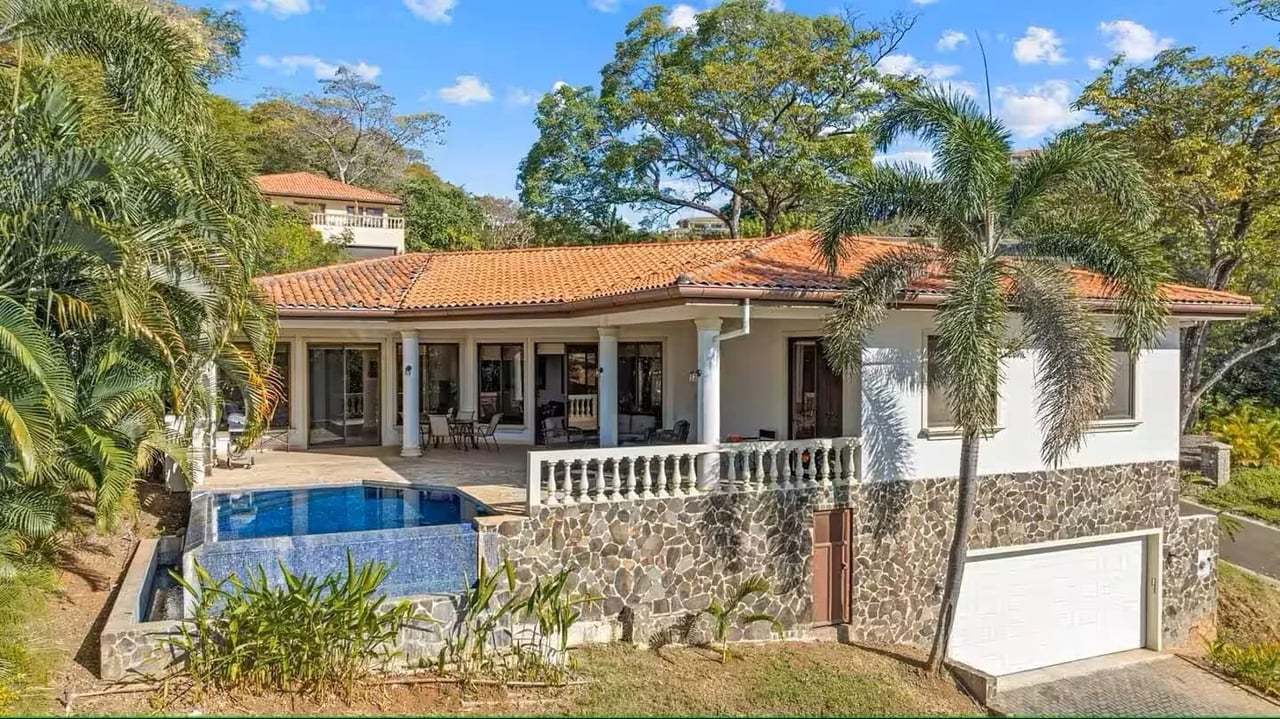
Casa Serena, Lot 89, Pacifico, Playas del Coco, GU 50503, Costa Rica
For Sale
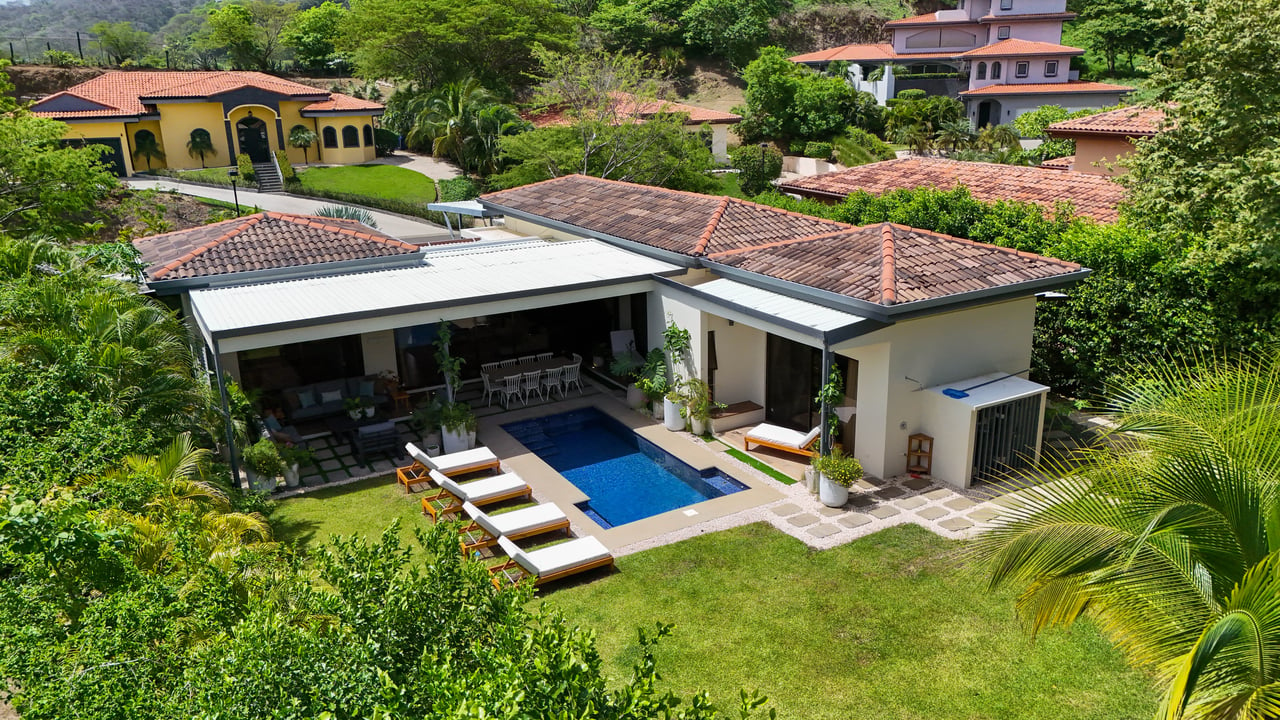
Casa Sanctuary, Pacifico, Playas del Coco, GU 50503, Costa Rica
For Sale
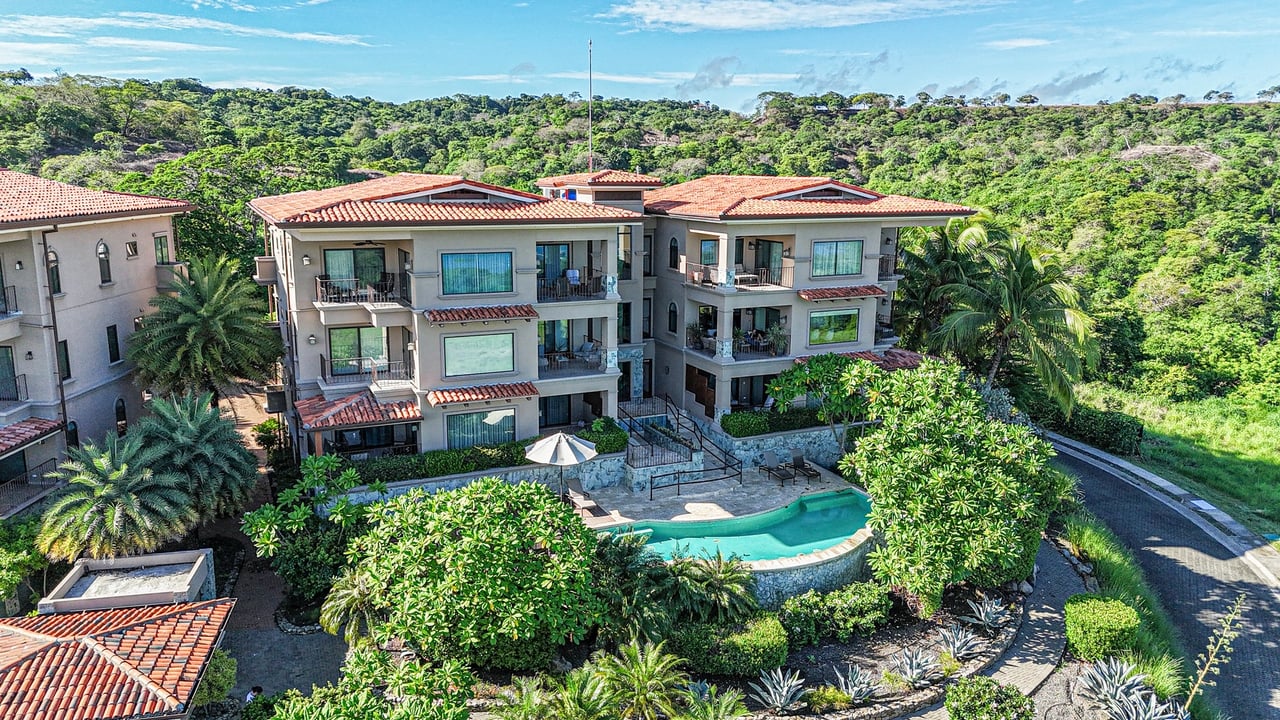
Ocean View Jaguar Village A1, Playa Panama, GU 50508, Costa Rica
For Sale
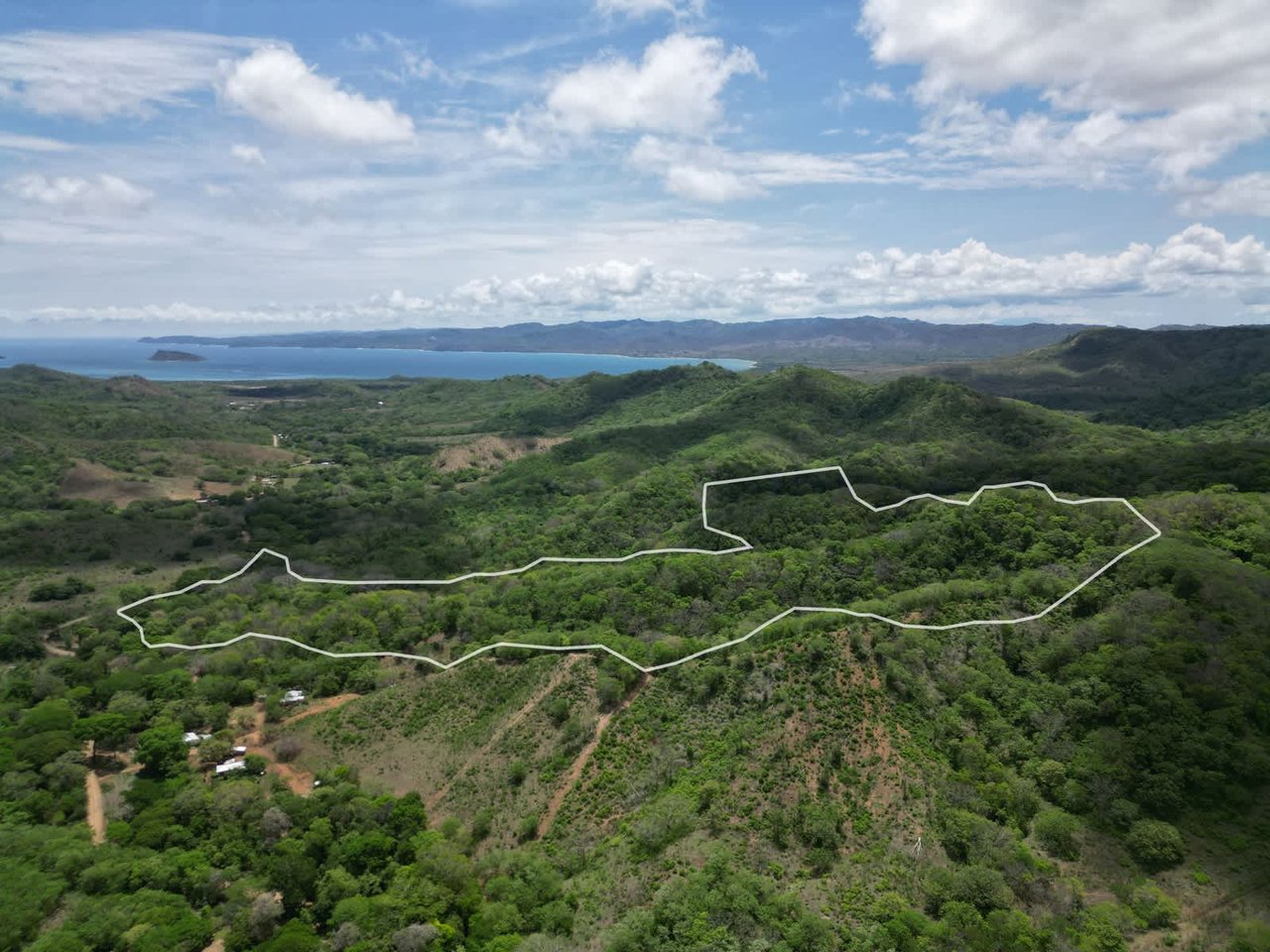
Finca Los Tamarindos, La Cruz, GU 50503, Costa Rica
For Sale
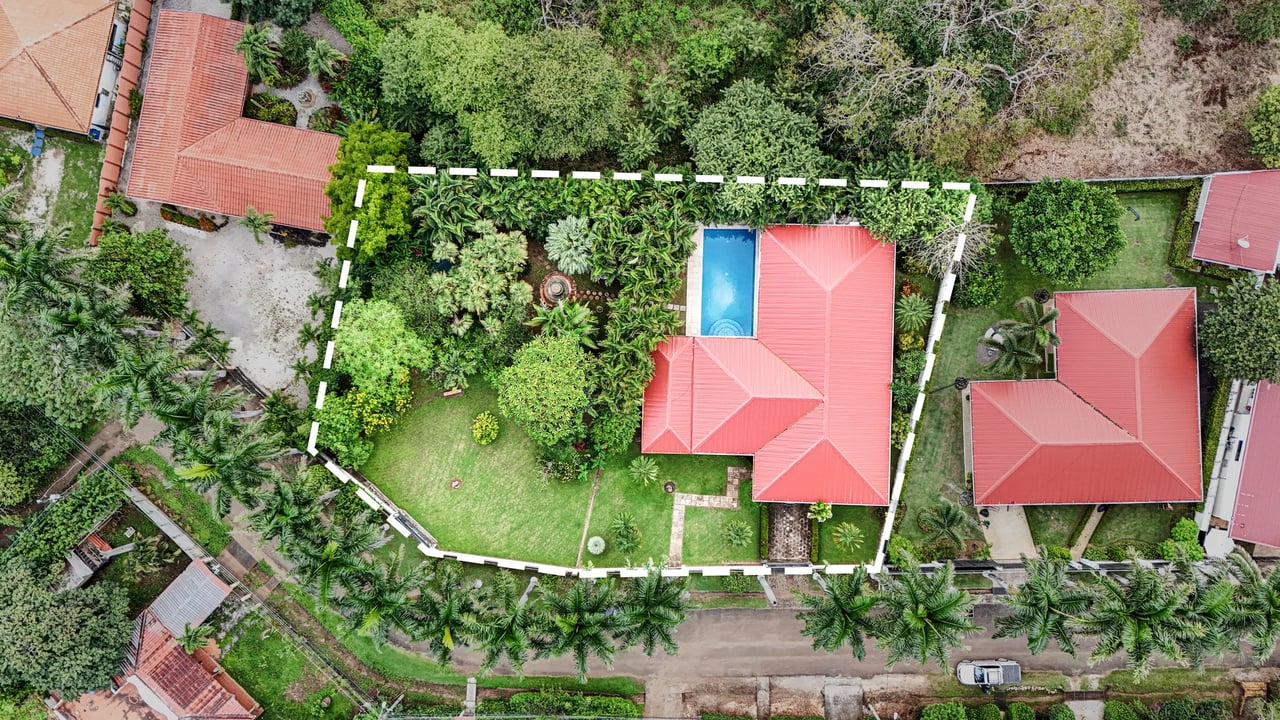
Casa Idea Verde, Playas del Coco, GU 50503, Costa Rica
For Sale
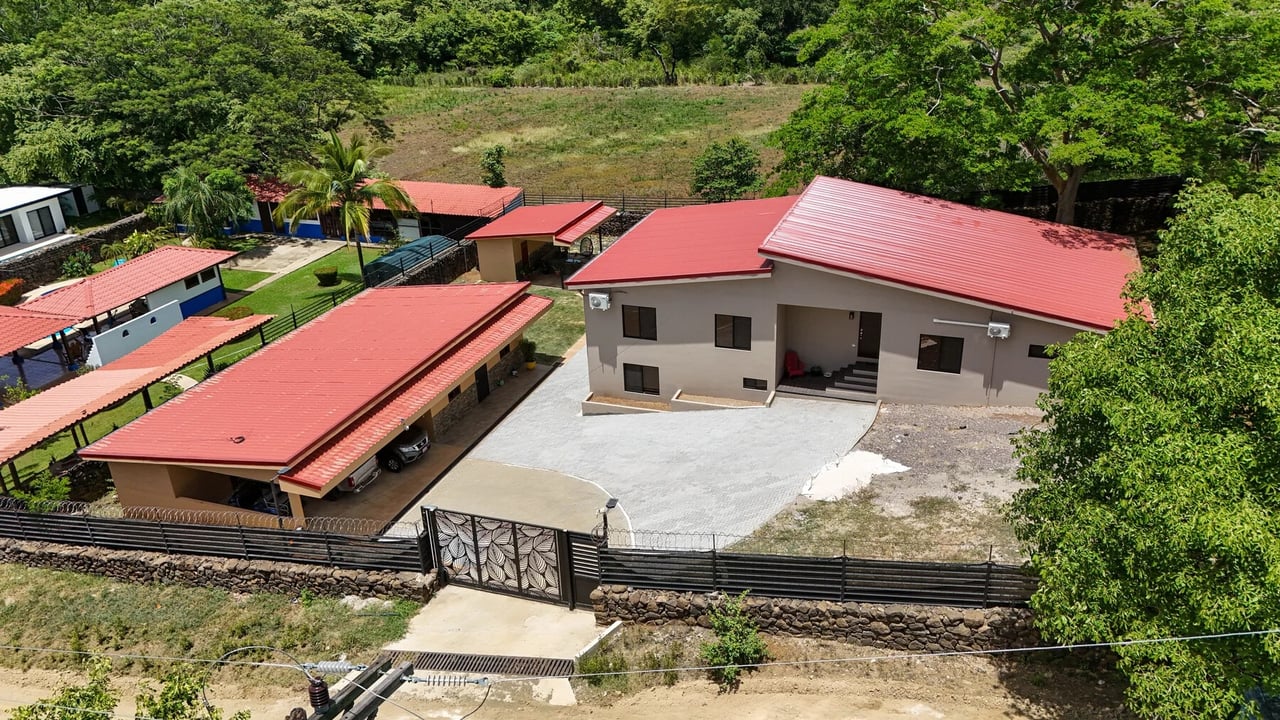
Costa Rican Retreat, Barrio Los Canales, Playas del Coco, GU 50503, Costa Rica
For Sale
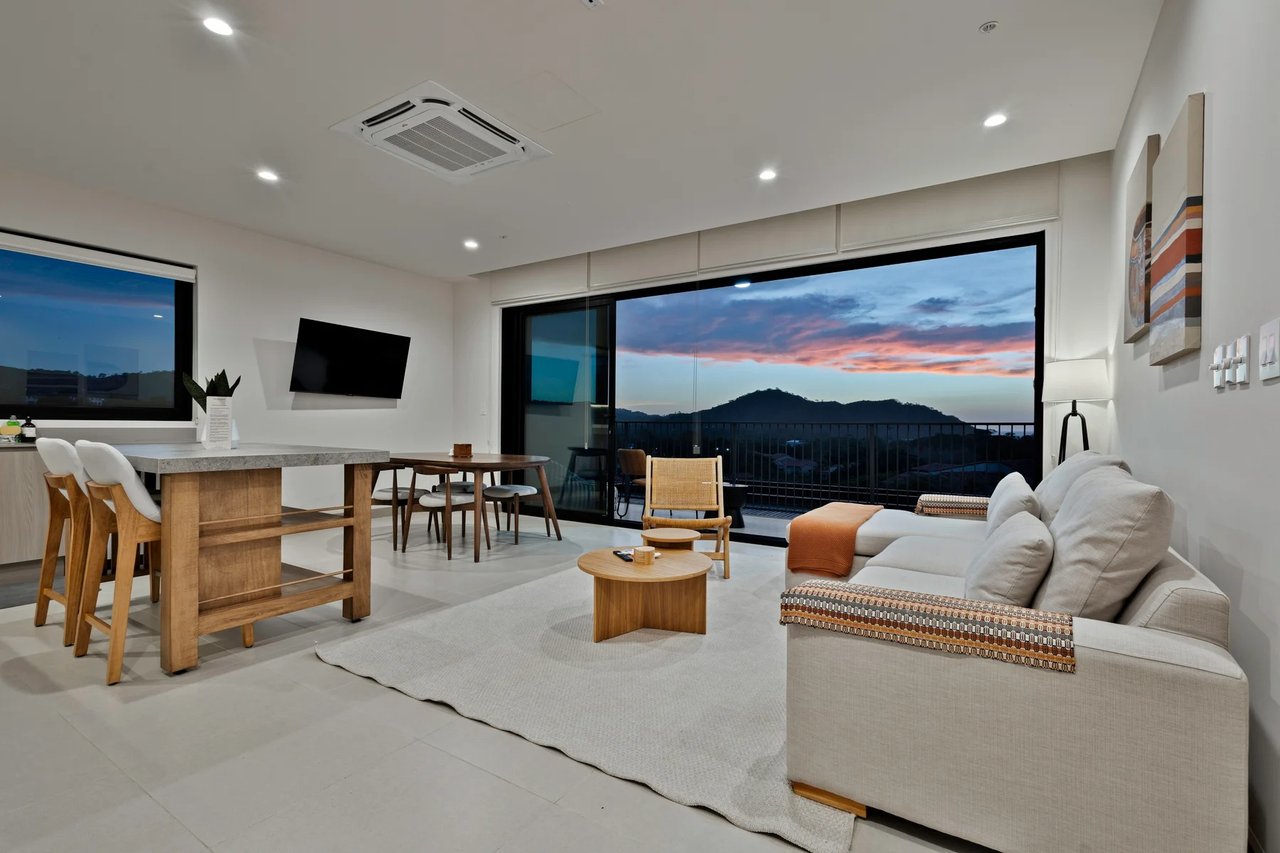
Luxury Ocean View Condo, Unit 522, Pacifico, Playas del Coco, GU 50503, Costa Rica
For Sale
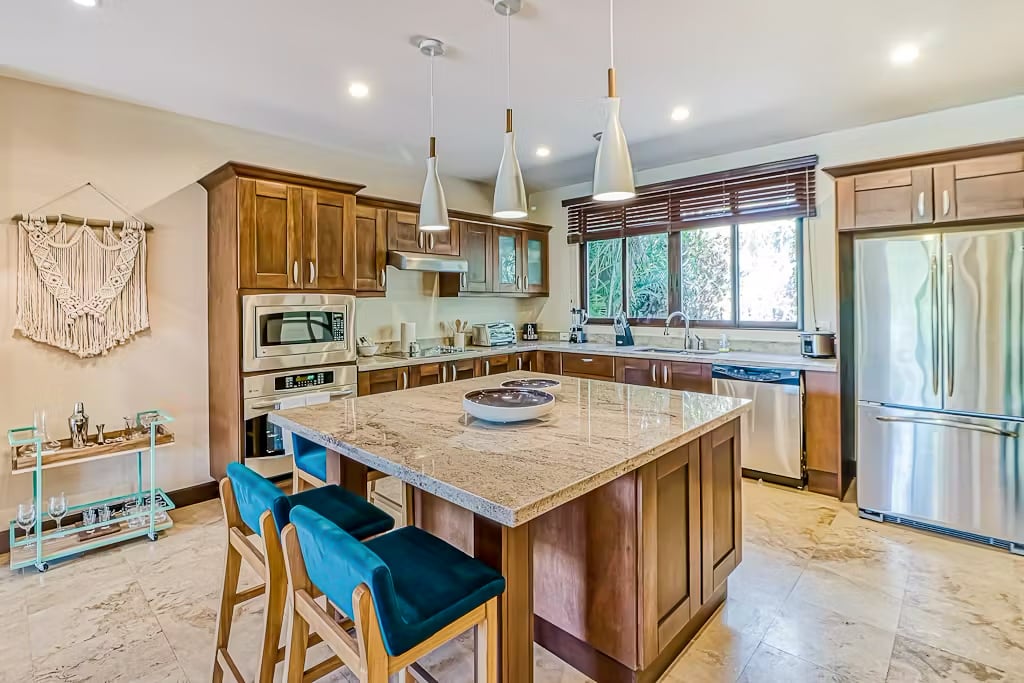
Azul Paraiso 11B, Playa Ocotal, GU 50503, Costa Rica
For Sale
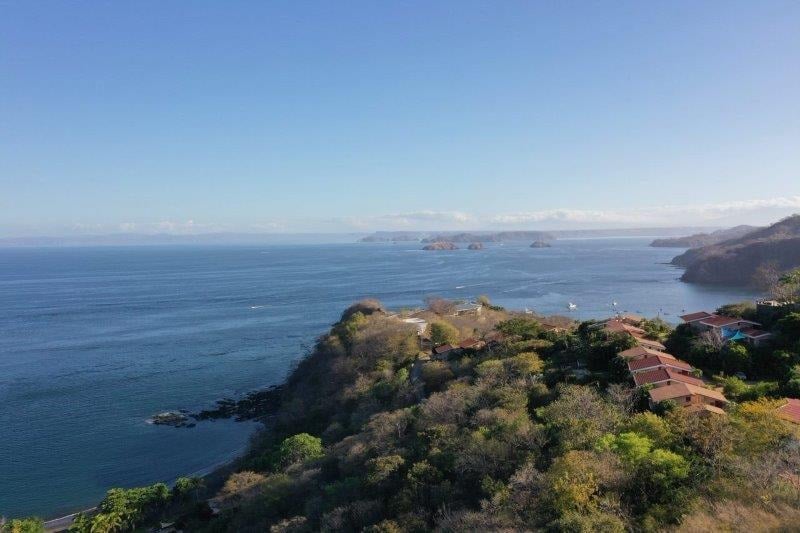
Full Ocean View Lot Ocotal, #61, Playa Ocotal, GU 50503, Costa Rica
For Sale
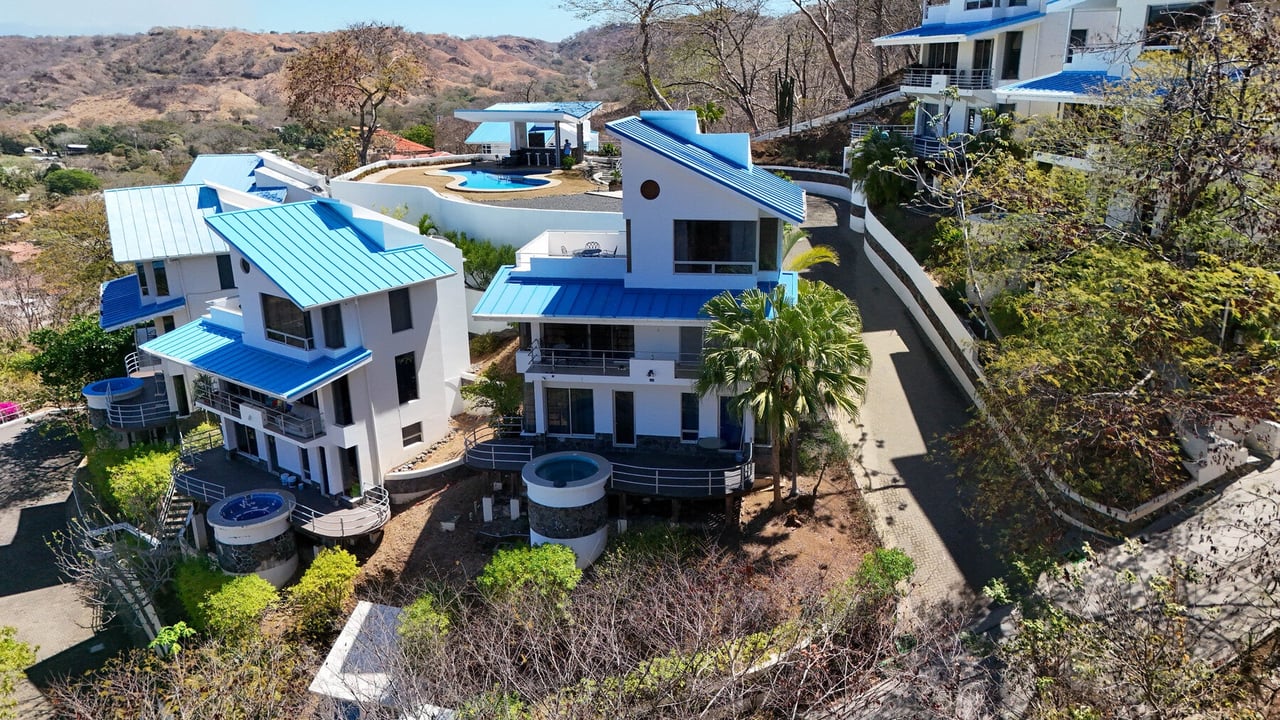
House Of Winds 1, Playas del Coco, GU 50503, Costa Rica
For Sale
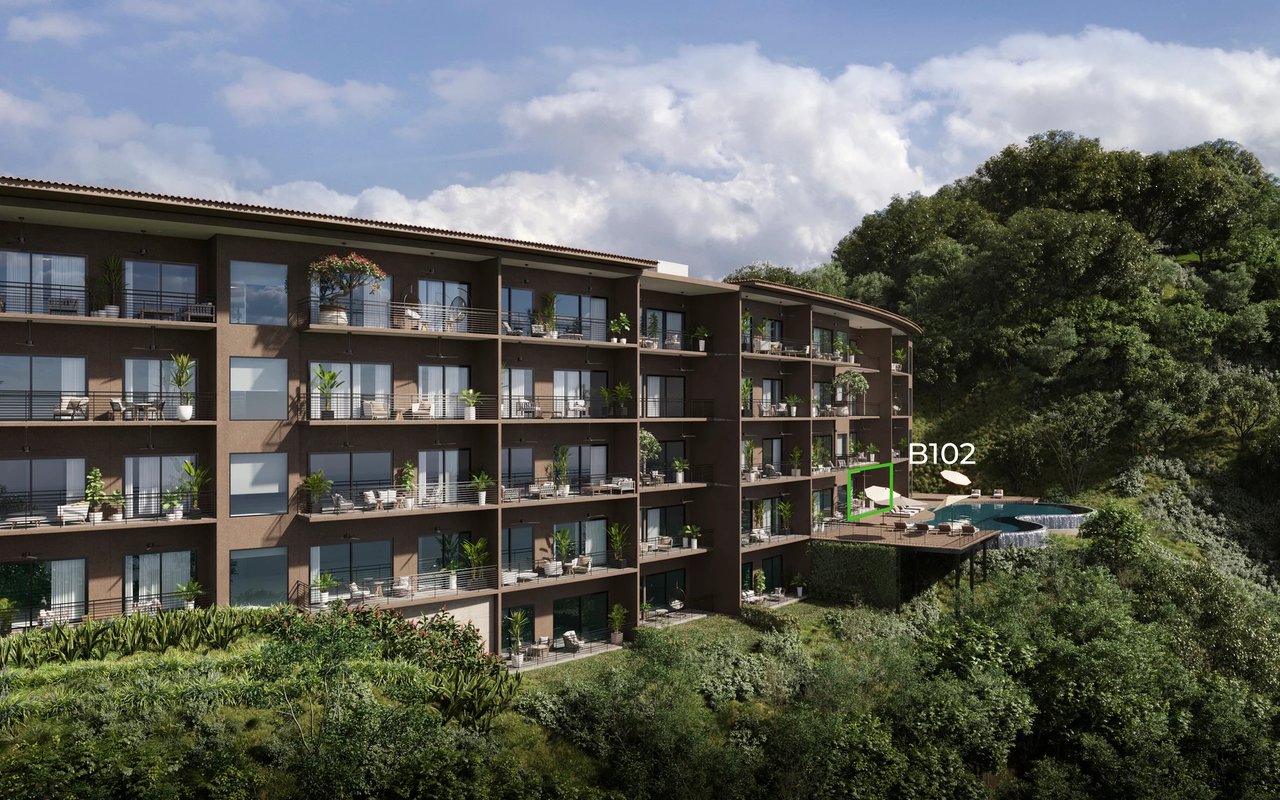
Brand New Pool-Level Oceanfront Condo B102, Azul Paraiso, Playa Ocotal, GU 50503, Costa Rica
For Sale
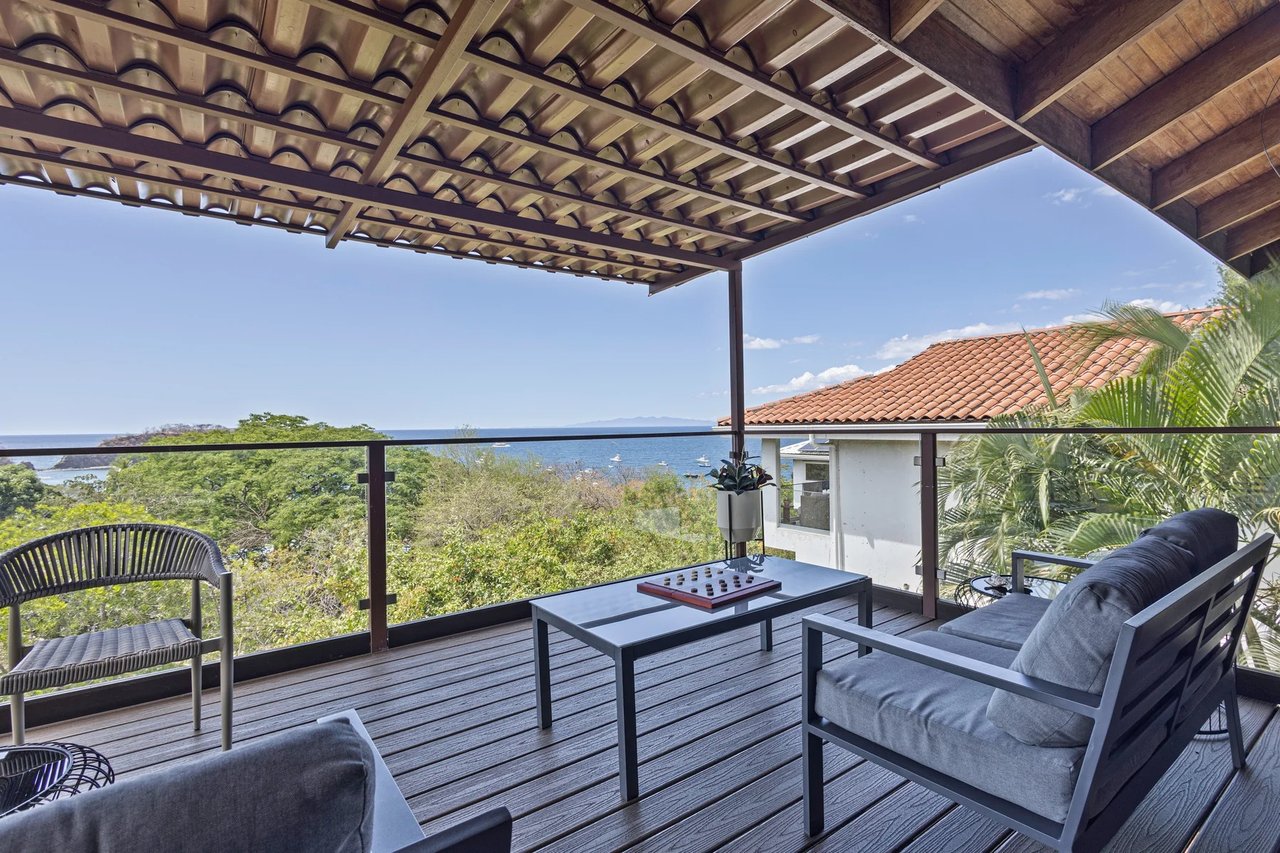
Beachfront Villa unit 17, Los Almendros, Playa Ocotal, GU 50503, Costa Rica
For Sale
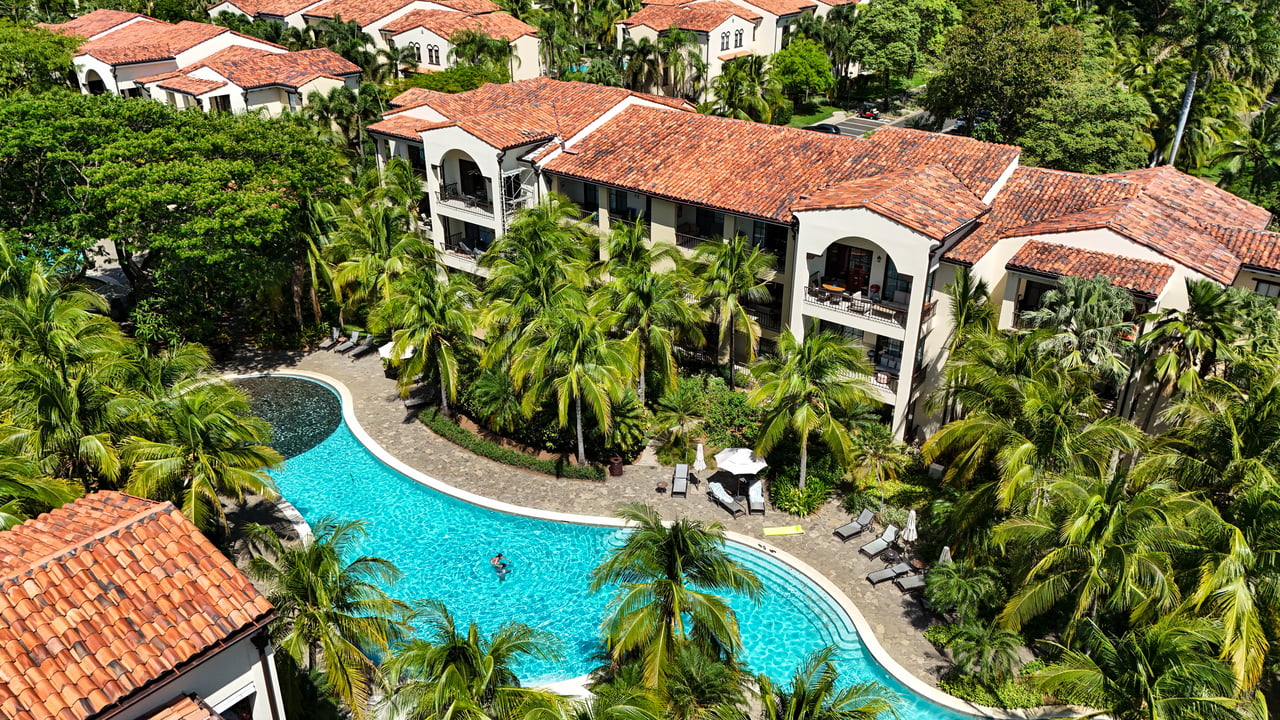
Pacifico L508, Playas del Coco, GU 50503, Costa Rica
For Sale
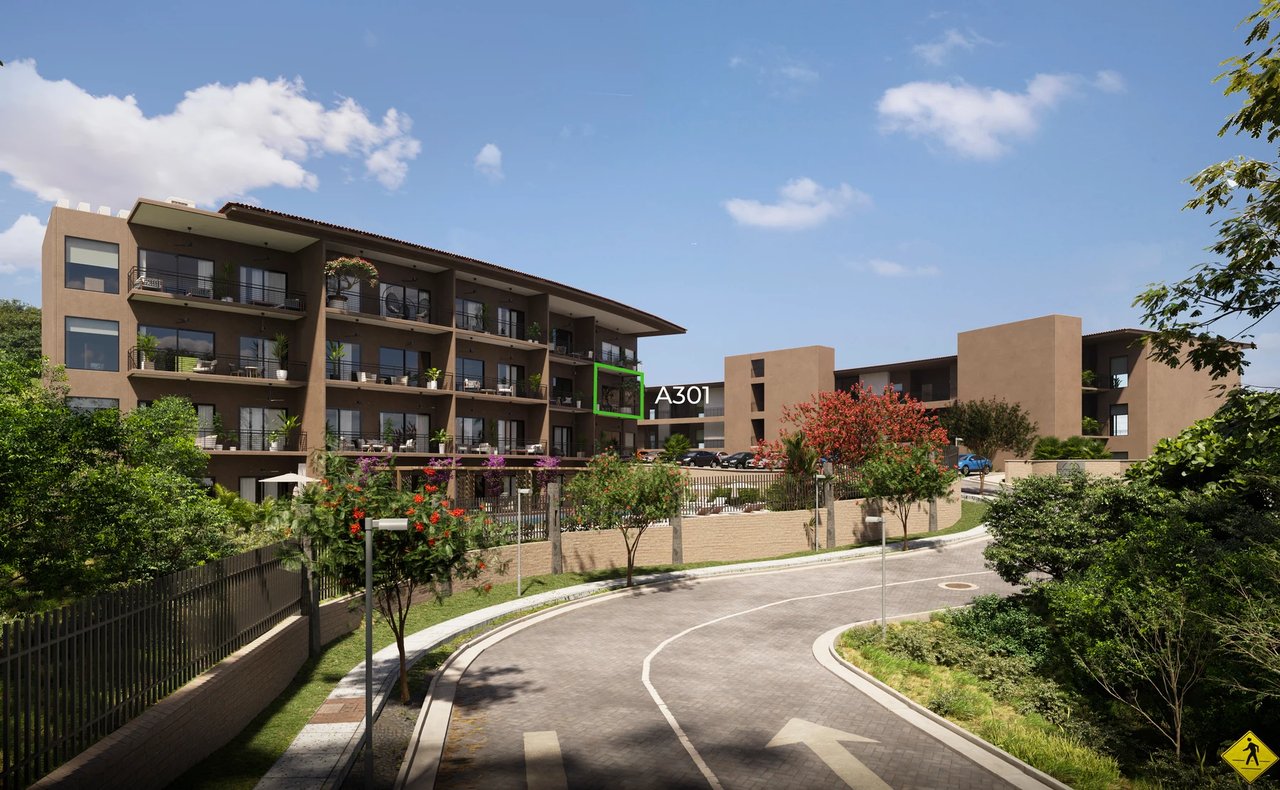
Unit A301 - Type B1, Azul Paraiso, Playa Ocotal, GU 50503, Costa Rica
For Sale
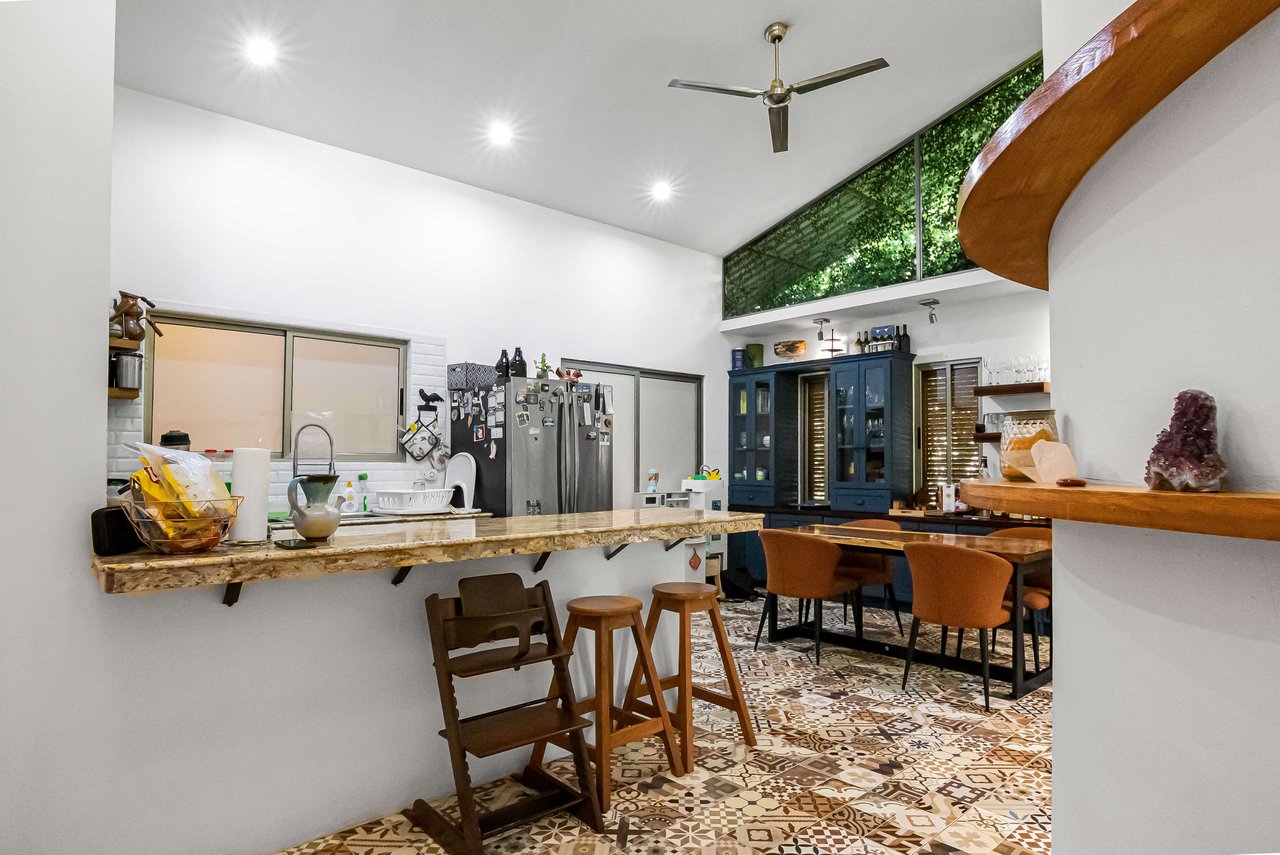
Casa Congos, Casa Congos, Playas del Coco, GU 50503, Costa Rica
For Sale
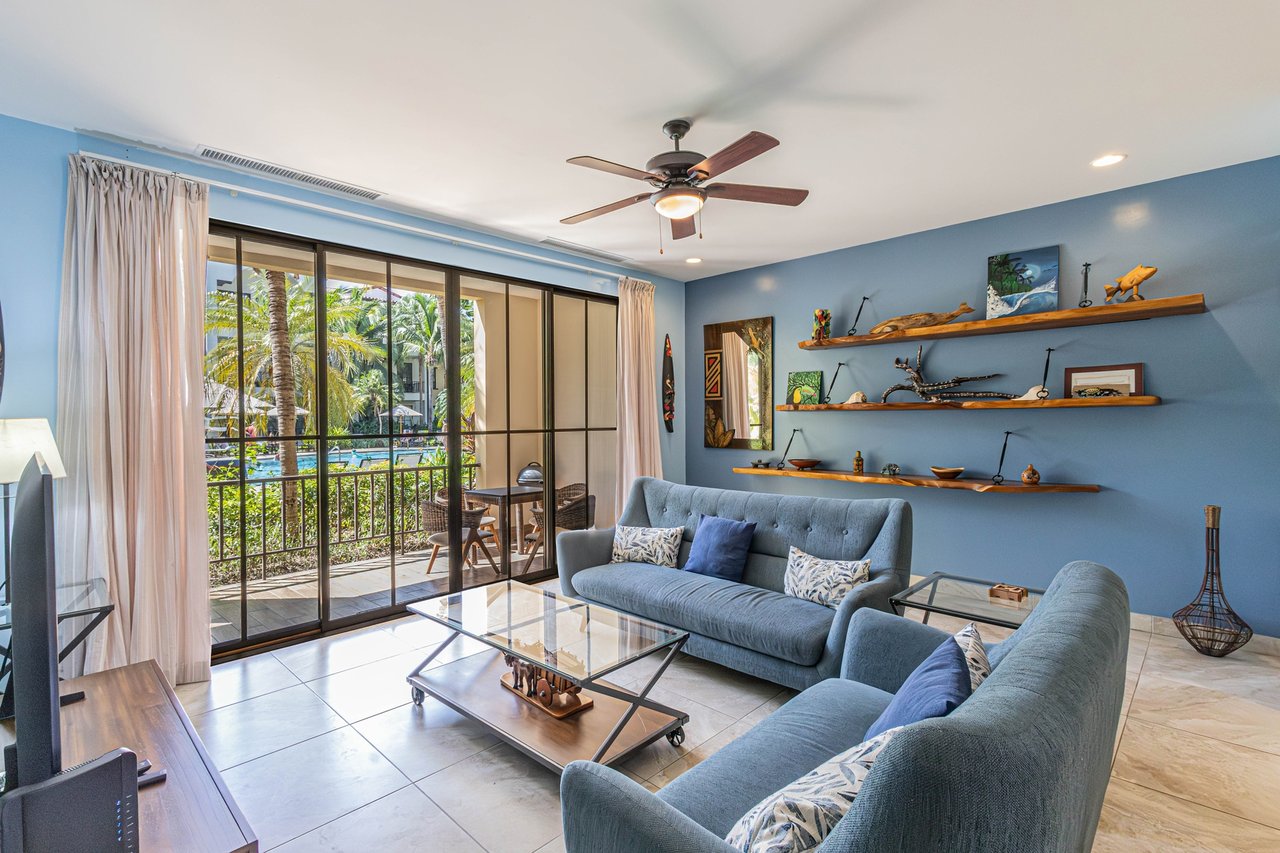
Pacifico L204, Playas del Coco, GU 50503, Costa Rica
For Sale
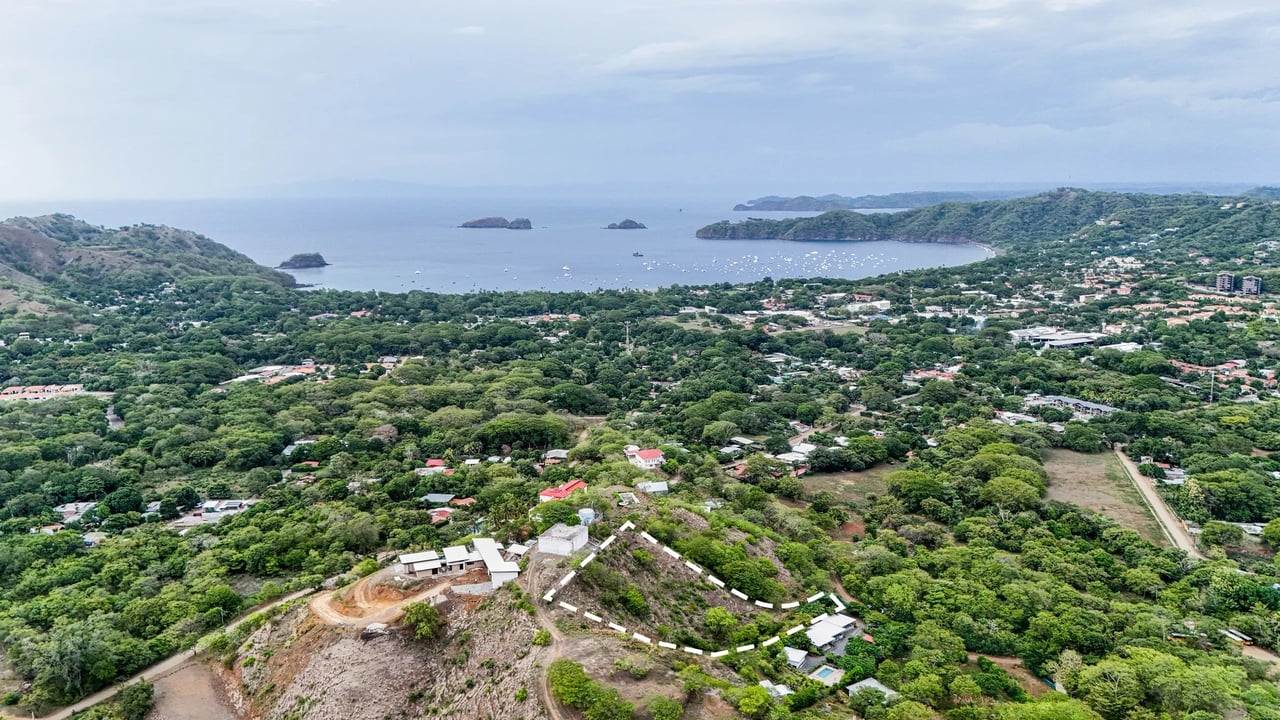
Ocean View Investment Land, Playas del Coco, GU 50503, Costa Rica
For Sale
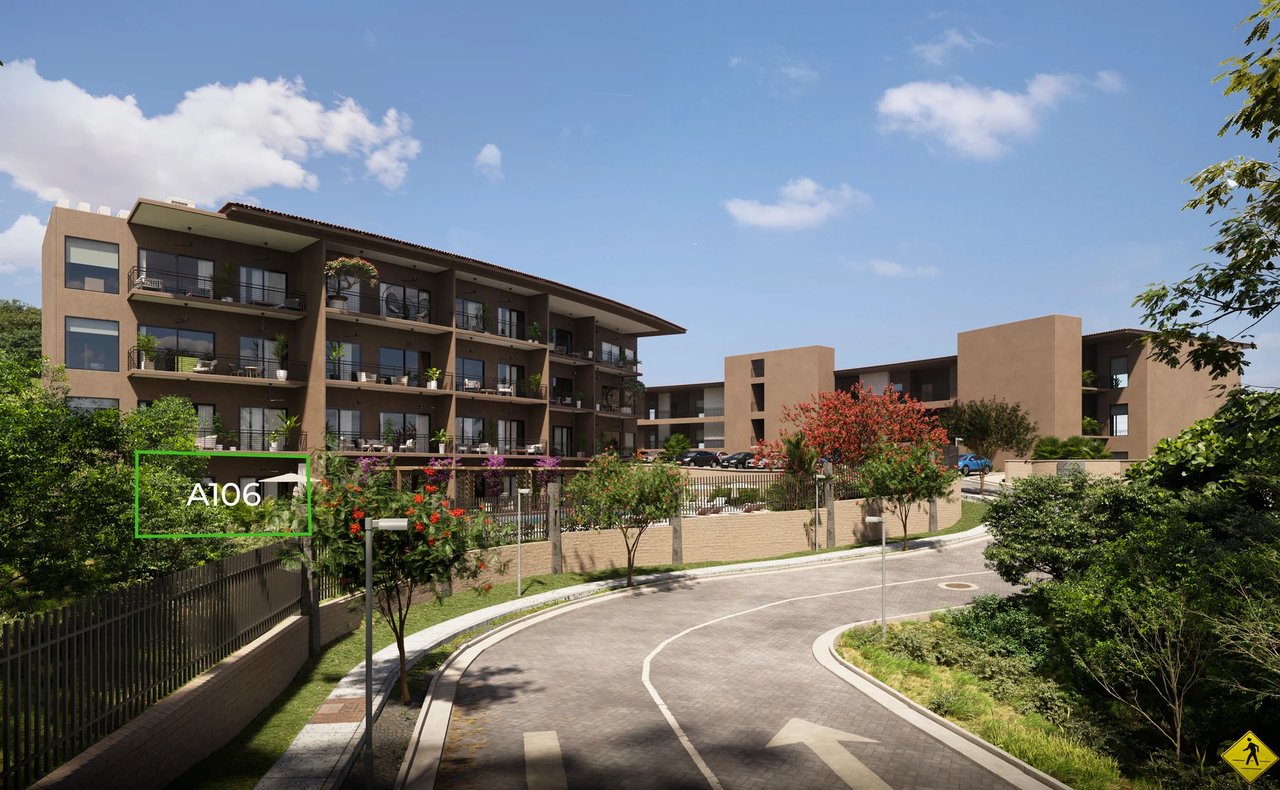
Unit A106 - Type B1, Azul Paraiso, Playa Ocotal, GU 50503, Costa Rica
For Sale
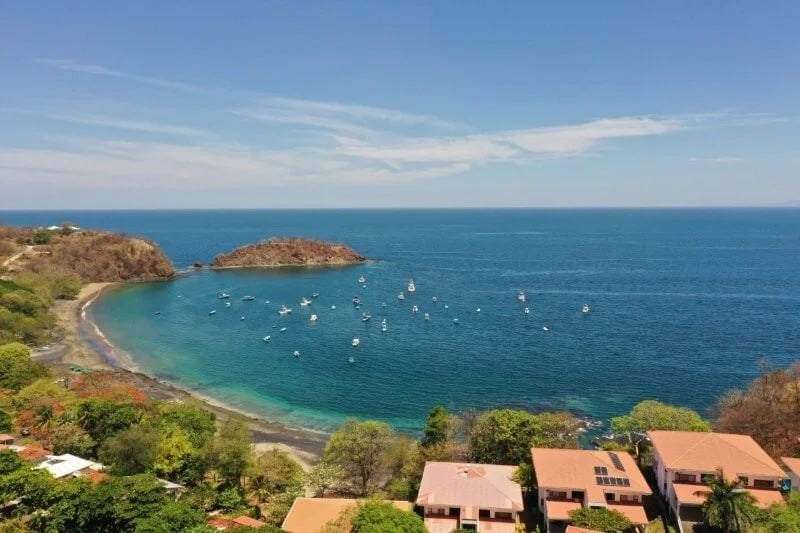
Renovated Ocean View Condo #39, Los Almendos, Playa Ocotal, GU 50503, Costa Rica
For Sale
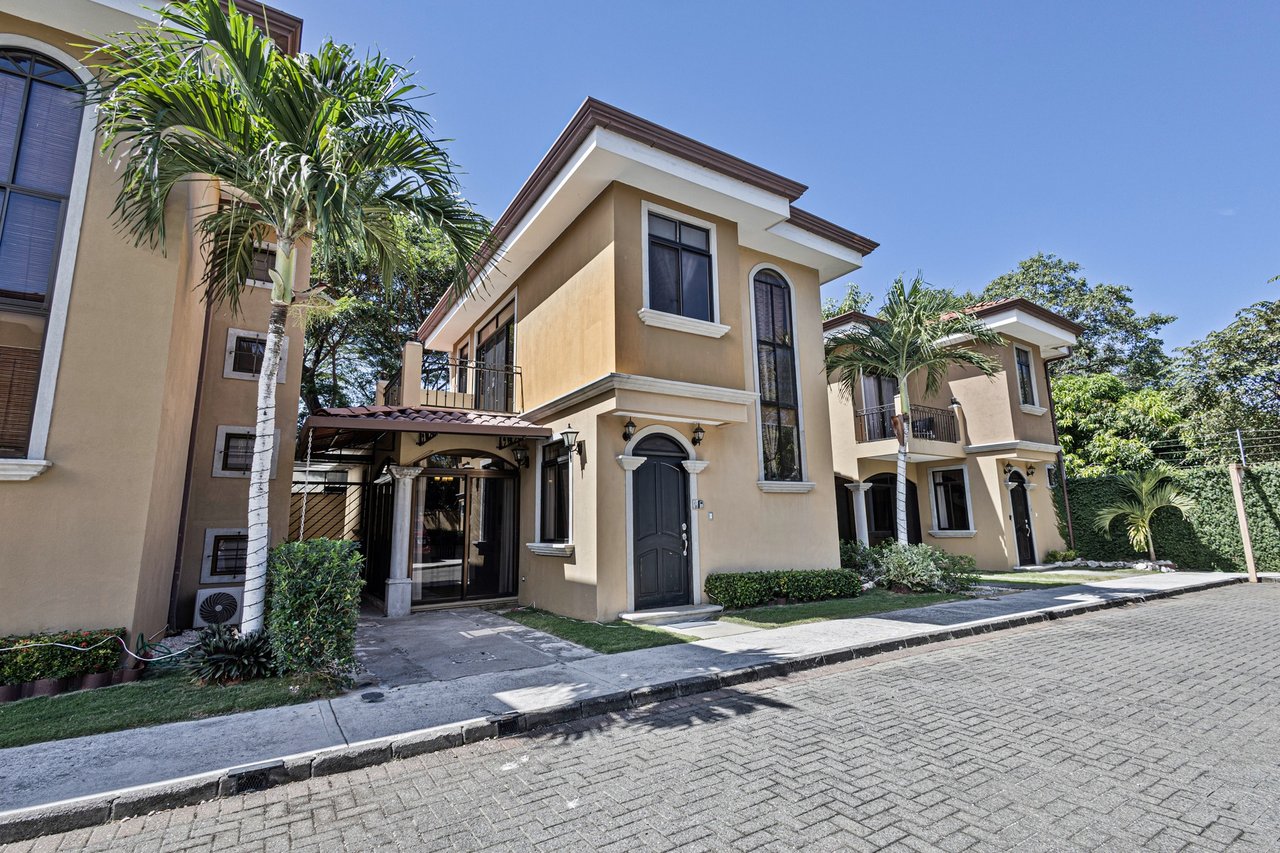
Arrecifes #11, Playas del Coco, GU 50503, Costa Rica
For Sale
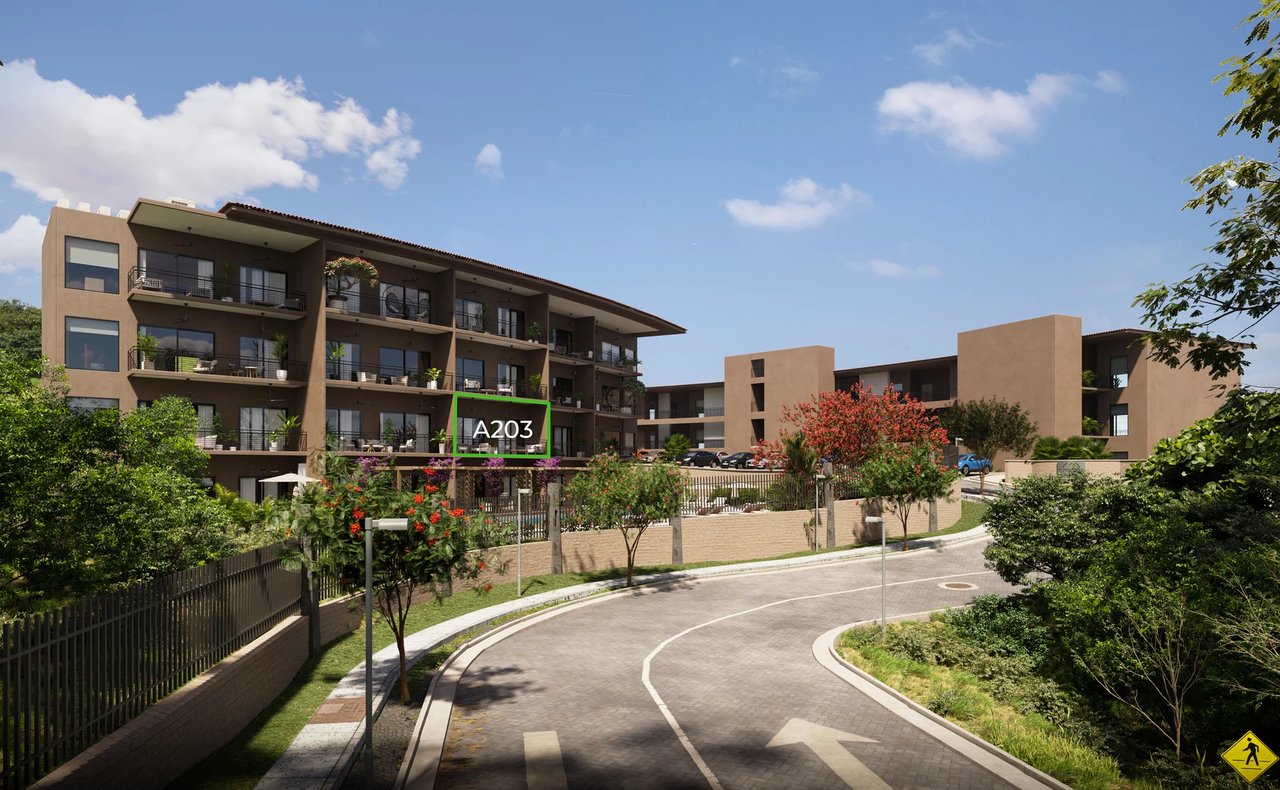
Unit A203 - Type A, Azul Paraiso, Playa Ocotal, GU 50503, Costa Rica
For Sale
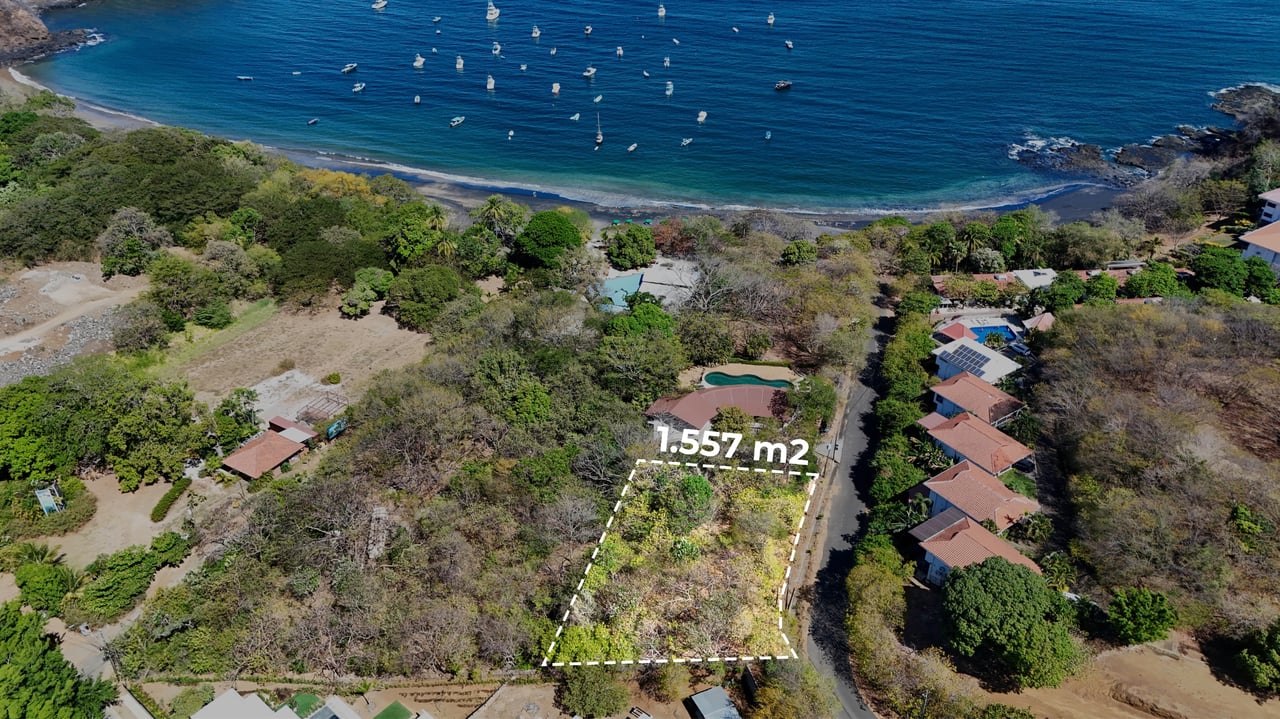
Playa Ocotal Lot, Playa Ocotal, GU 50503, Costa Rica
For Sale
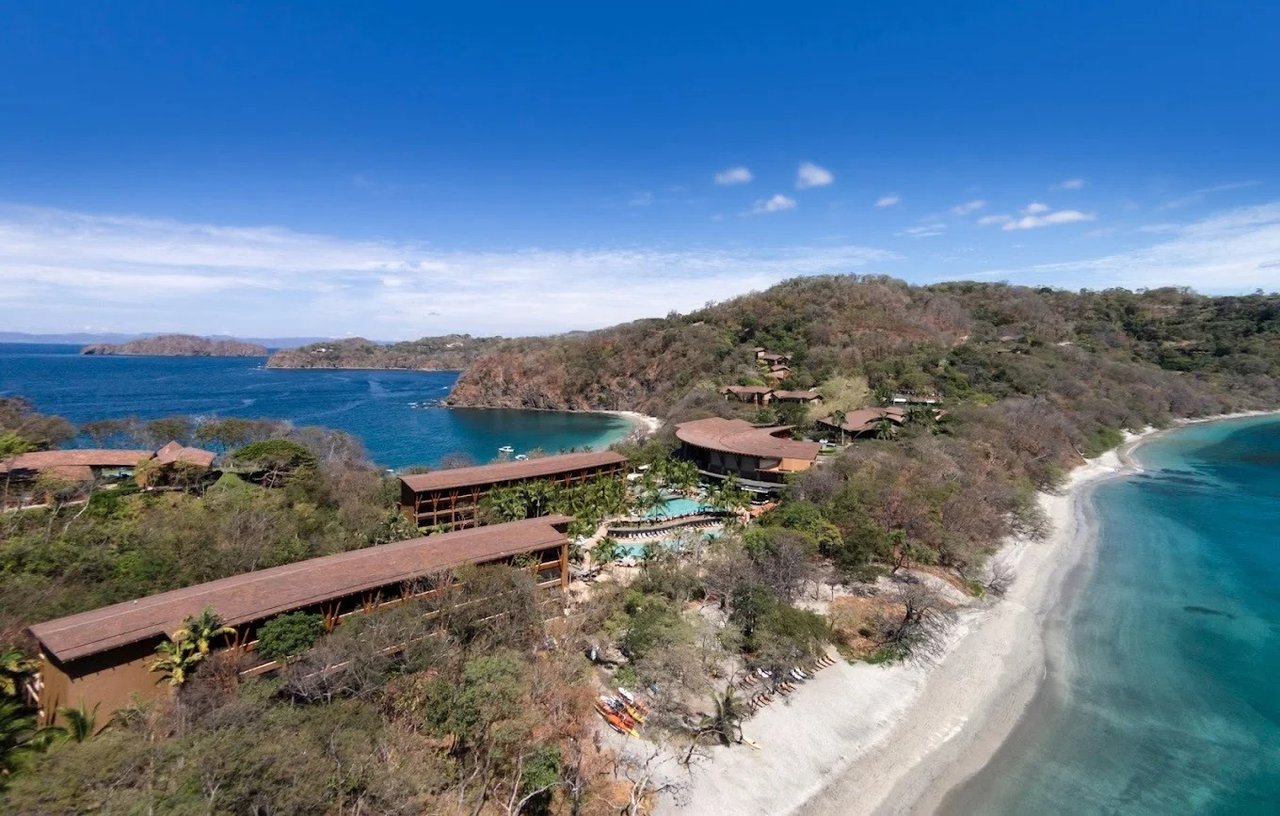
Four Seasons Fractional Condo, Four Seasons, Papagayo, GU 50104, Costa Rica
For Sale
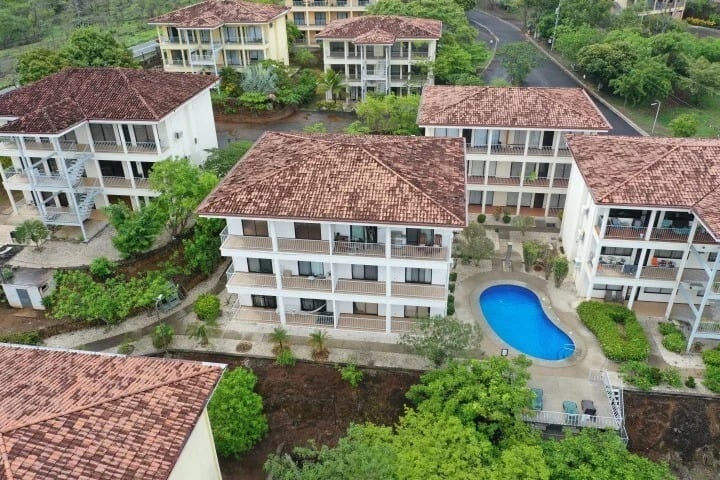
Ocean View Condo, #E-6, Vista Hermosa, Playas del Coco, GU 50503, Costa Rica
For Sale
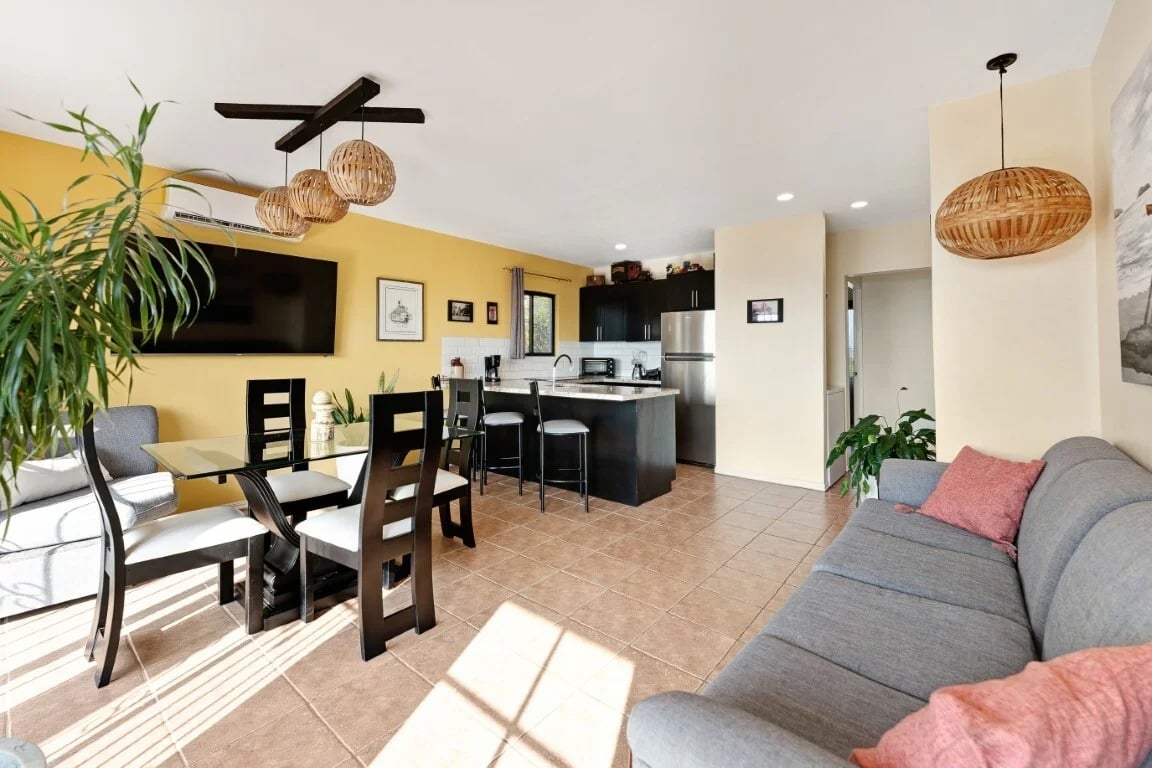
Ocean View Condo #O-3, Vista Hermosa, Playas del Coco, GU 50503, Costa Rica
For Sale
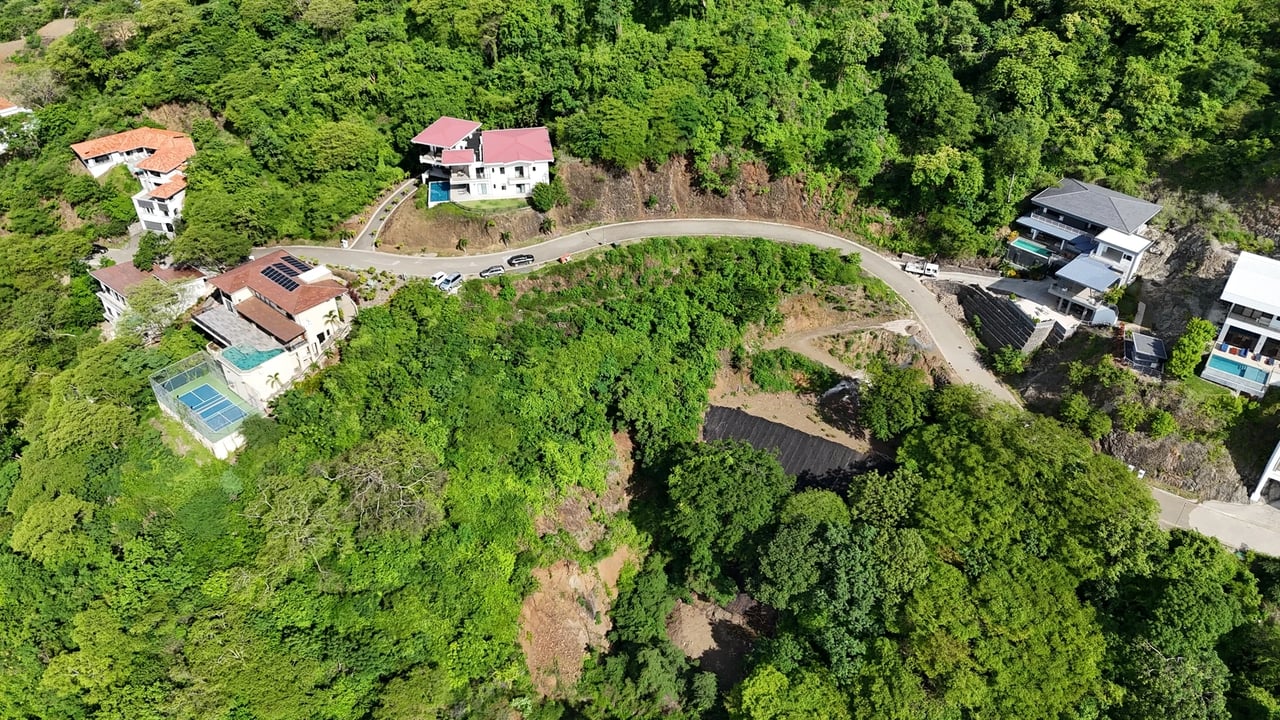
Ocean View Lot #30, Coco Bay, Ocotal, GU 50503, Costa Rica
For Sale
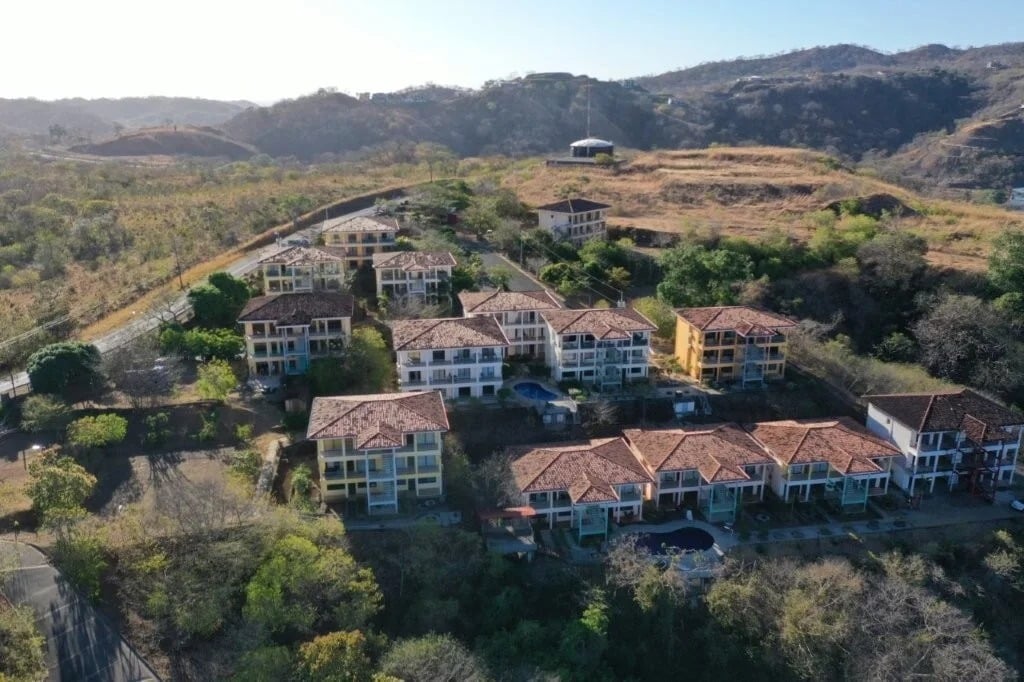
Ocean View Condo, #I-6, Vista Hermosa, GU 50503, Costa Rica
Stay up to date on the latest trends in real estate.
October 8, 2026
October 1, 2026
September 24, 2026
September 17, 2026
September 10, 2026
September 3, 2026
August 27, 2026
August 20, 2026
August 13, 2026