Living the Peninsula Papagayo Lifestyle Day to Day
March 5, 2026
March 5, 2026
Imagine waking up to birdsong, watching howler monkeys move through the canopy, and stepping onto a calm, sheltered beach in minutes. If you are considering a full‑ or part‑time home on Peninsula Papagayo, you are likely weighing lifestyle, access and the day‑to‑day details that turn a resort destination into real life. In this guide, you will learn how memberships work, what daily routines look like, where you run errands, and what to expect for costs and services. Let’s dive in.
Peninsula Papagayo is a roughly 1,400‑acre, master‑planned resort‑residential community on Costa Rica’s north Pacific coast in Guanacaste. It blends protected dry‑tropical forest, sheltered bays and coves with private residences and world‑class hotels. The community’s mix is anchored by Four Seasons Resort Costa Rica, Andaz Peninsula Papagayo and the new Nekajui, a Ritz‑Carlton Reserve, all operating within a coordinated master plan that shapes residential life and amenity access. You can explore the peninsula’s scope and setting on the official site for Peninsula Papagayo.
A key difference here is the integrated governance model. The peninsula’s membership structure, hotel partnerships and conservation programs are designed to work together, so living here feels organized and low density rather than ad hoc. That integration influences how you access beach clubs, golf, the marina and community hubs.
Living here is not the same as staying at a hotel. Owners can join The Club, a private membership that extends privileges across select on‑peninsula facilities, beach clubs and hotel venues. Membership is linked to property ownership and has its own application and fee structure. You can review current terms in The Club’s FAQ.
Many residences are fully serviced through brand programs. For example, Four Seasons Private Residences at Prieta Bay are described as managed and serviced, with property management and concierge support built in. If you prefer a lock‑and‑leave lifestyle with consistent standards, this kind of residence sets clear expectations for day‑to‑day support. See how the Four Seasons model works on the Prieta Bay residences page.
The peninsula offers a handful of small, sheltered beaches such as Prieta, Virador and Playa Blanca. Club facilities at these beaches are often reserved for members and residence guests, and some resorts offer day passes at their discretion and for a fee. You will see this managed approach reflected in on‑peninsula information about private home stays and club access.
It is important to understand Costa Rica’s coastal law. The maritime‑terrestrial zone protects public use of the shoreline, while private operators manage access to their facilities and services. In practice, that means the sand is public, but club areas, pools and restaurants are controlled by membership and resort policies. You can read the legal framework in this government pronouncement on public beach access.
If golf is part of your routine, the 18‑hole Arnold Palmer Ocean Course is a standout. Access is private and typically available to club members and registered guests of on‑peninsula hotels. The course layout, views and member policies underscore the private‑club feel of residential life here. Learn more about the Ocean Course on the official page.
For boat owners and ocean lovers, Marina Papagayo is a major quality‑of‑life anchor. It is a full‑service facility with 180 fully serviced berths for vessels up to about 250 feet, along with provisioning, concierge and crew amenities. Residents use the marina for year‑round docking, sportfishing, dive trips and seasonal whale watching. Explore services and capacity at Marina Papagayo.
Wellness is easy to build into your week. Resort spas run full programs, and on‑peninsula community facilities are designed to support daily fitness and gathering. Papagayo Park is planned as a community hub with multisport courts, a lap pool, a wellness shala, a pump track and family areas. A recent announcement highlights the park’s role as the peninsula’s shared heart for residents and members, with details outlined in this Papagayo Park release.
Nature is part of the rhythm. The peninsula’s dry tropical forest, neighboring protected areas and calm bays mean regular wildlife sightings and easy access to hiking, snorkeling and paddling. Marine excursions and diving are typically arranged through the marina or nearby coastal towns.
One of the most practical advantages of living on Peninsula Papagayo is proximity to Liberia’s international airport. Transfer times to Daniel Oduber Quirós International Airport are about 30 to 45 minutes by car, depending on your exact location and traffic. If you travel often, this short hop reduces friction.
Within the peninsula, you will rely on golf carts, resort shuttles and sometimes e‑bikes for short trips. For daily errands and larger services, you will head to Playas del Coco and Liberia. That is where you will find supermarkets, pharmacies, hardware stores, private clinics and specialist appointments. Many owners keep a routine that blends on‑peninsula convenience with quick drives to these service hubs.
Here is a simple weekly rhythm many residents follow:
Ownership here spans condos, private villas and branded residences. Inventory and pricing are dynamic, but a typical spread includes high six‑figure condos and multi‑million‑dollar oceanview or beachfront villas, with occasional homesites and development parcels. Market availability is limited compared to larger beach towns, which is part of the peninsula’s exclusivity.
When you buy in Costa Rica, budget for closing costs and ongoing taxes. Nationally referenced figures include a property transfer tax of about 1.5 percent of the transaction value and an annual property tax commonly set at 0.25 percent of the registered value. Notary, registry and professional fees also apply. A practical overview of these taxes is outlined in this summary of Costa Rica property taxes and transfers.
Many residences on Peninsula Papagayo sit within managed communities and club environments. Expect membership deposits and recurring dues where applicable, along with HOA fees and optional property management. Since each enclave and club has its own plan, ask for current fee schedules and member benefits. For baseline guidance, review the structure in The Club’s FAQ.
If you plan a longer stay, Costa Rica’s temporary residency routes are well established. Two common options are Pensionado, which requires proof of a lifetime pension of at least 1,000 US dollars per month, and Rentista, which requires proof of stable income generally reported at 2,500 US dollars per month. Because regulations can change, confirm details with an attorney or consulate. Start with the consular guidance on Costa Rica residency categories.
For health care, residents rely on clinics and hospitals in Liberia for emergency and specialist care. Private providers, including Hospital San Rafael, offer a range of services and bilingual staff. For urgent needs, you can reach Liberia quickly, and air evacuation to San José is available if higher complexity care is required. Review available services at Hospital San Rafael in Liberia.
Connectivity is another practical concern. Resort areas and luxury communities in Guanacaste generally offer strong broadband through major operators, and many residences have fiber or high‑grade backhaul. Remote workers often keep a backup plan such as a UPS and mobile tethering for redundancy.
Every location has tradeoffs. On Peninsula Papagayo, the clear positives are proximity to the international airport, integrated resort services, and a conservation‑forward master plan that delivers daily nature and privacy. Membership structures create a predictable, low‑maintenance lifestyle with easy access to golf, marina services and curated dining.
Tradeoffs include a premium price environment and managed access to amenities that may require memberships, deposits or day‑pass policies. Availability can be tight, and some facilities schedule maintenance during the green season. Many owners view these constraints as part of the peninsula’s exclusivity and plan around seasonal rhythms.
If the idea of a serviced, nature‑rich life by the ocean resonates, your next move is a focused property tour and a clear view of membership options, fees and access specifics. Our boutique team in Playas del Coco specializes in Peninsula Papagayo and the surrounding coast. We combine local market intelligence, curated on‑ and off‑market inventory, and concierge support to help you buy with confidence.
Ready to explore the right fit on the peninsula or nearby? Connect with 2 Costa Rica Papagayo to receive exclusive off‑market listings and a private discovery itinerary.
Explore our exclusive listings.
For Sale
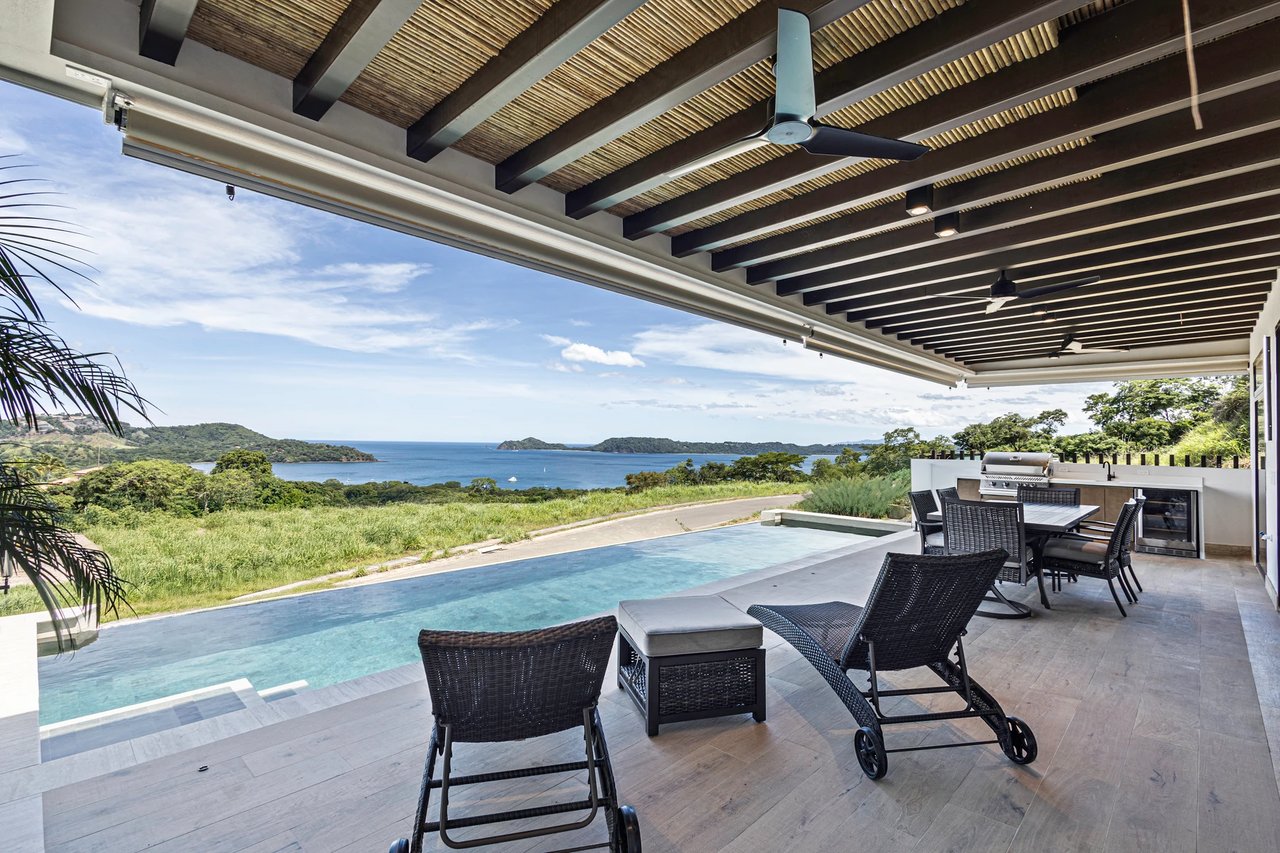
Casa Del Ray, Lot 12B, Hacienda Del Mar, Playa Panama, GU 50503, Costa Rica
For Sale
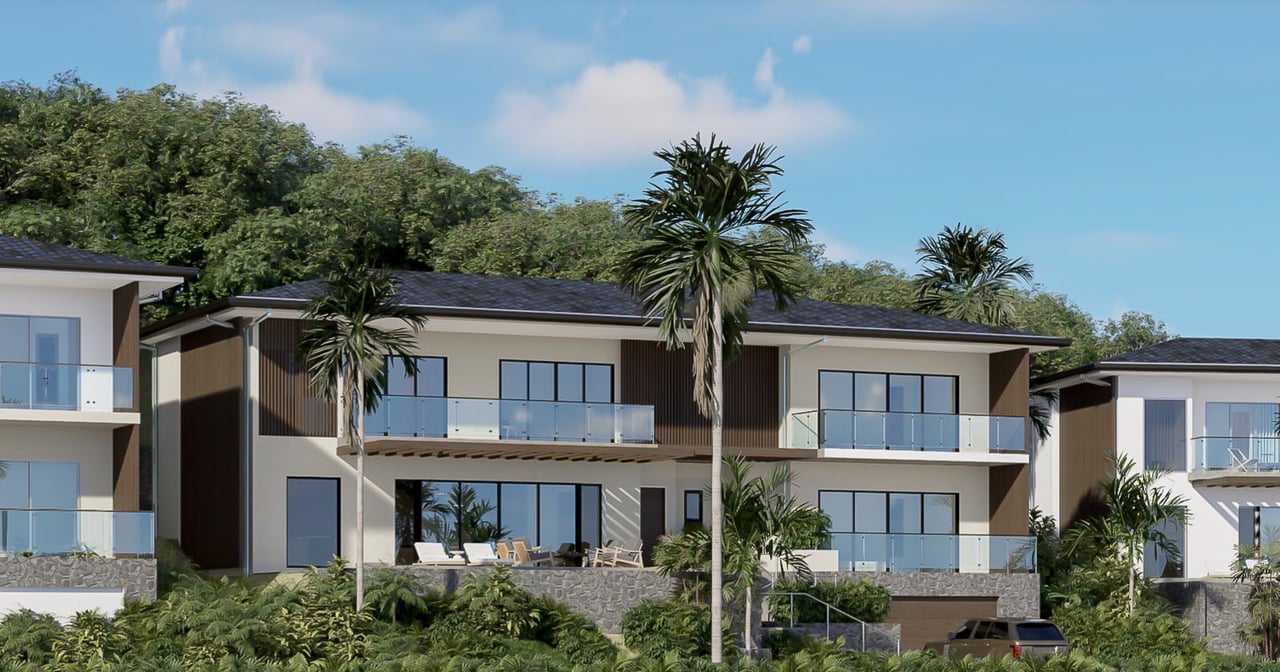
Lot 12B, Hacienda Del Mar, Playa Panama, GU 50503, Costa Rica
For Sale
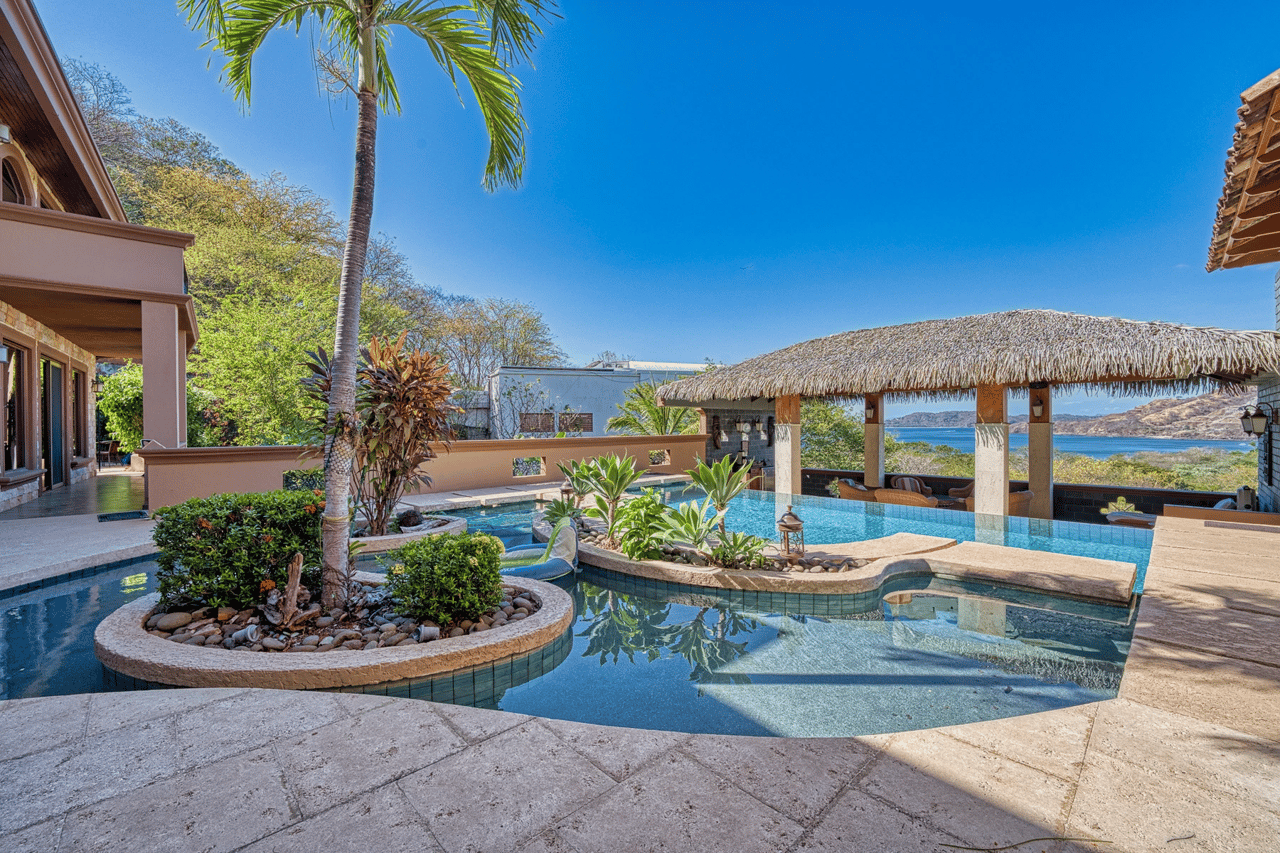
Ocean View Hermosa Montaña, Playa Hermosa, GU 50503, Costa Rica
For Sale
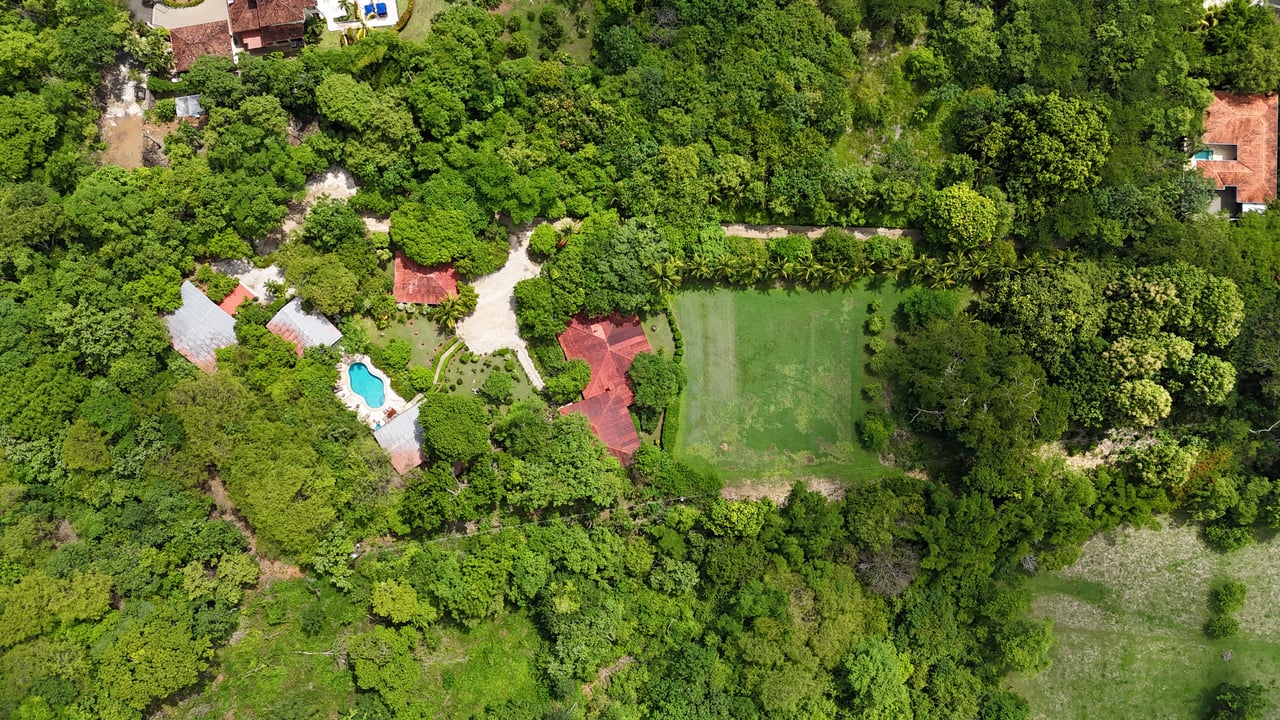
Rancho Armadillo, Monte Seco, Ocean Views, Playas del Coco, GU 50503, Costa Rica
For Sale
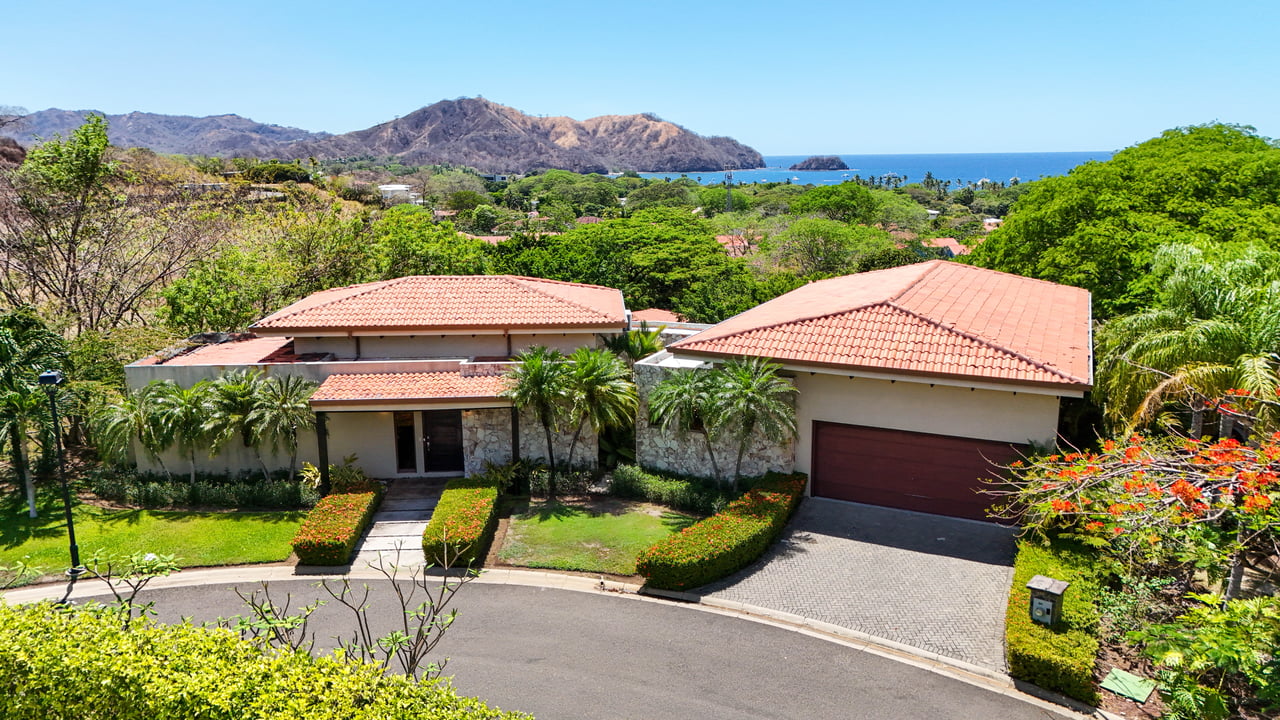
Ocean View Villa 80, Pacifico, Playas del Coco, GU 50503, Costa Rica
For Sale
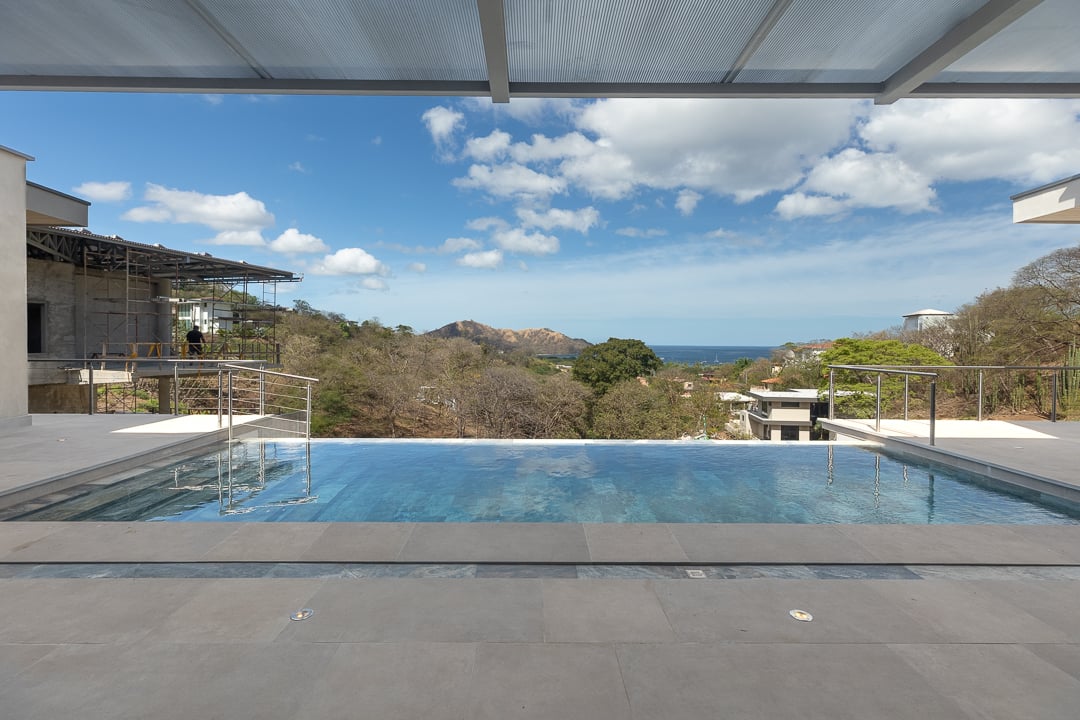
Oceanview Home, Lot 42, Pacifico, Playas del Coco, GU 50503, Costa Rica
For Sale
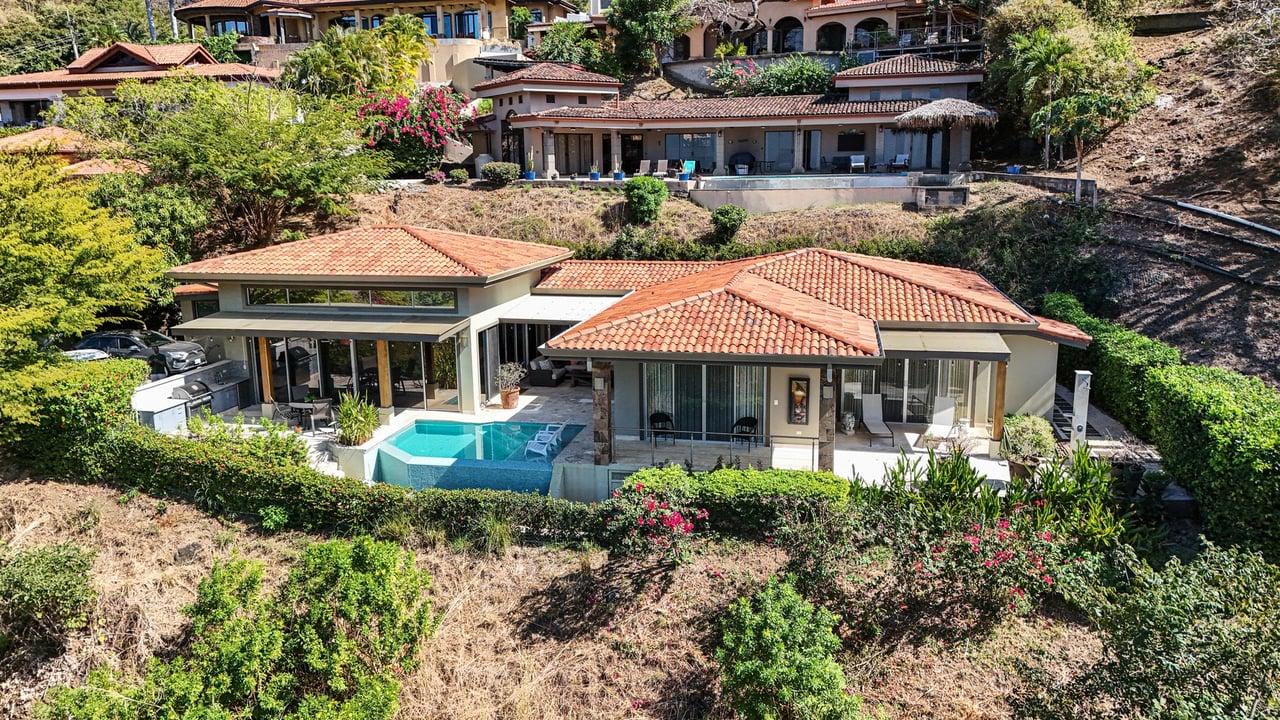
Ocean View Casa De Encanto, Hermosa Heights, Playa Hermosa, GU 50503, Costa Rica
For Sale
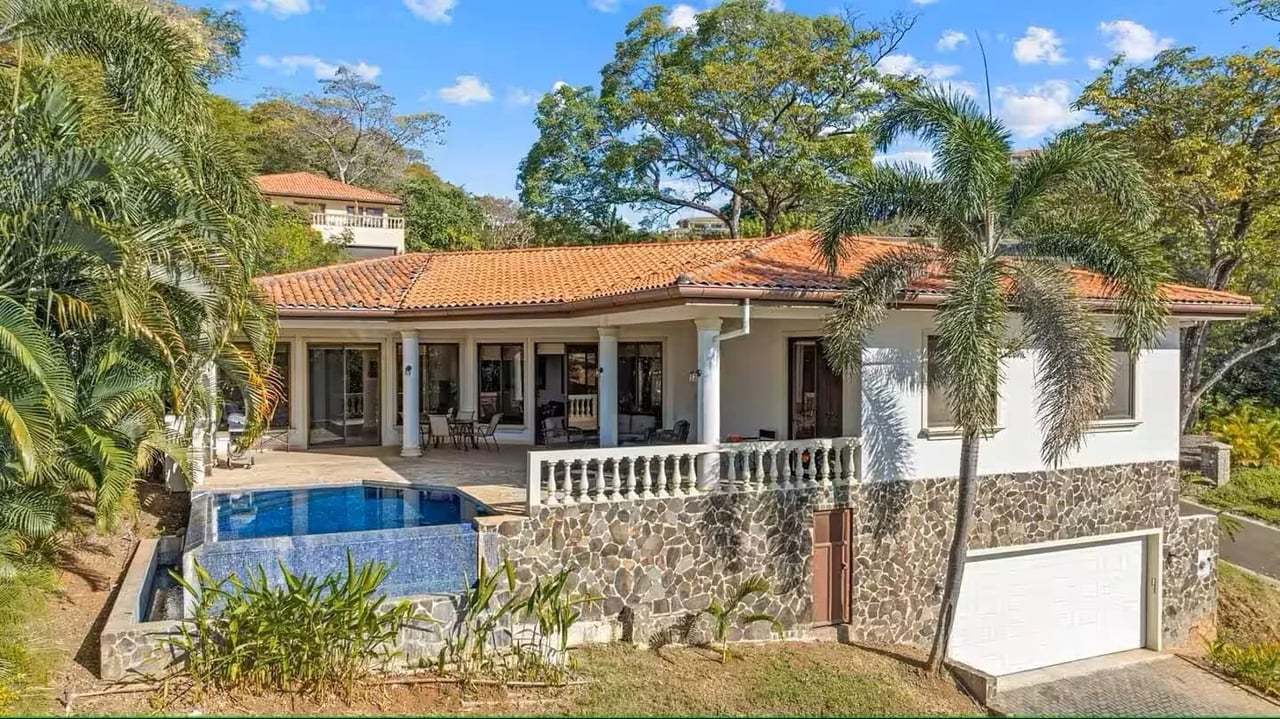
Casa Serena, Lot 89, Pacifico, Playas del Coco, GU 50503, Costa Rica
For Sale
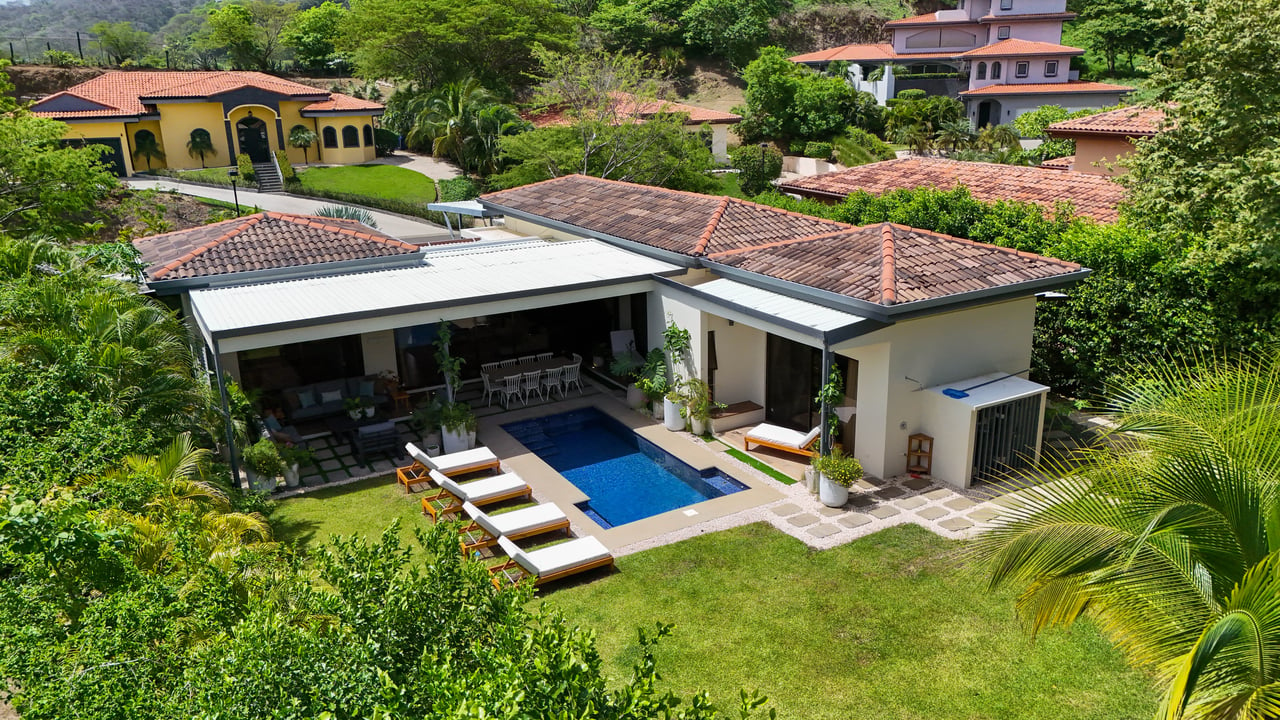
Casa Sanctuary, Pacifico, Playas del Coco, GU 50503, Costa Rica
For Sale
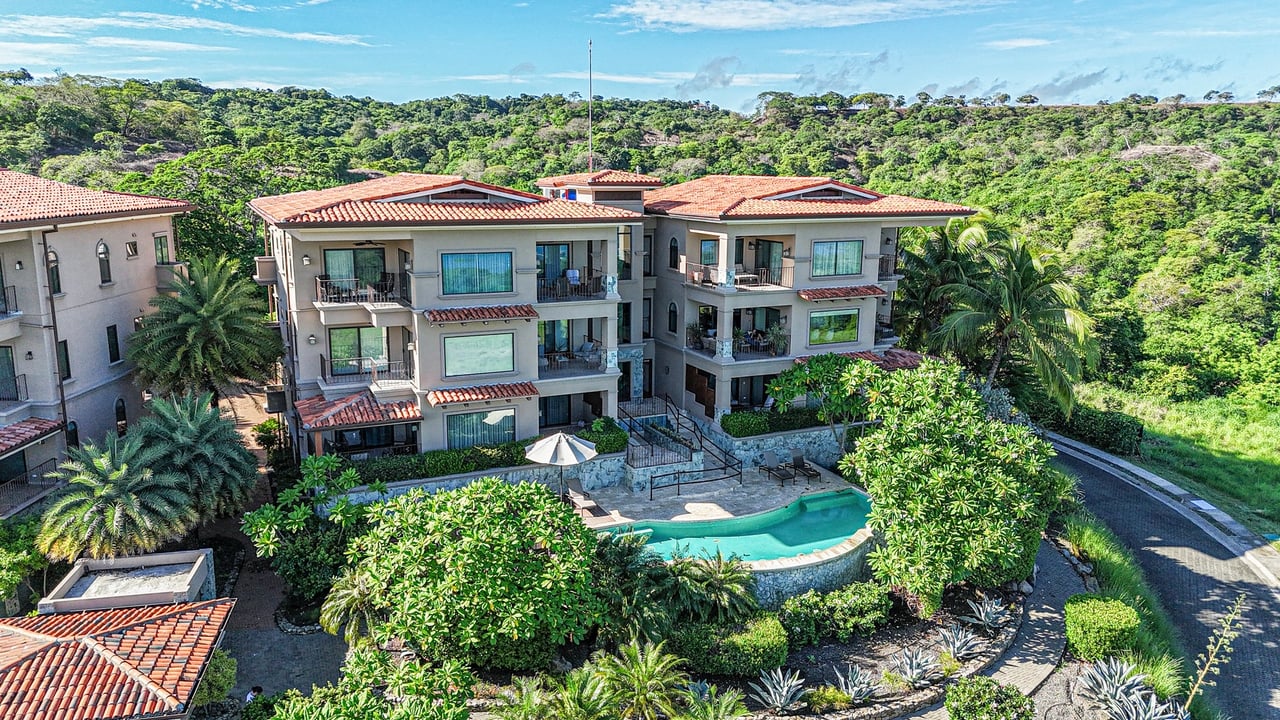
Ocean View Jaguar Village A1, Playa Panama, GU 50508, Costa Rica
For Sale
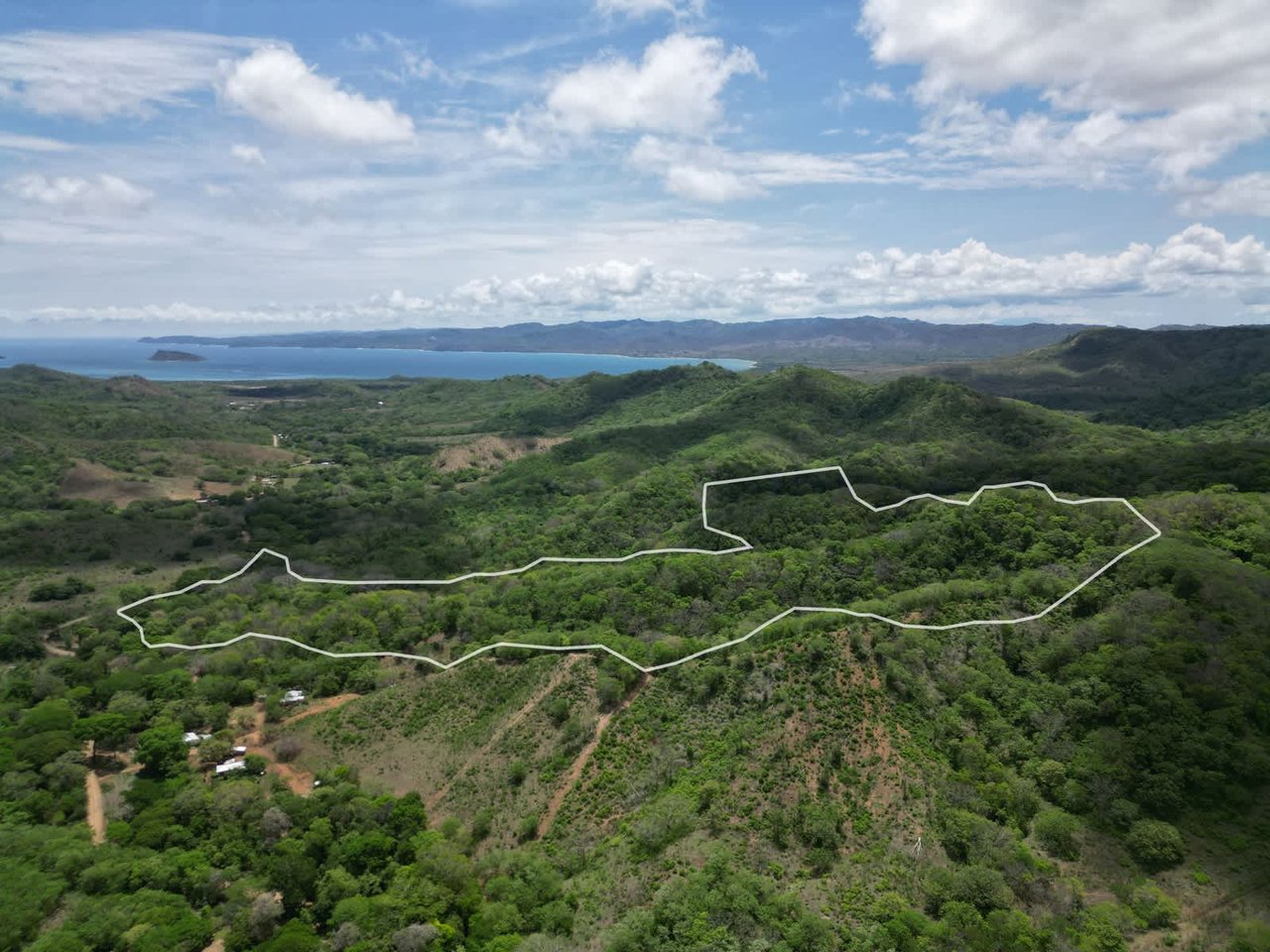
Finca Los Tamarindos, La Cruz, GU 50503, Costa Rica
For Sale
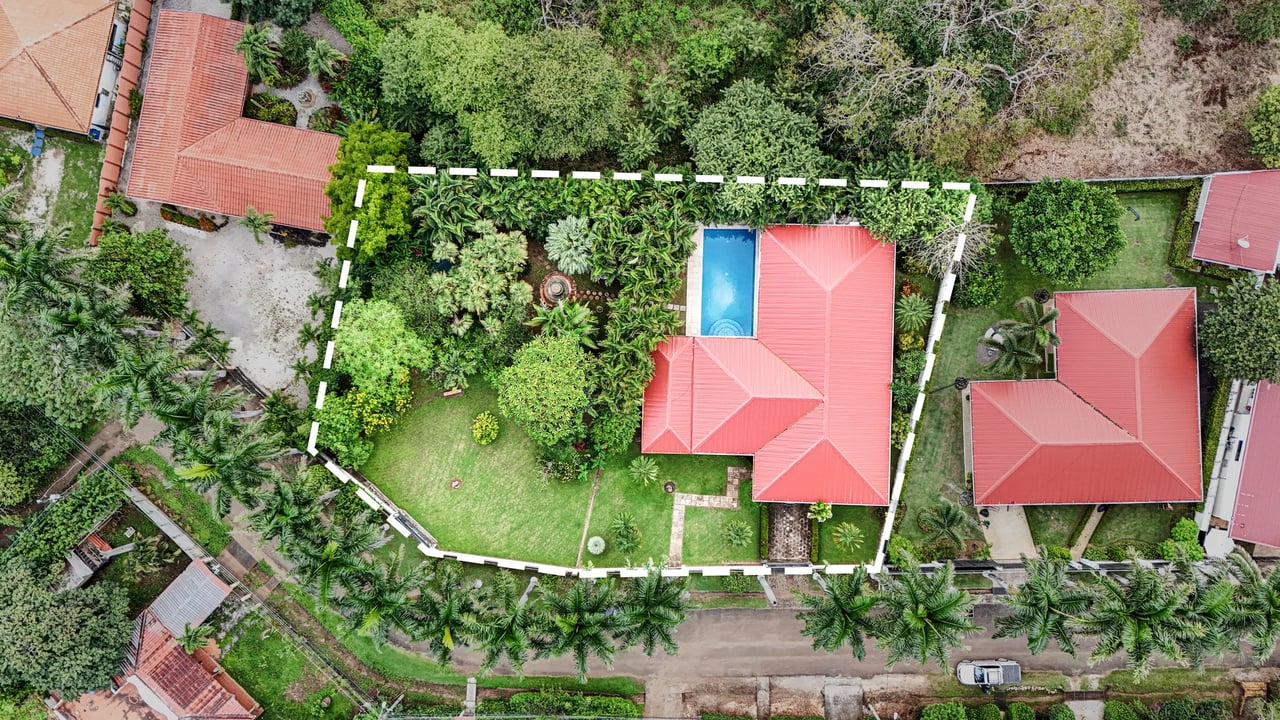
Casa Idea Verde, Playas del Coco, GU 50503, Costa Rica
For Sale
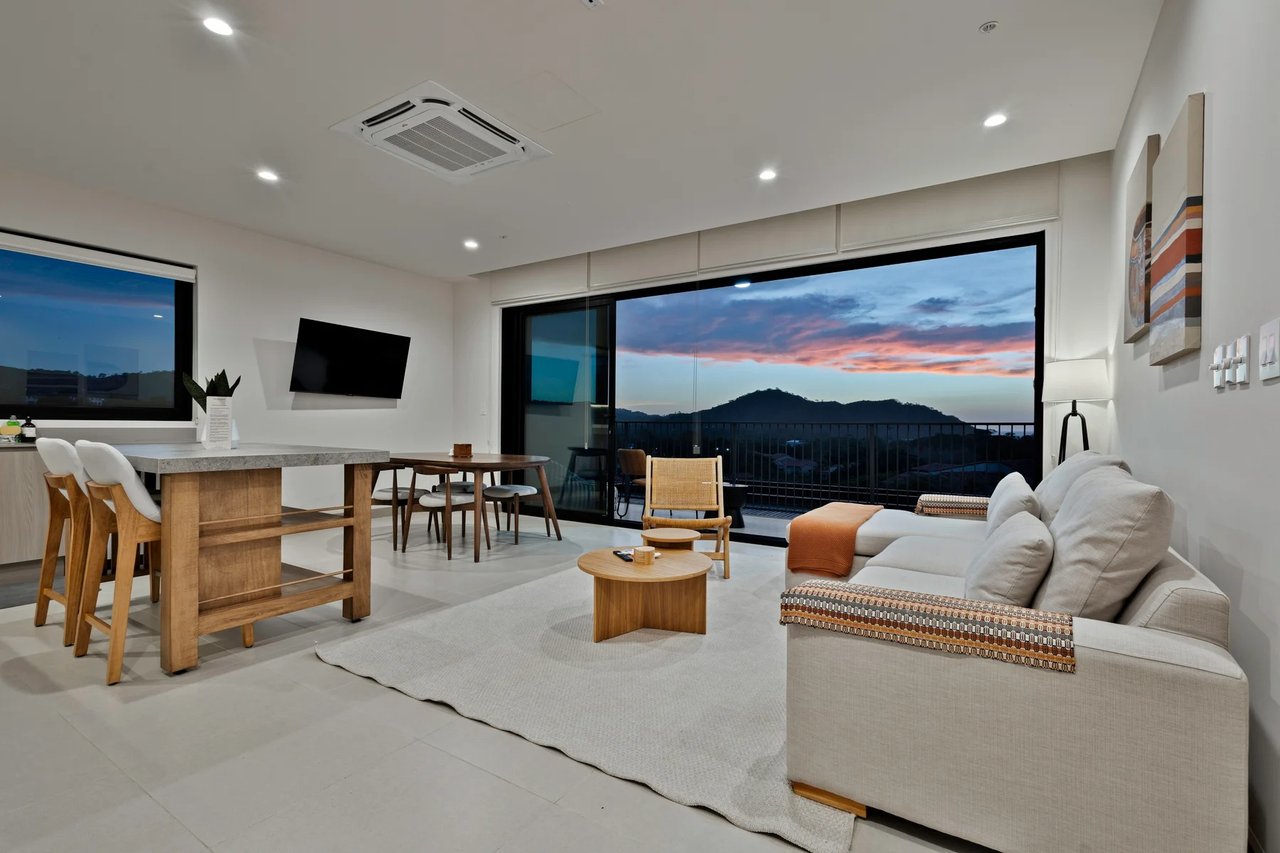
Luxury Ocean View Condo, Unit 522, Pacifico, Playas del Coco, GU 50503, Costa Rica
For Sale
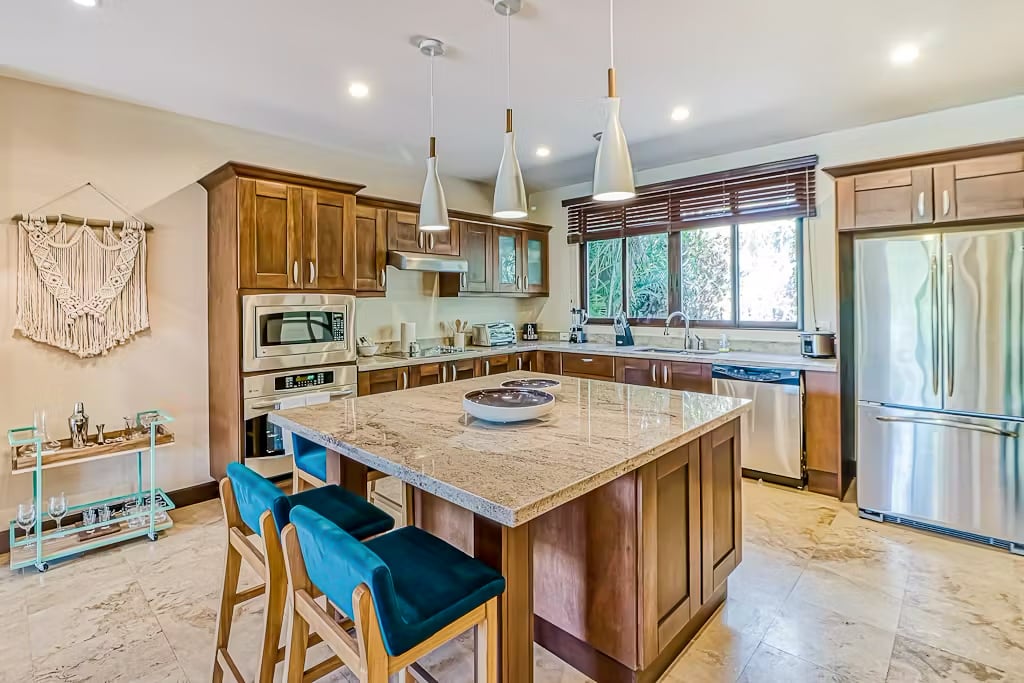
Azul Paraiso 11B, Playa Ocotal, GU 50503, Costa Rica
For Sale
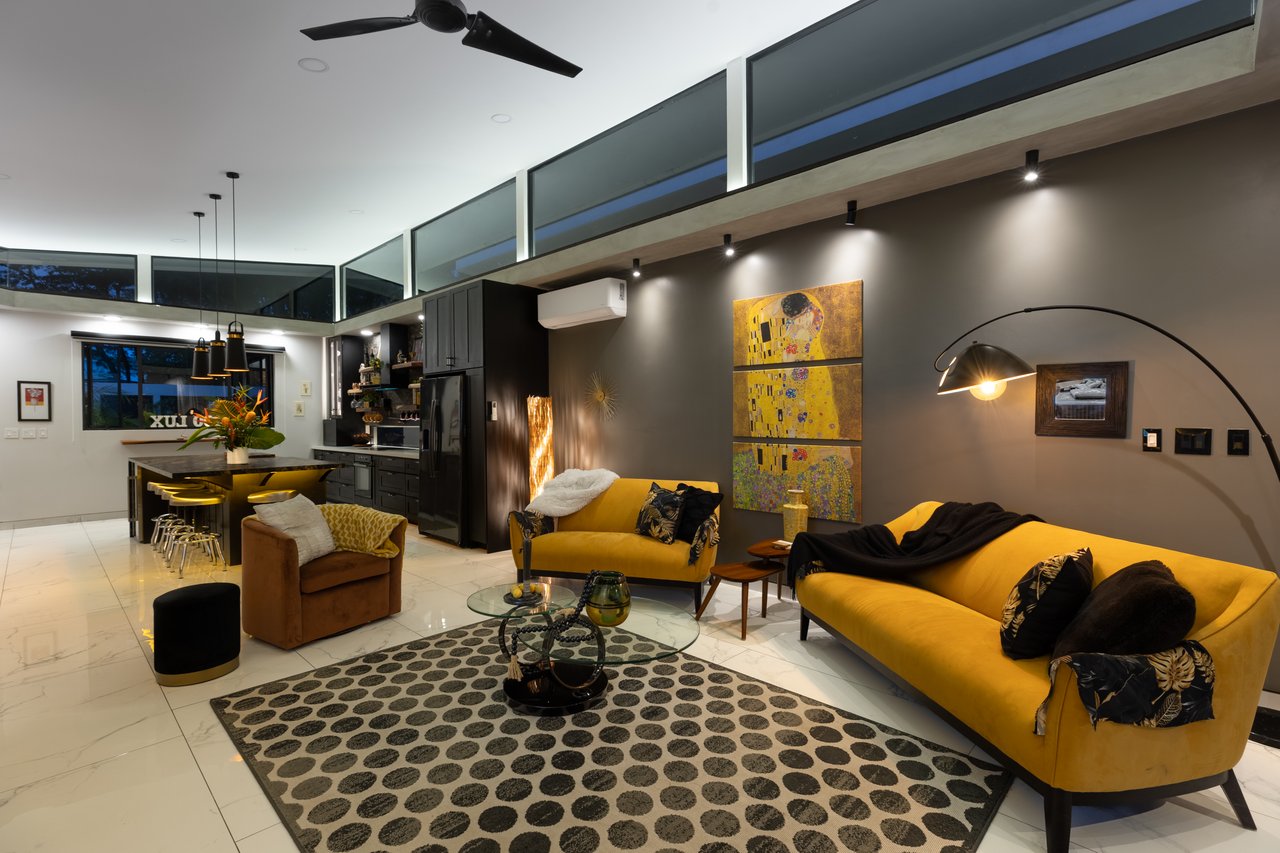
Villa LUX 400, Playas del Coco, GU 50503, Costa Rica
For Sale

Luxury Modern Tropical Home in the Heart of Playas del Coco | Villa LUX 500, Playas del Coco, GU 50503, Costa Rica
Under Contract
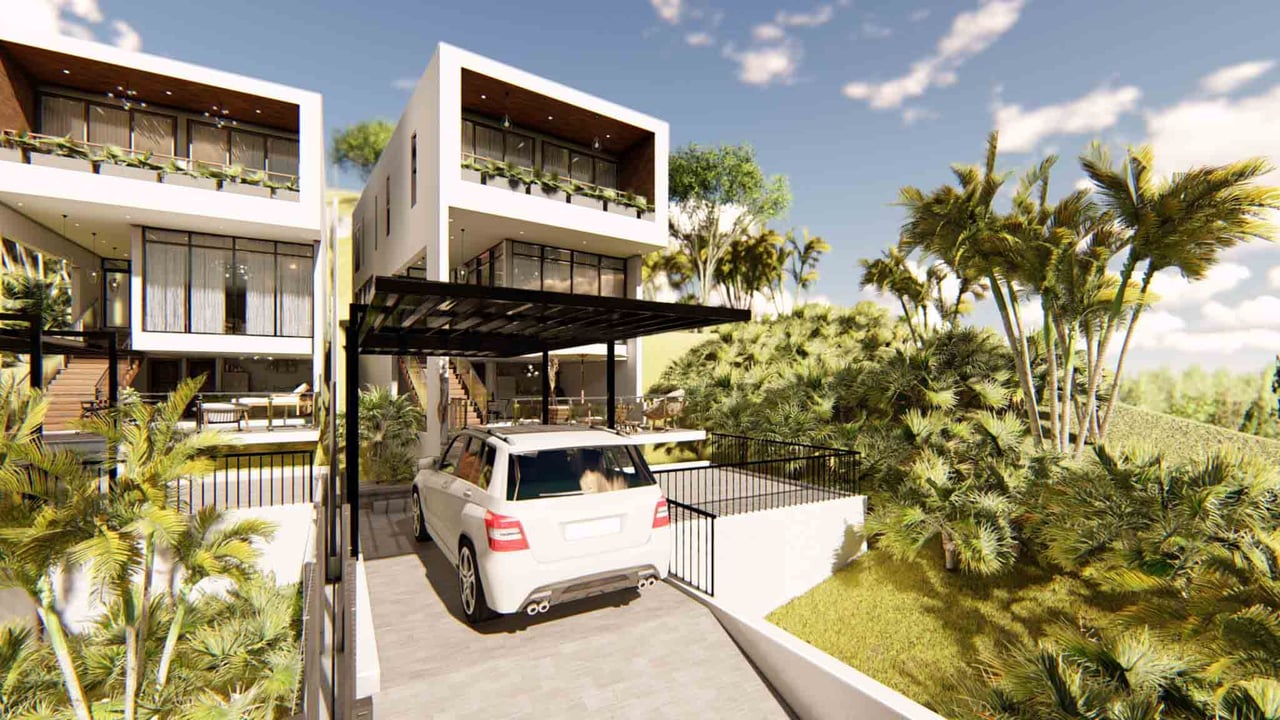
Ocean View TH in Playas del Coco, Playas del Coco, GU 50503, Costa Rica
For Sale

Brand New West Facing Top-Floor Retreat #B408, Azul Paraiso, Playa Ocotal, GU 50503, Costa Rica
For Sale
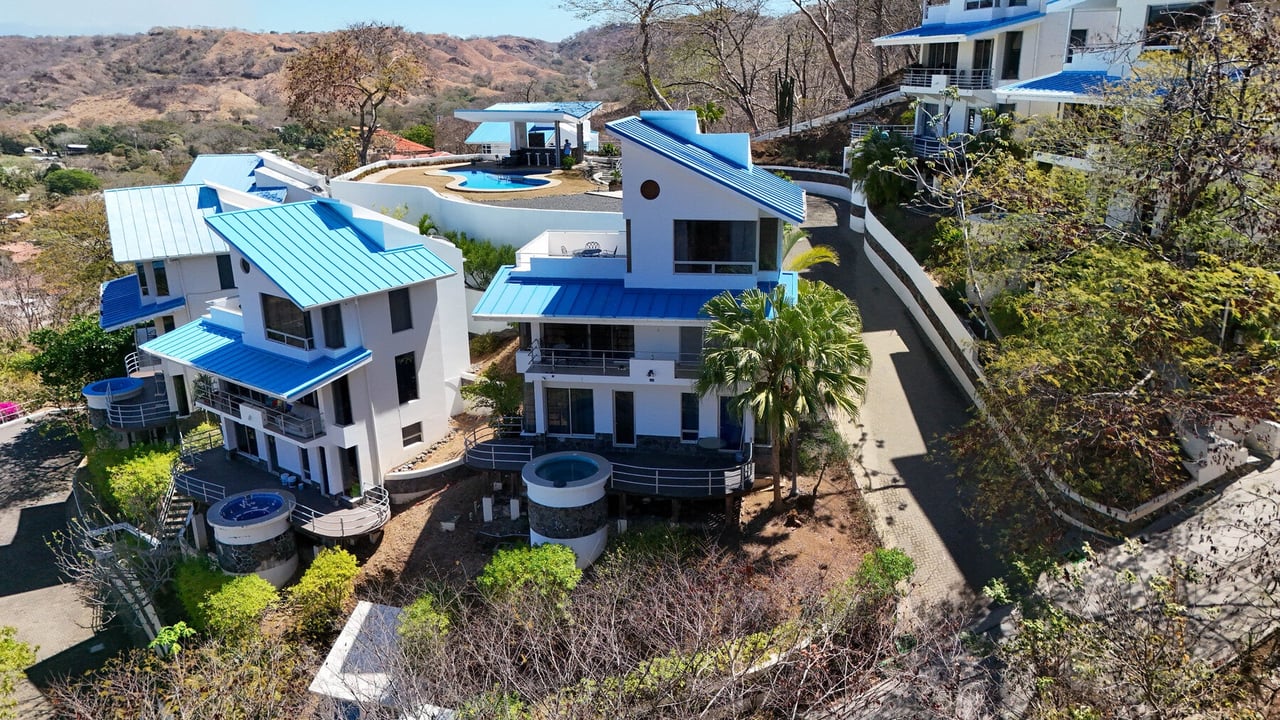
House Of Winds 1, Playas del Coco, GU 50503, Costa Rica
For Sale
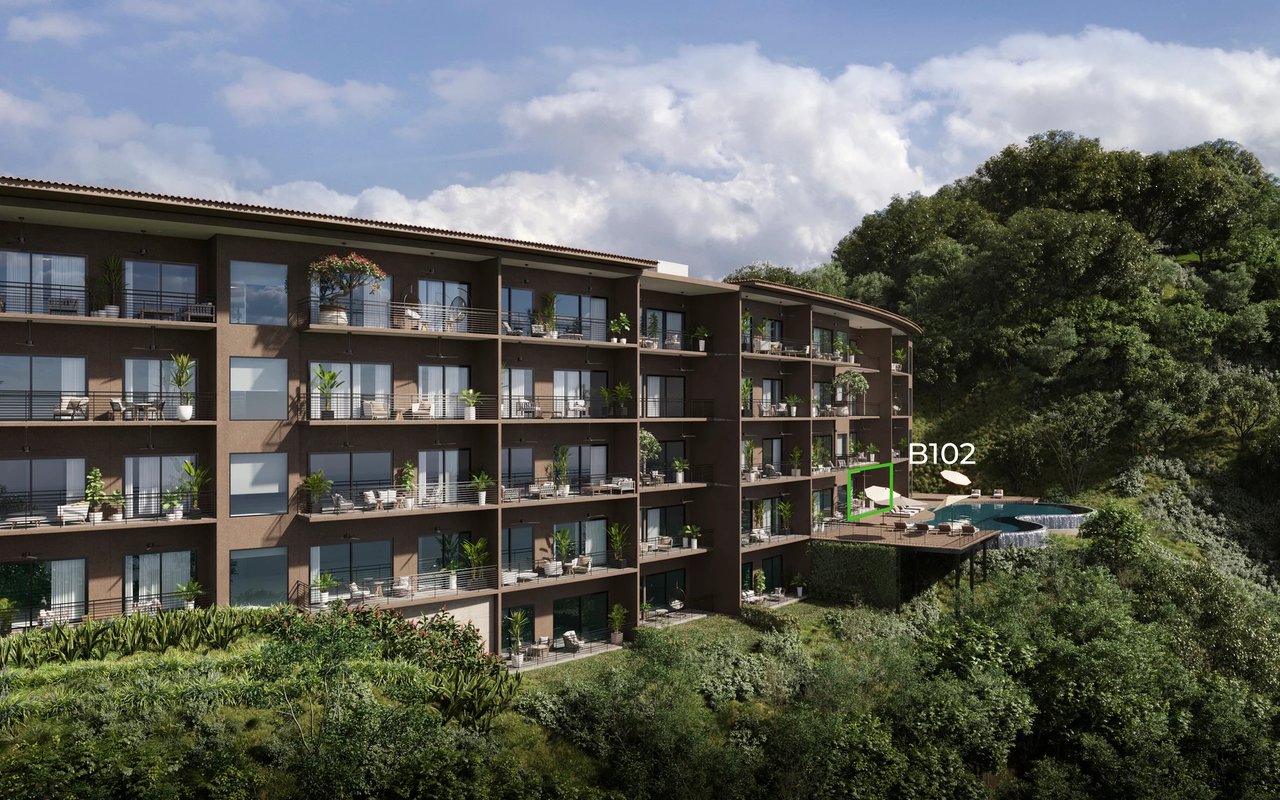
Brand New Pool-Level Oceanfront Condo B102, Azul Paraiso, Playa Ocotal, GU 50503, Costa Rica
For Sale
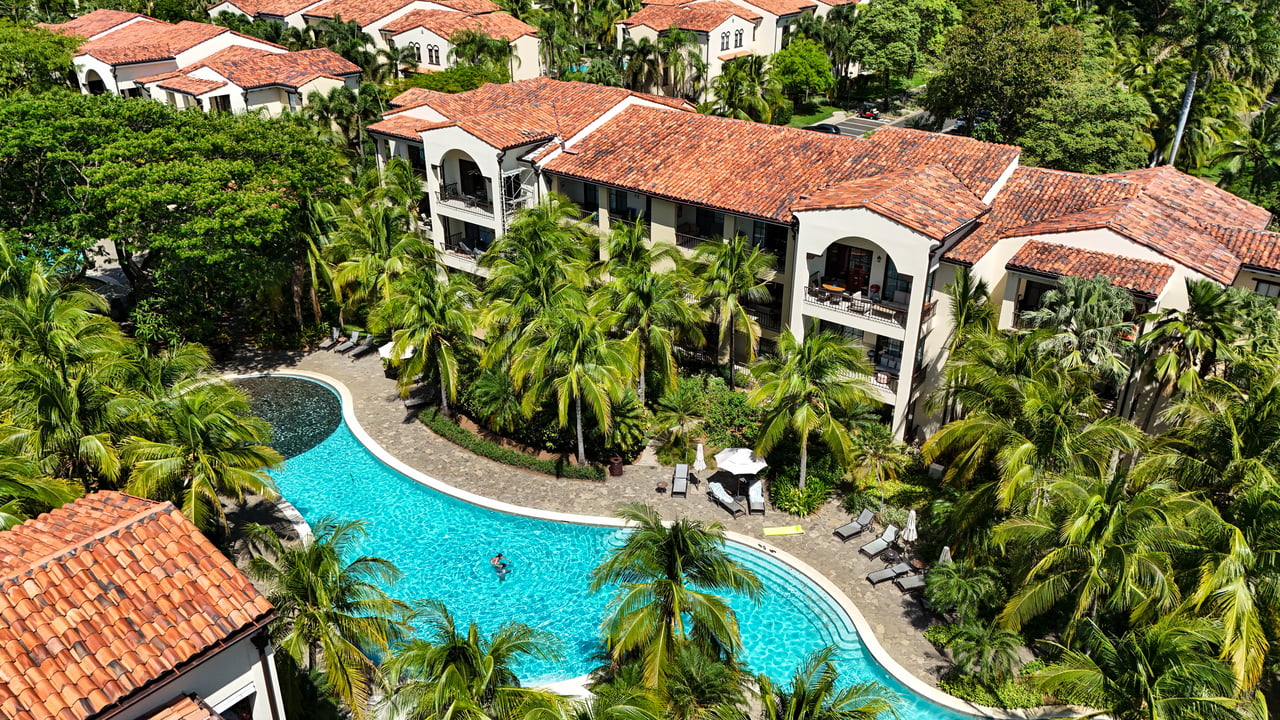
Pacifico L508, Playas del Coco, GU 50503, Costa Rica
For Sale
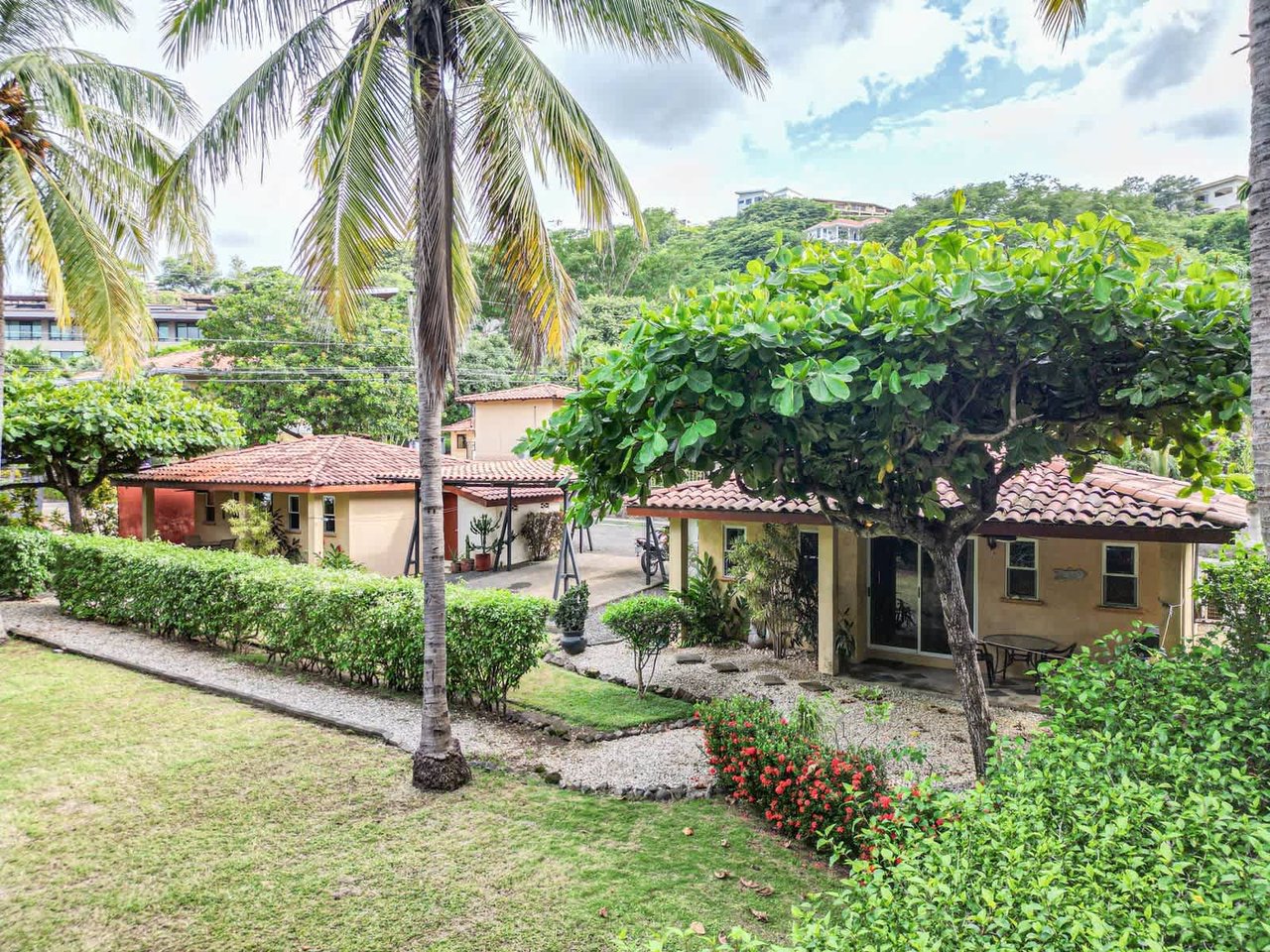
Playa Hermosa Beachside Cozy Cottages, Playa Hermosa, GU 50503, Costa Rica
For Sale
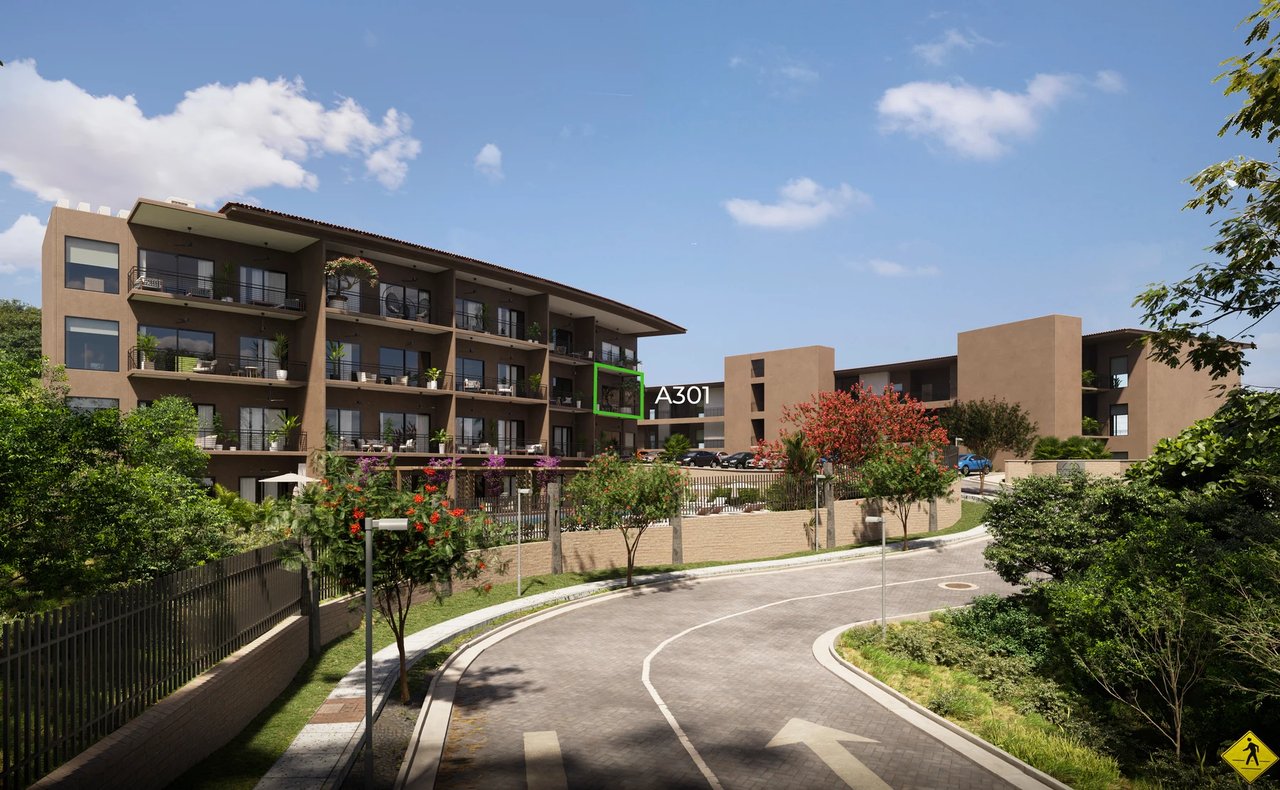
Unit A301 - Type B1, Azul Paraiso, Playa Ocotal, GU 50503, Costa Rica
For Sale
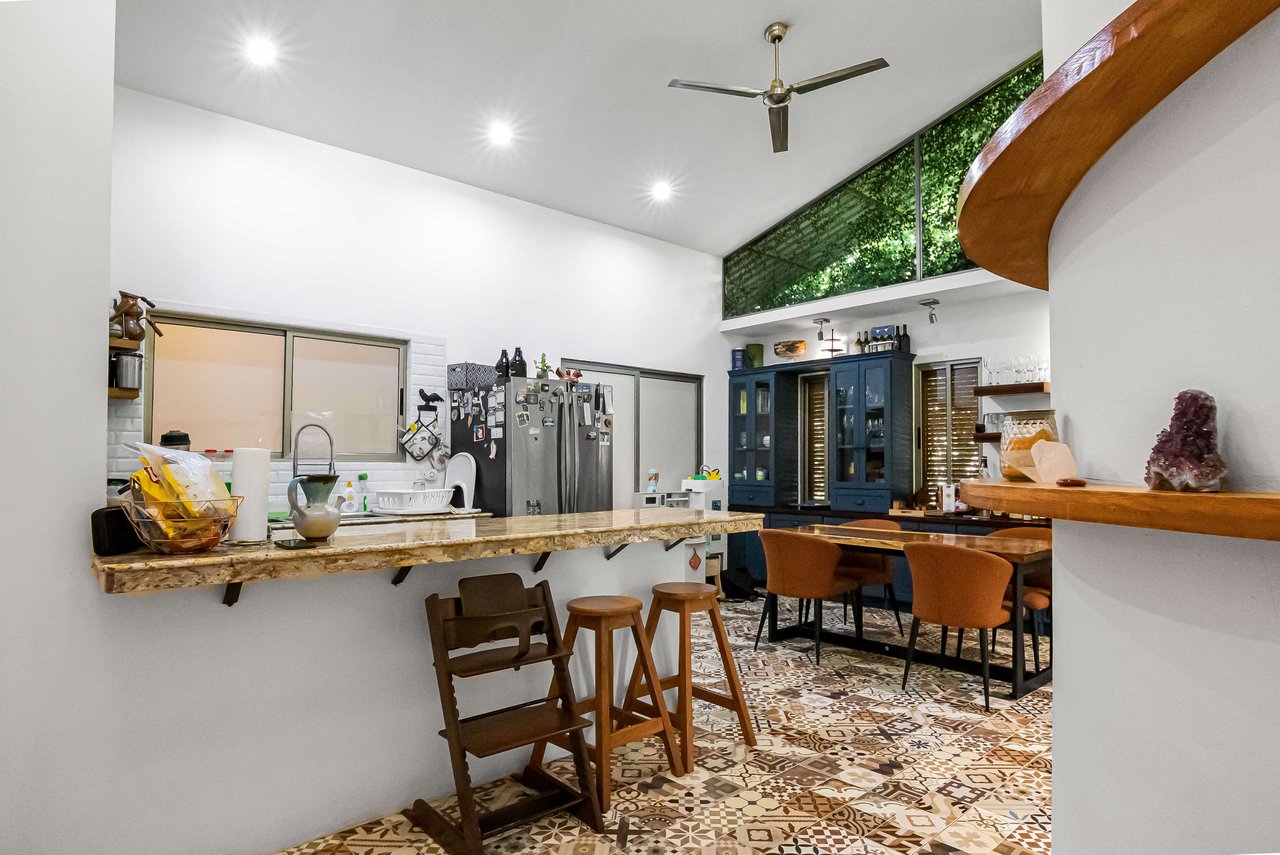
Casa Congos, Casa Congos, Playas del Coco, GU 50503, Costa Rica
For Sale
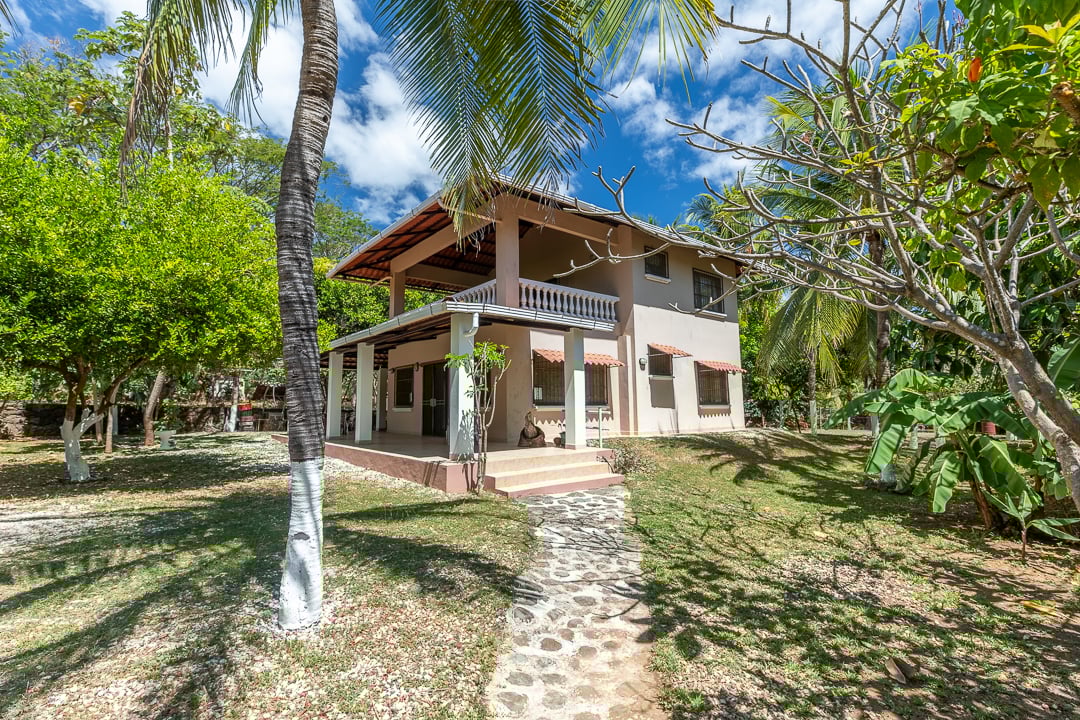
Casa Marlin, Playa Ocotal, GU 50503, Costa Rica
For Sale
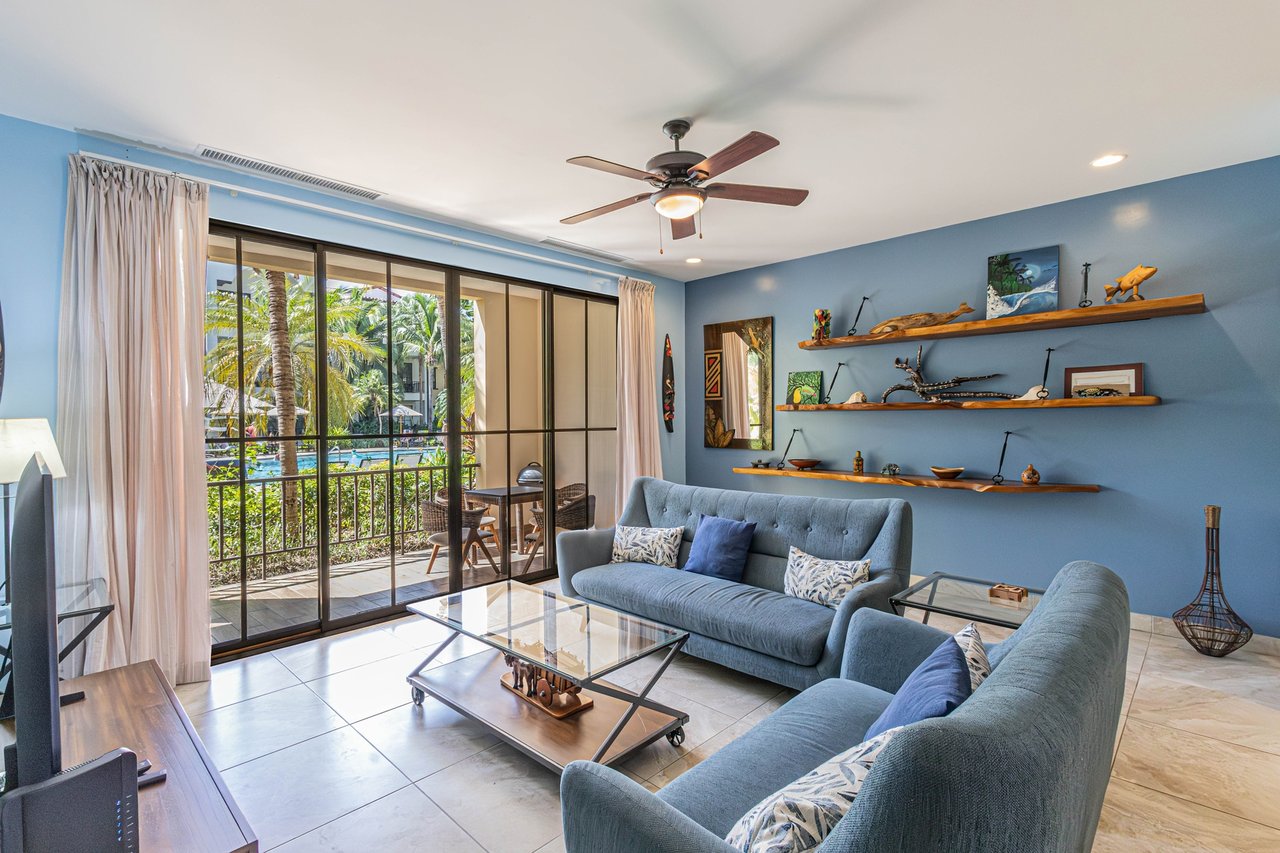
Pacifico L204, Playas del Coco, GU 50503, Costa Rica
For Sale
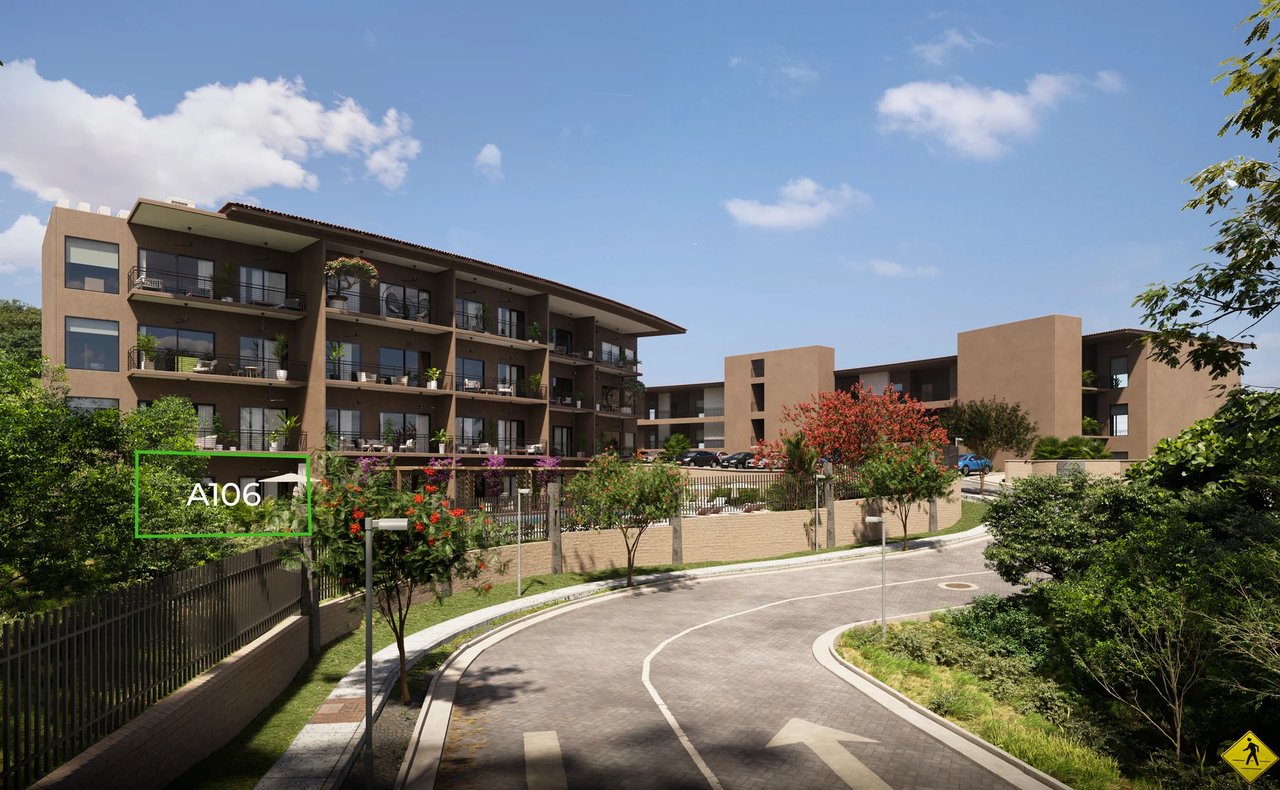
Unit A106 - Type B1, Azul Paraiso, Playa Ocotal, GU 50503, Costa Rica
For Sale
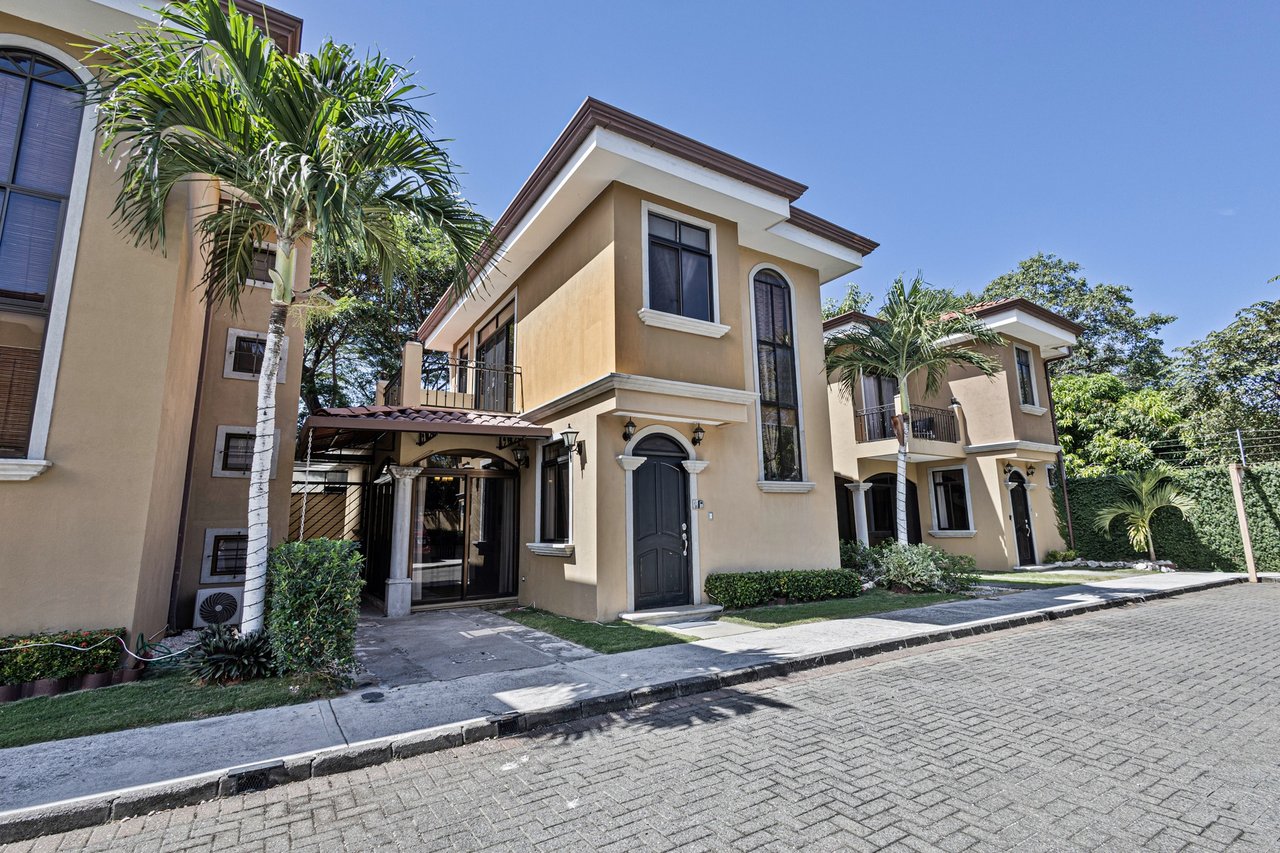
Arrecifes #11, Playas del Coco, GU 50503, Costa Rica
For Sale
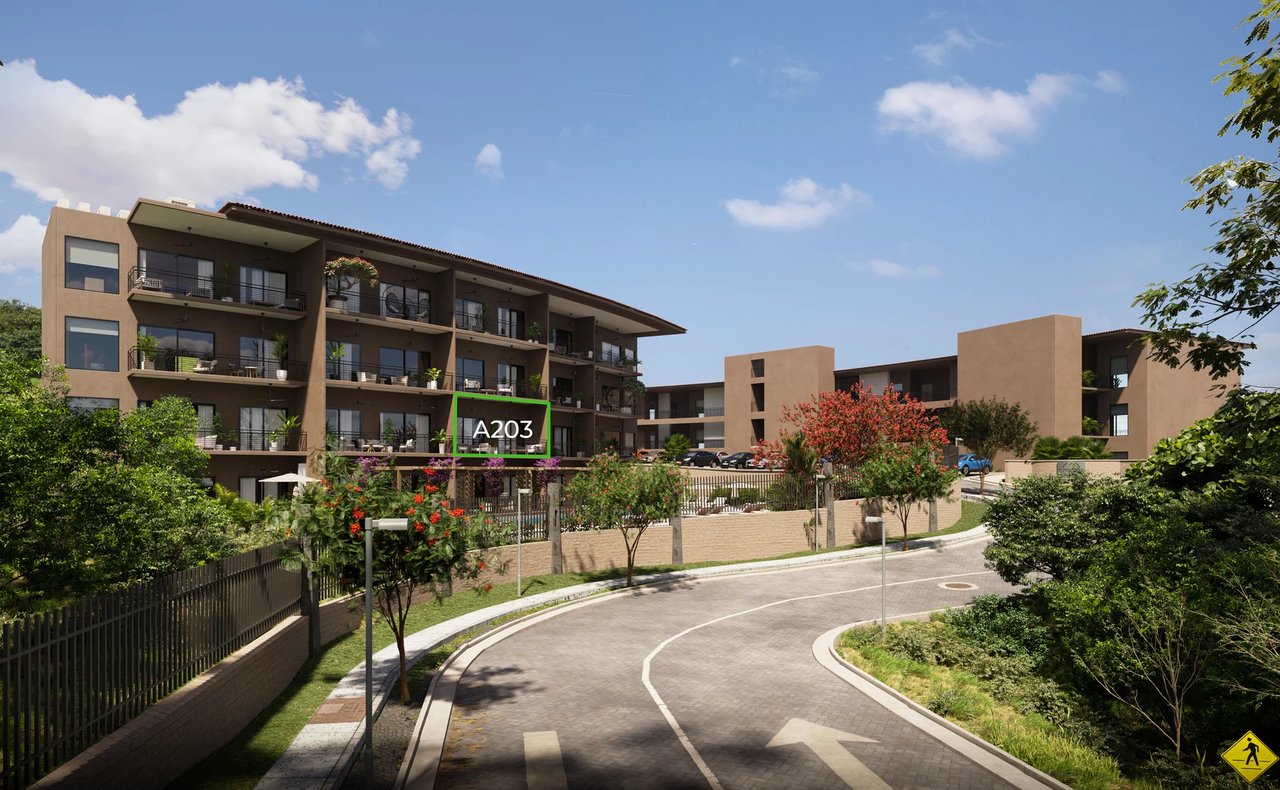
Unit A203 - Type A, Azul Paraiso, Playa Ocotal, GU 50503, Costa Rica
For Sale
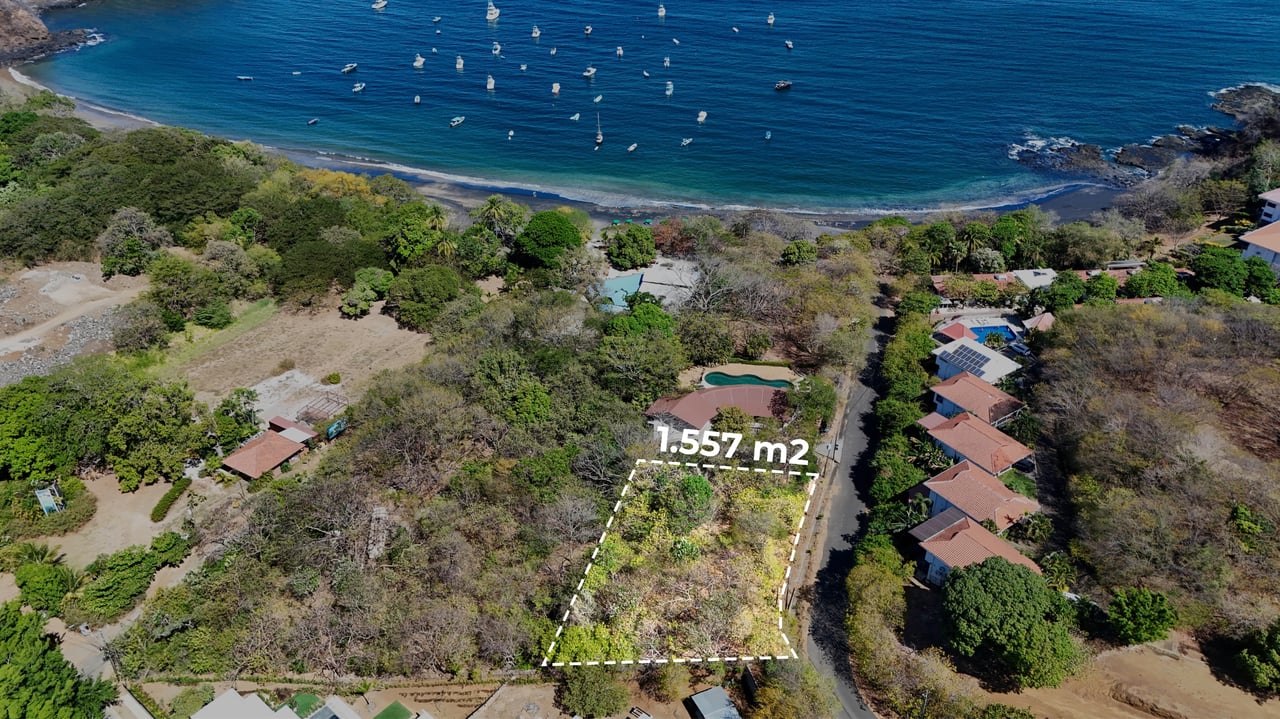
Playa Ocotal Lot, Playa Ocotal, GU 50503, Costa Rica
For Sale
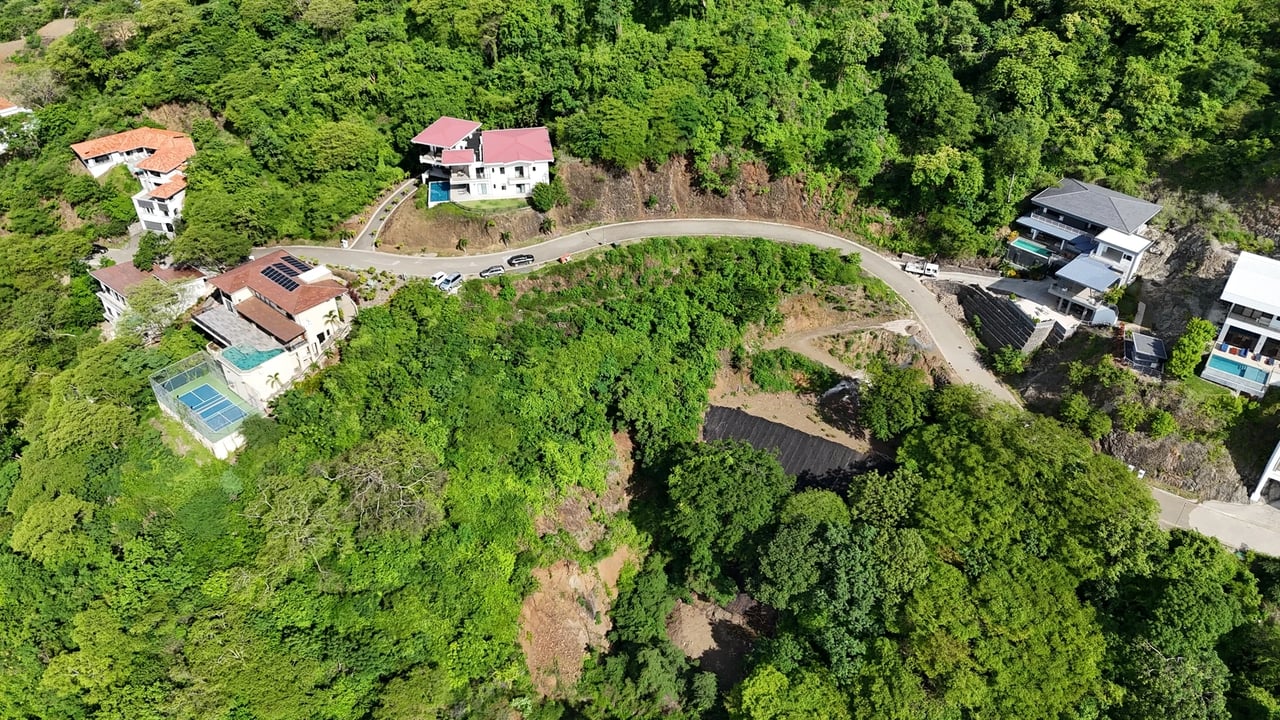
Ocean View Lot #30, Coco Bay, Ocotal, GU 50503, Costa Rica
Stay up to date on the latest trends in real estate.
September 24, 2026
September 17, 2026
September 10, 2026
September 3, 2026
August 27, 2026
August 20, 2026
August 13, 2026
August 6, 2026
August 6, 2026