What Playas del Coco Lifestyle Feels Like in a Week
February 5, 2026
February 5, 2026
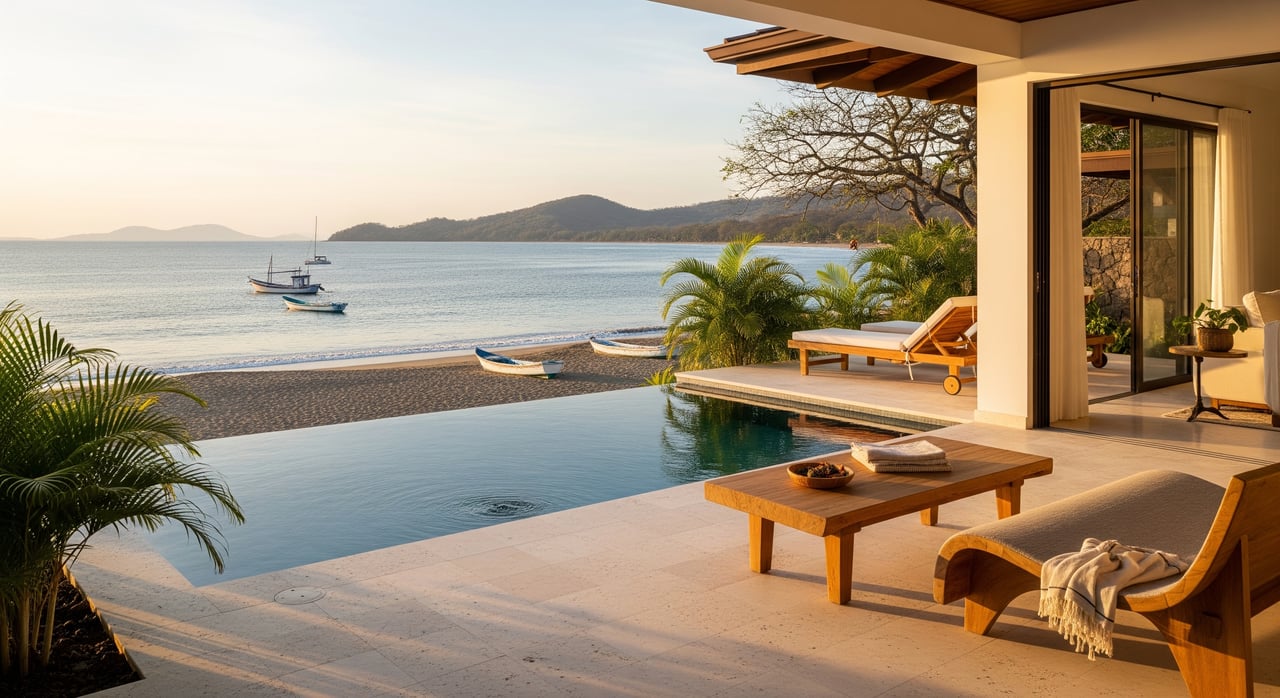
What does a real week in Playas del Coco feel like? Picture sunrise light on the Gulf of Papagayo, coffee on your terrace, and easy access to groceries, clinics, and the beach. If you’re exploring a move, you want more than postcard moments. You need the rhythms, the errands, and the little details that make life work. This guide walks you through a sample week for retirees, remote workers, and families, plus essentials like healthcare, internet, and seasonality. Let’s dive in.
Most days start early. You might walk the beach at sunrise, join a casual yoga or tai chi session, or swim before the sun climbs. Mornings are cooler with coastal breezes, and the streets are calm. During the dry season, skies are clear and days are warm; in rainy season, mornings are often bright with showers more likely later.
Greet the day with a sunrise walk and a stop at a local bakery. After breakfast, join a swim or wellness class, then run errands while shops and clinics are open. Plan a relaxed lunch at a soda and a quiet afternoon reading on your terrace. In the evening, meet neighbors for a simple dinner or potluck.
Get moving early, then settle into a café or home office spot with reliable Wi‑Fi for morning calls. Break for a quick beach walk, then return to focused work blocks. Enjoy a casual lunch and wrap the day with a short snorkeling trip or paddleboard session. After dark, choose between a meet-up, live music, or a quiet night in.
School drop-off or kids’ activities come first, followed by a grocery run and household tasks. Midday, head to the beach for swimming and sandcastle time. Consider a horseback ride or sports practice in the afternoon. End the day with an easy dinner and sunset viewing.
Schedule checkups at local clinics or handle banking mid-morning when offices are open. Many services take a midday break and close earlier than big-city hours, so plan ahead. Enjoy lunch near town, then an afternoon hobby or community class. Make it an early dinner and movie night at home.
Wrap the week with sunset drinks overlooking the bay. Choose from casual Costa Rican fare, seafood, or international cuisine. In high season, town feels livelier, with more live music and later hours. In quieter months, you’ll find a relaxed, friendly pace.
Explore the region with a day trip. You might hike and soak near a volcano at Rincon de la Vieja National Park, take a surf lesson at a nearby break, or head out on a fishing charter. Roads are generally good around main routes, though rural tracks can feel rough, especially during rainy season. Return for a low-key dinner and stargazing.
Start with a slow beach walk, then browse fresh produce or fish from local sellers when available. Volunteer with a community or environmental group, or attend a cultural or religious event. Spend the afternoon by the water with friends. Close the week with a simple home-cooked meal.
You’ll shop at a mix of small supermarkets, local grocers, and produce stands. Many residents stock up once or twice a week and supplement with fresh items between trips. Imported goods are available in limited variety and typically cost more. Fresh fish vendors and seasonal markets add variety to your menu.
For routine and urgent outpatient care, local clinics and private practitioners serve Coco and nearby coastal towns. Larger hospitals and specialized services are in Liberia, with advanced care concentrated in San José. Many international buyers use private insurance or local private plans, and residents who enroll can access Costa Rica’s public system (CCSS).
Within town, you’ll often walk or bike. For groceries, school runs, and errands, many rely on a car, taxis, or local buses. Regional buses and shuttles connect Coco with Liberia and neighboring beaches. Main coastal roads are paved, while some rural and inland routes can be rough, especially during heavy rains.
Internet is available through fiber and wireless providers, with speeds and reliability varying by exact location and provider. Remote workers often choose accommodations or cafés known for strong connections and may keep mobile hotspots as backup. Utilities are established, though occasional power or water outages can happen, so some homes use generators or storage tanks.
ATMs and bank branches are available in major towns, typically open on weekday mornings. You’ll find legal and professional support in the region, including notaries and immigration attorneys. When purchasing property or pursuing residency, most expats work with experienced local professionals.
In the dry-season high months, Coco is livelier, with extended hours and fuller restaurants. You’ll feel an upbeat social scene, especially around sunset. In the rainy-season low months, you can expect a quieter town, green hillsides, and some businesses on reduced hours. Plan activities around weather windows, and enjoy uncrowded beaches.
Playas del Coco is generally considered safe compared with many international tourist towns. Like any coastal destination, petty theft can occur. Use common-sense habits: lock doors, avoid leaving valuables on the beach, and choose well-lit routes at night. Local police and emergency services operate in town, while serious medical cases go to hospitals in larger cities.
Yes. Many residents enjoy Coco full-time thanks to beach access, local services, and proximity to Liberia and its international airport. If you prefer very quiet, low-density living, you might also explore smaller nearby beaches. Seasonal owners often align visits with dry-season months, then return for green-season escapes.
Day-to-day items and local services can be more affordable than in North America or Europe. Imported goods, prime-location housing, and private medical care tend to cost more. Your budget will vary by lifestyle, home type, and how often you dine out or travel. Many newcomers try a rental first, then buy after due diligence on title, zoning, and utilities.
If life in Coco sounds like your pace, it helps to explore with a specialist who understands both the lifestyle and the transaction. From curated inventory and pocket opportunities to concierge support for cross-border buyers, you can make confident decisions with the right partner. Connect with the local Papagayo team at 2 Costa Rica Papagayo to receive exclusive off-market listings.
Explore our exclusive listings.
For Sale
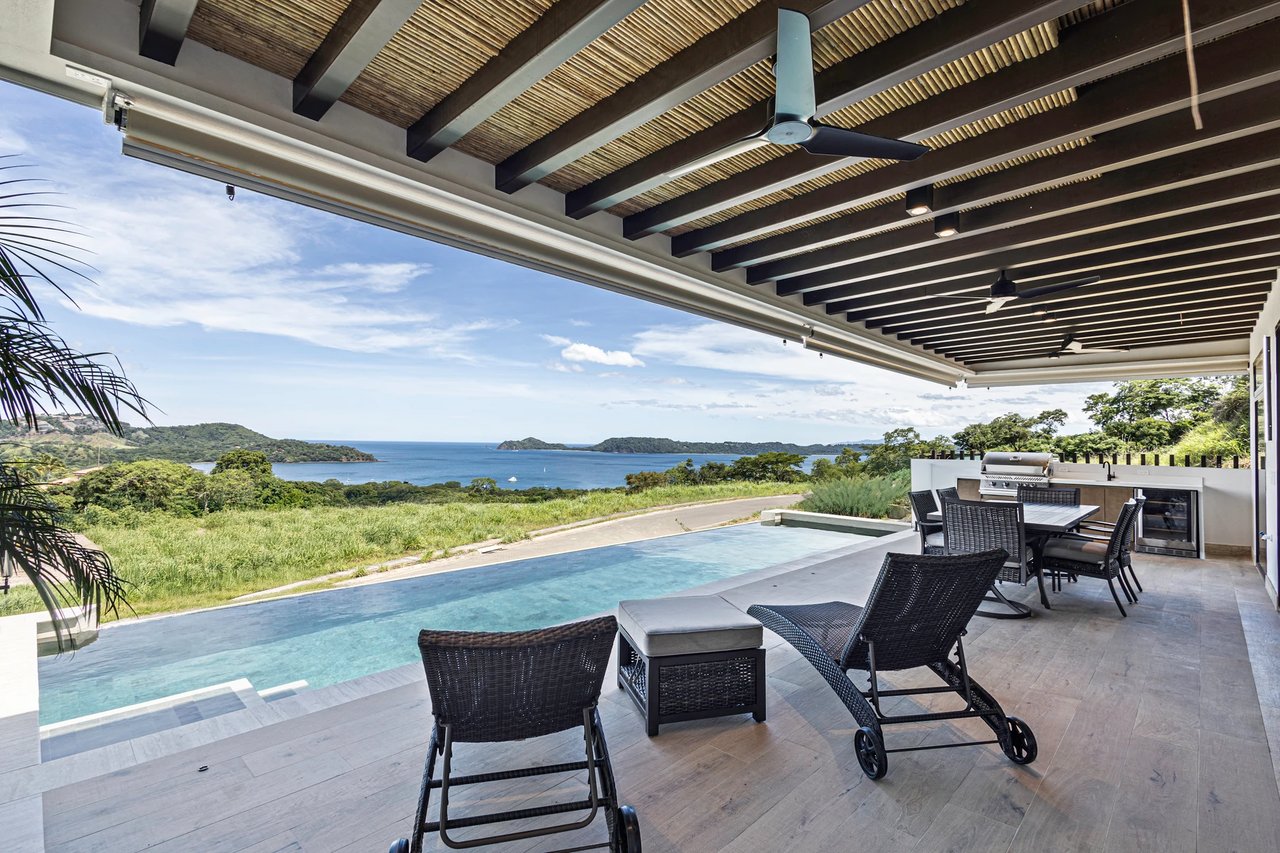
Casa Del Ray, Lot 12B, Hacienda Del Mar, Playa Panama, GU 50503, Costa Rica
For Sale
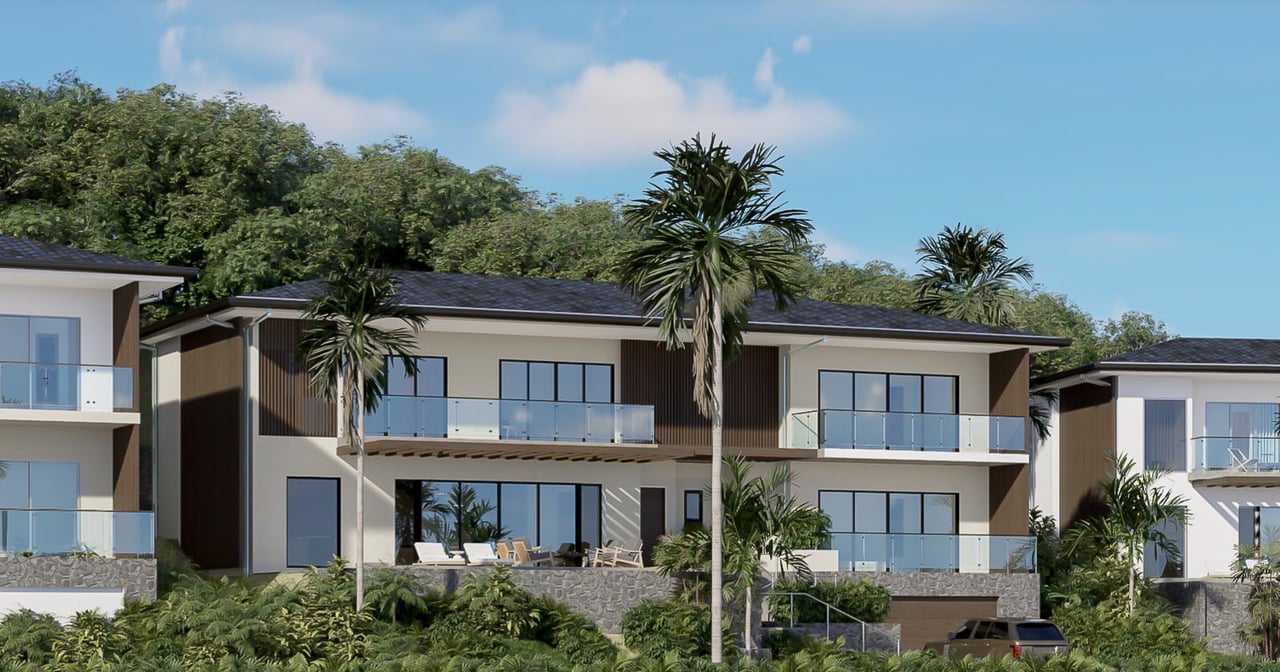
Lot 12B, Hacienda Del Mar, Playa Panama, GU 50503, Costa Rica
For Sale
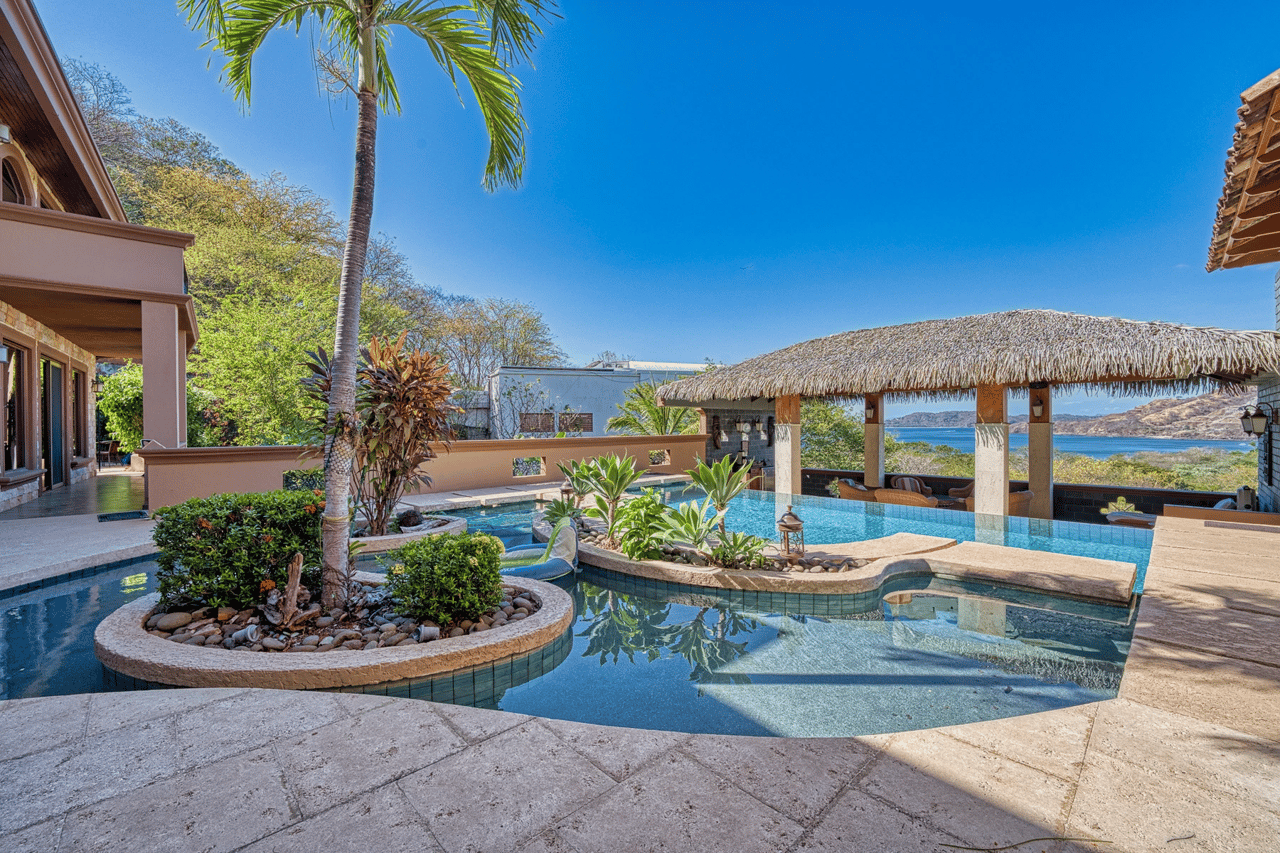
Ocean View Hermosa Montaña, Playa Hermosa, GU 50503, Costa Rica
For Sale
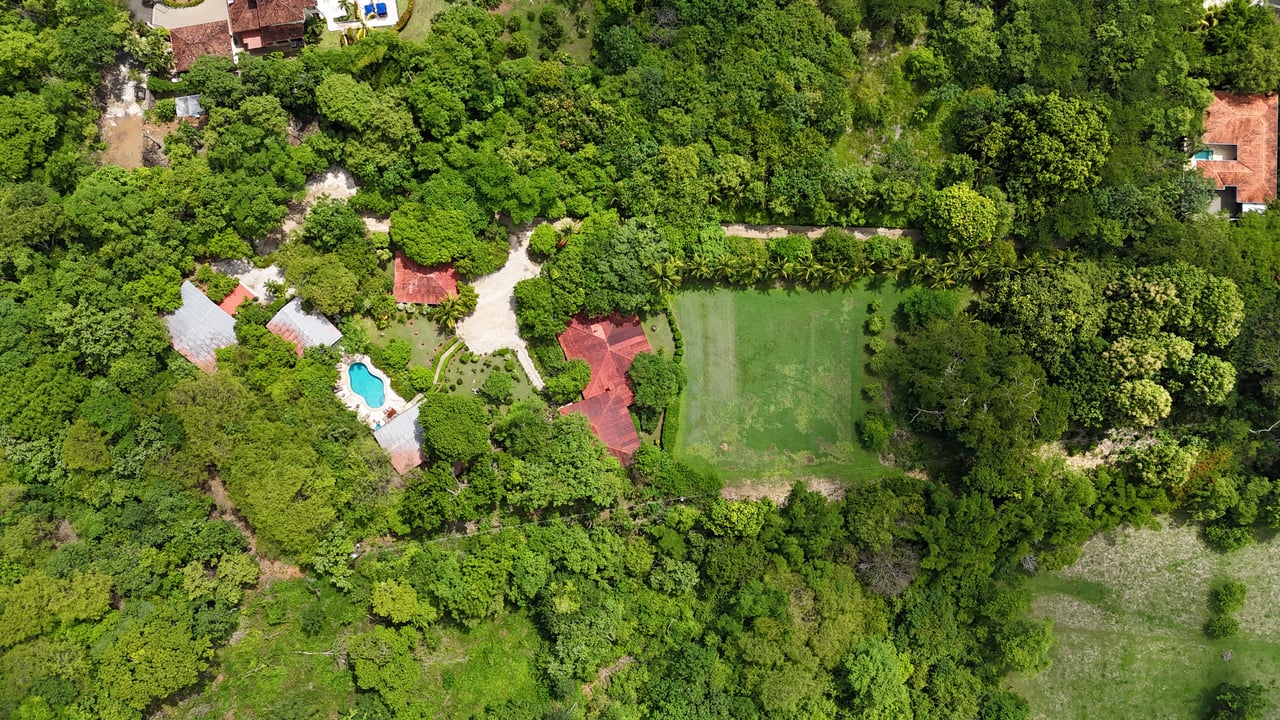
Rancho Armadillo, Monte Seco, Ocean Views, Playas del Coco, GU 50503, Costa Rica
For Sale
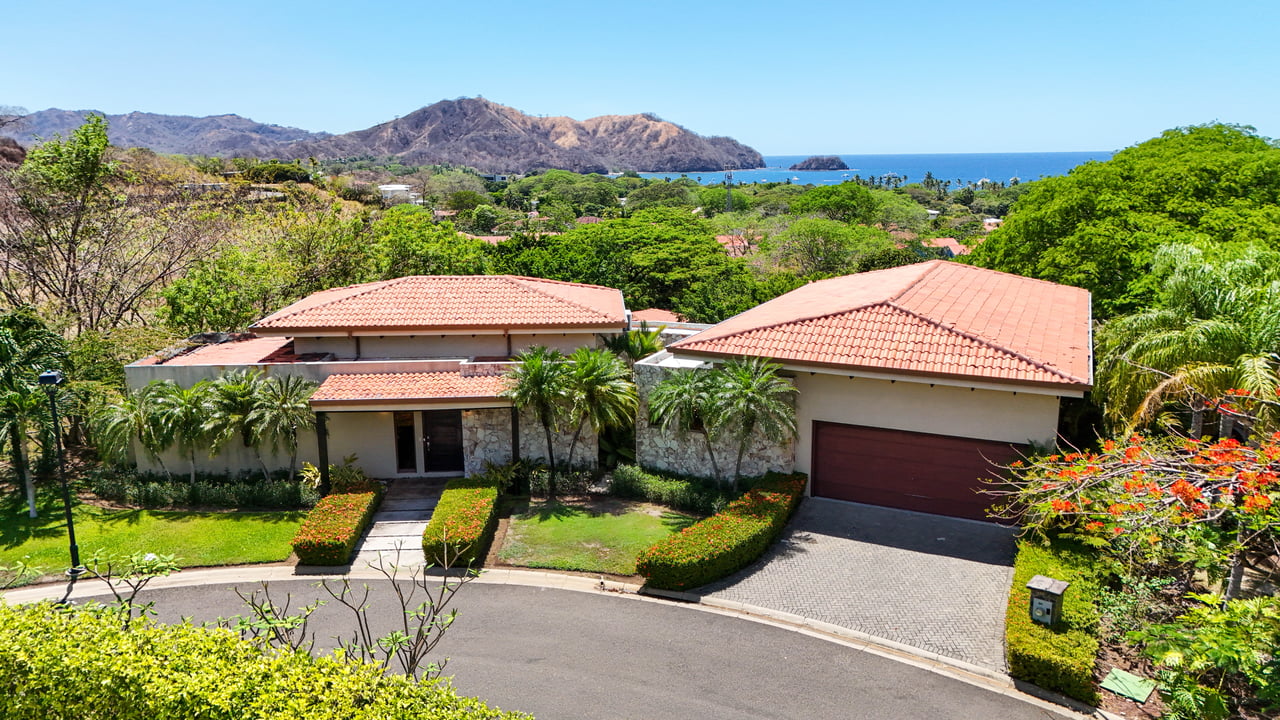
Ocean View Villa 80, Pacifico, Playas del Coco, GU 50503, Costa Rica
For Sale
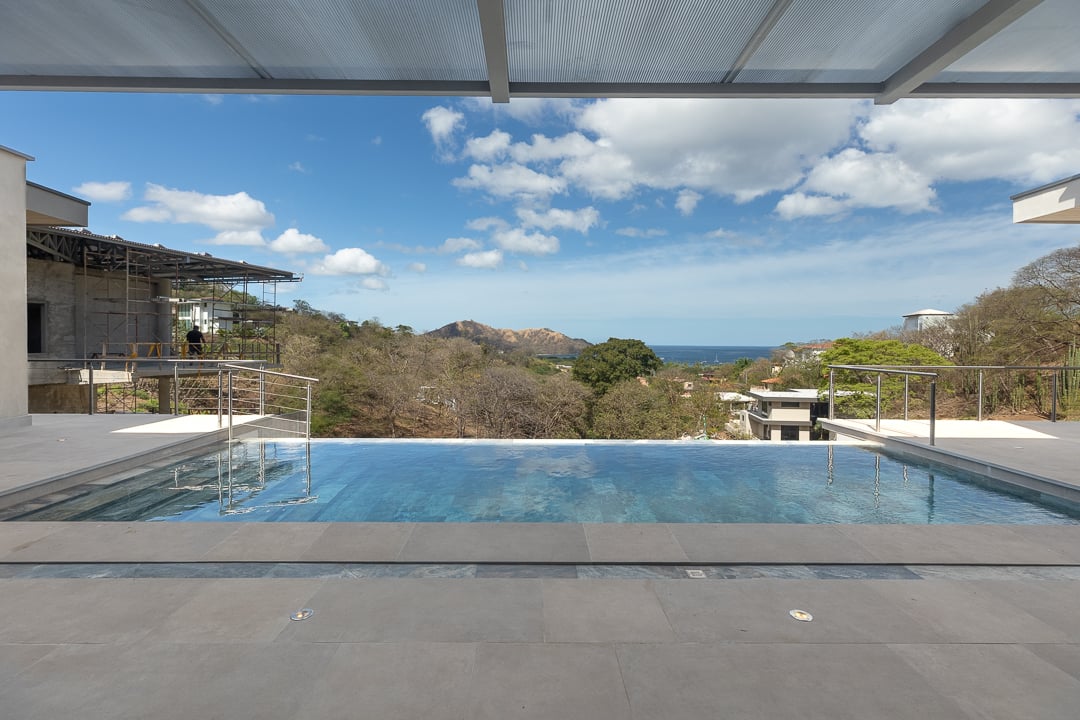
Oceanview Home, Lot 42, Pacifico, Playas del Coco, GU 50503, Costa Rica
For Sale
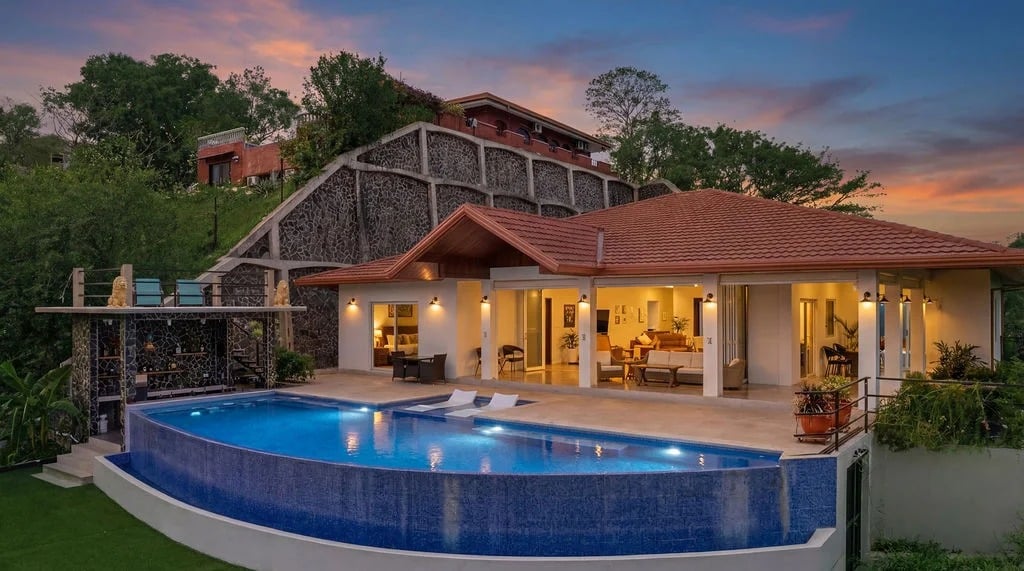
Ocean View Villa Isabella, Clara Hermosa 4, Playas del Coco, GU 50503, Costa Rica
For Sale
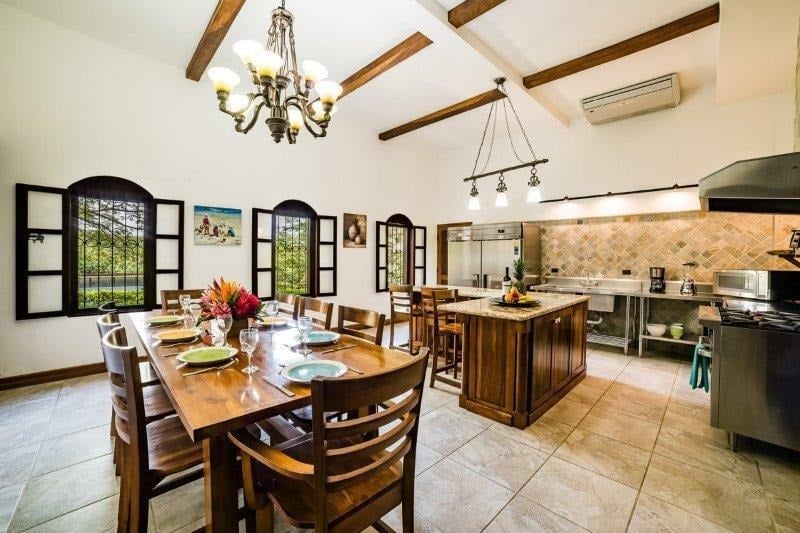
Casa Toscana, Lot 134, Pacifico, Playas del Coco, GU 50503, Costa Rica
For Sale
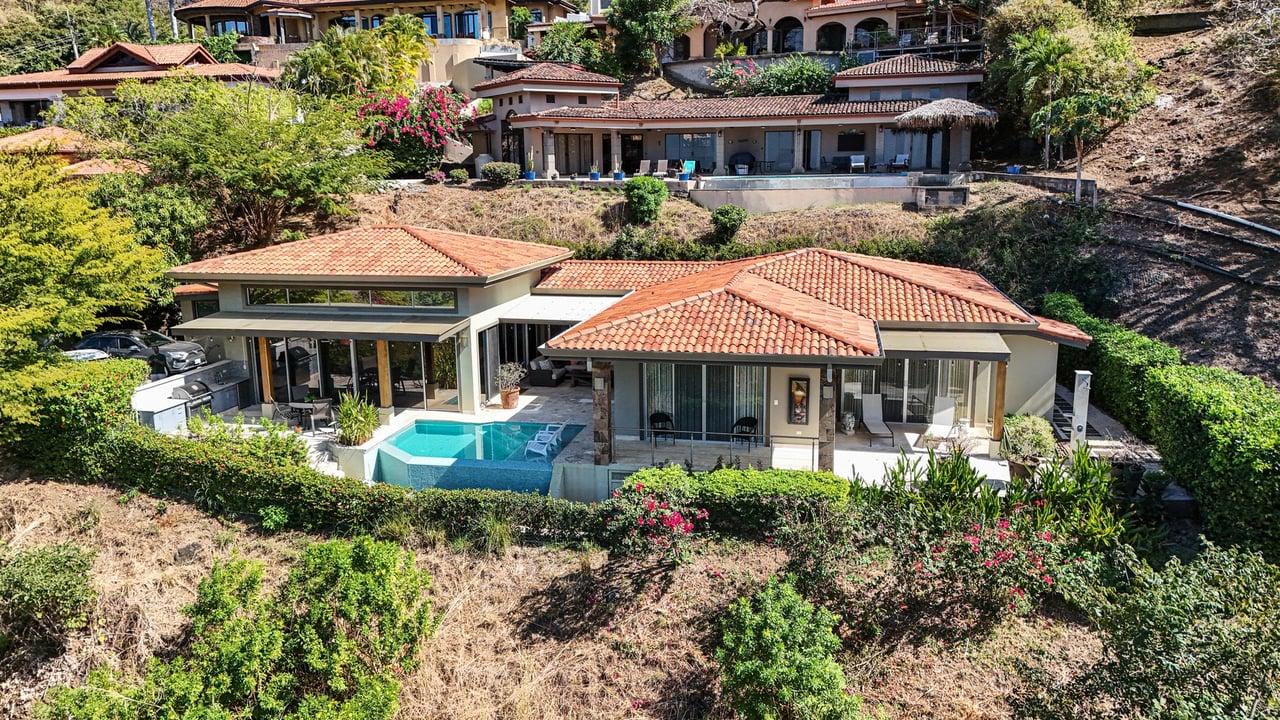
Ocean View Casa De Encanto, Hermosa Heights, Playa Hermosa, GU 50503, Costa Rica
For Sale
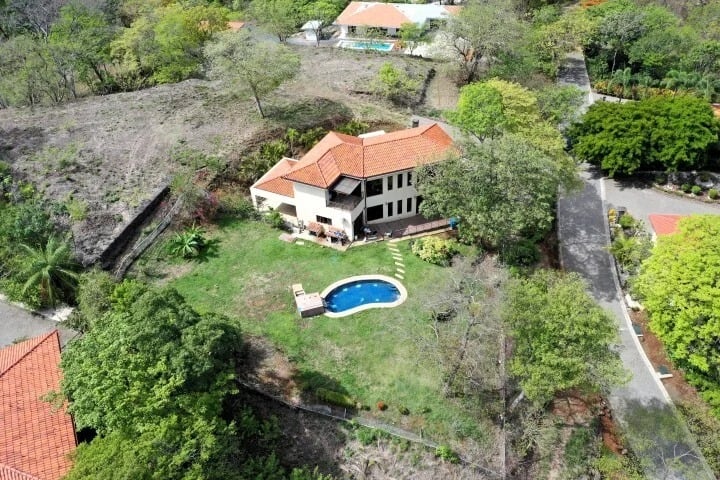
Ocean View Villa #25, Monte Vista, Ladera del Mar, Playas del Coco, GU 50503, Costa Rica
For Sale
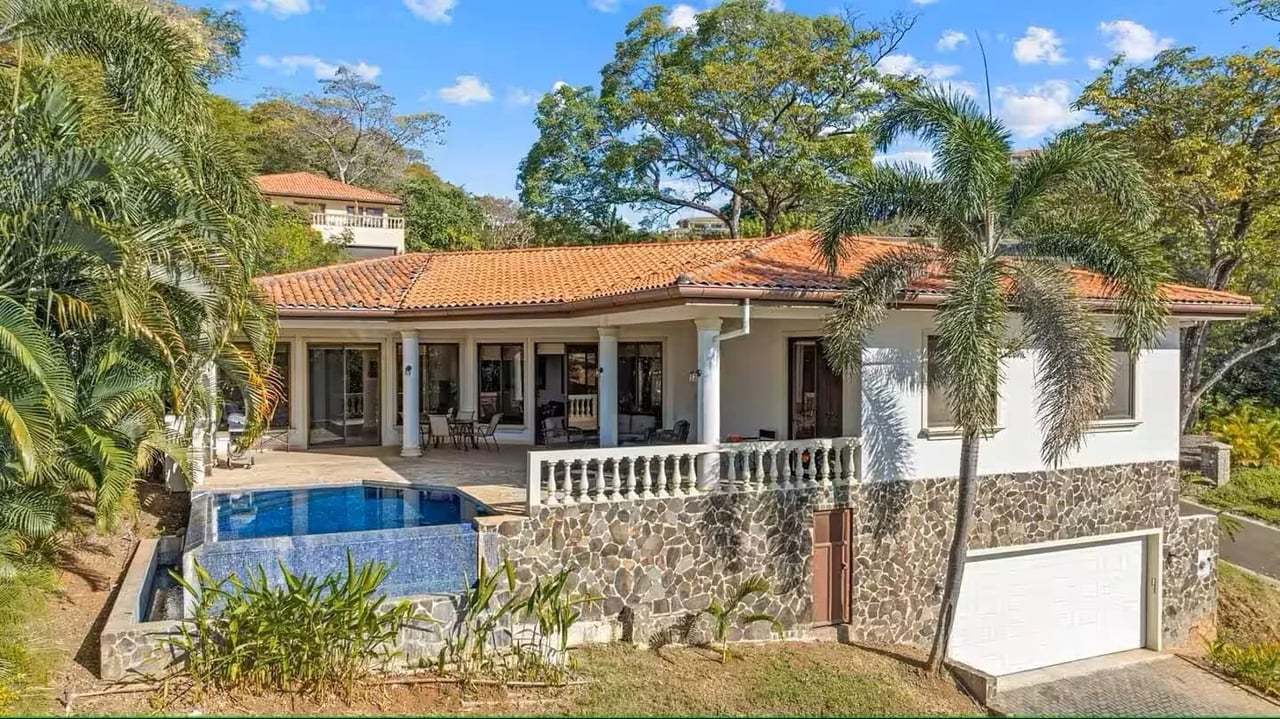
Casa Serena, Lot 89, Pacifico, Playas del Coco, GU 50503, Costa Rica
For Sale
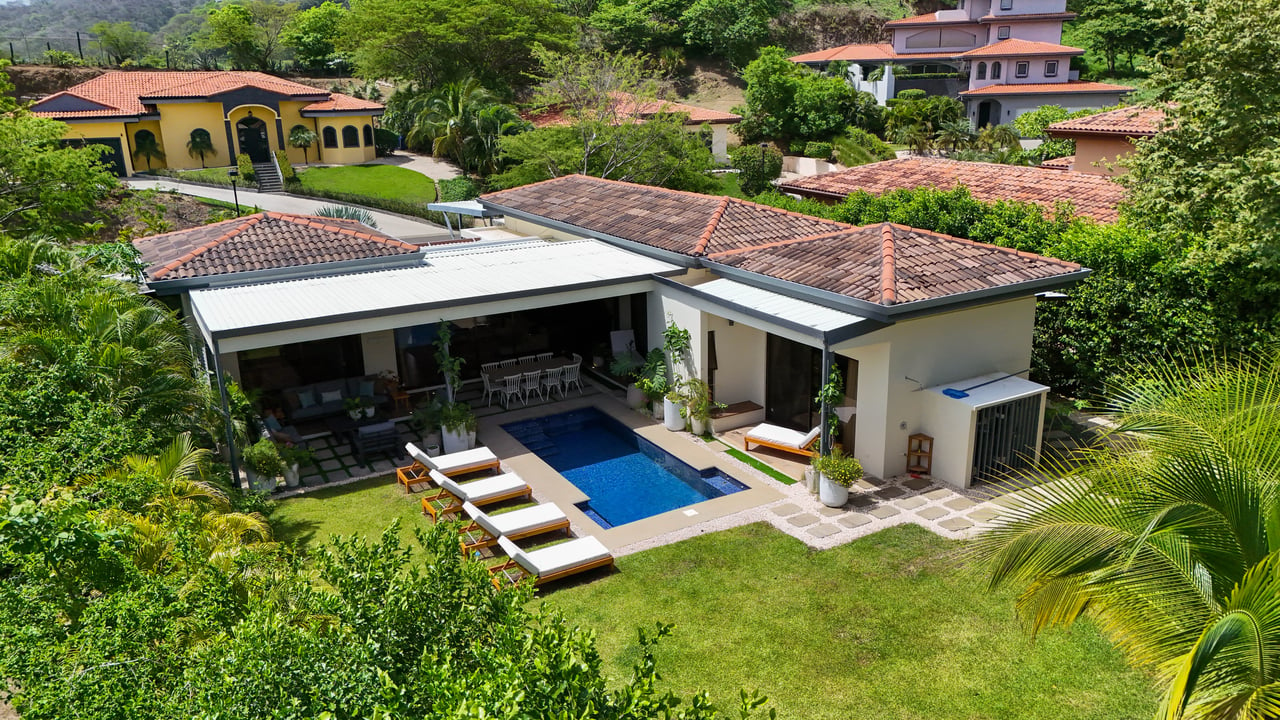
Casa Sanctuary, Pacifico, Playas del Coco, GU 50503, Costa Rica
For Sale
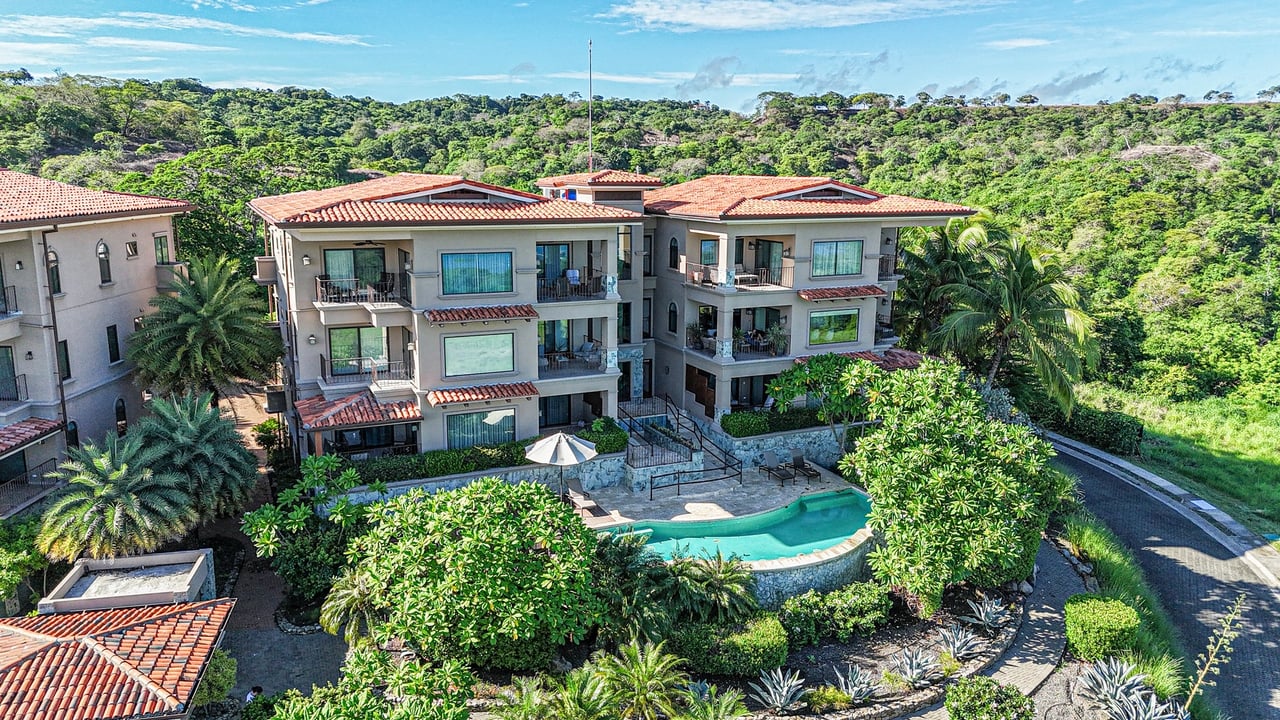
Ocean View Jaguar Village A1, Playa Panama, GU 50508, Costa Rica
For Sale
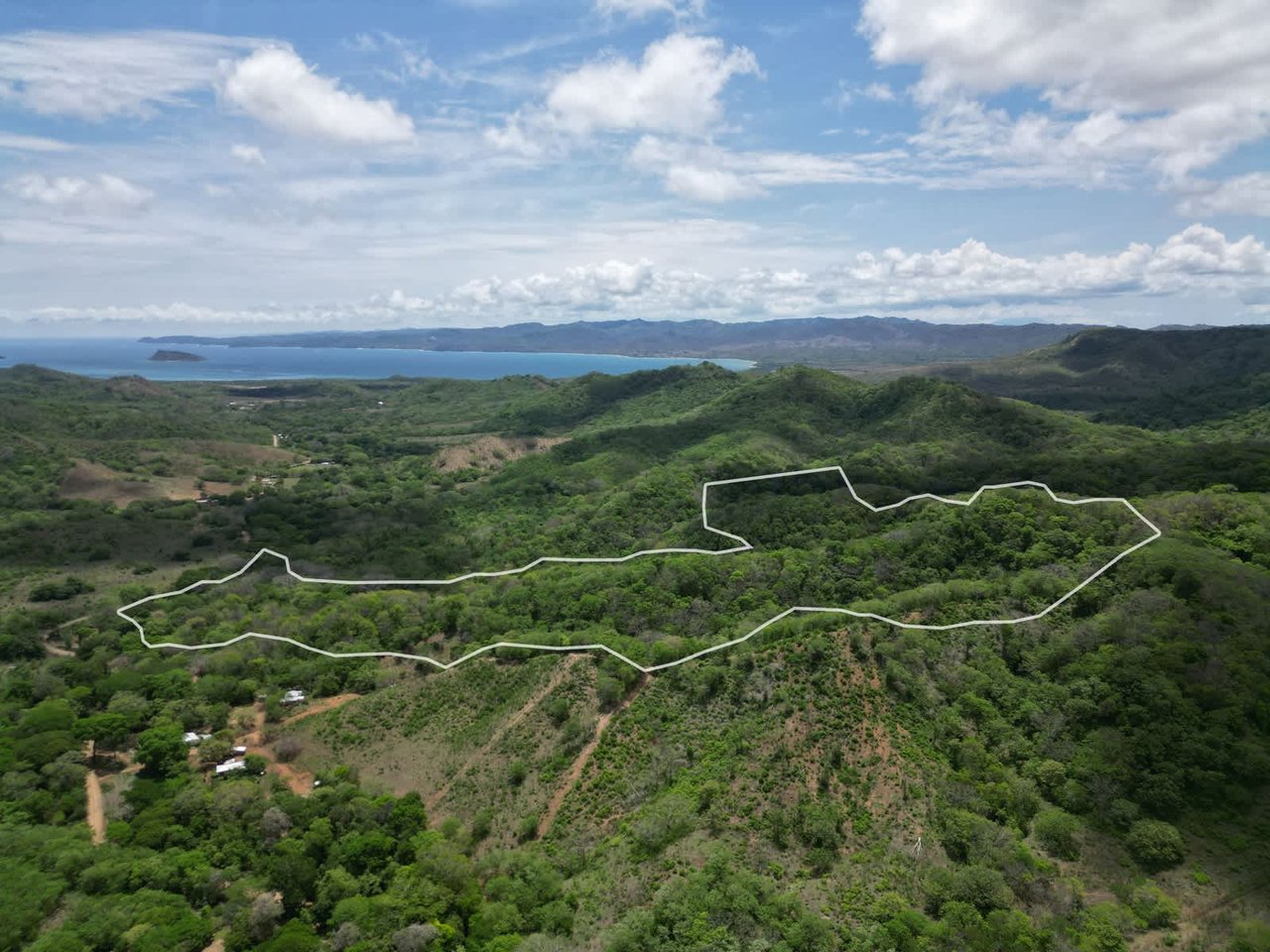
Finca Los Tamarindos, La Cruz, GU 50503, Costa Rica
For Sale
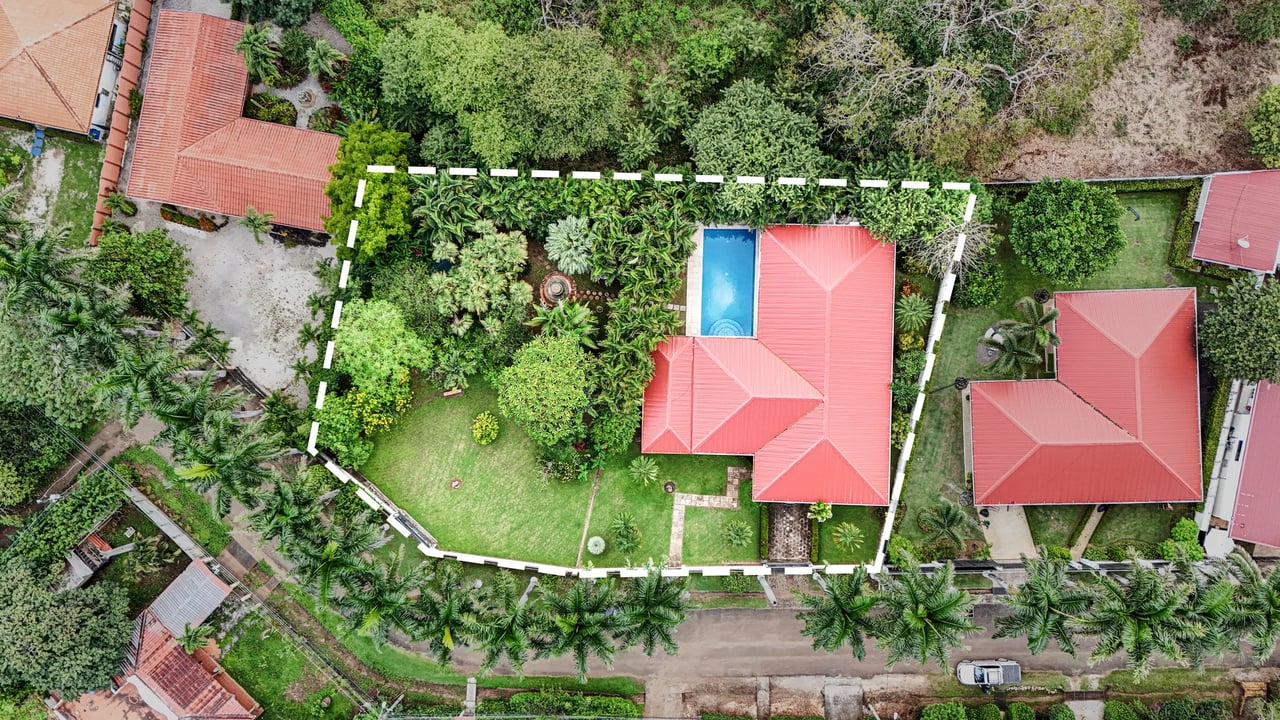
Casa Idea Verde, Playas del Coco, GU 50503, Costa Rica
For Sale
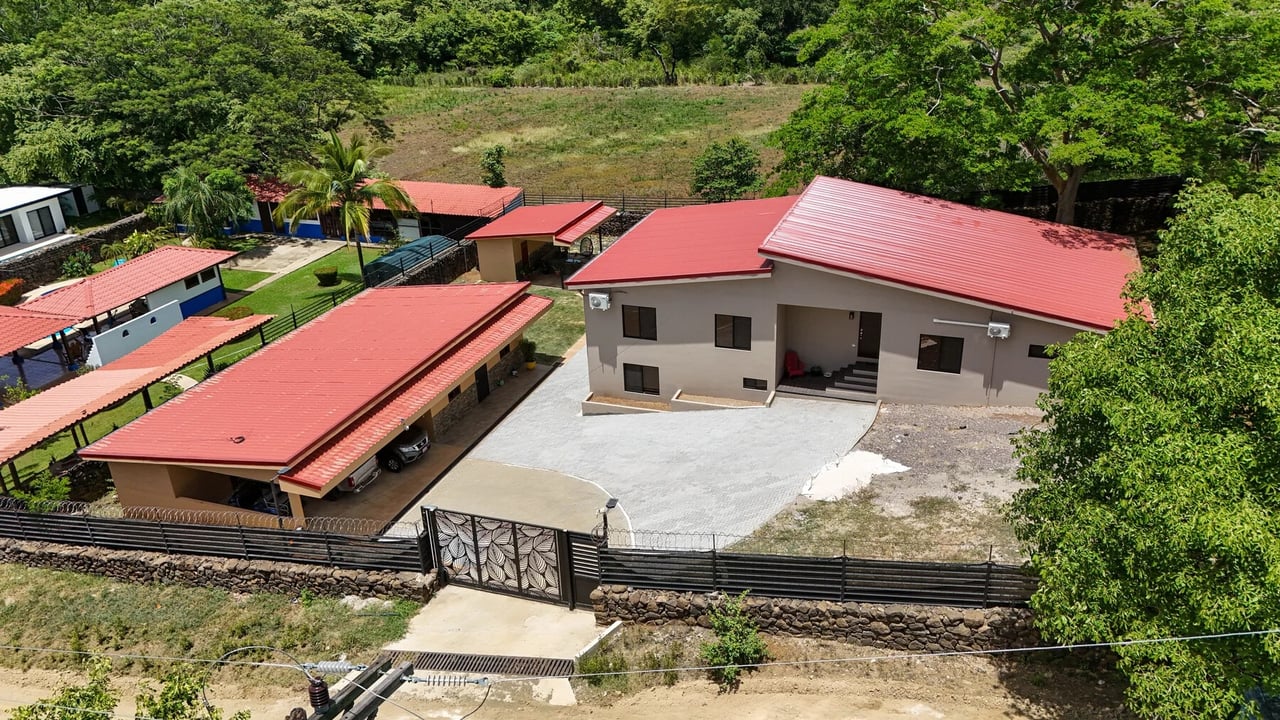
Costa Rican Retreat, Barrio Los Canales, Playas del Coco, GU 50503, Costa Rica
For Sale
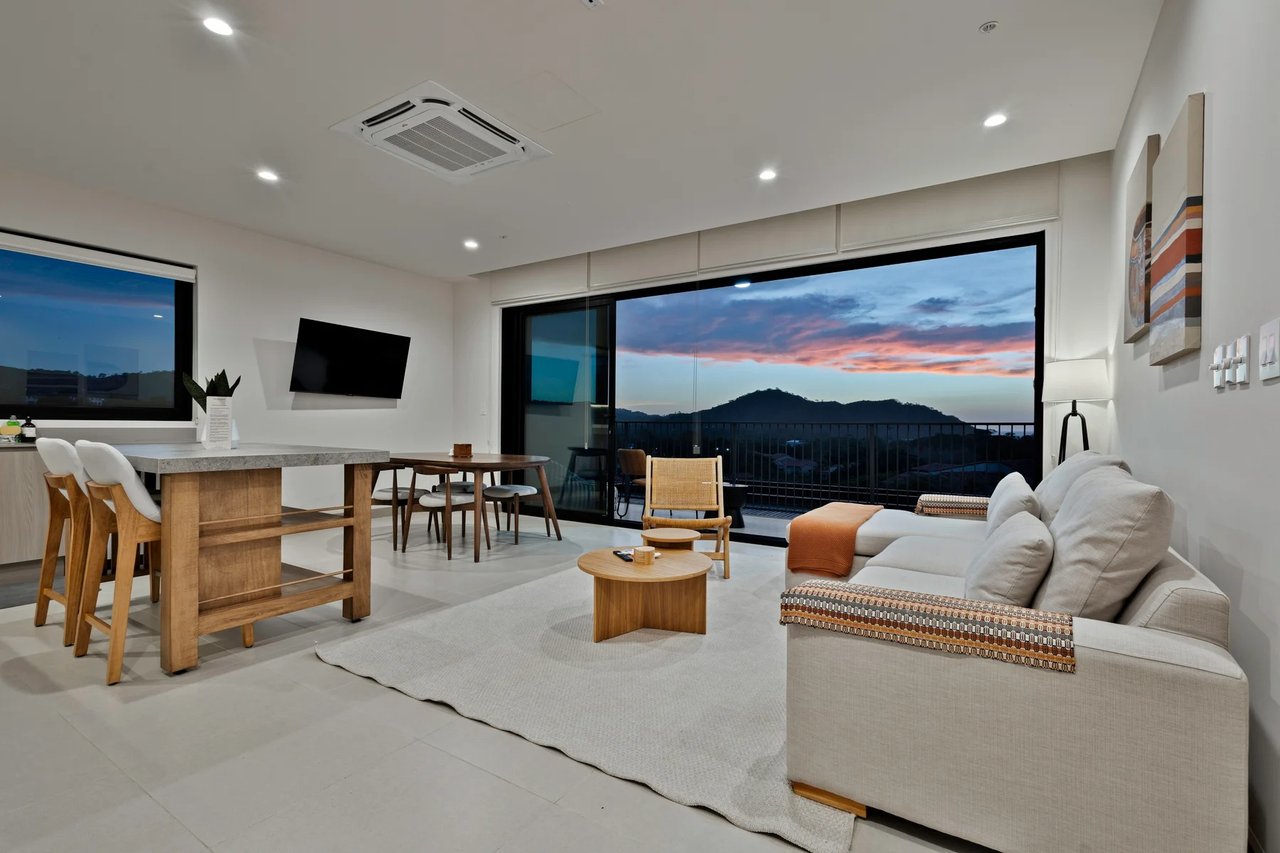
Luxury Ocean View Condo, Unit 522, Pacifico, Playas del Coco, GU 50503, Costa Rica
For Sale
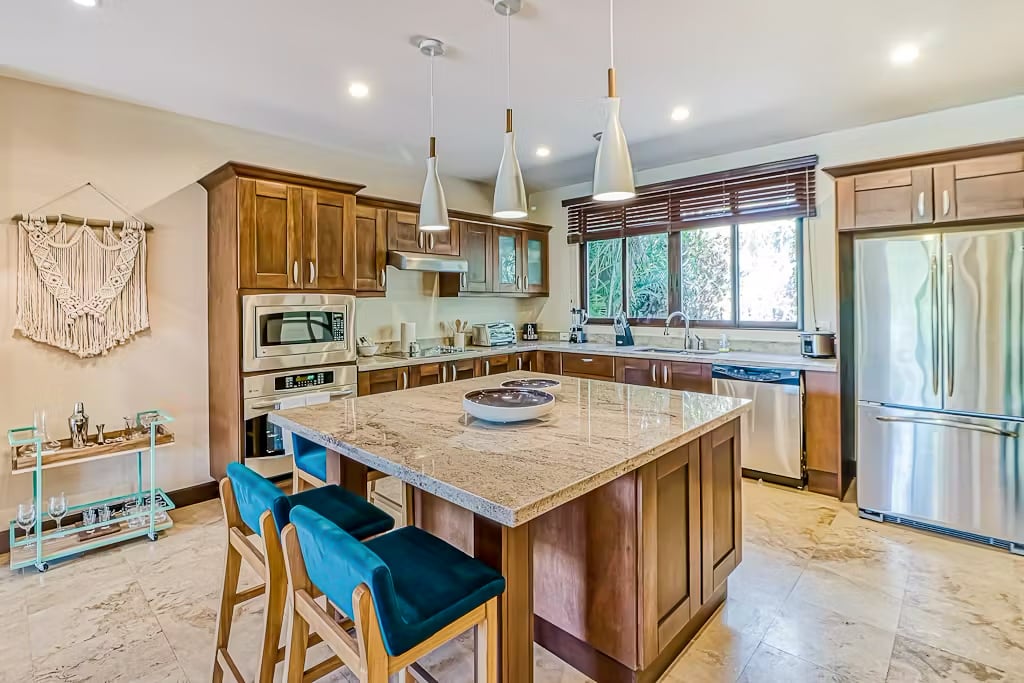
Azul Paraiso 11B, Playa Ocotal, GU 50503, Costa Rica
For Sale
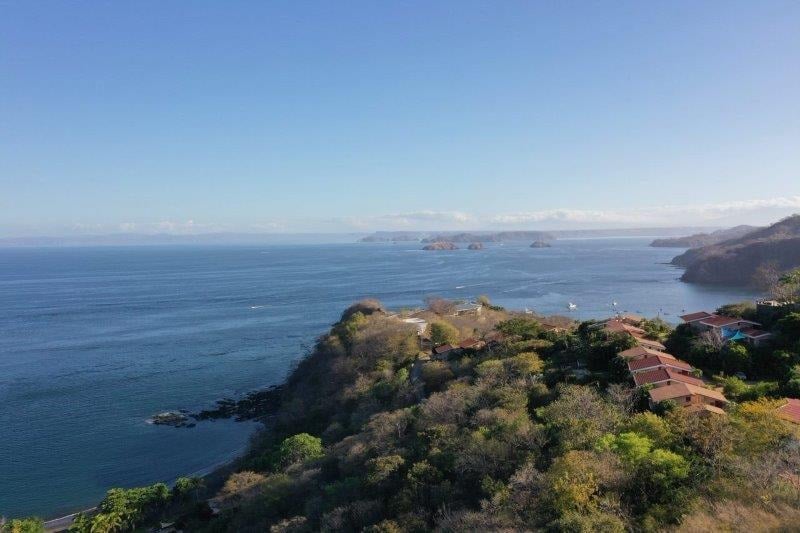
Full Ocean View Lot Ocotal, #61, Playa Ocotal, GU 50503, Costa Rica
For Sale
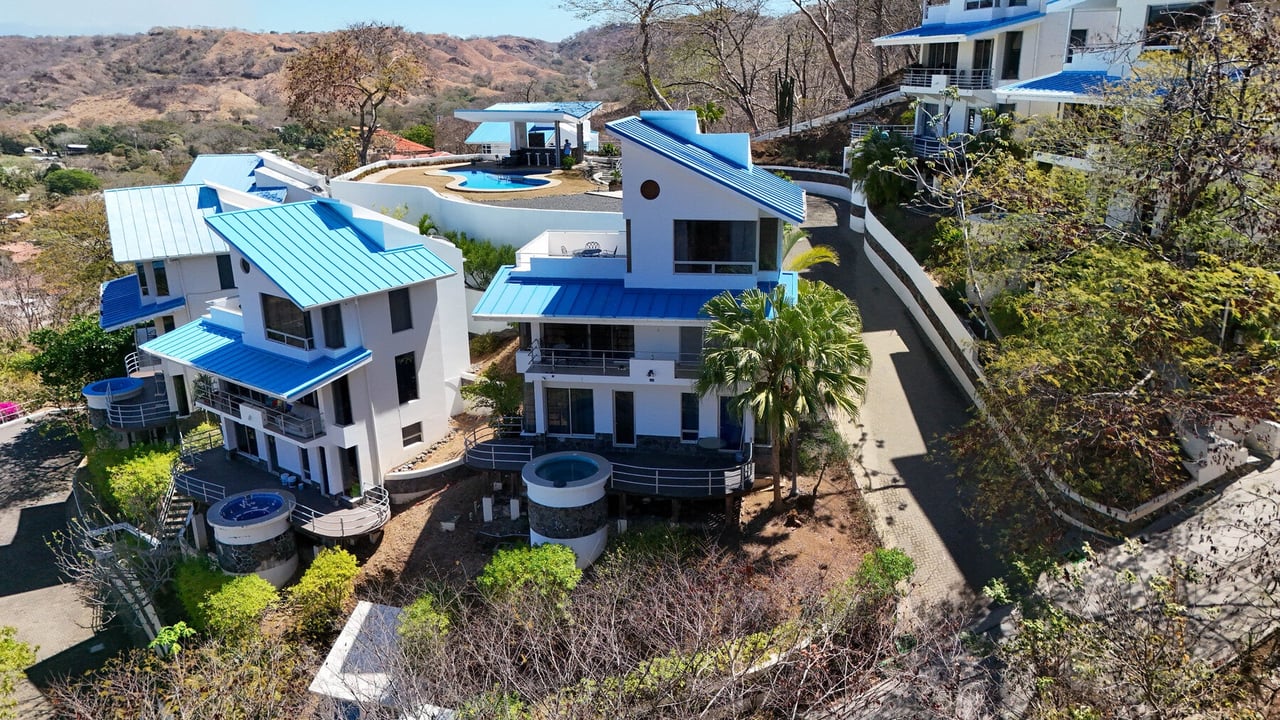
House Of Winds 1, Playas del Coco, GU 50503, Costa Rica
For Sale
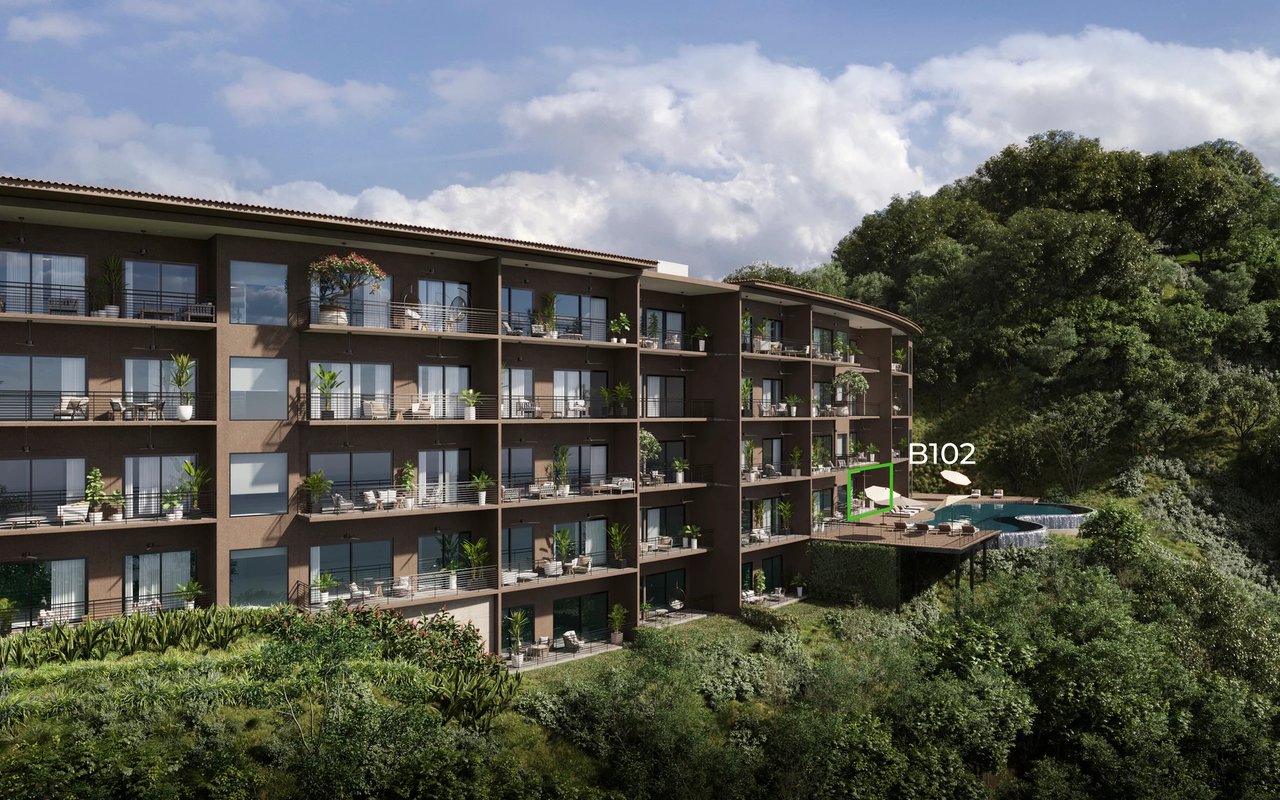
Brand New Pool-Level Oceanfront Condo B102, Azul Paraiso, Playa Ocotal, GU 50503, Costa Rica
For Sale
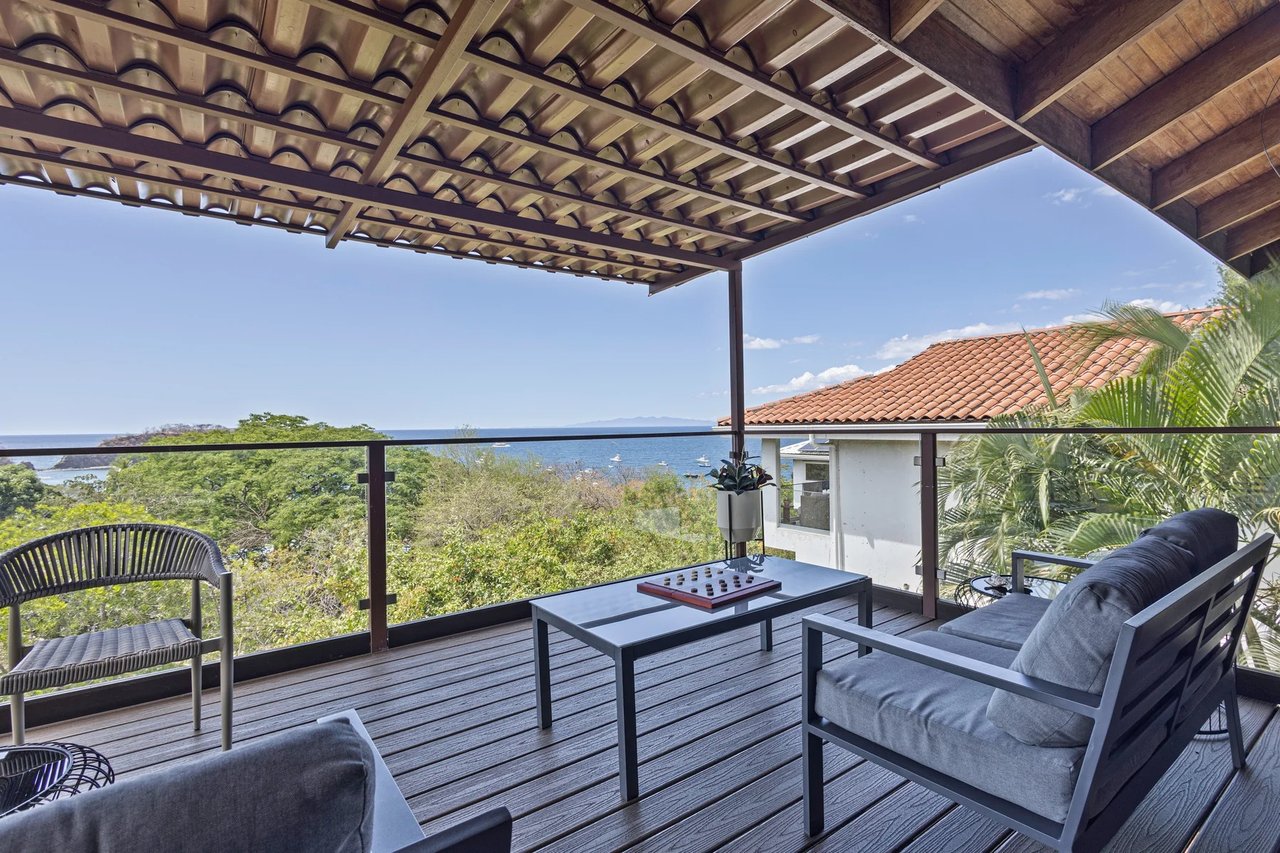
Beachfront Villa unit 17, Los Almendros, Playa Ocotal, GU 50503, Costa Rica
For Sale
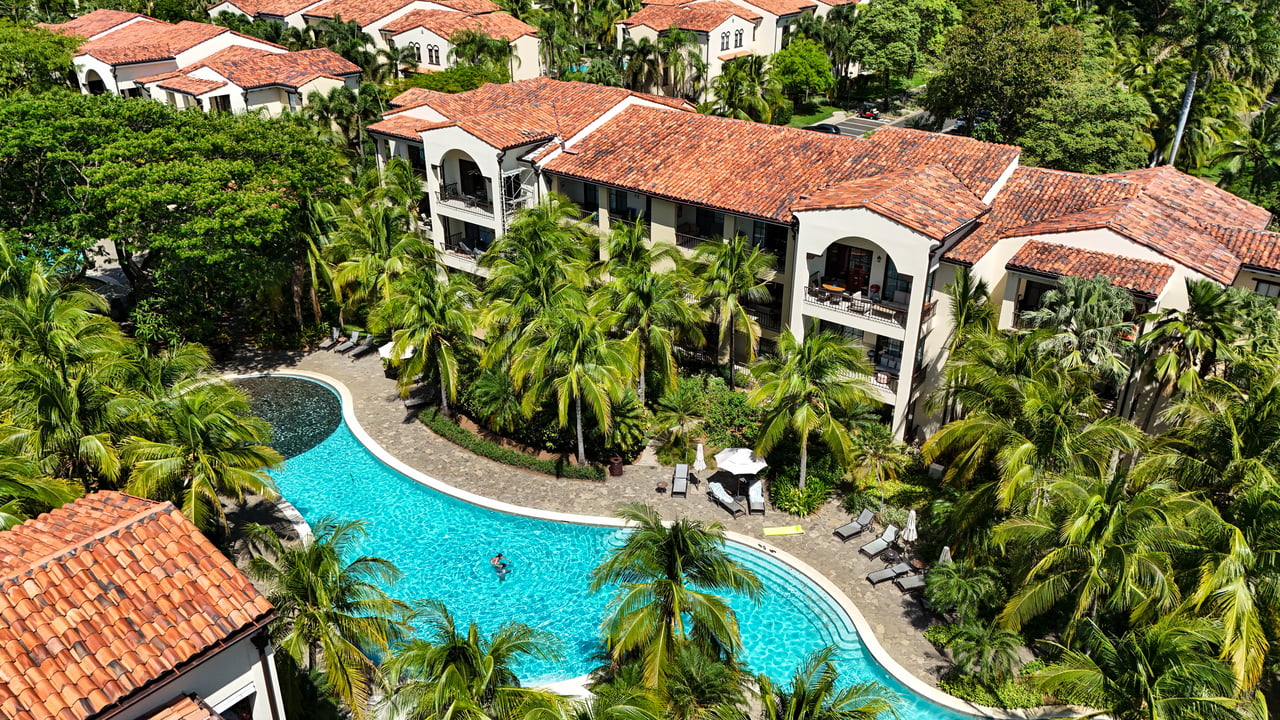
Pacifico L508, Playas del Coco, GU 50503, Costa Rica
For Sale
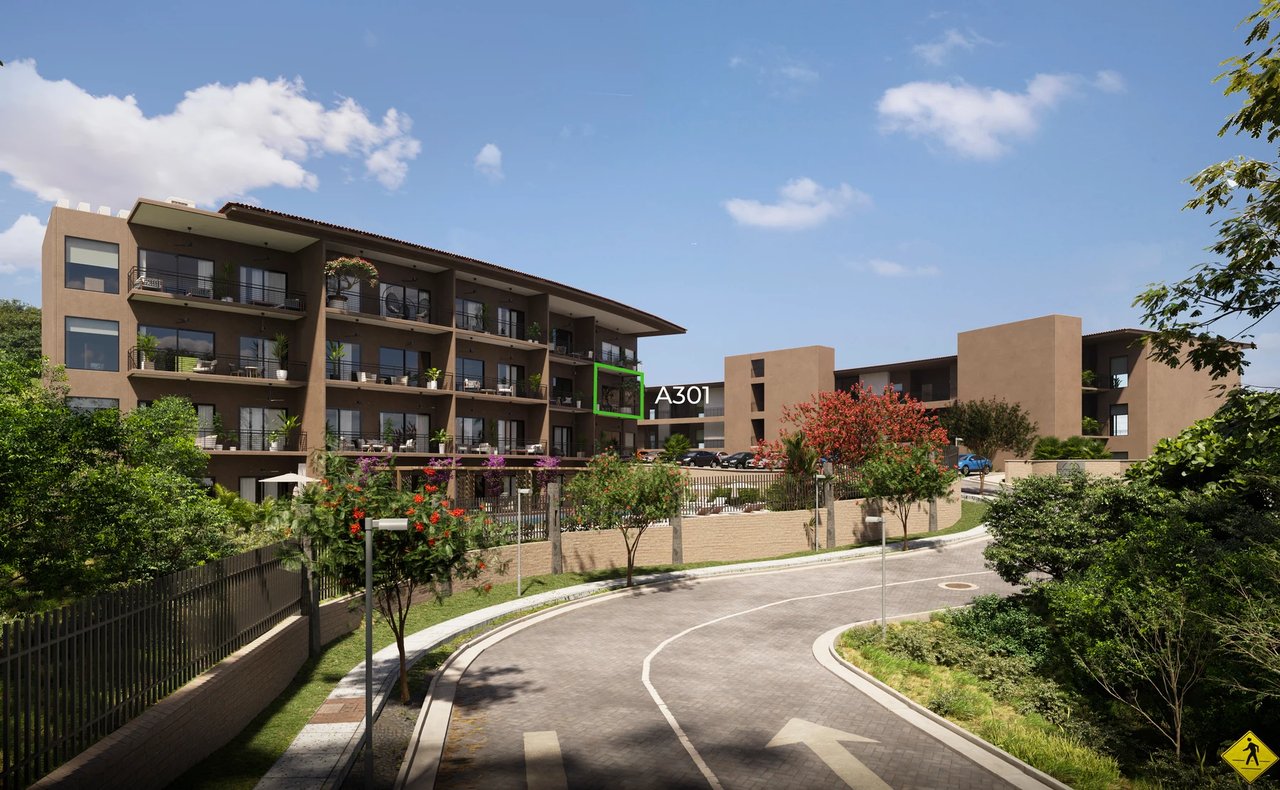
Unit A301 - Type B1, Azul Paraiso, Playa Ocotal, GU 50503, Costa Rica
For Sale
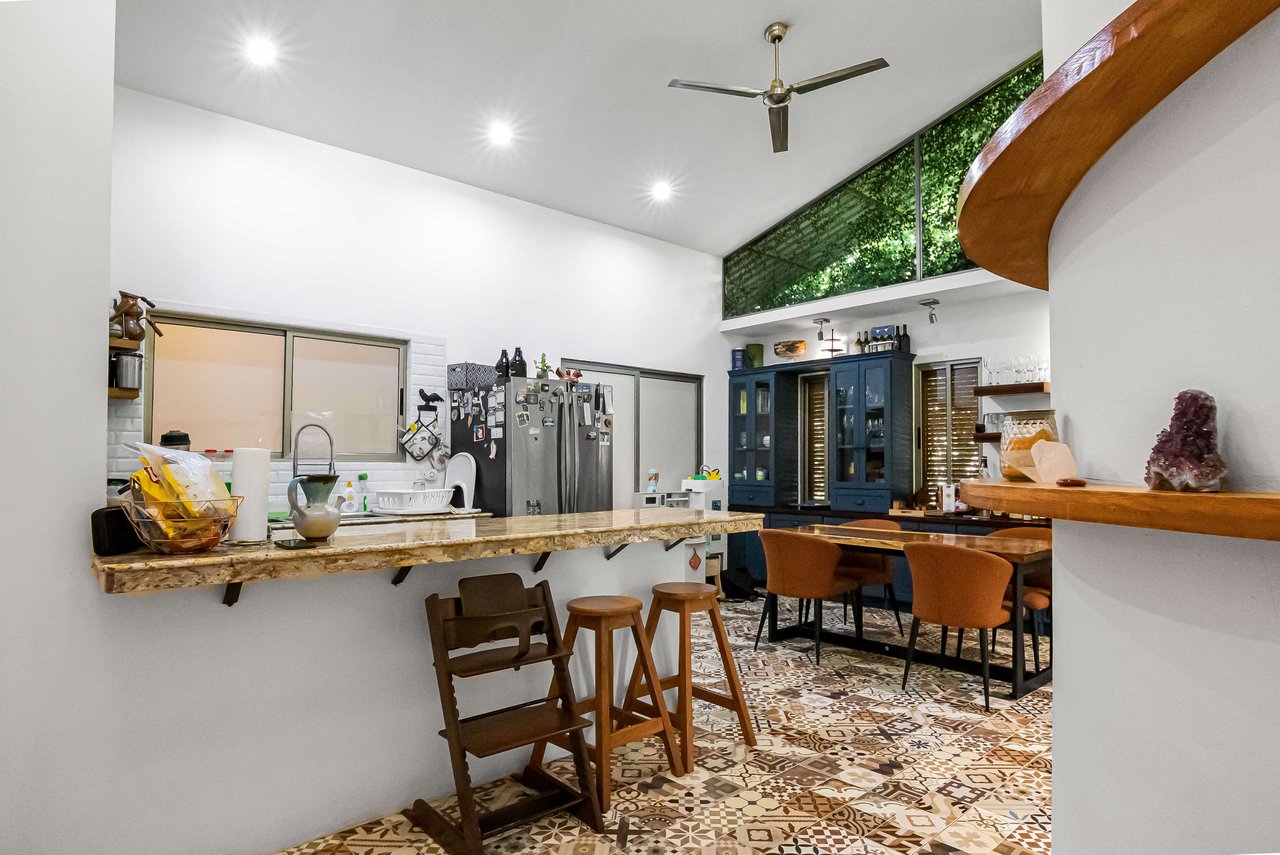
Casa Congos, Casa Congos, Playas del Coco, GU 50503, Costa Rica
For Sale
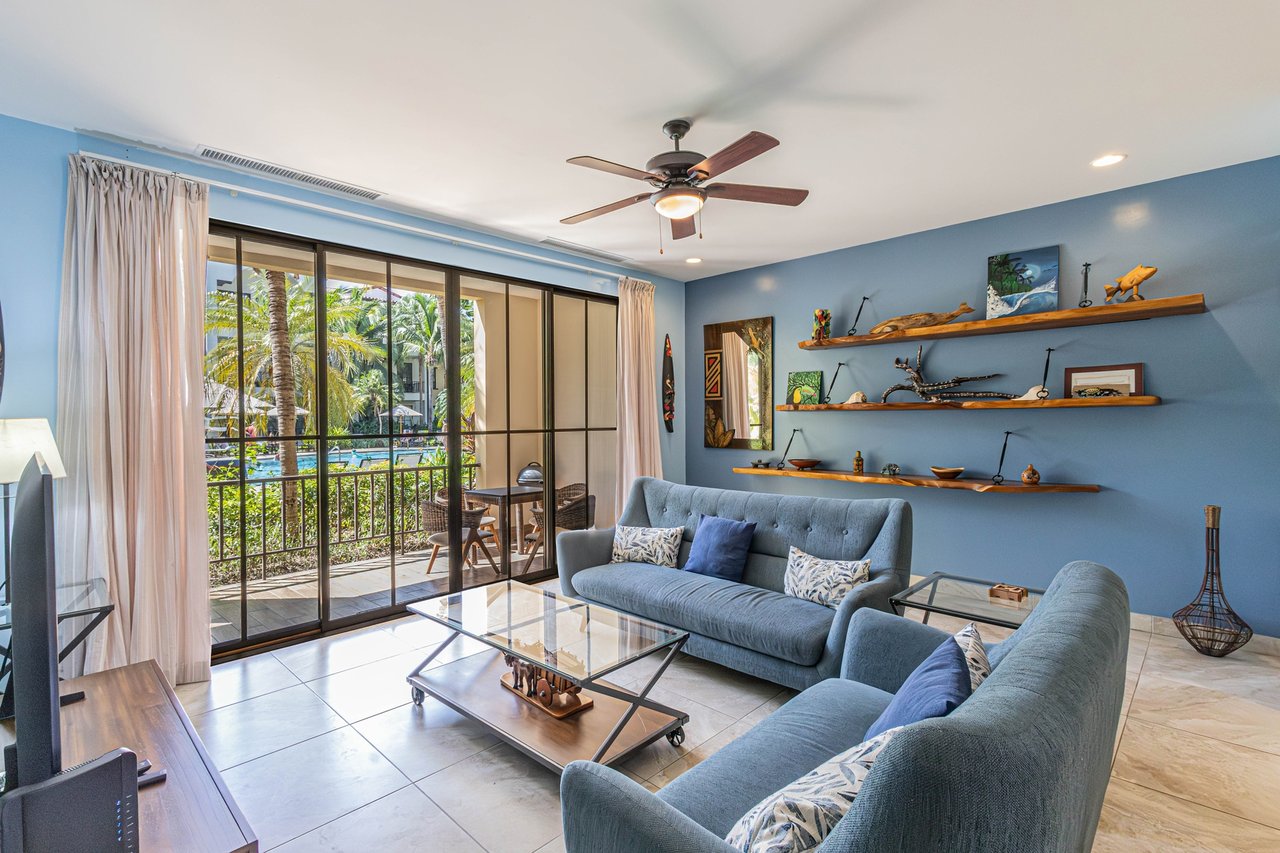
Pacifico L204, Playas del Coco, GU 50503, Costa Rica
For Sale
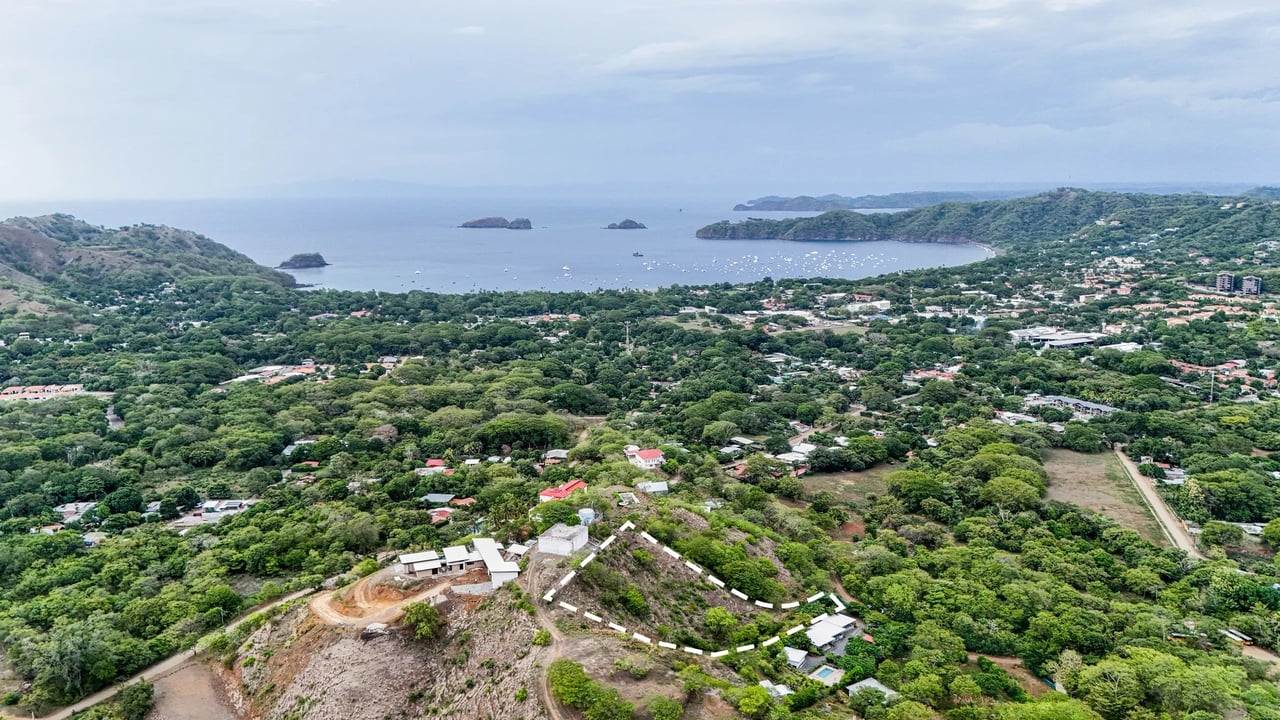
Ocean View Investment Land, Playas del Coco, GU 50503, Costa Rica
For Sale
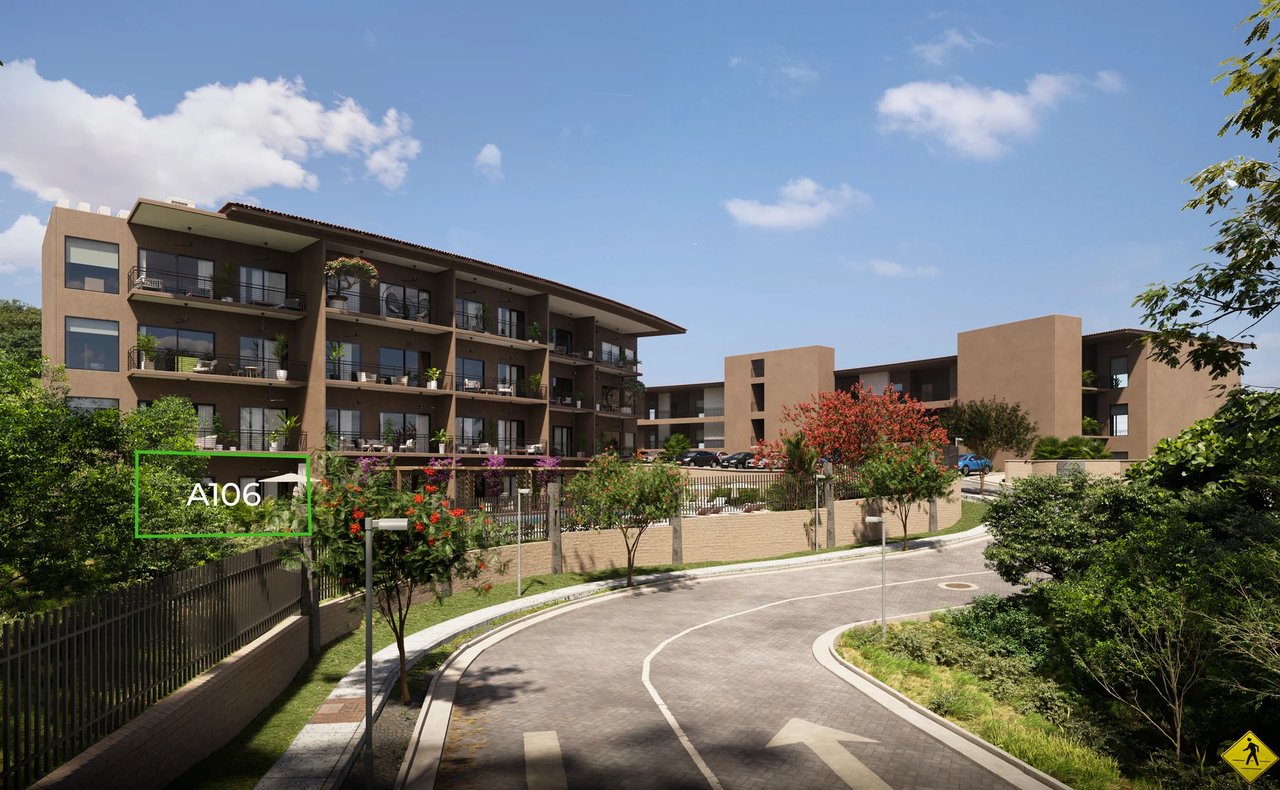
Unit A106 - Type B1, Azul Paraiso, Playa Ocotal, GU 50503, Costa Rica
For Sale
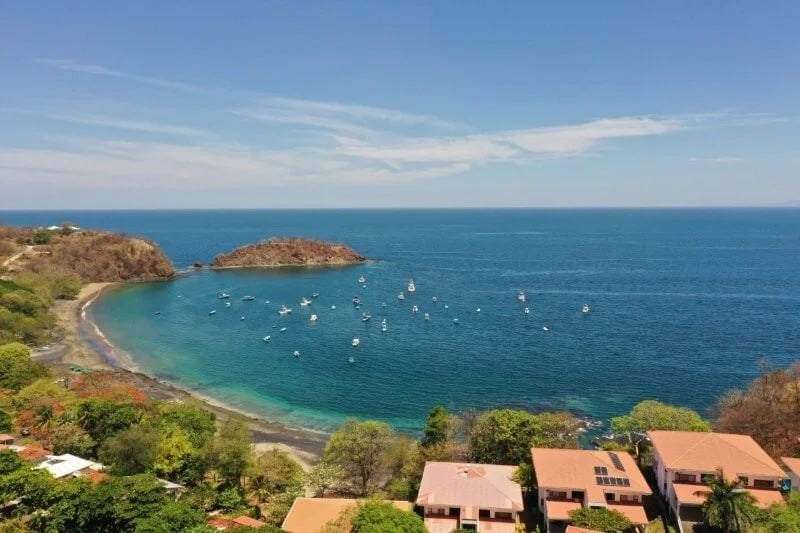
Renovated Ocean View Condo #39, Los Almendos, Playa Ocotal, GU 50503, Costa Rica
For Sale
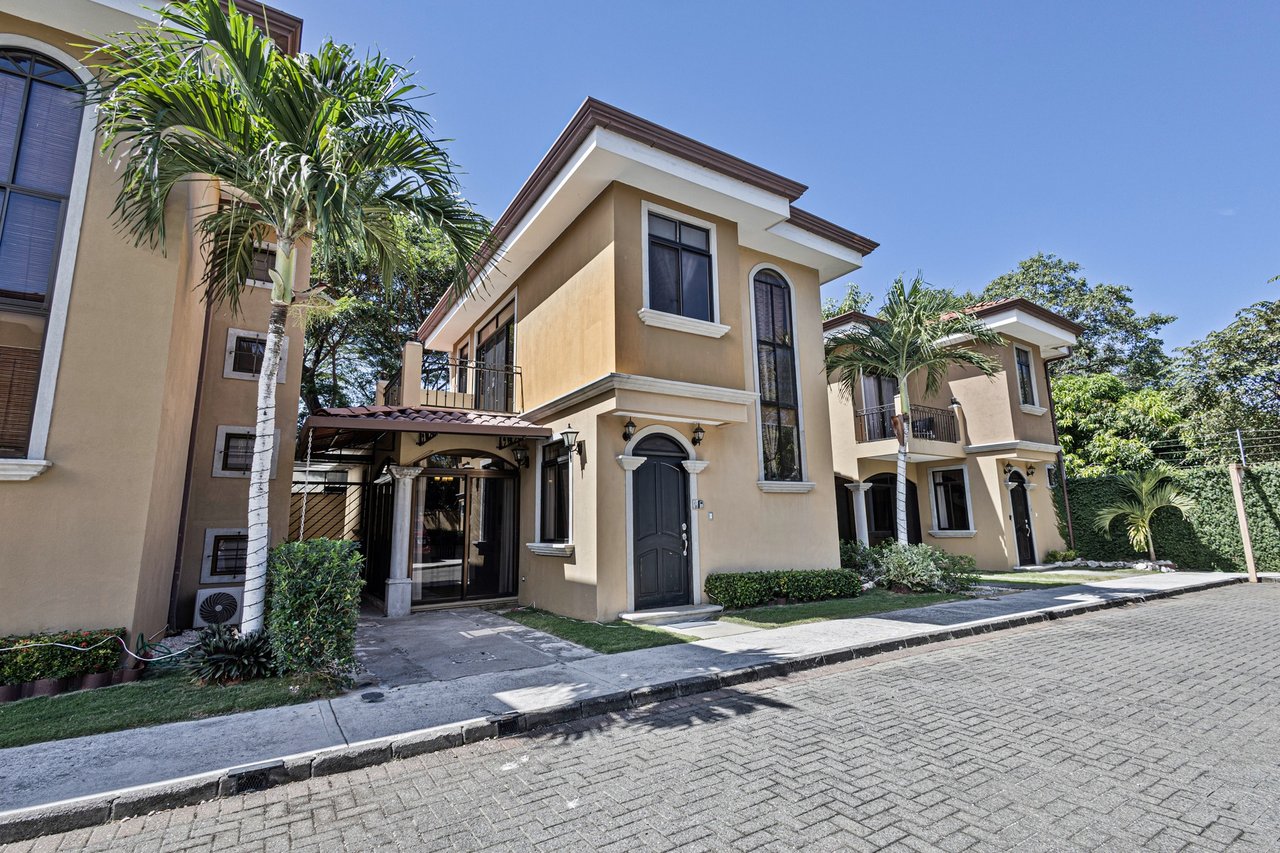
Arrecifes #11, Playas del Coco, GU 50503, Costa Rica
For Sale
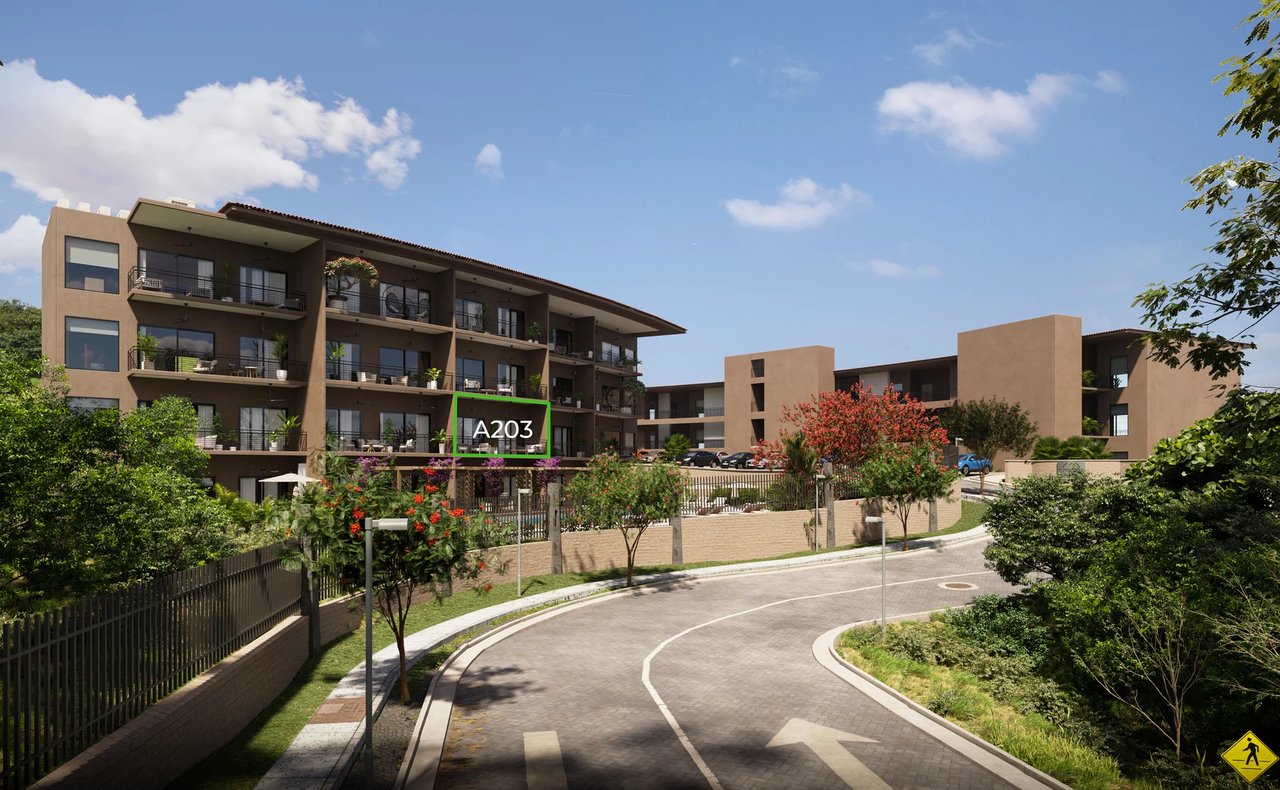
Unit A203 - Type A, Azul Paraiso, Playa Ocotal, GU 50503, Costa Rica
For Sale
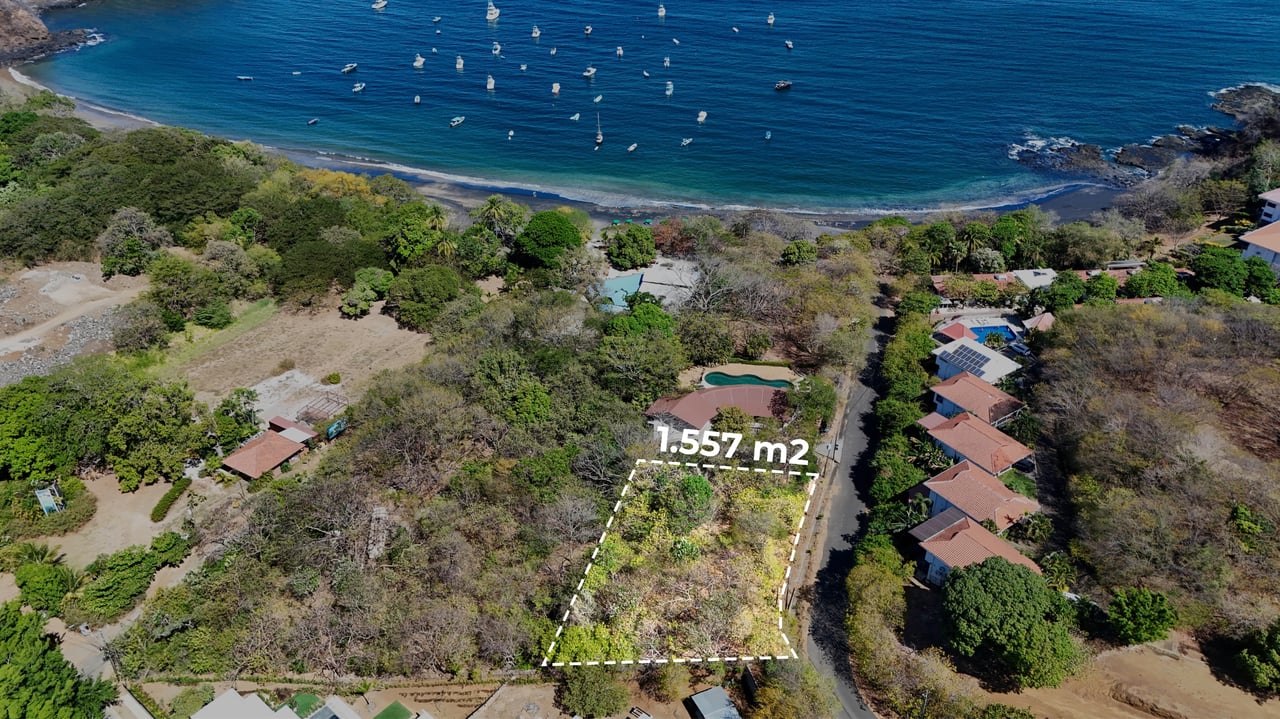
Playa Ocotal Lot, Playa Ocotal, GU 50503, Costa Rica
For Sale
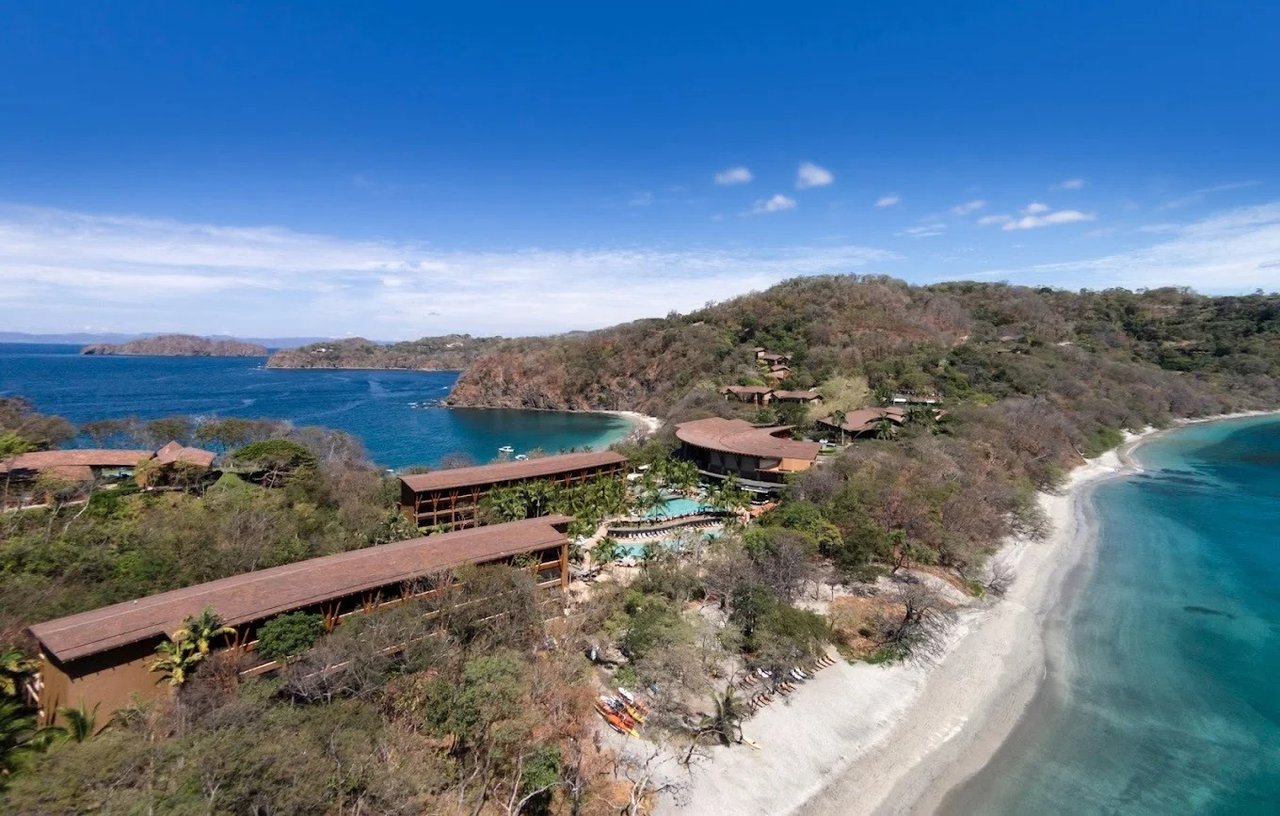
Four Seasons Fractional Condo, Four Seasons, Papagayo, GU 50104, Costa Rica
For Sale
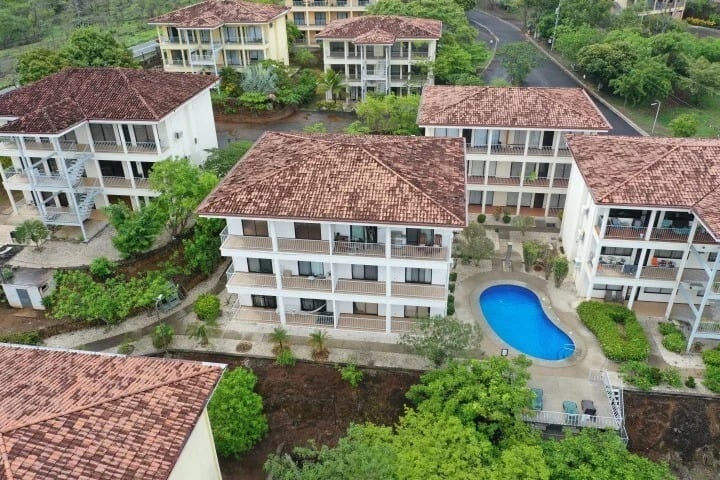
Ocean View Condo, #E-6, Vista Hermosa, Playas del Coco, GU 50503, Costa Rica
For Sale
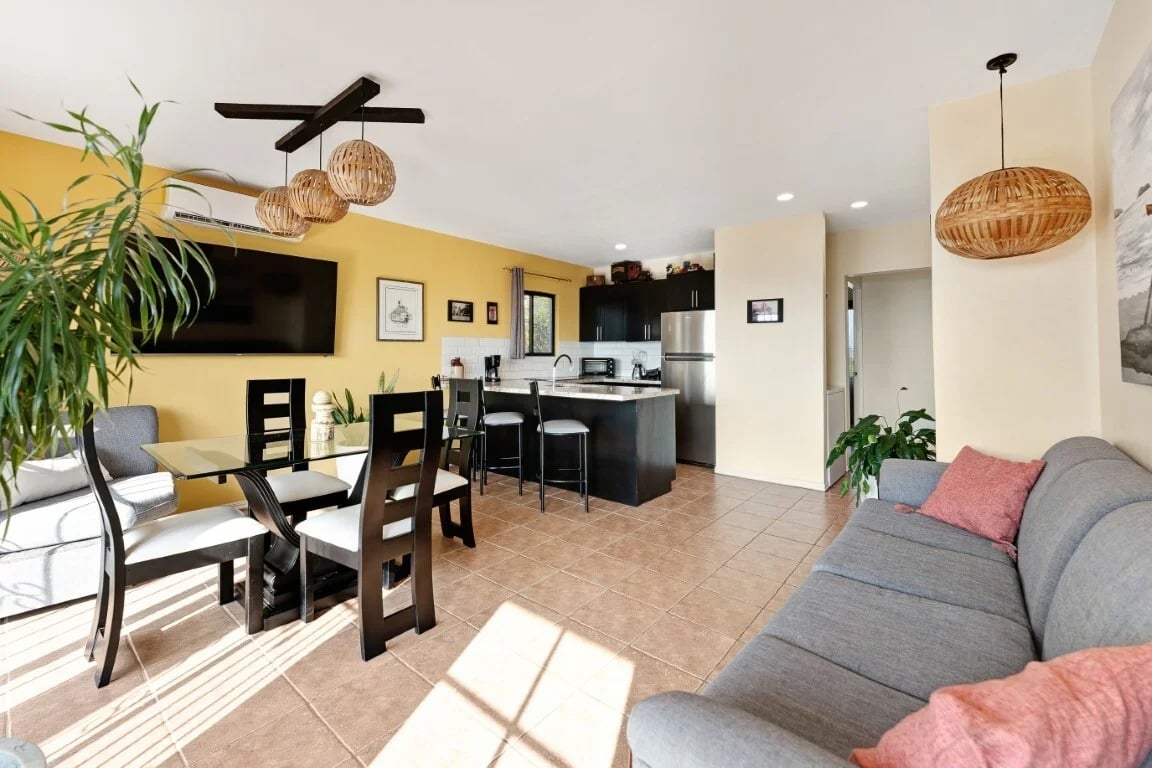
Ocean View Condo #O-3, Vista Hermosa, Playas del Coco, GU 50503, Costa Rica
For Sale
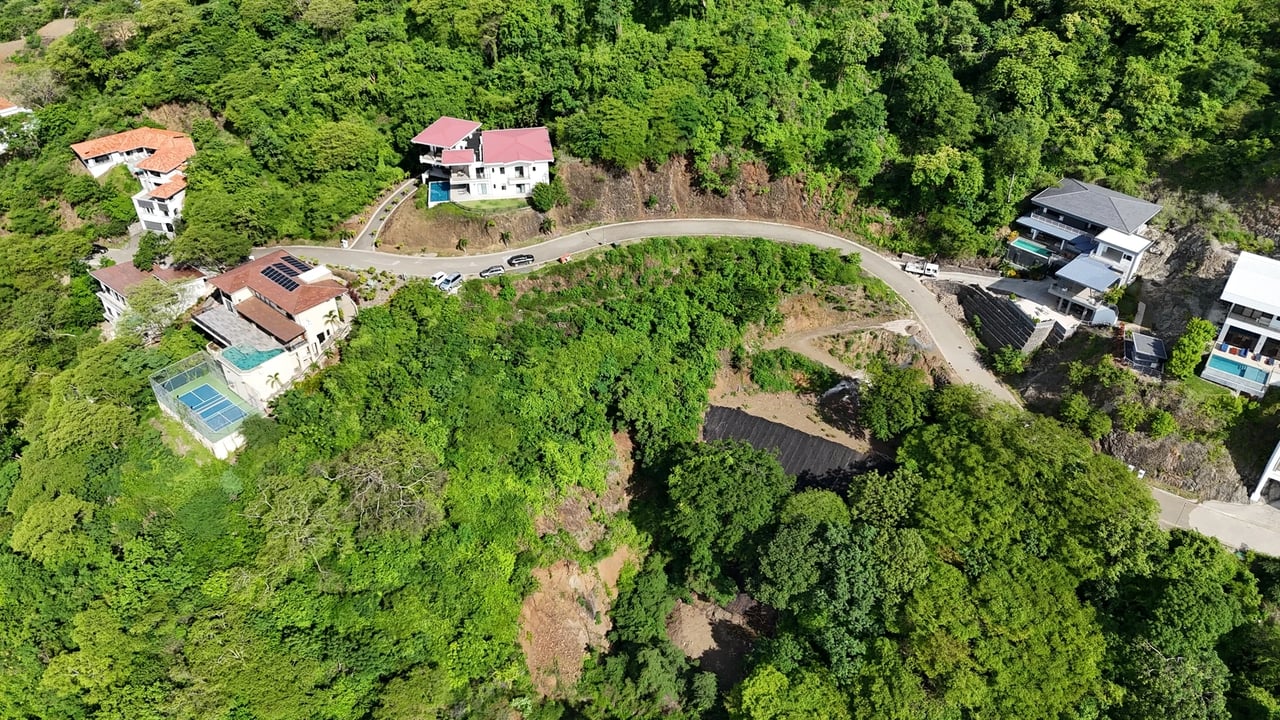
Ocean View Lot #30, Coco Bay, Ocotal, GU 50503, Costa Rica
For Sale
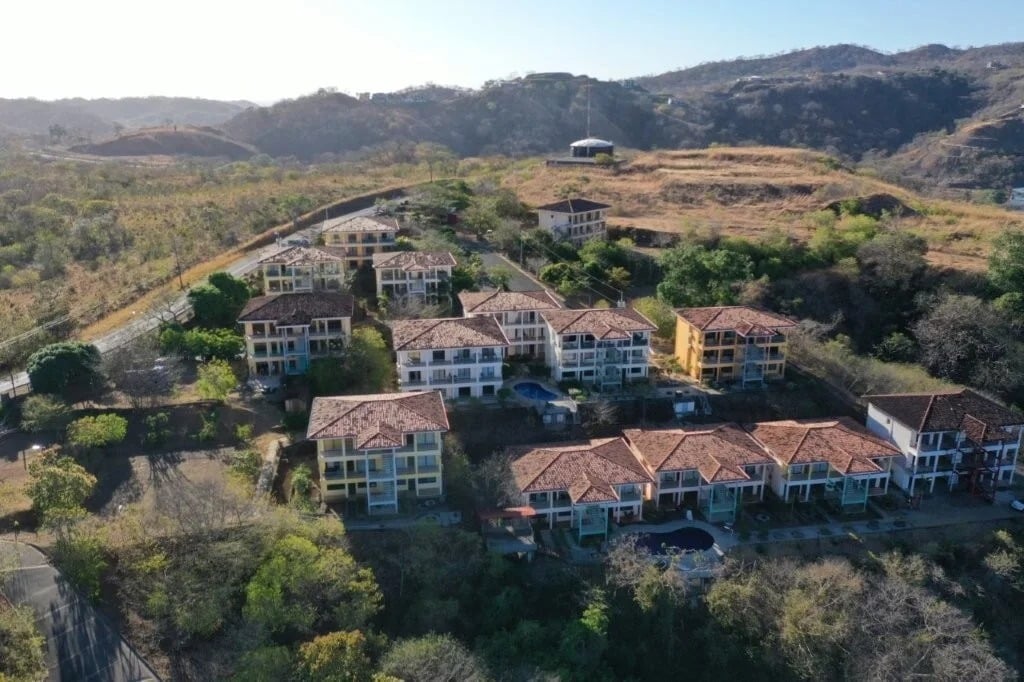
Ocean View Condo, #I-6, Vista Hermosa, GU 50503, Costa Rica
Stay up to date on the latest trends in real estate.
October 8, 2026
October 1, 2026
September 24, 2026
September 17, 2026
September 10, 2026
September 3, 2026
August 27, 2026
August 20, 2026
August 13, 2026