Condo vs Villa in Papagayo: Ownership Costs & ROI
January 15, 2026
January 15, 2026
Trying to decide between a condo or a standalone villa in Peninsula Papagayo? You want a place that matches your lifestyle and helps offset costs when you are not using it. In this guide, you will see how condos and villas compare on total cost of ownership, day-to-day obligations, and realistic rental potential in Papagayo. Let’s dive in.
Peninsula Papagayo is a luxury, master-planned peninsula in Guanacaste with resort amenities, beaches, golf, dining, and security. Properties here are positioned as lifestyle real estate with access to resort-level services.
Tourism drives demand. High season runs roughly December through April and brings the strongest rates and occupancies. The green season from May through November is slower, so both bookings and rates adjust.
Foreign buyers can own property in Costa Rica under the same conditions as citizens. Closing costs, registration, and taxes work differently than in the U.S. or Canada, so plan to use a local attorney or notary.
Your ongoing numbers matter as much as your purchase price. A clear cost model helps you compare options and avoid surprises.
Build your annual total cost of ownership using:
Your net cost equals annual TCO minus gross rental revenue and any tax-deductible items. Always confirm tax treatment with your advisor.
Condo HOA fees usually cover shared services. Think building maintenance, common-area landscaping, security, pools, and sometimes shuttle or concierge services. These fixed fees can make monthly costs more predictable.
Owners are typically responsible for the interior of the unit and certain systems. Major building items are funded by the association’s reserve. Staffing is minimal at the unit level since cleaning and light maintenance can be handled by building services or a manager.
Villas often require more direct oversight and staffing, especially if you want hotel-level service. Budget for housekeeping, gardening, pool care, and possibly chef or attendant services.
Exterior maintenance, landscaping, pools, and larger mechanical systems increase both routine costs and capital reserves. Utilities can be higher due to home size, pools, and irrigation, especially in the dry season. Insurance needs are broader for a standalone home in a coastal environment.
Associations and resort programs can shape both costs and revenue. Some communities require participation in a rental program or set minimum service standards. Others allow independent rentals with fewer restrictions. Review bylaws for rental rules, guest policies, and noise or event guidelines.
Certain communities may have required or optional club or golf memberships. These can include a buy-in and annual dues and can significantly influence the experience and your annual budget. Check the history of special assessments and the adequacy of reserves to gauge potential surprises.
Villas usually command a premium for land, privacy, and customization potential. Condos typically offer a lower entry price, though specific rental rules may apply. Closing costs vary. Expect notary and registration fees and confirm current rates with local counsel.
Financing for foreign buyers can look different. Many buyers pay cash or pursue local financing with varying terms, down payments, and interest rates. Your mortgage structure will directly affect annual debt service in your TCO.
Papagayo’s rental market is anchored in the high season. The right product and distribution strategy can help you capture peak demand and steady shoulder-season bookings.
Use a data-first approach whether you buy a condo or a villa:
A condo can reduce your hands-on involvement. Predictable monthly HOA fees and centralized services make budgeting easier. This is helpful if you plan occasional personal use with straightforward rentals.
A villa gives you more space, customization, and independence over how you use and manage the property. You can build a tailored hospitality experience for guests, though operating complexity and costs are higher.
Percentage yields often look more favorable on condos due to lower entry costs. Villas can generate higher gross revenue but typically show lower percentage yields given acquisition price and operating needs. Treat luxury ownership as a lifestyle-plus-investment decision.
Choosing between a condo and a villa in Peninsula Papagayo starts with clear goals and a side-by-side cost and revenue model. Our team pairs local expertise with curated inventory to help you evaluate specific properties, request the right documents, and build a confident plan for ownership and rentals. If you want private opportunities and guidance tailored to international buyers, connect with the local specialists at 2 Costa Rica Papagayo.
Explore our exclusive listings.
For Sale
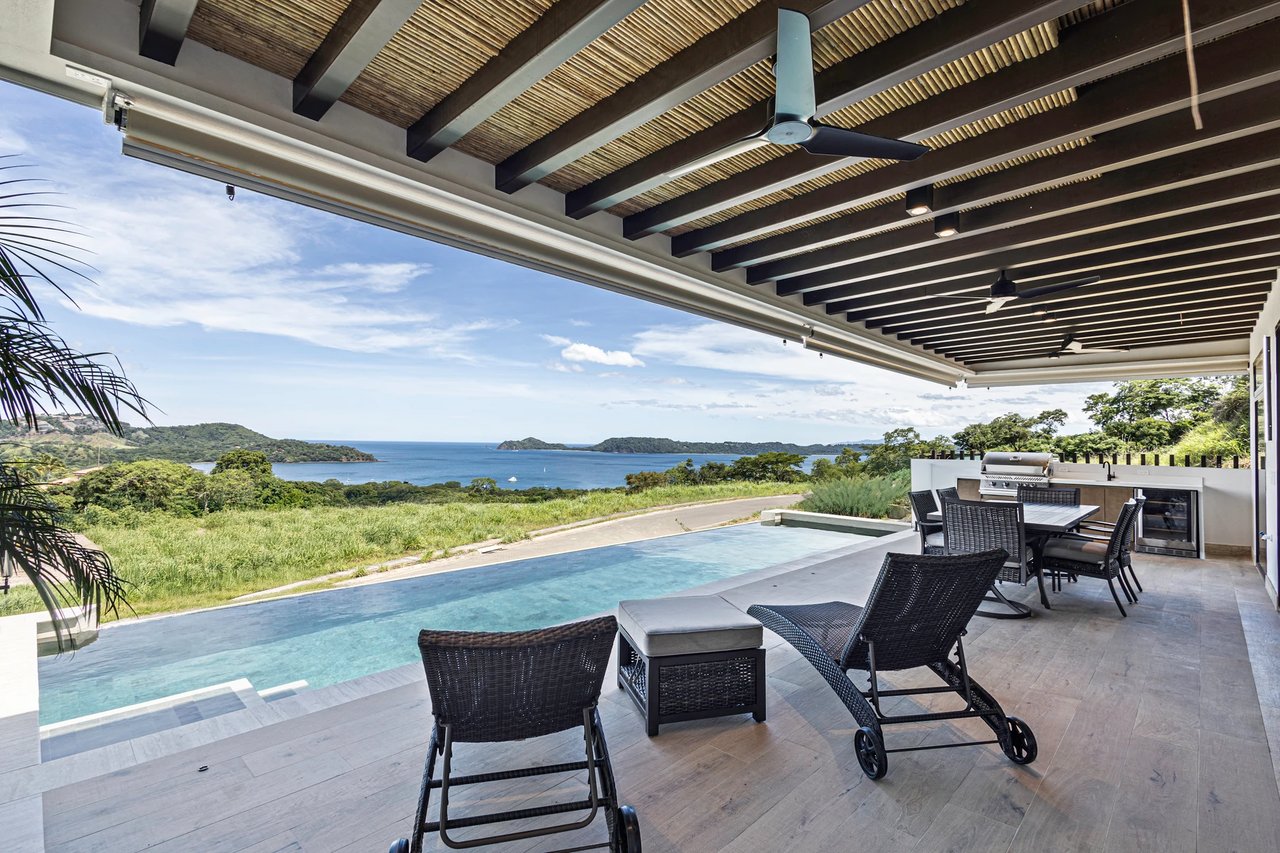
Casa Del Ray, Lot 12B, Hacienda Del Mar, Playa Panama, GU 50503, Costa Rica
For Sale
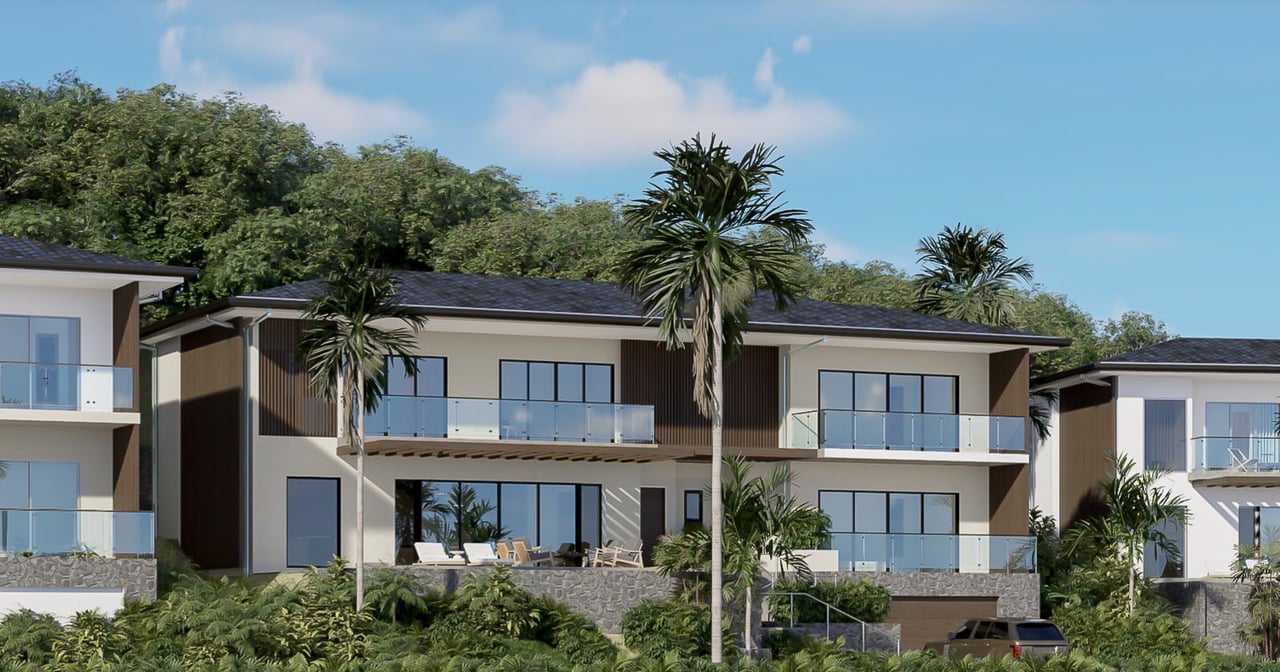
Lot 12B, Hacienda Del Mar, Playa Panama, GU 50503, Costa Rica
For Sale
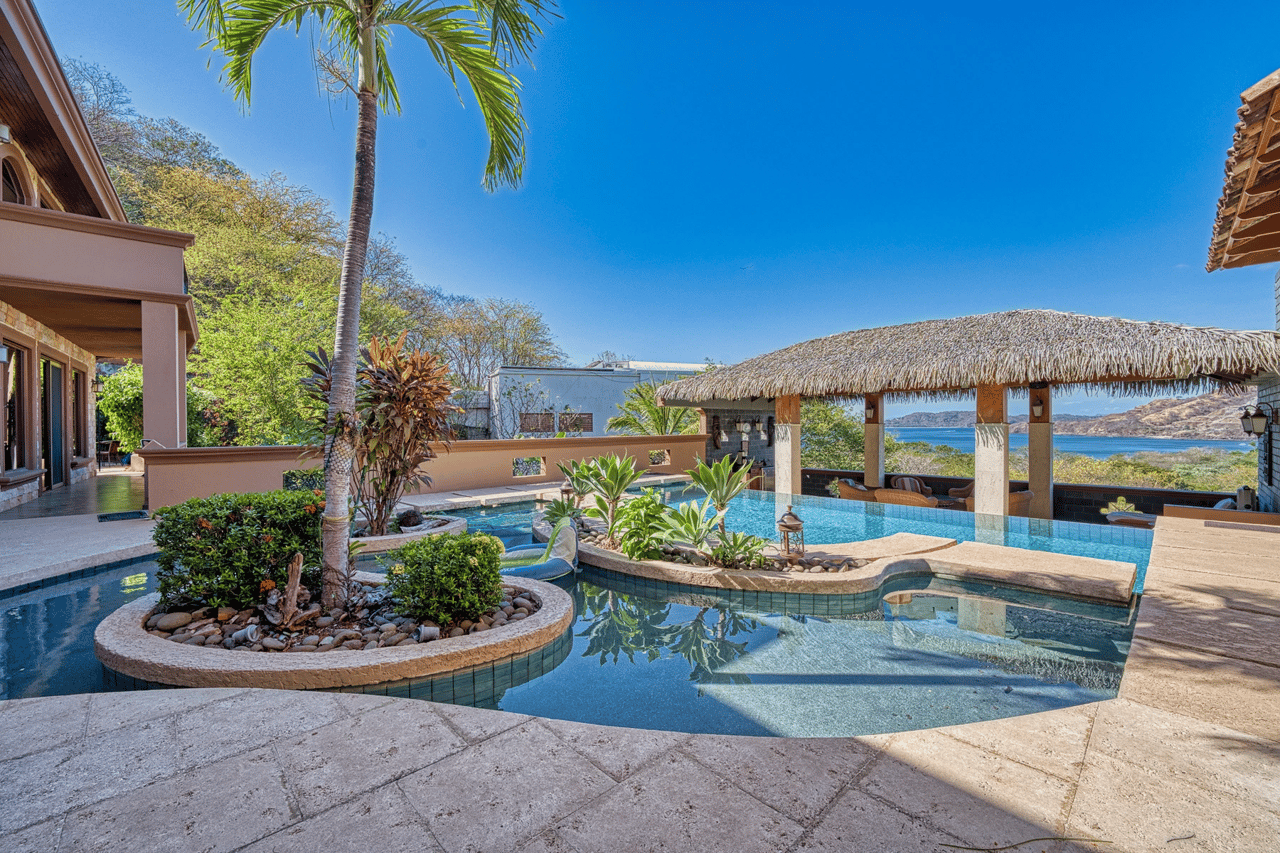
Ocean View Hermosa Montaña, Playa Hermosa, GU 50503, Costa Rica
For Sale
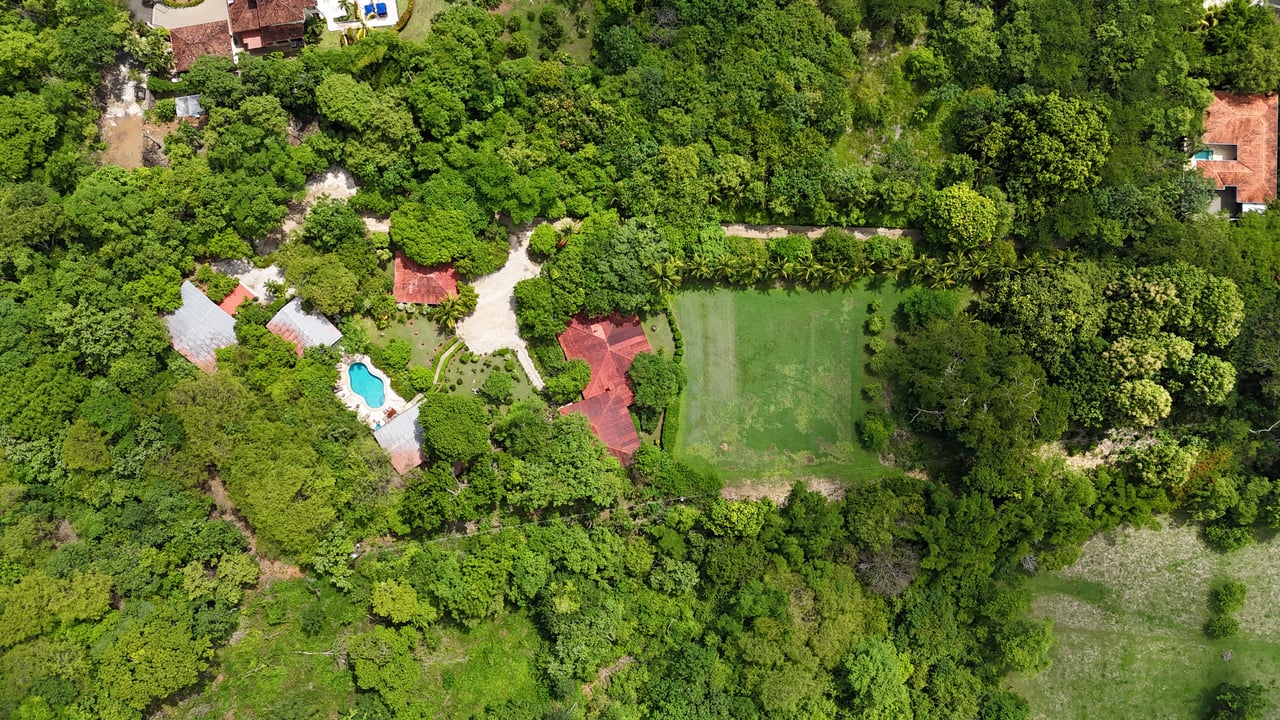
Rancho Armadillo, Monte Seco, Ocean Views, Playas del Coco, GU 50503, Costa Rica
For Sale
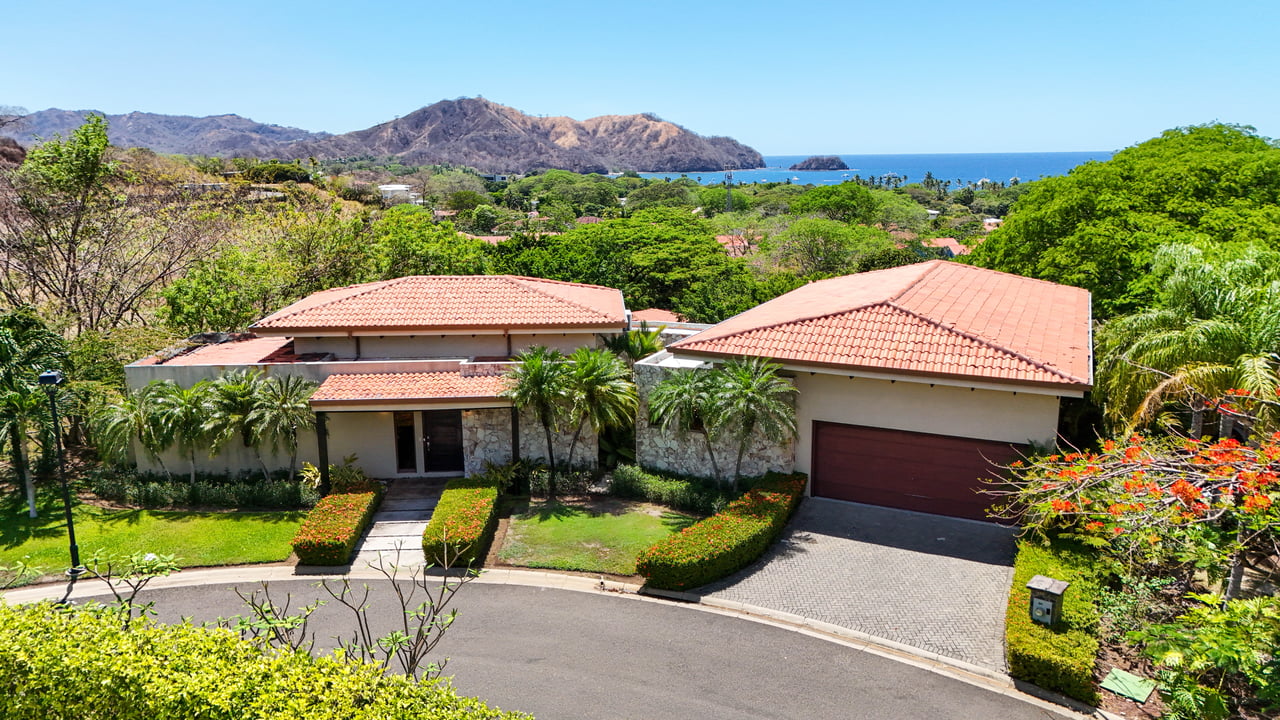
Ocean View Villa 80, Pacifico, Playas del Coco, GU 50503, Costa Rica
For Sale
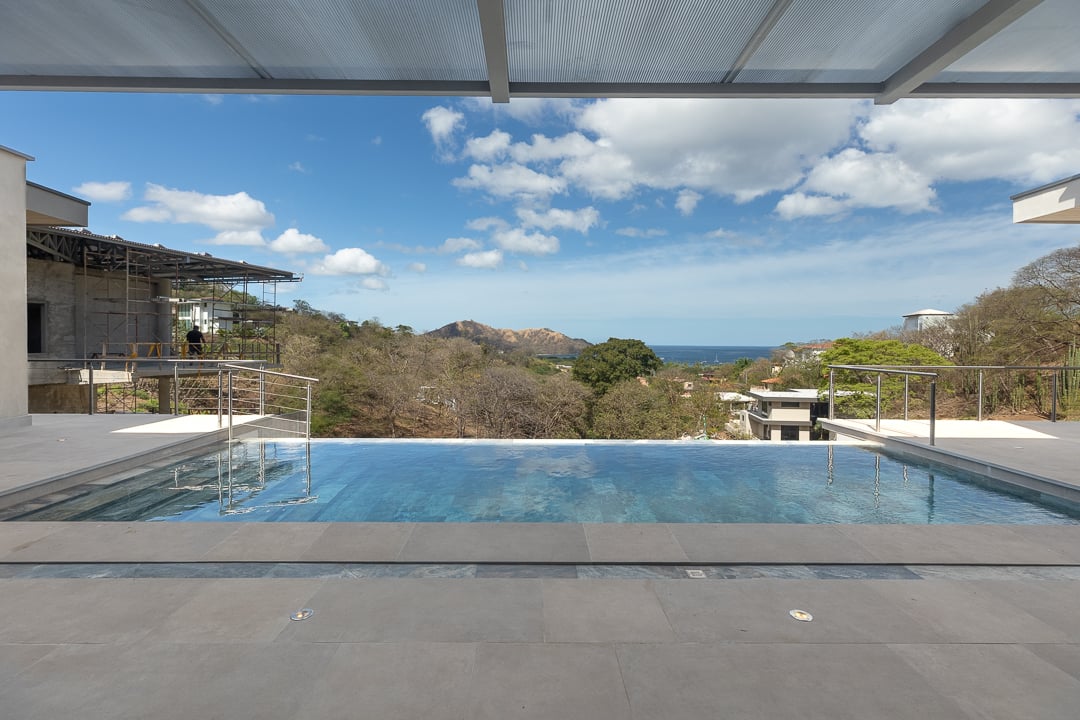
Oceanview Home, Lot 42, Pacifico, Playas del Coco, GU 50503, Costa Rica
For Sale
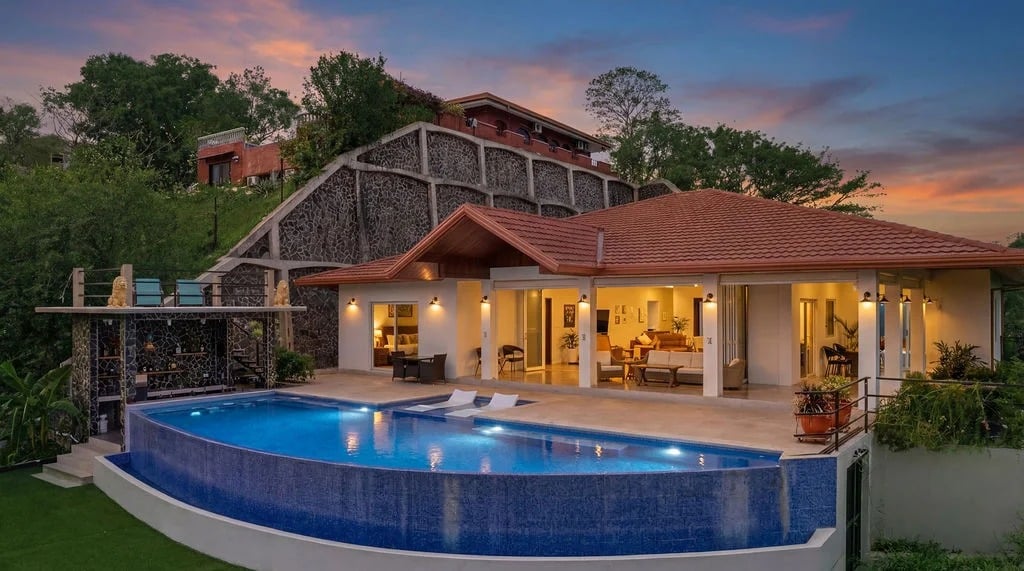
Ocean View Villa Isabella, Clara Hermosa 4, Playas del Coco, GU 50503, Costa Rica
For Sale
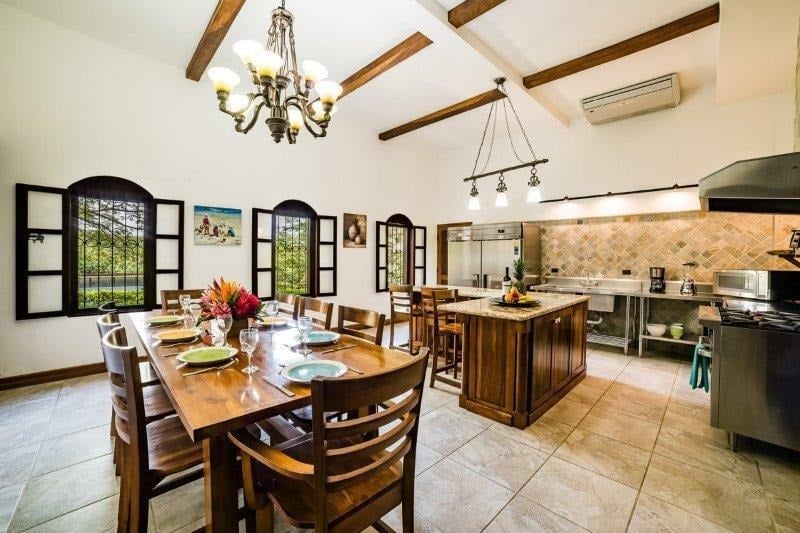
Casa Toscana, Lot 134, Pacifico, Playas del Coco, GU 50503, Costa Rica
For Sale
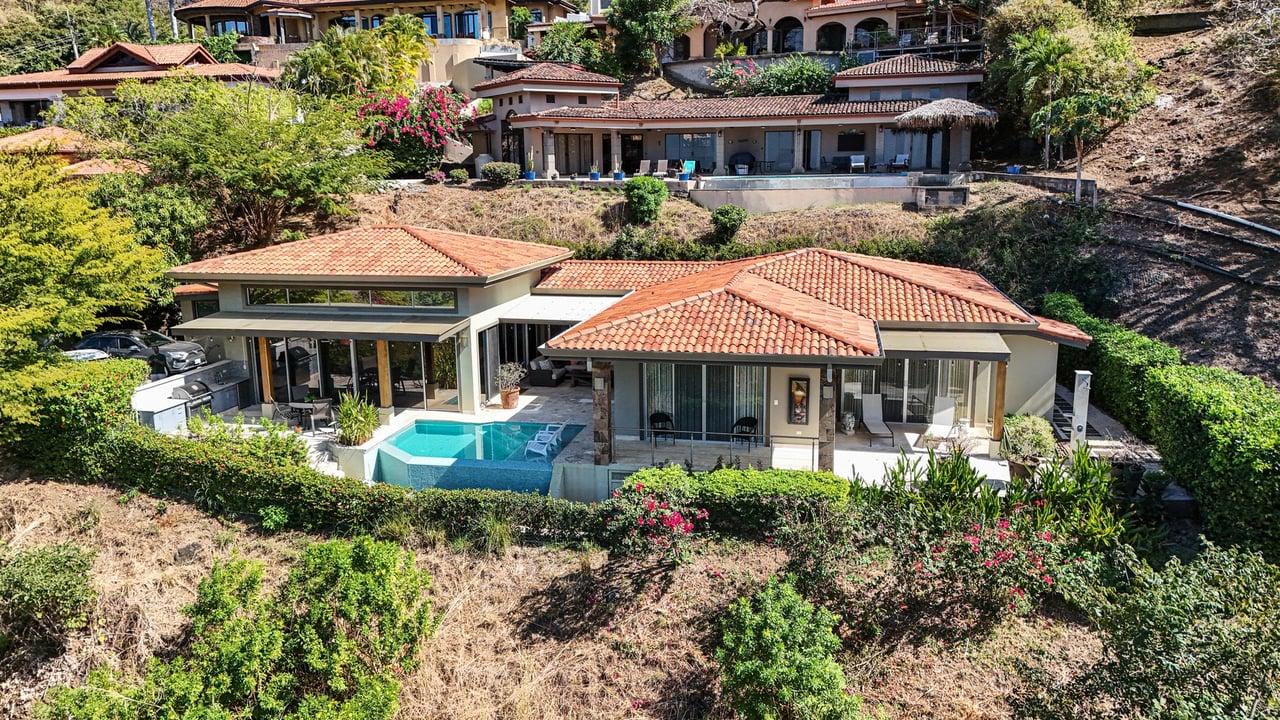
Ocean View Casa De Encanto, Hermosa Heights, Playa Hermosa, GU 50503, Costa Rica
For Sale
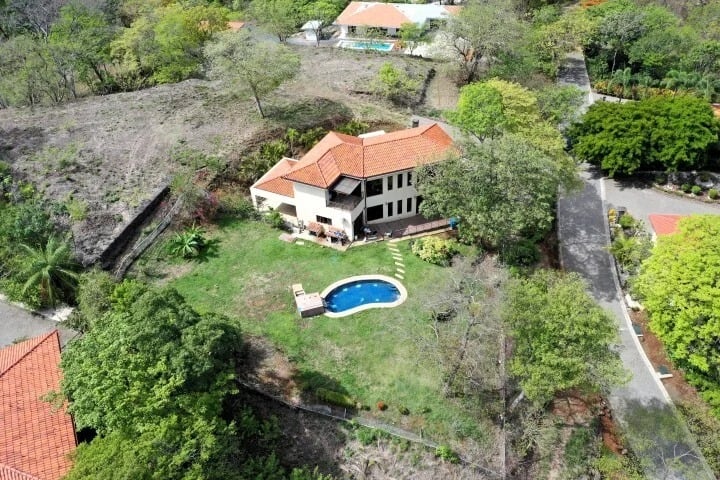
Ocean View Villa #25, Monte Vista, Ladera del Mar, Playas del Coco, GU 50503, Costa Rica
For Sale
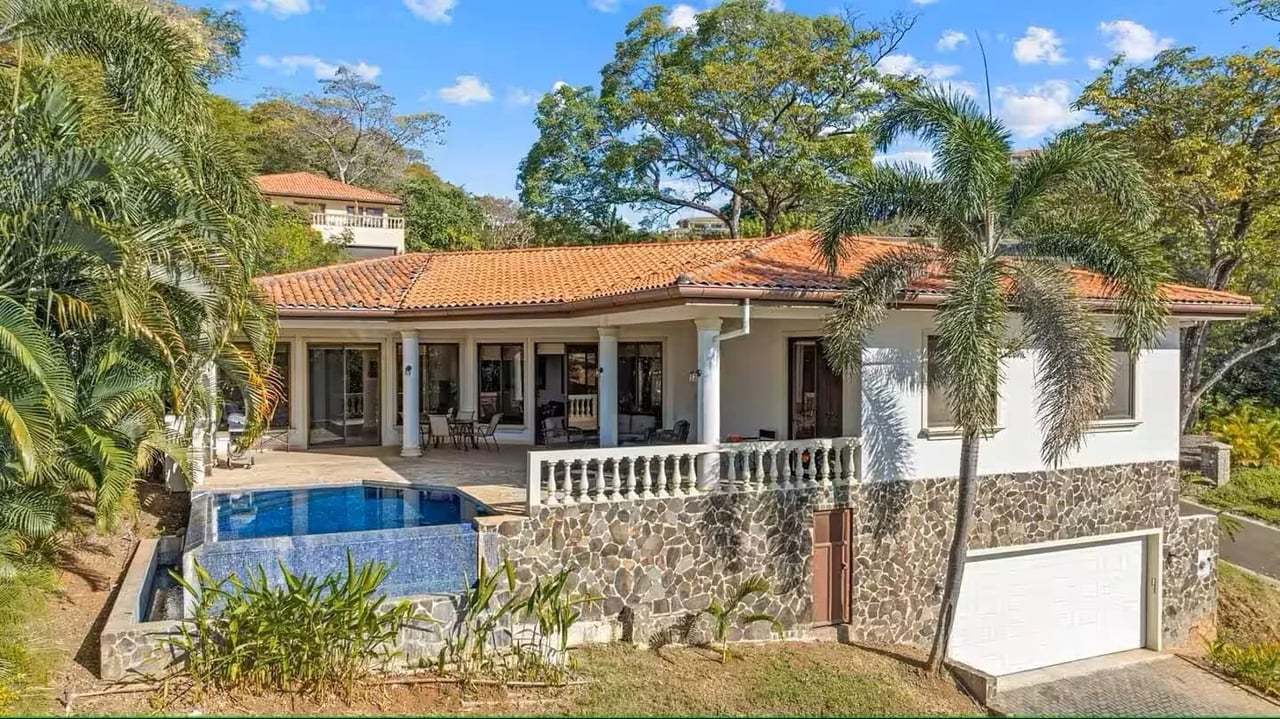
Casa Serena, Lot 89, Pacifico, Playas del Coco, GU 50503, Costa Rica
For Sale
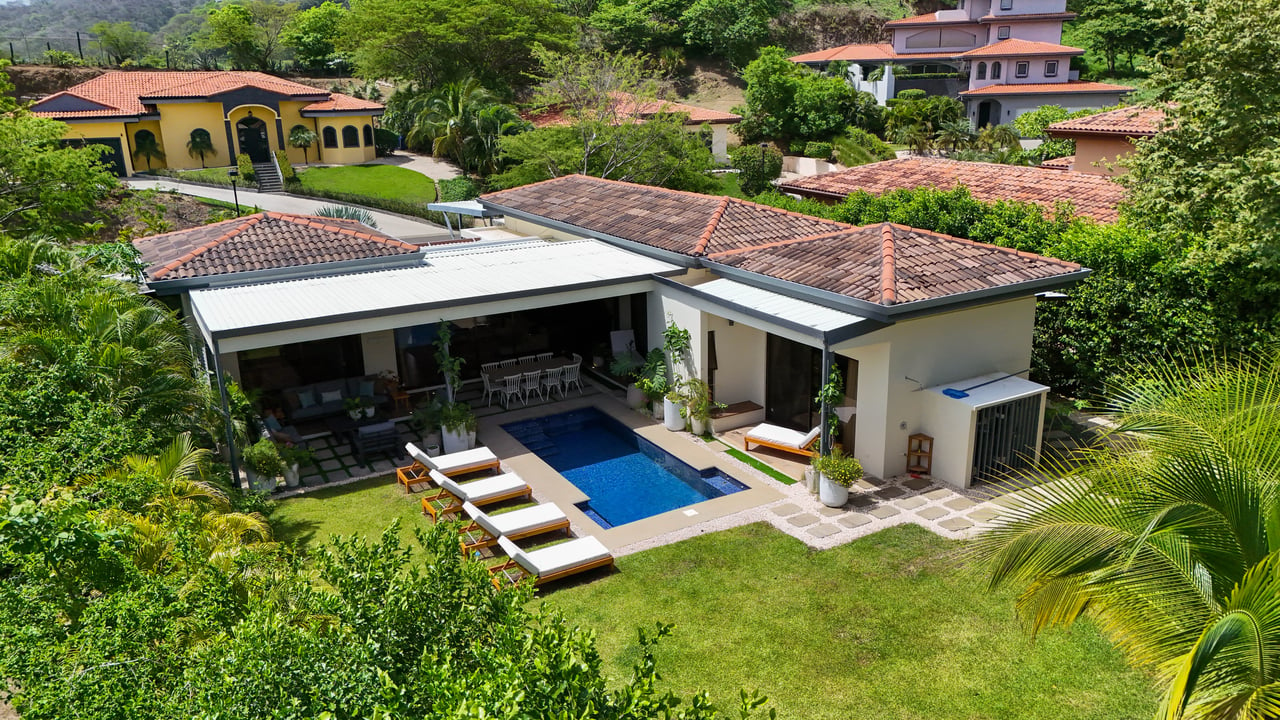
Casa Sanctuary, Pacifico, Playas del Coco, GU 50503, Costa Rica
For Sale
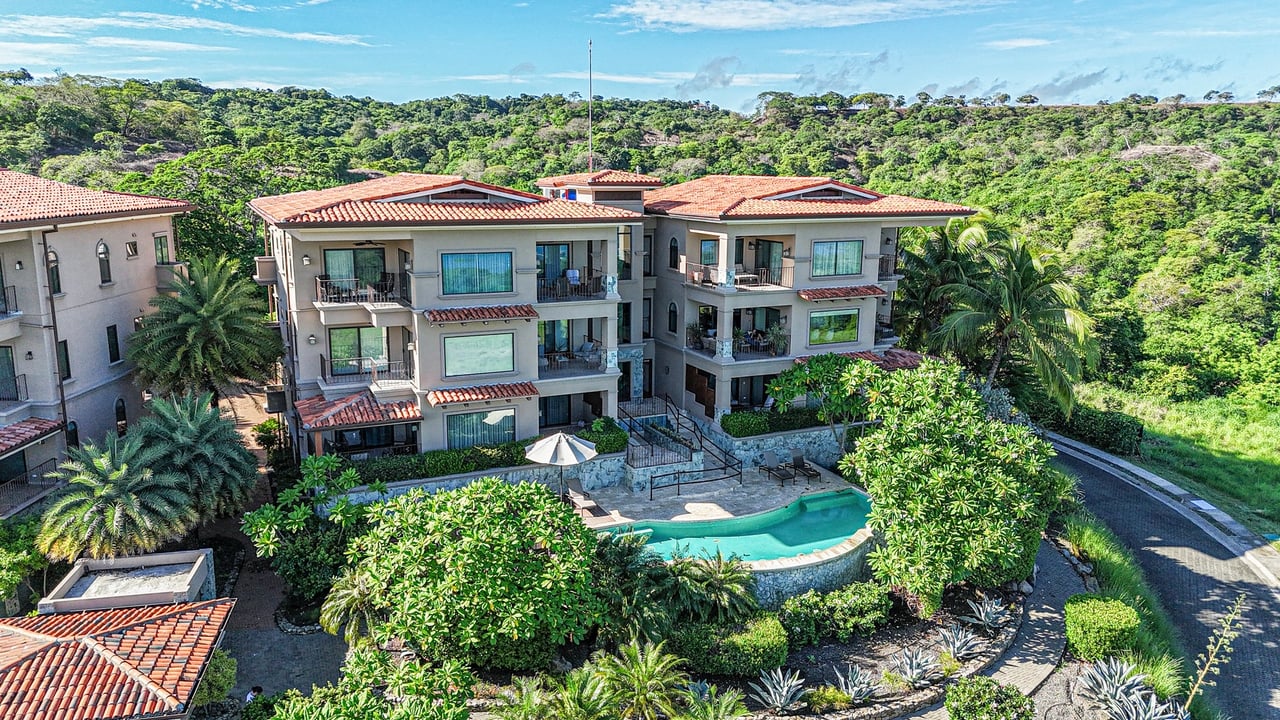
Ocean View Jaguar Village A1, Playa Panama, GU 50508, Costa Rica
For Sale
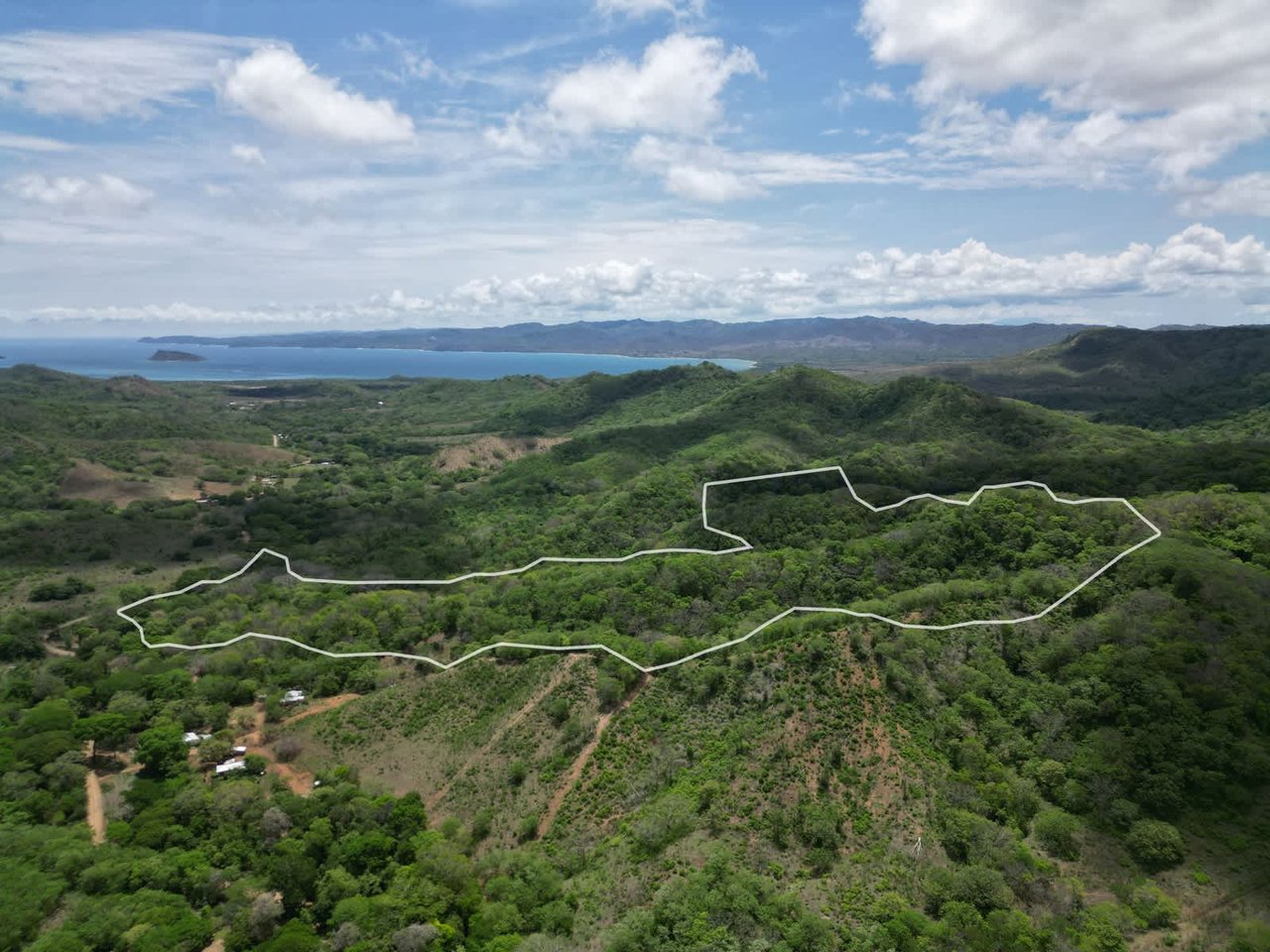
Finca Los Tamarindos, La Cruz, GU 50503, Costa Rica
For Sale
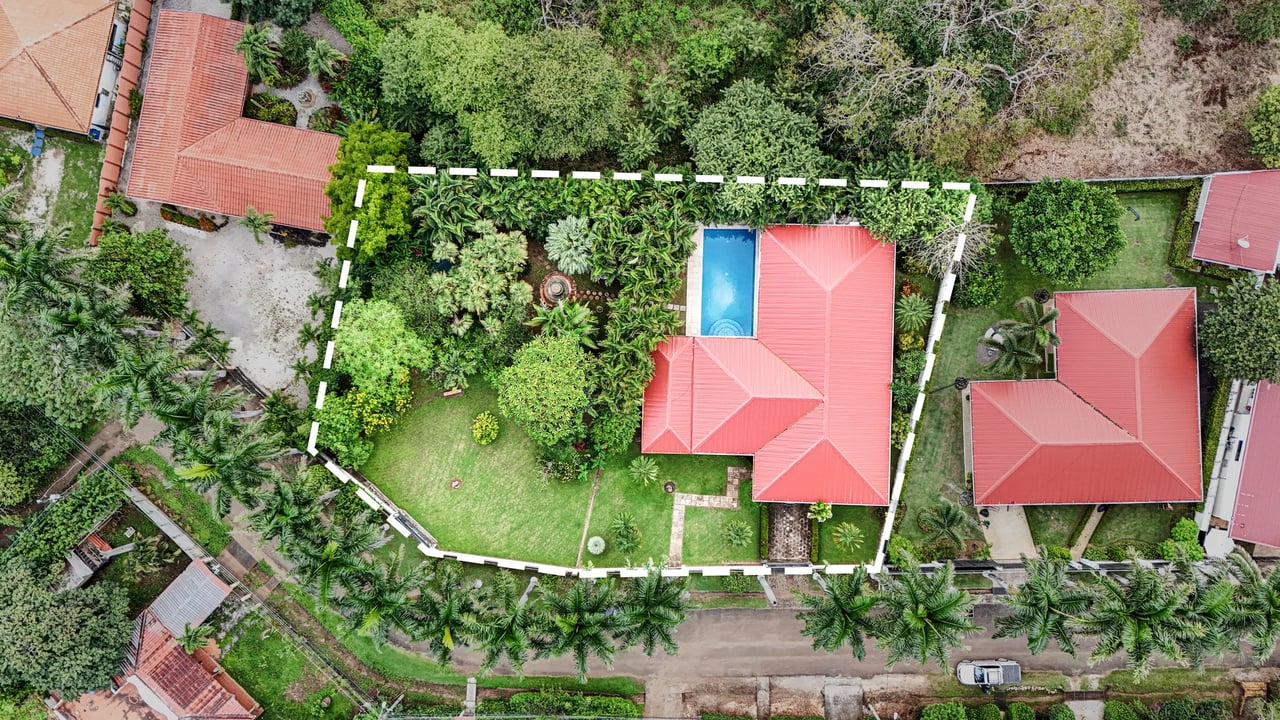
Casa Idea Verde, Playas del Coco, GU 50503, Costa Rica
For Sale
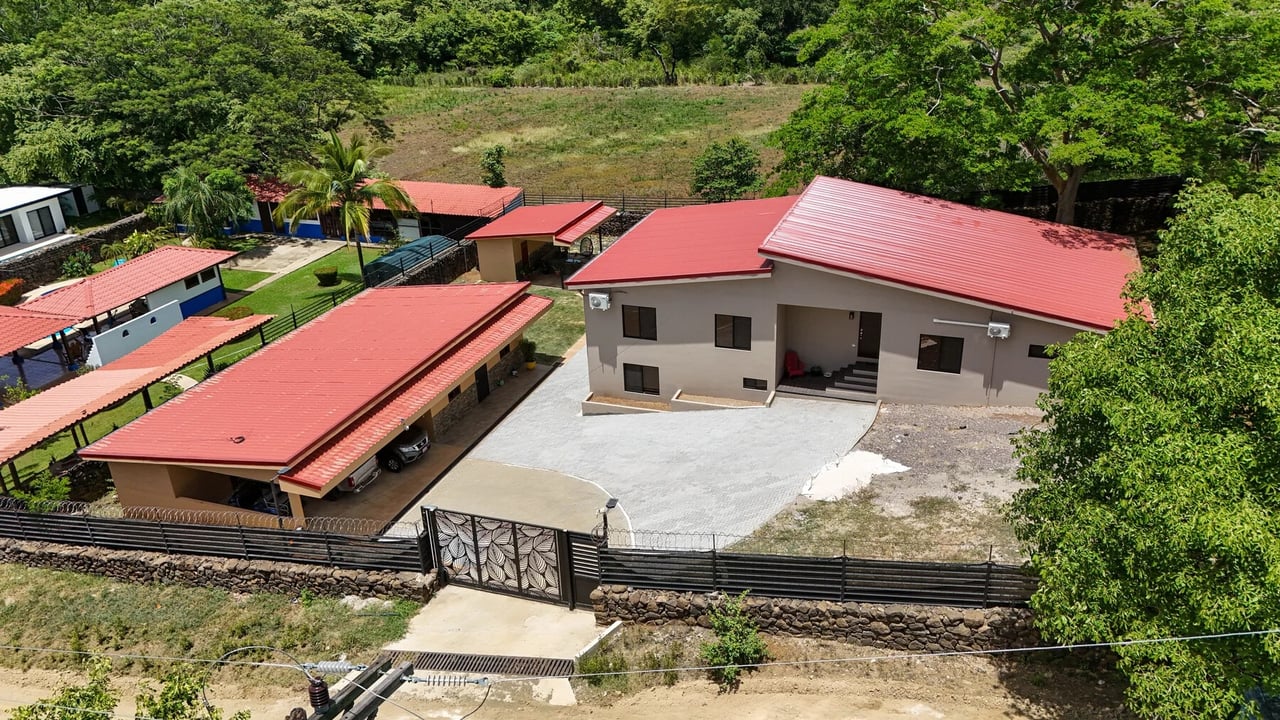
Costa Rican Retreat, Barrio Los Canales, Playas del Coco, GU 50503, Costa Rica
For Sale
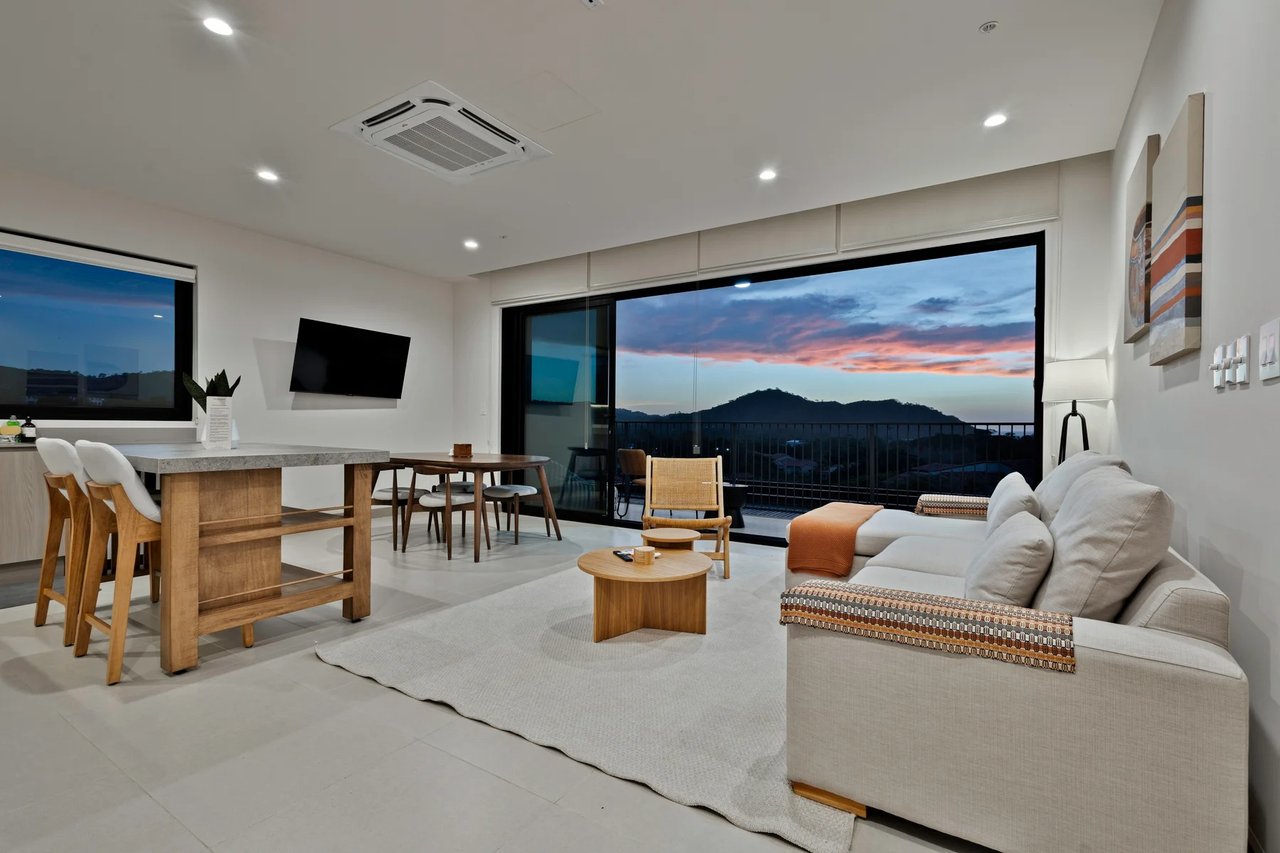
Luxury Ocean View Condo, Unit 522, Pacifico, Playas del Coco, GU 50503, Costa Rica
For Sale
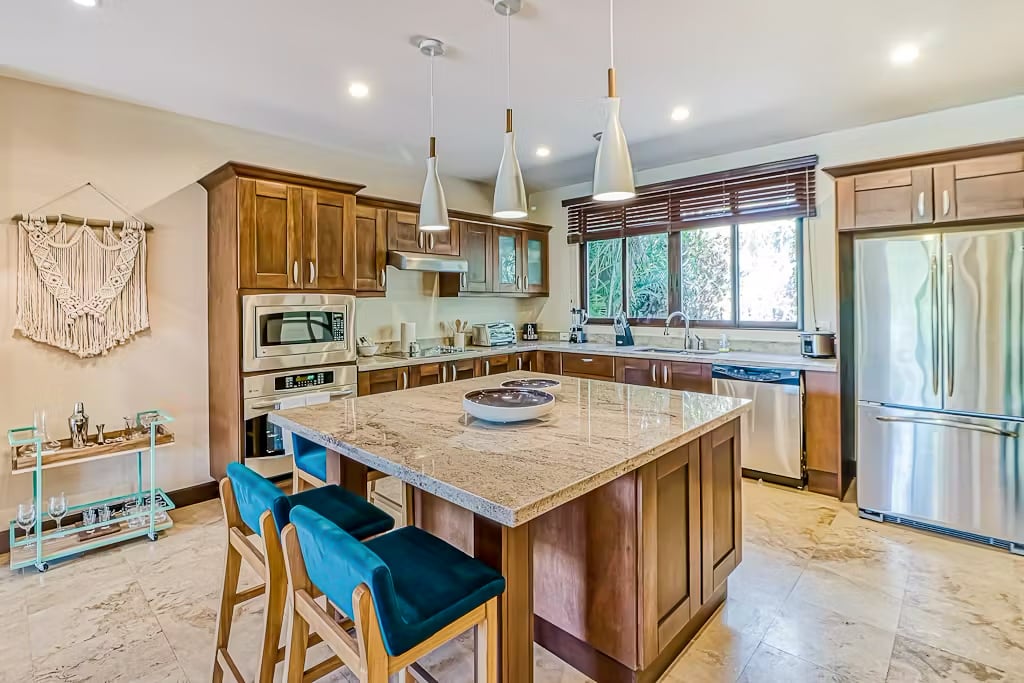
Azul Paraiso 11B, Playa Ocotal, GU 50503, Costa Rica
For Sale
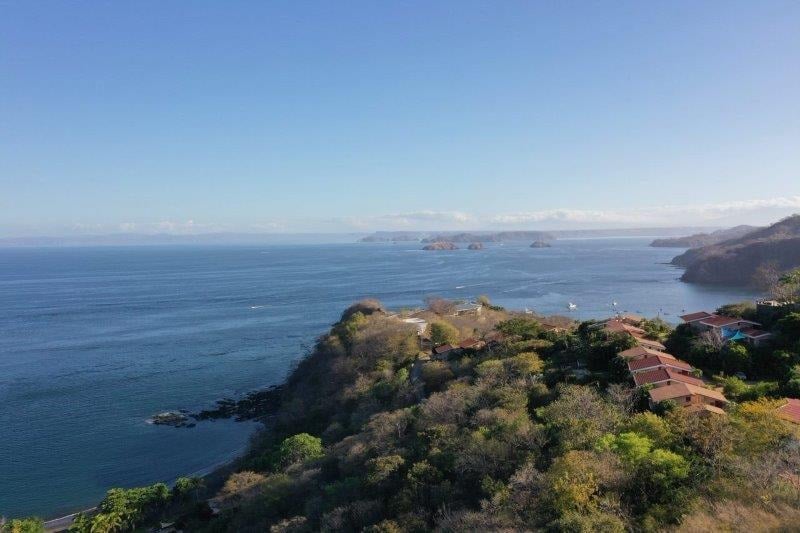
Full Ocean View Lot Ocotal, #61, Playa Ocotal, GU 50503, Costa Rica
For Sale
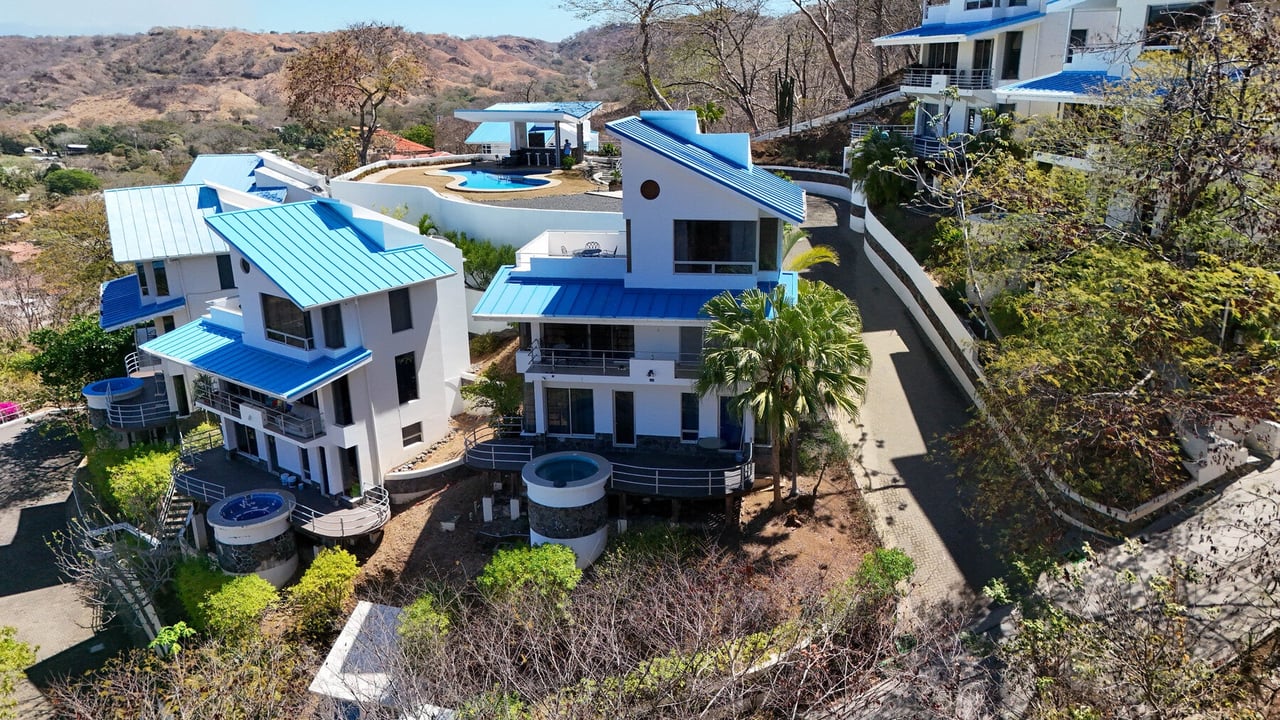
House Of Winds 1, Playas del Coco, GU 50503, Costa Rica
For Sale
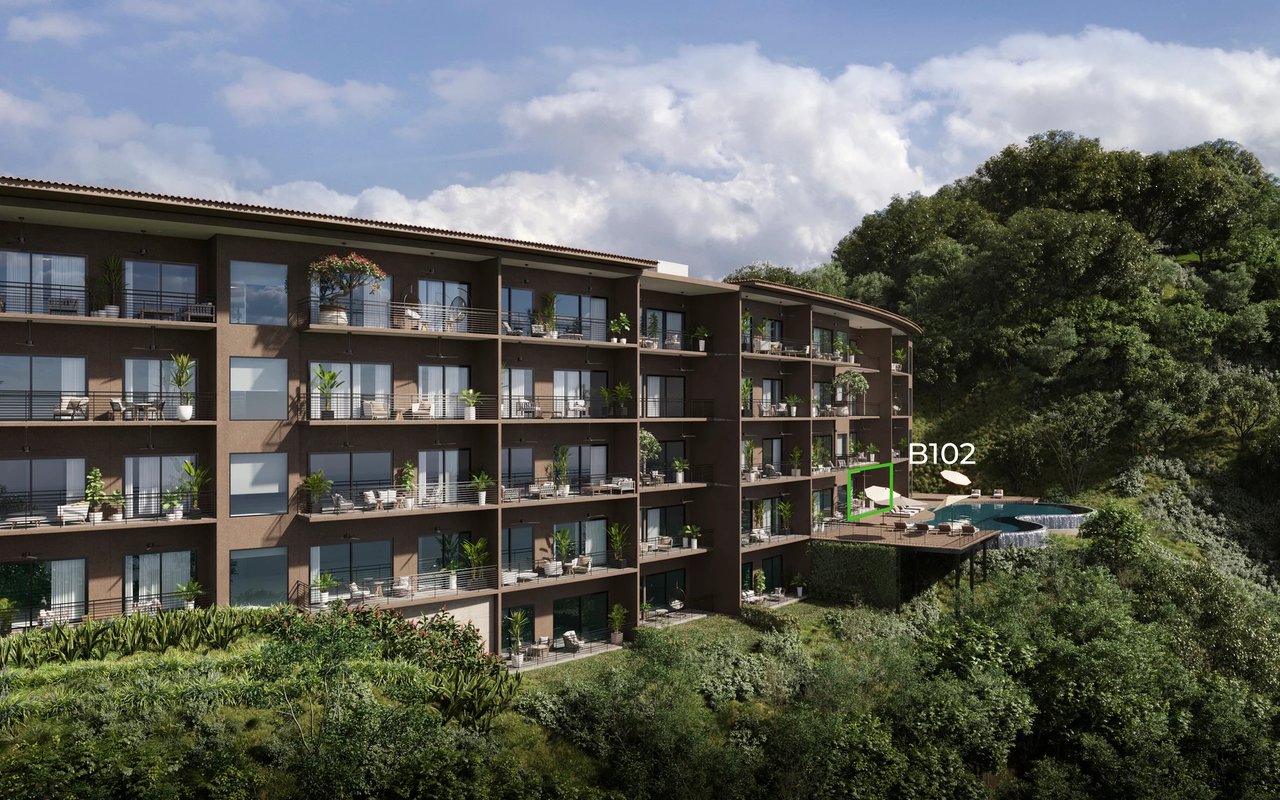
Brand New Pool-Level Oceanfront Condo B102, Azul Paraiso, Playa Ocotal, GU 50503, Costa Rica
For Sale
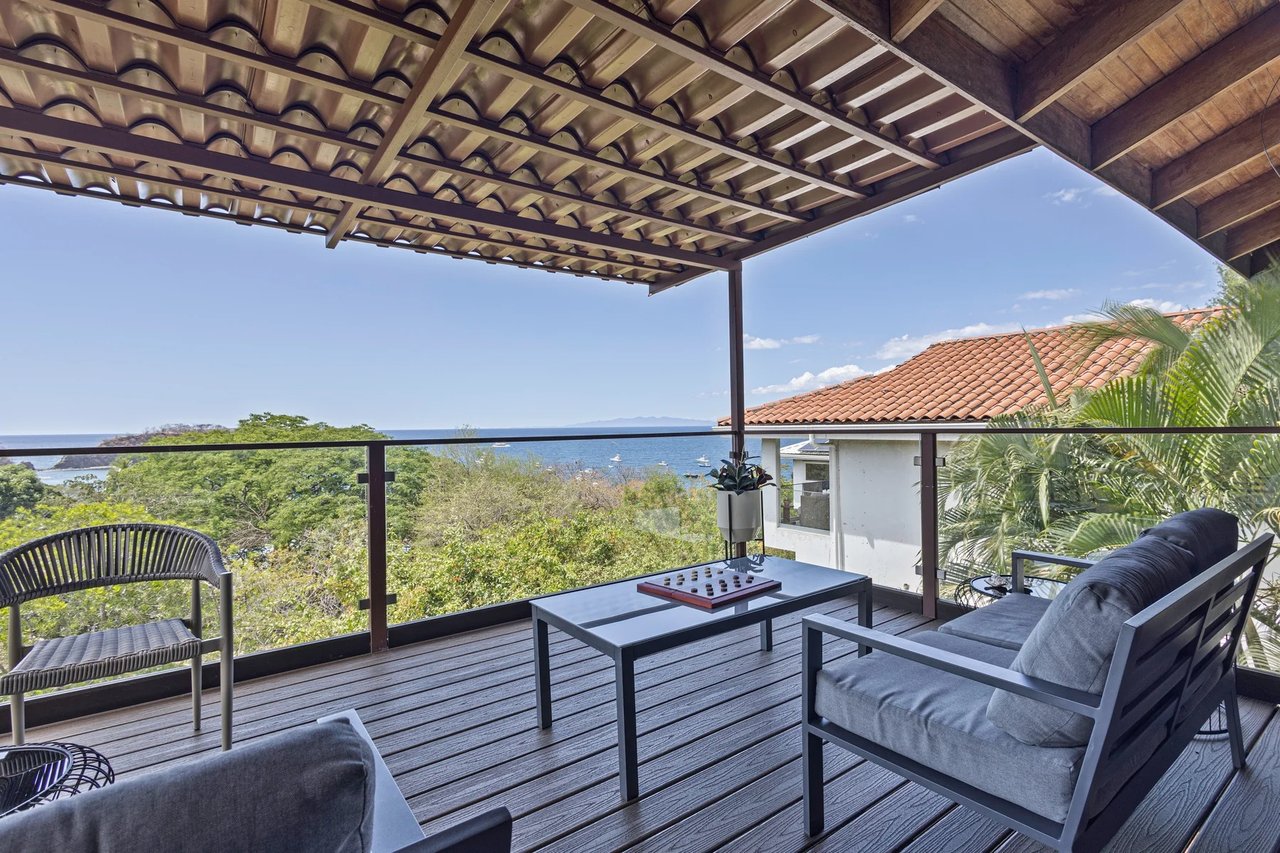
Beachfront Villa unit 17, Los Almendros, Playa Ocotal, GU 50503, Costa Rica
For Sale
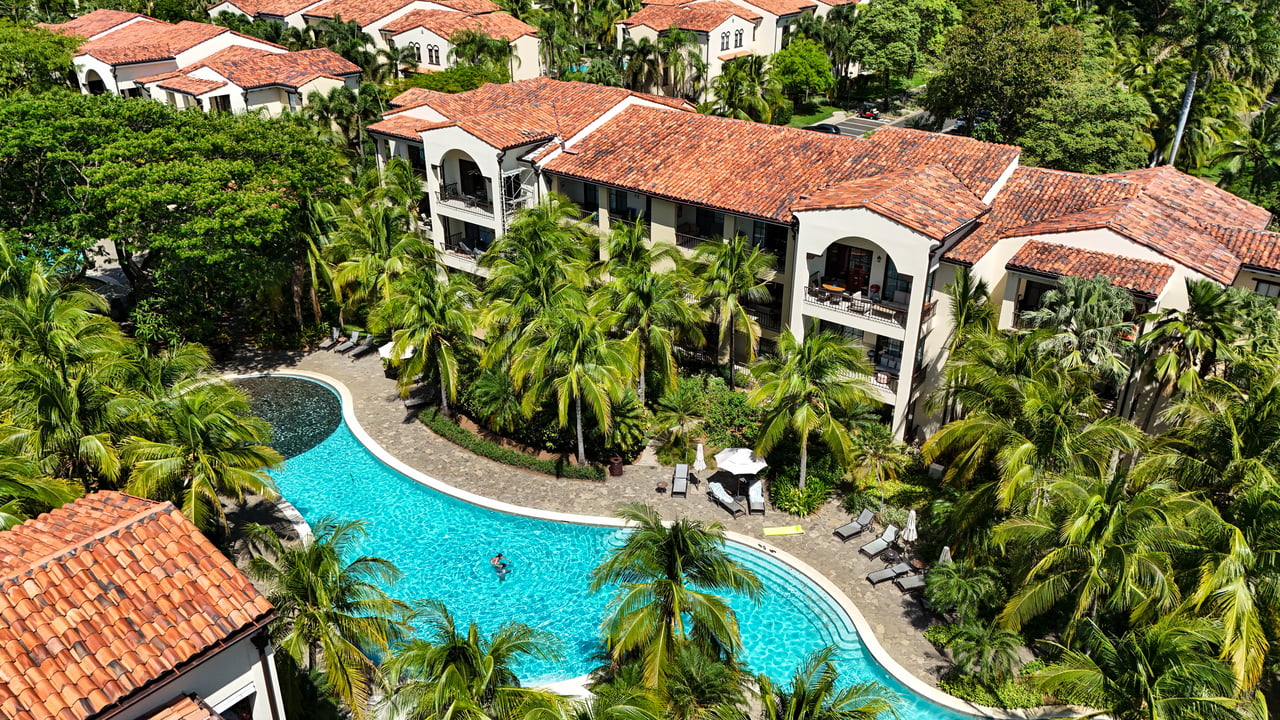
Pacifico L508, Playas del Coco, GU 50503, Costa Rica
For Sale
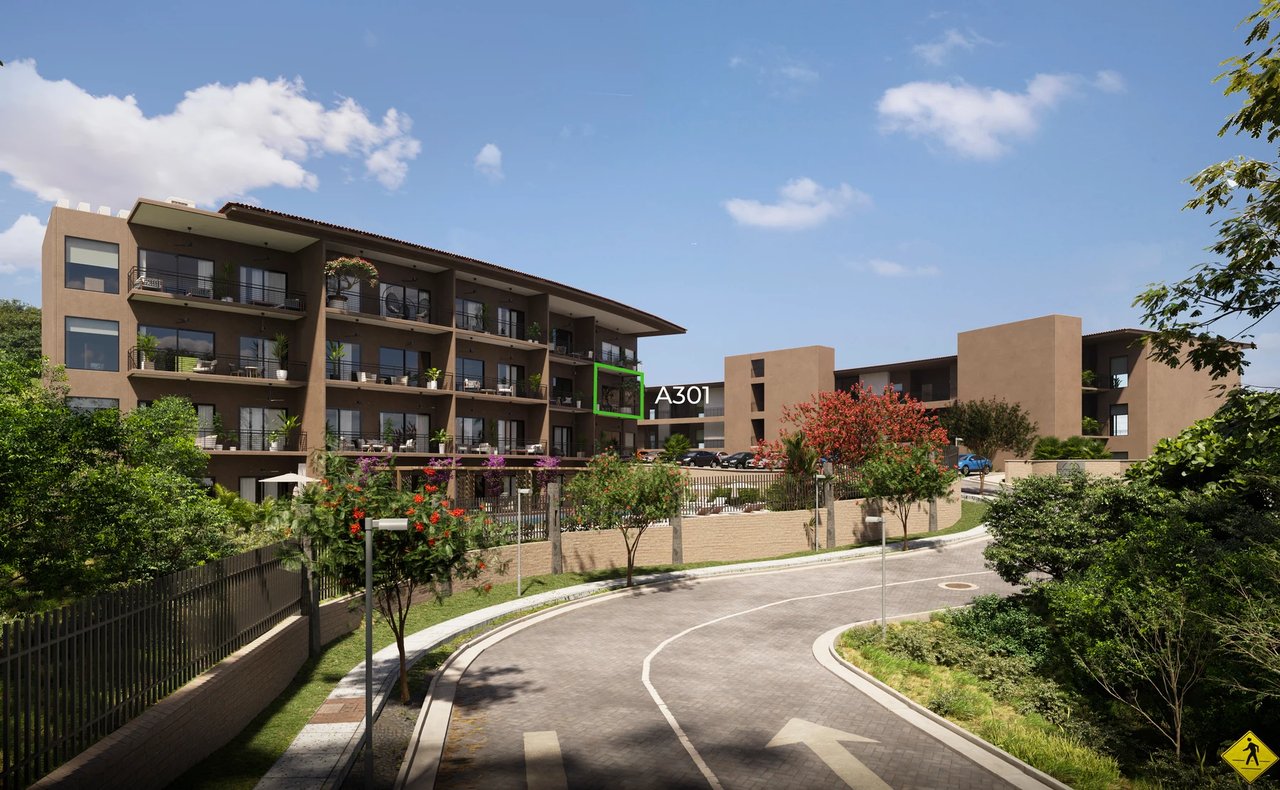
Unit A301 - Type B1, Azul Paraiso, Playa Ocotal, GU 50503, Costa Rica
For Sale
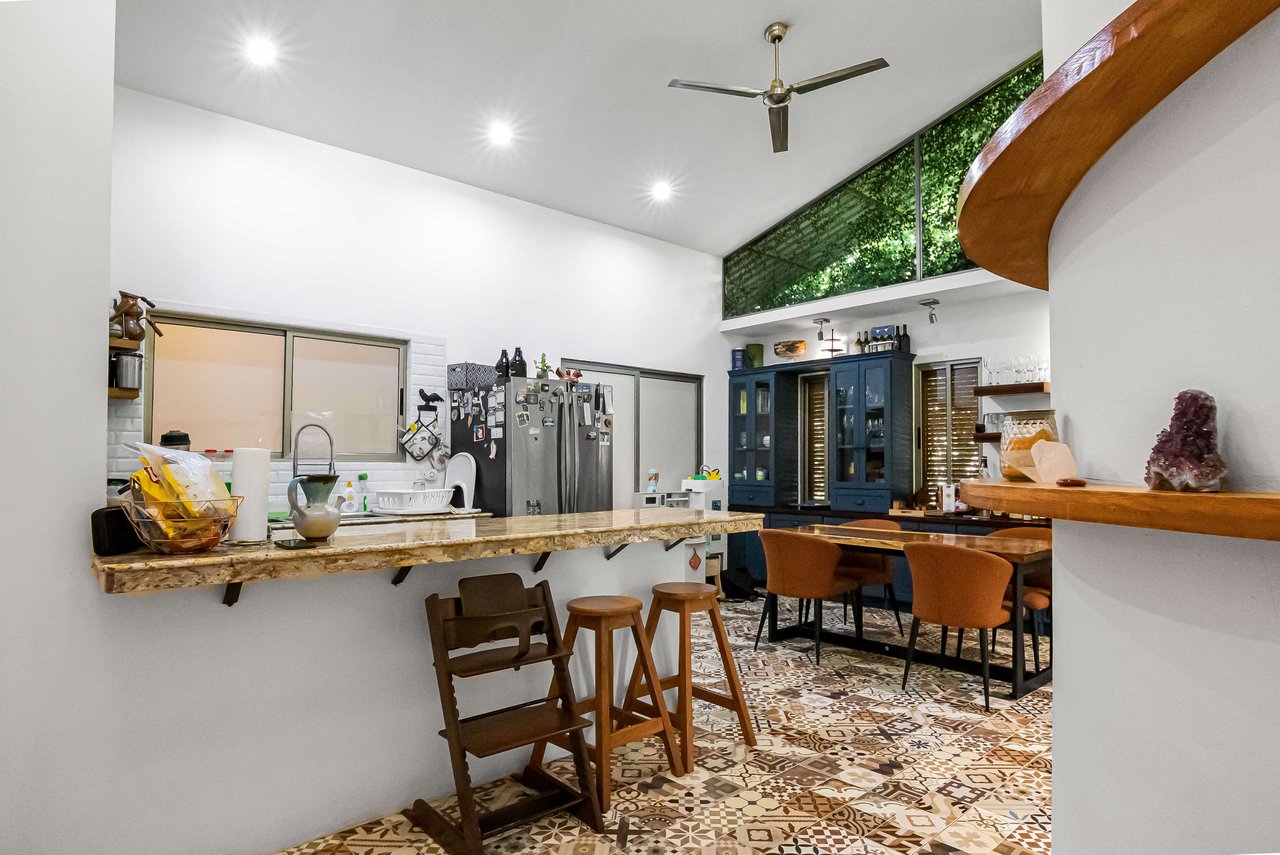
Casa Congos, Casa Congos, Playas del Coco, GU 50503, Costa Rica
For Sale
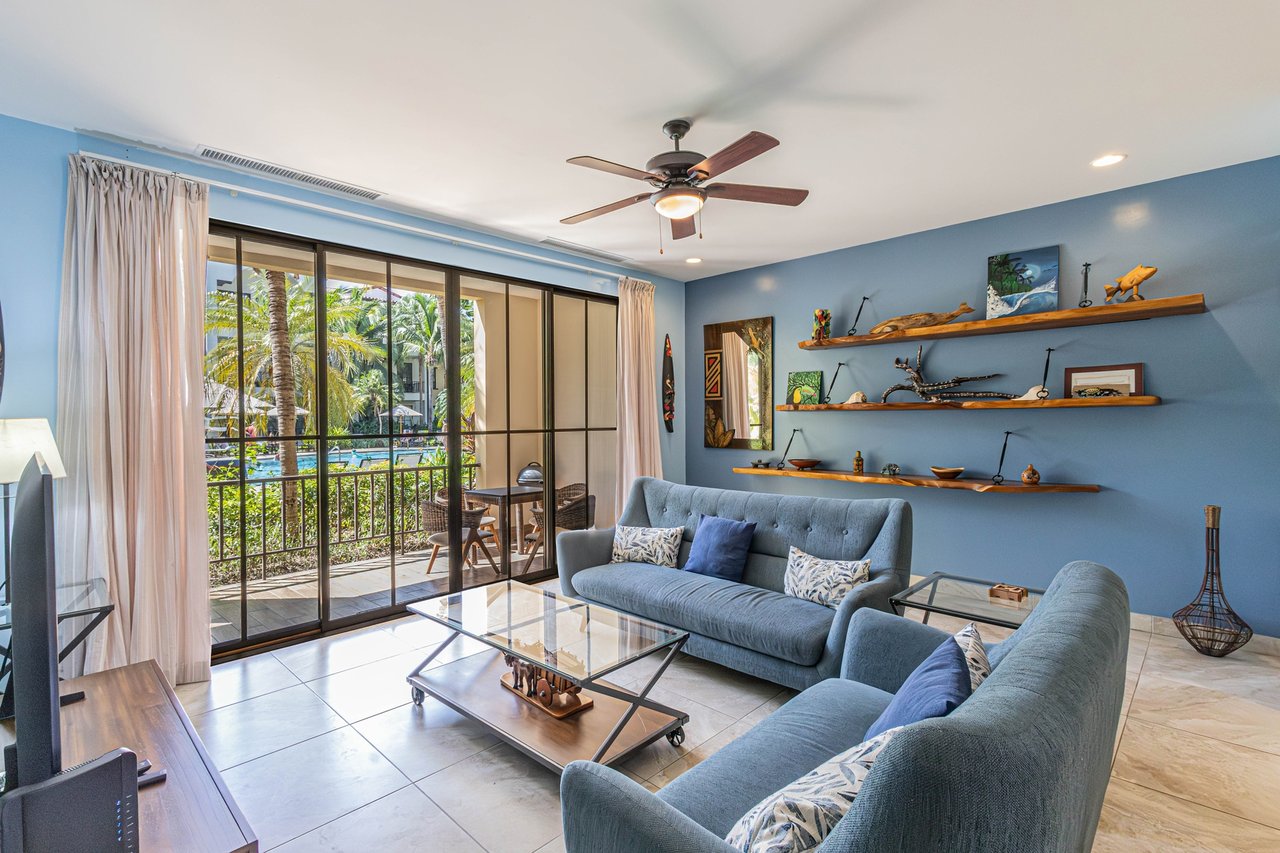
Pacifico L204, Playas del Coco, GU 50503, Costa Rica
For Sale
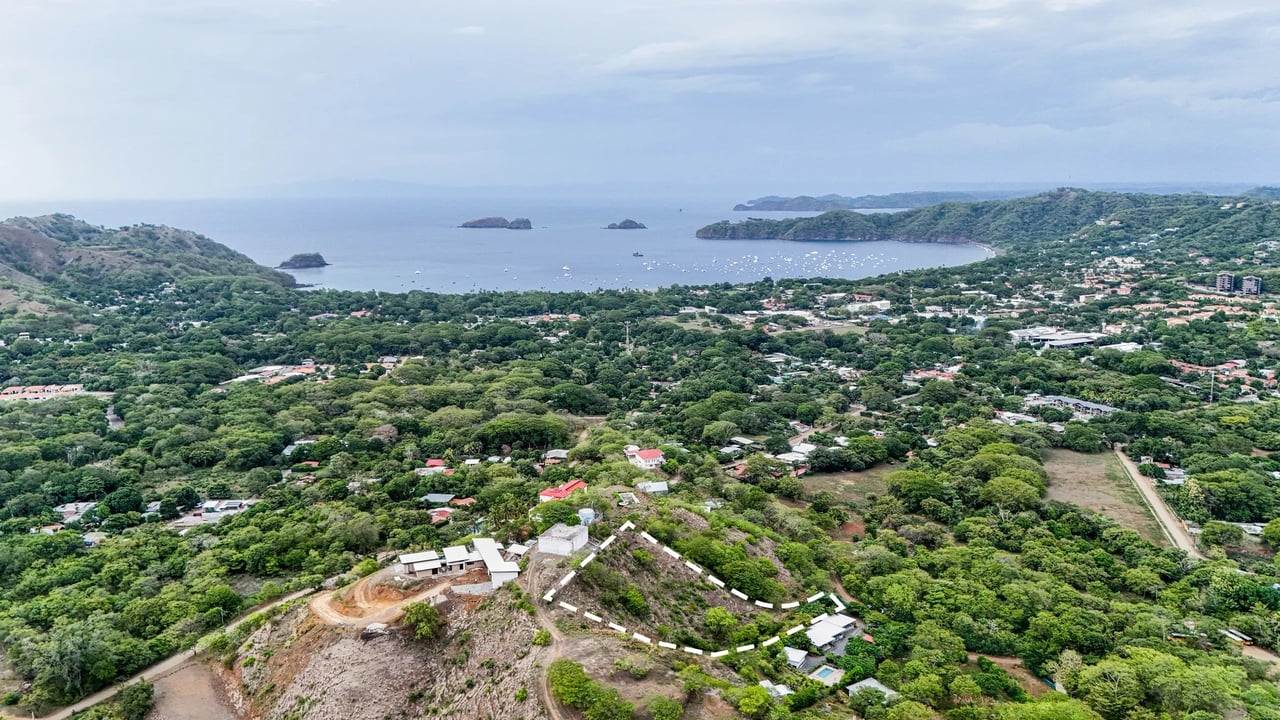
Ocean View Investment Land, Playas del Coco, GU 50503, Costa Rica
For Sale
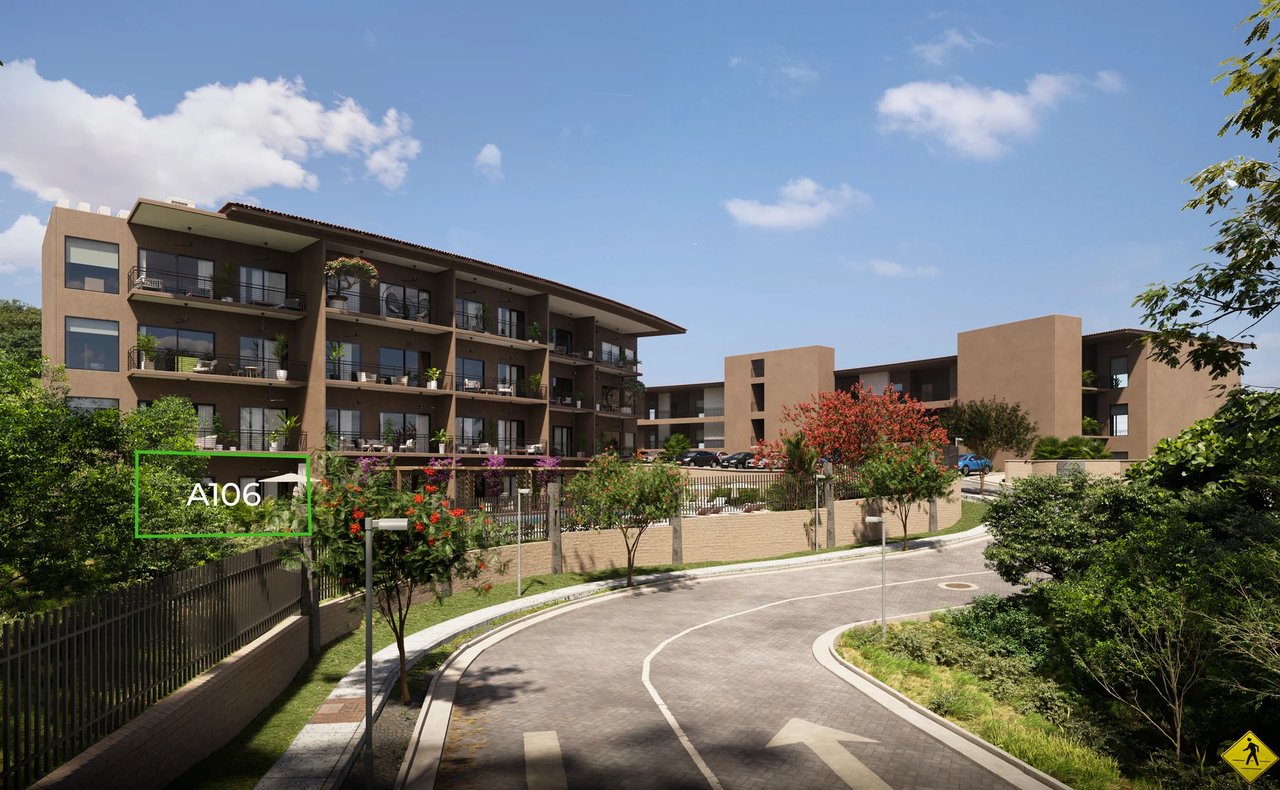
Unit A106 - Type B1, Azul Paraiso, Playa Ocotal, GU 50503, Costa Rica
For Sale
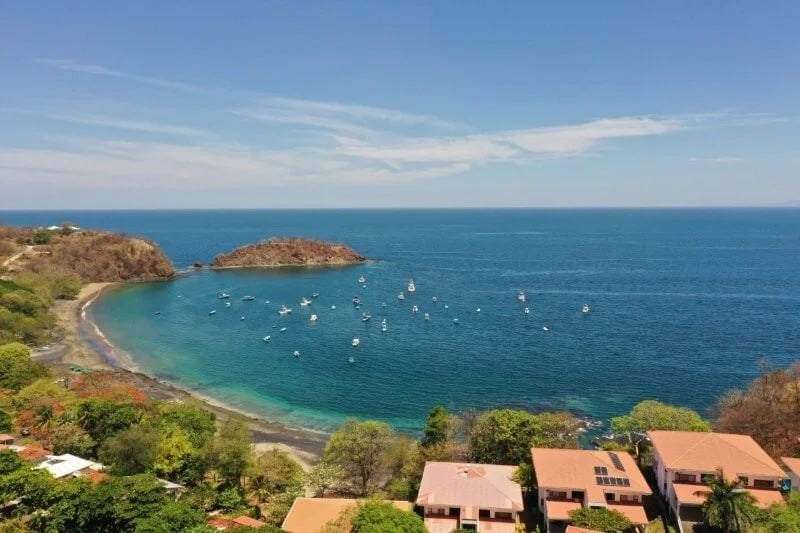
Renovated Ocean View Condo #39, Los Almendos, Playa Ocotal, GU 50503, Costa Rica
For Sale
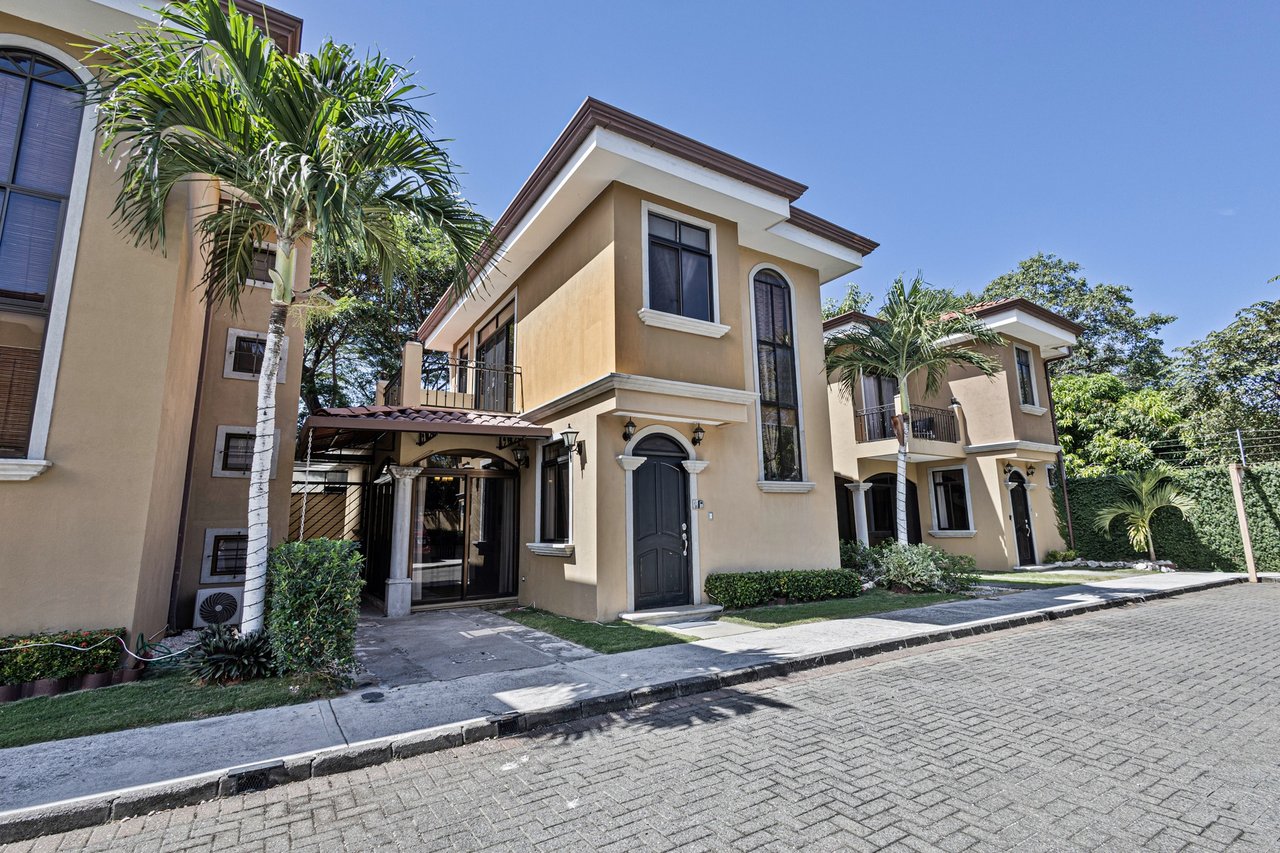
Arrecifes #11, Playas del Coco, GU 50503, Costa Rica
For Sale
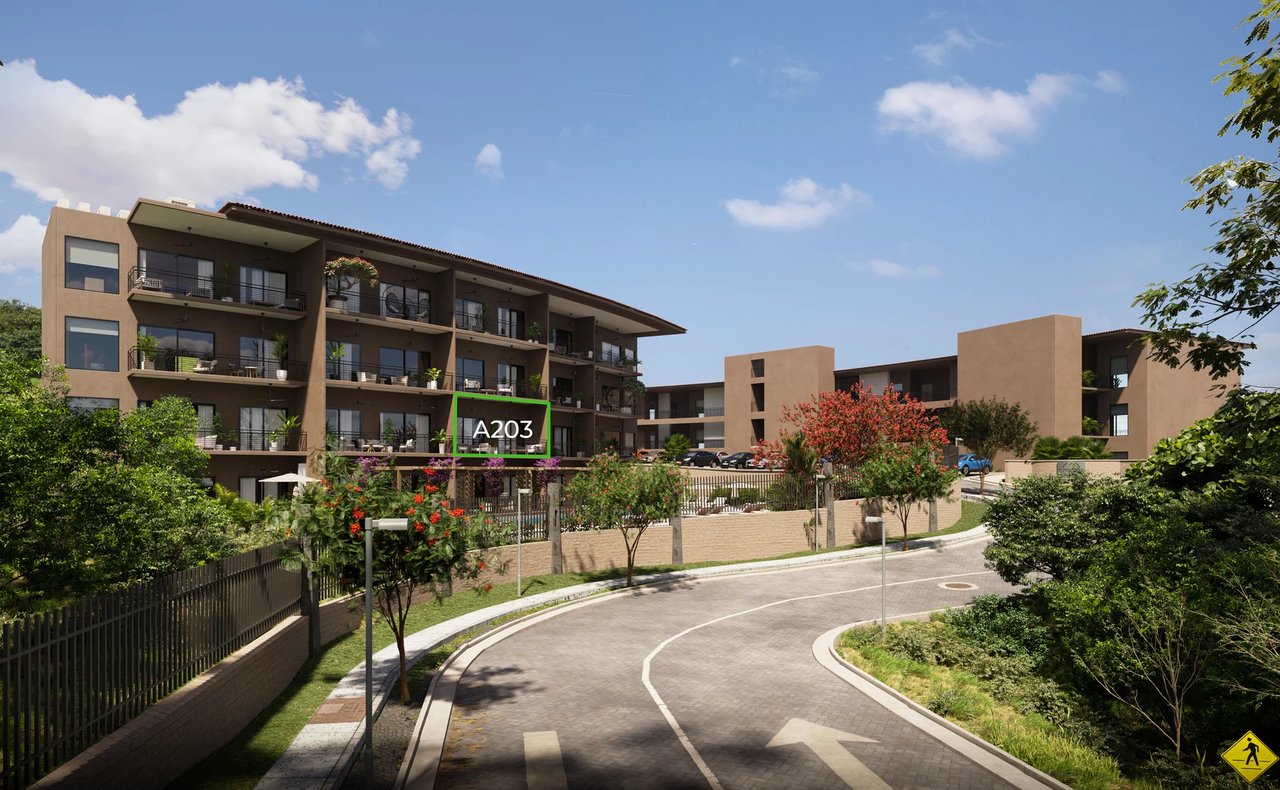
Unit A203 - Type A, Azul Paraiso, Playa Ocotal, GU 50503, Costa Rica
For Sale
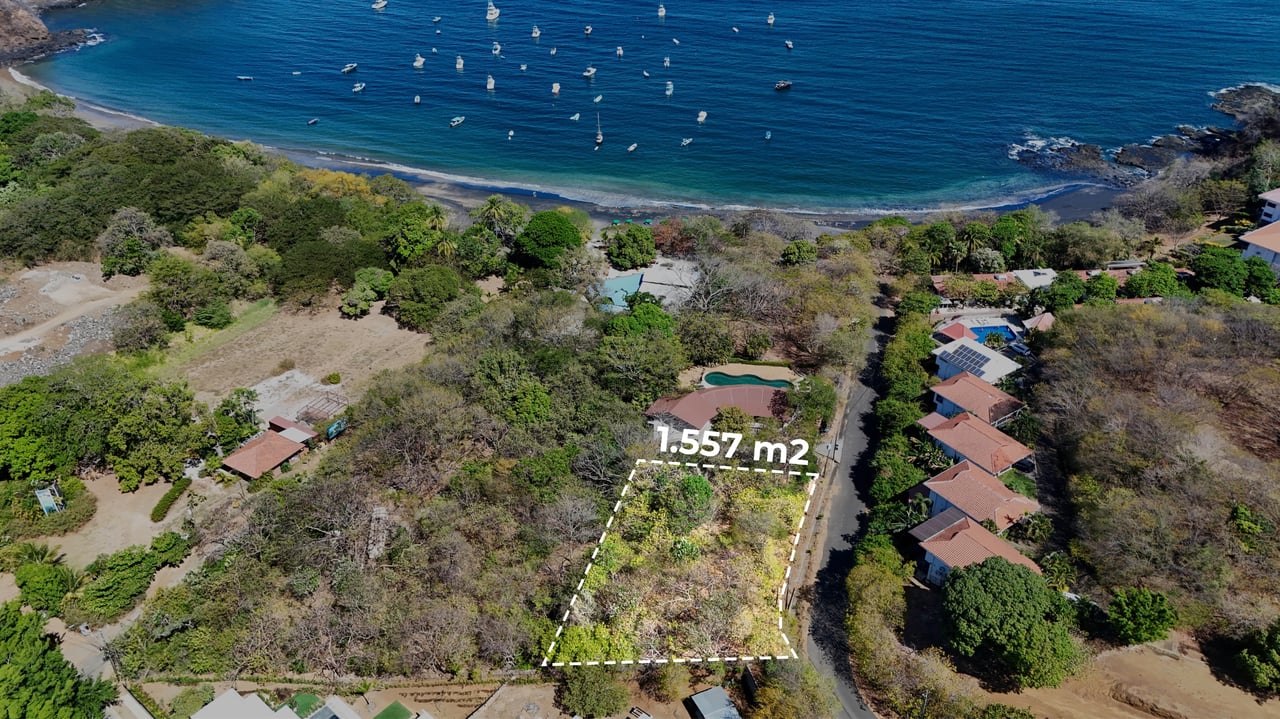
Playa Ocotal Lot, Playa Ocotal, GU 50503, Costa Rica
For Sale
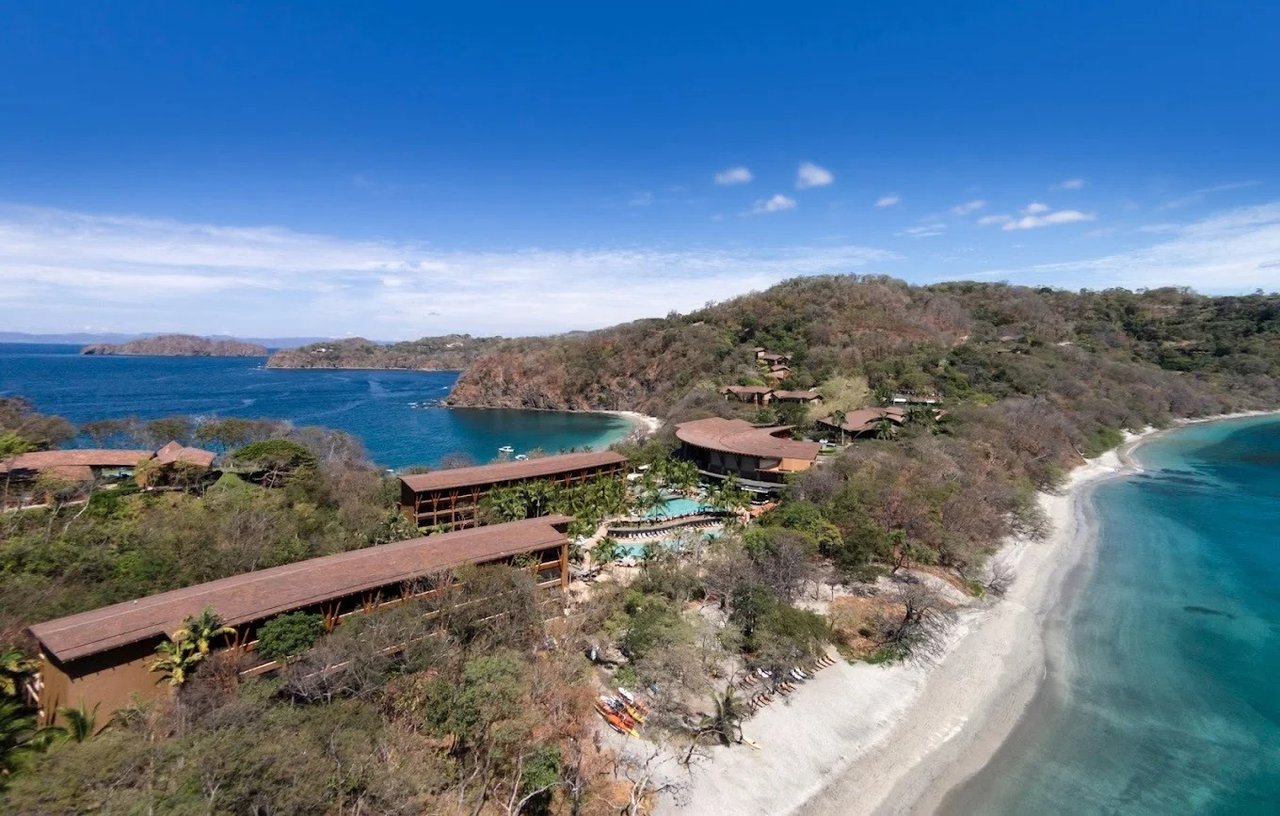
Four Seasons Fractional Condo, Four Seasons, Papagayo, GU 50104, Costa Rica
For Sale
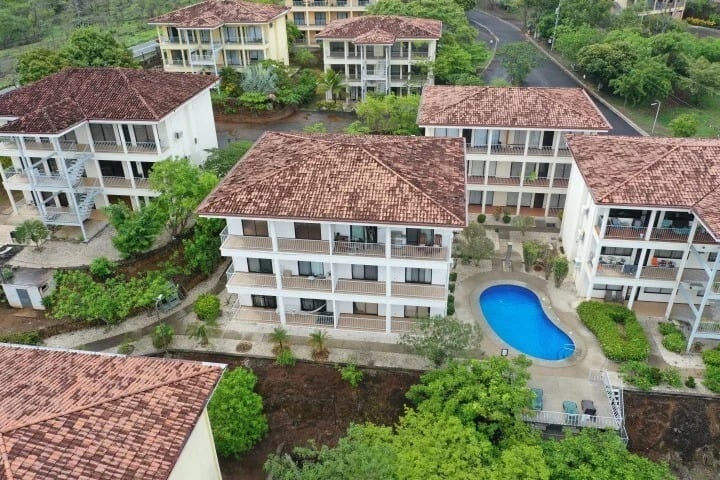
Ocean View Condo, #E-6, Vista Hermosa, Playas del Coco, GU 50503, Costa Rica
For Sale
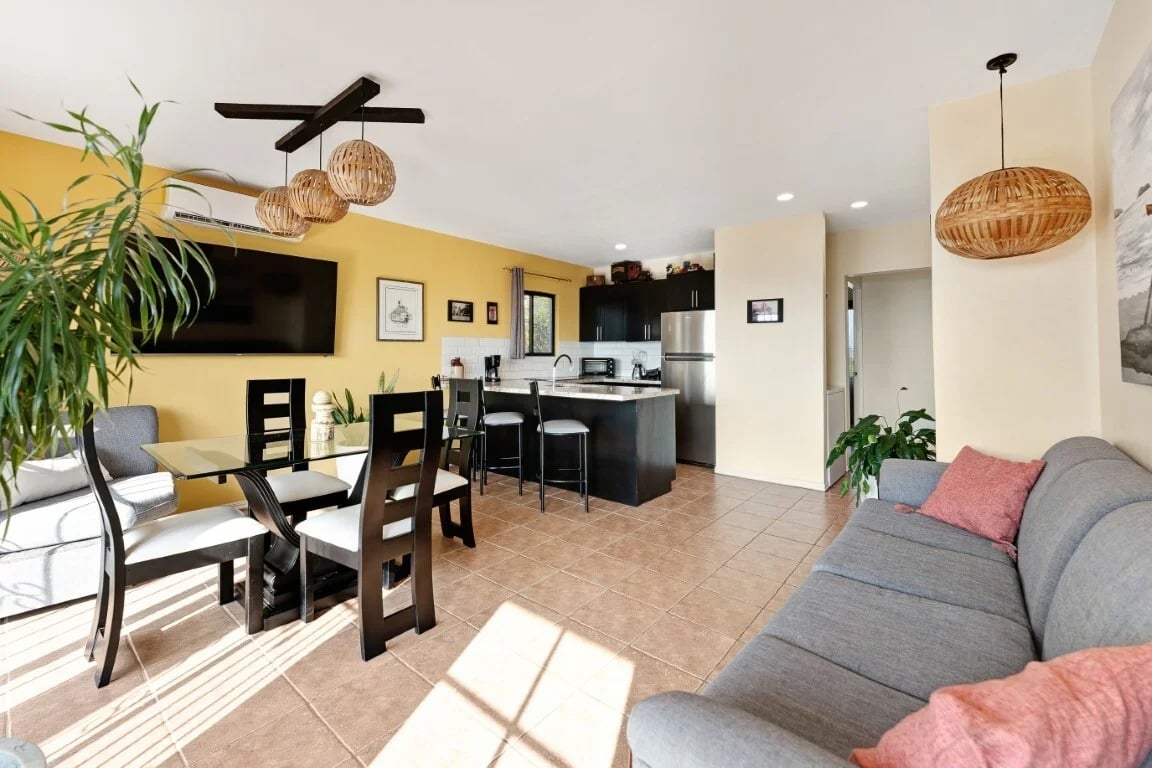
Ocean View Condo #O-3, Vista Hermosa, Playas del Coco, GU 50503, Costa Rica
For Sale
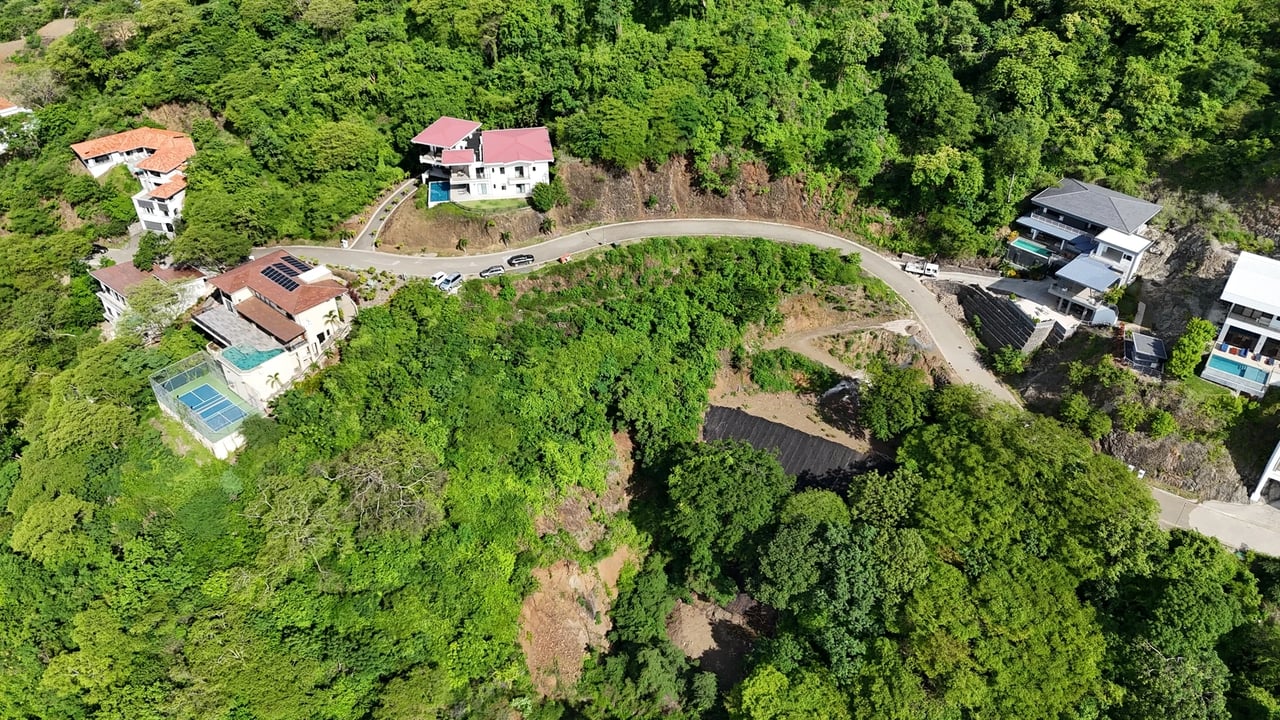
Ocean View Lot #30, Coco Bay, Ocotal, GU 50503, Costa Rica
For Sale
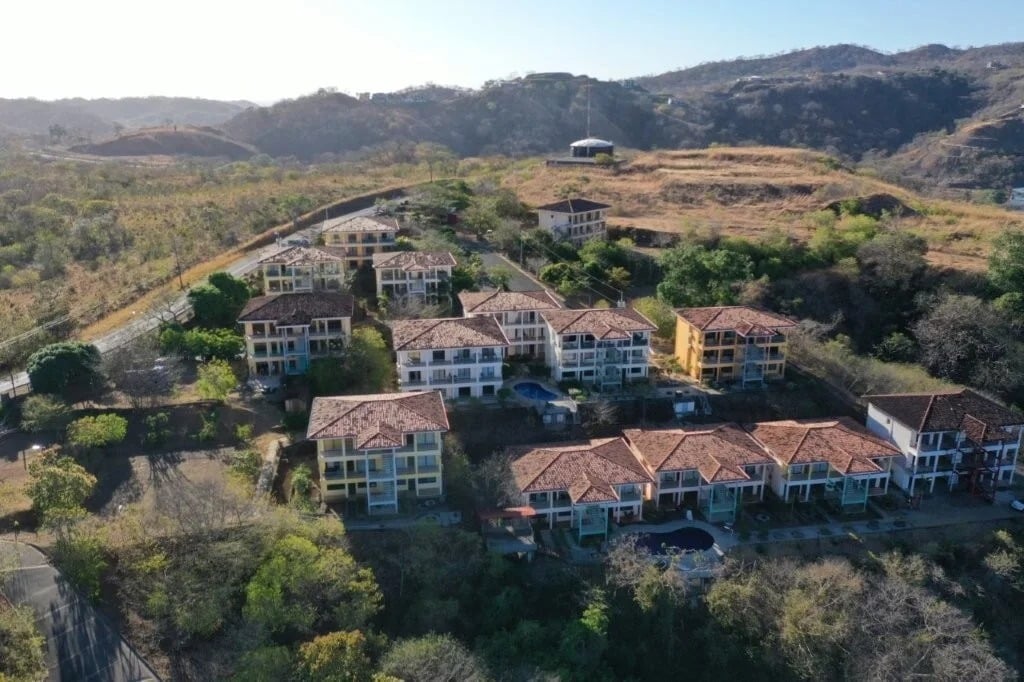
Ocean View Condo, #I-6, Vista Hermosa, GU 50503, Costa Rica
Stay up to date on the latest trends in real estate.
October 8, 2026
October 1, 2026
September 24, 2026
September 17, 2026
September 10, 2026
September 3, 2026
August 27, 2026
August 20, 2026
August 13, 2026